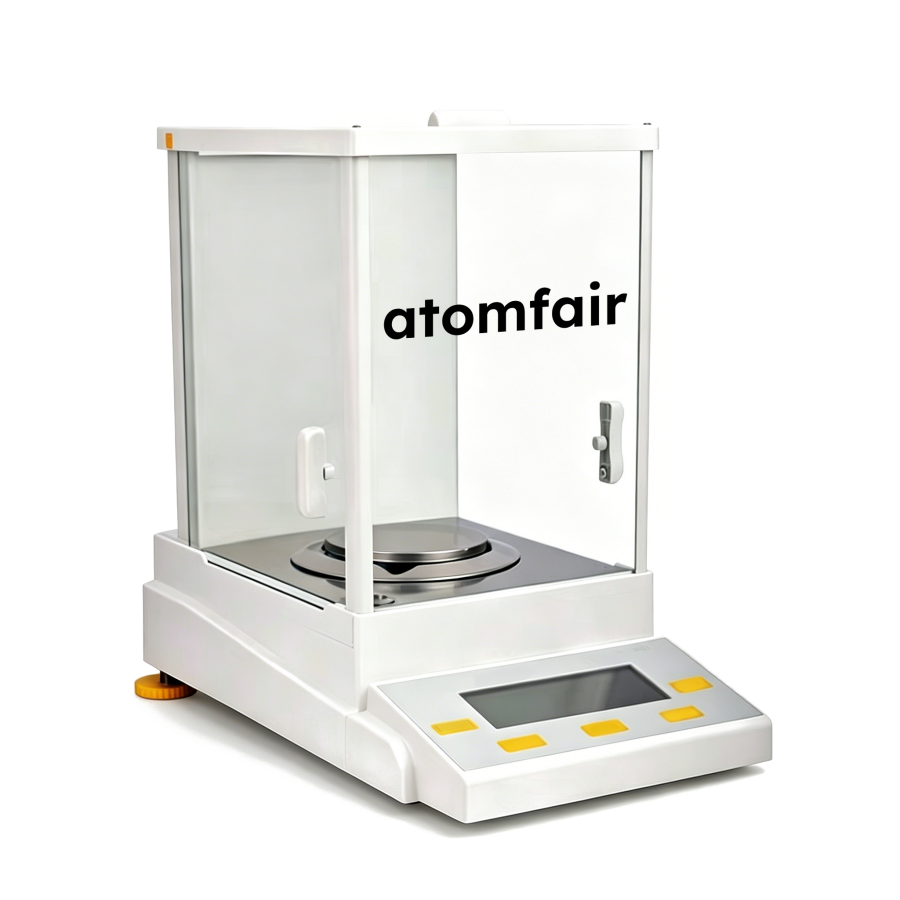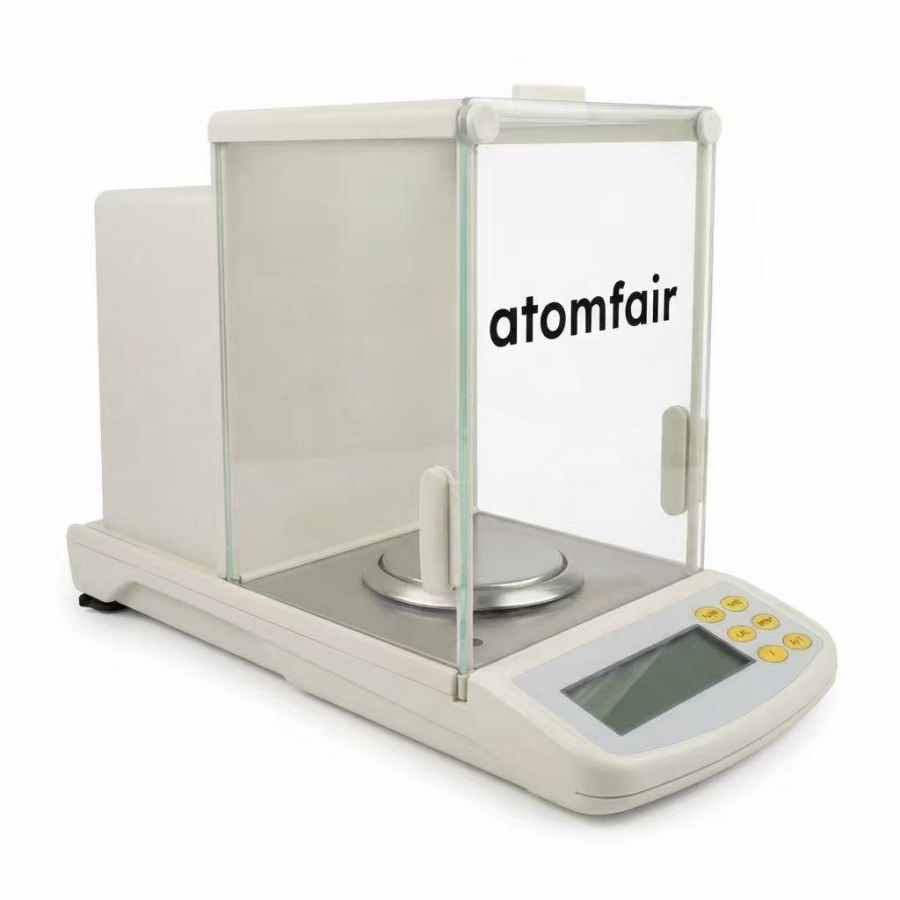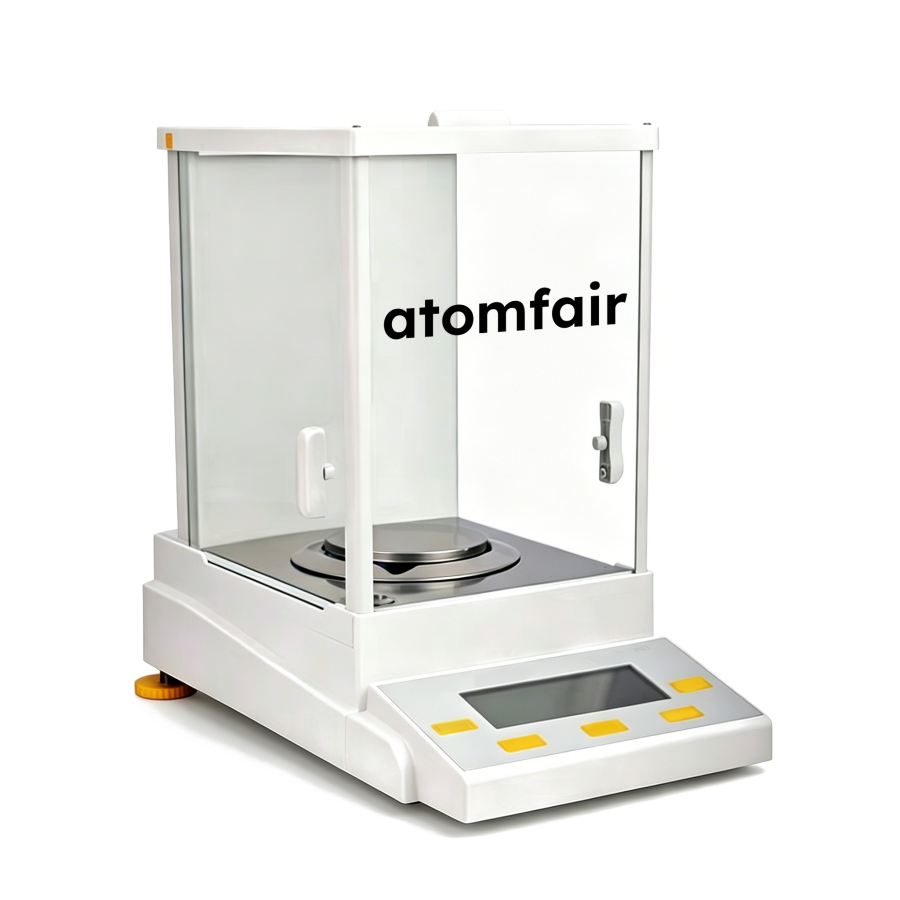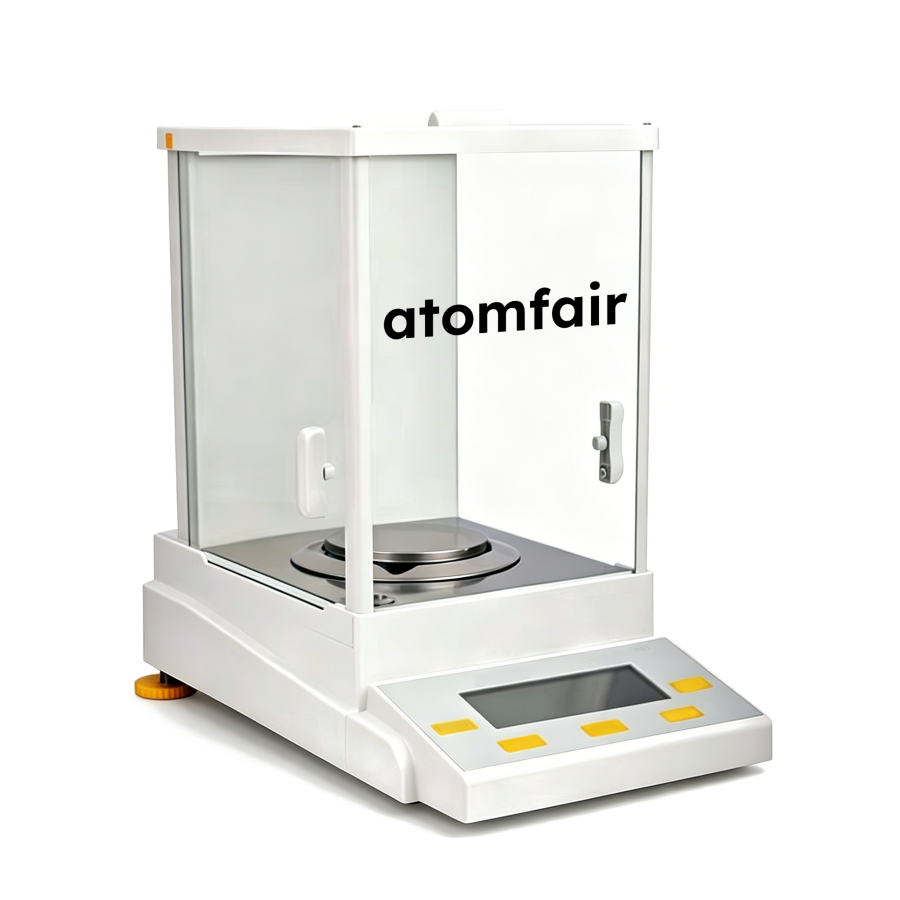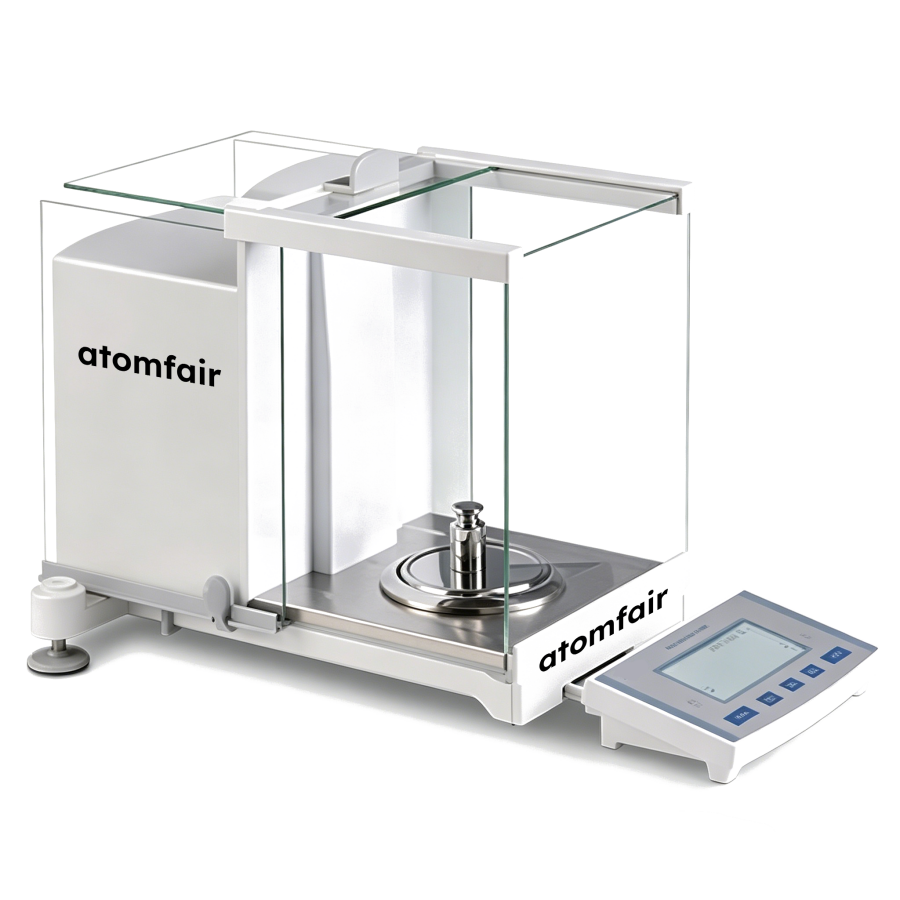
ATOMFAIR® EB220G-0.1MG-02 ELECTRONIC ANALYTICAL BALANCE(Research Grade | Split-body External Weight Calibration)EB220G-0.1MG-02 CORE SPECIFICATION PLATFORM
|
|||||||||||||||||||||||||||||||||||||||||||||||||||||||||||||||||||||||||||||||||||||||||||||||||||||||||||||||||||||||||||||||||||||||||||||||||||||||||||||||||||||||||||||||||||||||||||||||||||||
|
|||||||||||||||||||||||||||||||||||||||||||||||||||||||||||||||||||||||||||||||||||||||||||||||||||||||||||||||||||||||||||||||||||||||||||||||||||||||||||||||||||||||||||||||||||||||||||||||||||||
|
TAILORED INDUSTRIAL LAB SOLUTIONS
Contact our elite laboratory engineering team for institutional bulk procurement quotes or interface custom integration.
EMAIL: INQUIRY@ATOMFAIR.COM
|
|||||||||||||||||||||||||||||||||||||||||||||||||||||||||||||||||||||||||||||||||||||||||||||||||||||||||||||||||||||||||||||||||||||||||||||||||||||||||||||||||||||||||||||||||||||||||||||||||||||
|
MANUFACTURER OPERATIONS: ATOMFAIR LLC INSTRUMENTS DIVISION
REGISTERED BRAND: ATOMFAIR®
|
|||||||||||||||||||||||||||||||||||||||||||||||||||||||||||||||||||||||||||||||||||||||||||||||||||||||||||||||||||||||||||||||||||||||||||||||||||||||||||||||||||||||||||||||||||||||||||||||||||||
The EB220G-0.1MG-02 analytical balance requires a controlled environment within 18-23°C and 20-80% RH to maintain metrological performance. A mandatory 30-60 minute warm-up period after power-on is required before zeroing or calibration.
- Environmental Temperature and Humidity: The balance must be operated within an ambient temperature range of 18°C to 23°C and a relative humidity of 20% to 80%.
- Preheating Before Operation: Allow the balance to warm up for 30 to 60 minutes after power-on before performing zeroing or calibration.
- Draft Shield Usage: The internal glass draft shield must be closed during weighing to isolate airflow interference.
- Calibration Requirements: External calibration with a standard reference mass is required, and the built-in automatic calibration triggers recalibration if temperature changes exceed 1.5°C or if 2 hours elapse.
- Vibration Sensitivity: The split-body design isolates mechanical vibrations from the weighing block to maintain measurement stability.
This procedure describes the initialization, calibration, and weighing steps for the EB220G-0.1MG-02 analytical balance. The process ensures accurate mass measurements by following the required warm-up and calibration sequence.
Required Equipment: Standard external calibration weight (reference mass)
- Warm-Up
Allow the balance to warm up for 30 to 60 minutes after connecting to the power supply. - Verify Environment
Verify that the draft shield is closed and the environment is within the specified temperature and humidity range. - External Calibration
Perform external calibration by placing a standard reference mass on the pan and following the calibration procedure. - Select Weighing Mode
Select the desired weighing mode, such as standard weighing, piece counting, or percentage weighing, from the display panel. - Place Sample
Place the sample on the weighing pan inside the closed draft shield and wait for the reading to stabilize. - Record Measurement
Record the stabilized mass value displayed on the screen.
Does the ATOMFAIR EB220G-0.1MG-02 require internal calibration or can it use external laboratory weights?
The EB220G-0.1MG-02 is an external-calibration-only analytical balance, optimized for laboratories already equipped with standard reference masses. It does not feature built-in internal calibration; instead, users perform calibration with an external weight, a design that reduces cost while maintaining ±0.1 mg repeatability and ±0.2 mg linearity. The autonomous fully automatic calibration subsystem automatically triggers recalibration when ambient temperature shifts exceed 1.5°C or after 2 hours of operation, but it still relies on an external mass.
What are the environmental and warm-up requirements for achieving 0.1 mg repeatability on the EB220G-0.1MG-02?
To achieve the specified ±0.1 mg repeatability and ≤2.5 second stabilization, the balance must operate within 18°C–23°C and 20%–80% RH, with a mandatory 30–60 minute warm-up after power-on before zeroing or calibration. The electromagnetic force compensation sensor and 230 mm glass draft shield further mitigate airflow and thermal drift, but environmental compliance is critical for the specified accuracy.
How does the split-body detachable display on the EB220G-0.1MG-02 improve weighing accuracy in analytical chemistry workflows?
The split-body design isolates the display panel from the weighing chamber, eliminating micro-vibrations transmitted through hand contact during operation. This is critical for trace micro-addition detection and routine powder sampling at 0.1 mg readability. The angled LED display also allows off-axis viewing without disturbing the measuring head, reducing operator-induced errors during serial measurements.
The ATOMFAIR EB220G-0.1MG-02 electronic analytical balance delivers 0.1 mg readability and ≤2.5 s stabilization via electromagnetic force compensation, with a split-body design to minimize vibration artifacts. Its external calibration requirement and 30-minute warm-up threshold impose pre-use steps for optimal linearity.
Positive
- High repeatability and fast stabilization: Achieves ±0.1 mg repeatability and ±0.2 mg linearity with an average stabilization response time of ≤2.5 seconds, enabling efficient, precise analytical weighing.
- Split-body draft shield design: Detachable angled display and wide 230 mm internal glass draft shield isolate airflow and operator-induced vibrations, improving measurement stability and line-of-sight ergonomics.
Trade-offs
- Extended warm-up prerequisite: Requires 30–60 minutes of uninterrupted power-on warm-up before zeroing or calibration to maintain specified linearity, introducing a mandatory delay in workflow startup.
- Narrow ambient operating window: Optimal performance is confined to 18–23 °C and 20–80% RH; deviations outside this range may degrade metrological accuracy without recalibration or environmental control.
Every advanced material, component, equipment, and instrument in our catalog is backed by rigorous testing. We maintain strict internal quality management frameworks and align with CE conformity metrics to deliver transparent, reproducible performance data via our public open-science repository.
To request raw batch performance data, submit formal vendor registration paperwork, or execute a fast-turnaround R&D manufacturing loop, contact us at inquiry@atomfair.com.
Item is dispatched under the Atomfair Shipping & Delivery Framework (Free worldwide shipping on orders over $59 USD excl. heavy equipment). Return is governed by the Atomfair Return & Refund Policy (7-day technical return window).