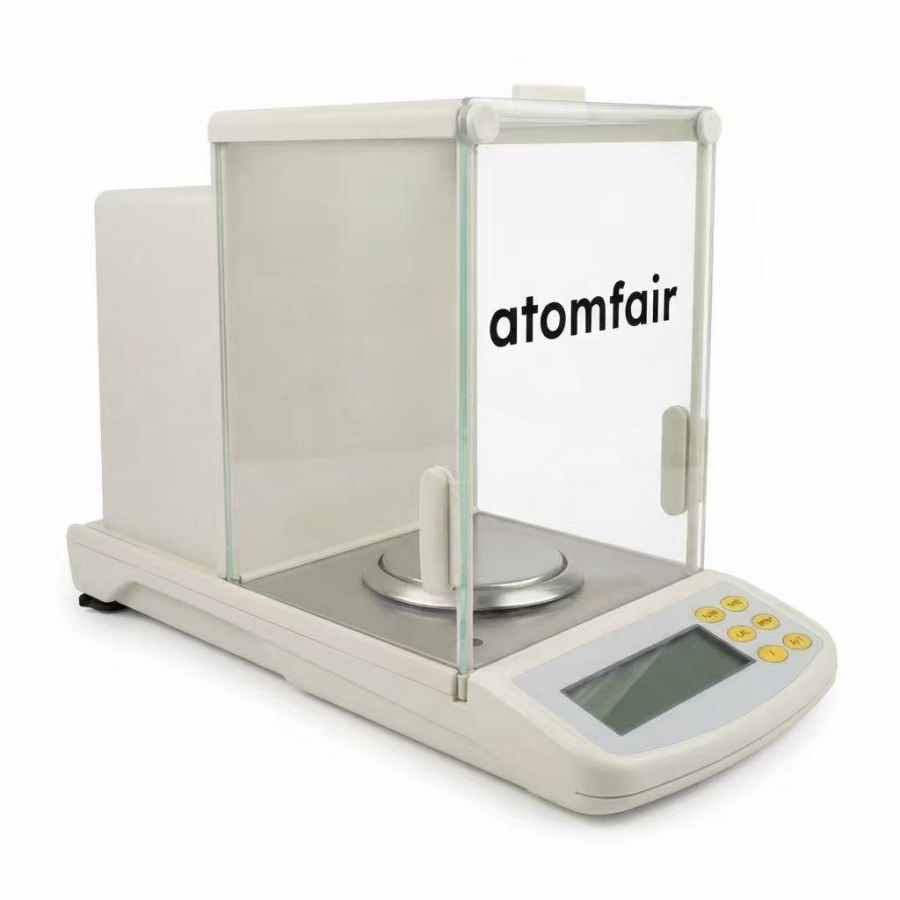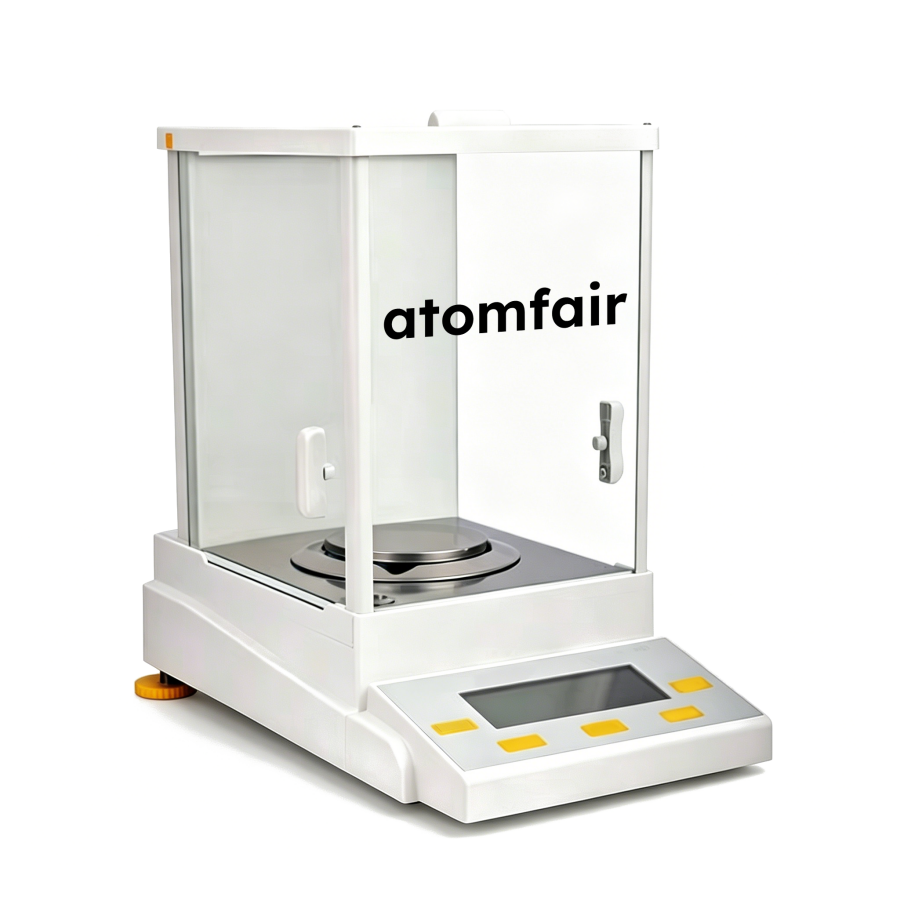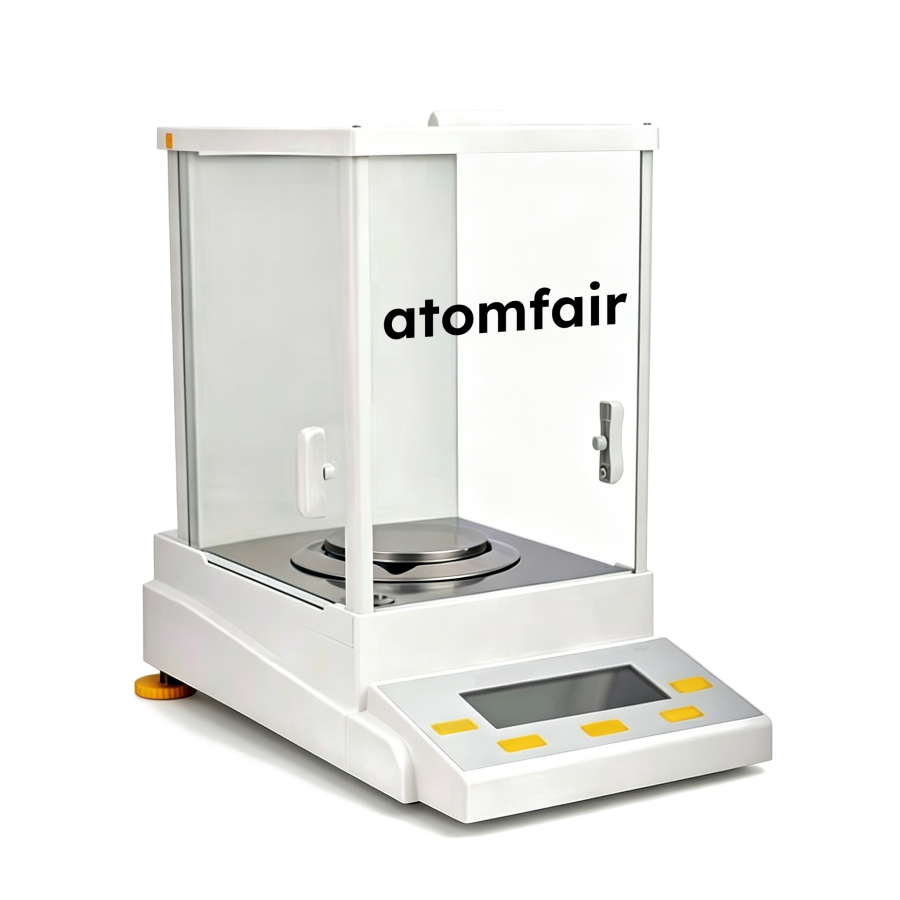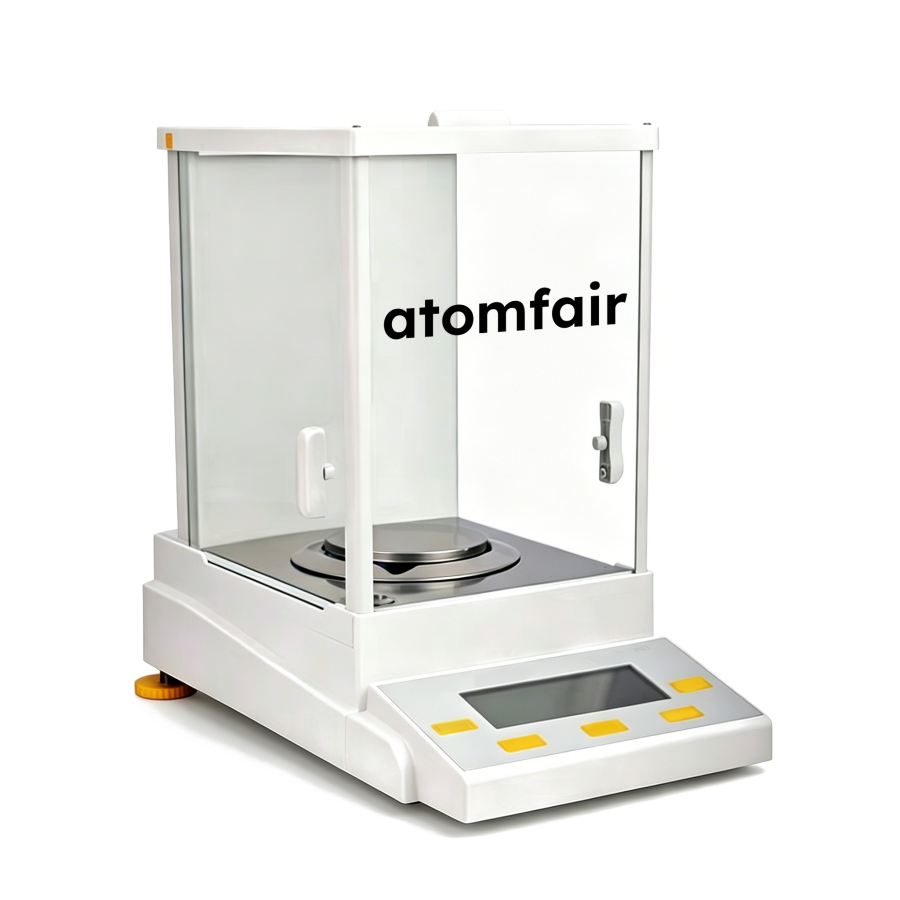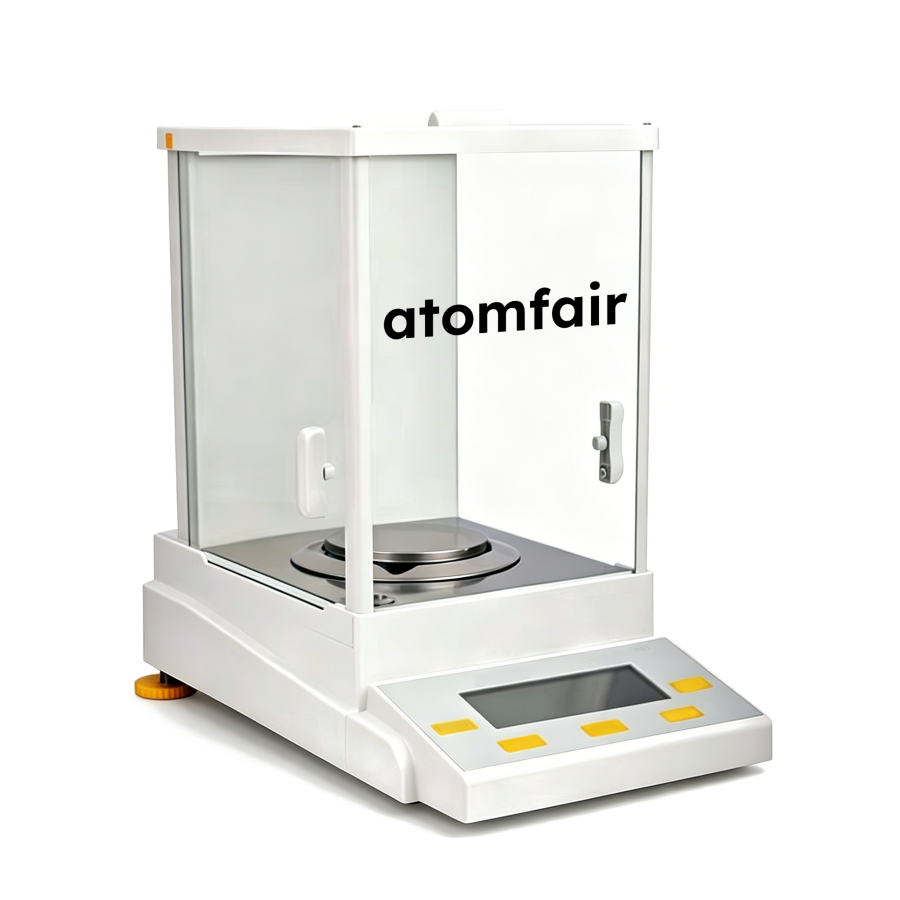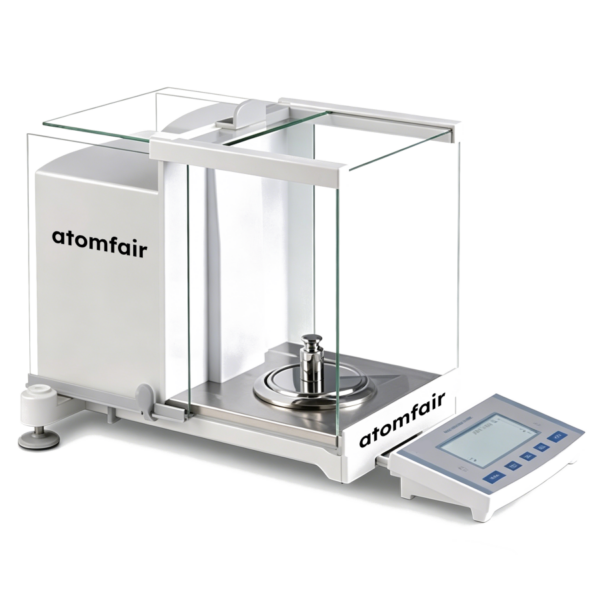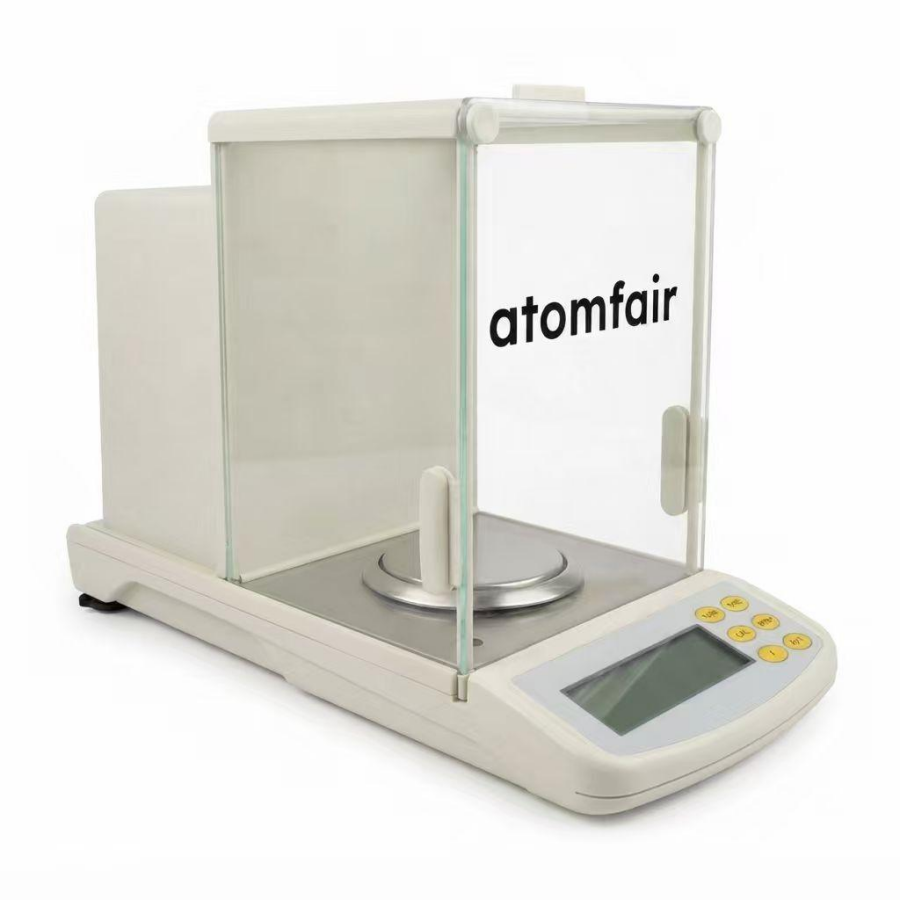
ATOMFAIR® EB210G-0.1MG-R-01 DUAL-RANGE ELECTROMAGNETIC ANALYTICAL BALANCEEXTERNAL CALIBRATION
|
||||||||||||||||||||||||||||||||||||||||||||||||||||||||||||||||||||||||||||||||||||||
|
||||||||||||||||||||||||||||||||||||||||||||||||||||||||||||||||||||||||||||||||||||||
|
TAILORED SOLUTIONS FOR RESEARCH
Contact our engineering team for technical support or official institutional quotations.
EMAIL: inquiry@atomfair.com
|
||||||||||||||||||||||||||||||||||||||||||||||||||||||||||||||||||||||||||||||||||||||
|
Manufacturer: Atomfair LLC
Brand: ATOMFAIR®
|
||||||||||||||||||||||||||||||||||||||||||||||||||||||||||||||||||||||||||||||||||||||
The balance requires a 30-minute pre-heating phase to stabilize the electromagnetic force compensation sensor before calibration. For semi-micro weighing at 0.01 mg readability, the three-door glass draft shield must be fully sealed to prevent air current interference.
- Pre-heating requirement: Allow a 30-minute system pre-heating phase to let the electromagnetic core reach full equilibrium prior to initializing calibration sequences.
- Draft shield sealing: Ensure the three-door draft shield housing is entirely sealed during hundred-thousandth semi-micro weighing verification routines.
- External calibration requirement: The balance uses manual external calibration protocols to guarantee user-verified linearity points.
- Temperature compensation: The balance incorporates structural temperature compensation matrices to maintain accuracy across ambient temperature fluctuations.
- Overload protection: Integrated overload and underload acoustic warnings protect the sensor from damage during operation.
What are the effective readability and repeatability specifications at each capacity range on the EB210G-0.1MG-R-01 dual-range analytical balance?
At the 210 g maximum capacity range, readability is 0.1 mg with repeatability of ±0.6 mg and linearity of ±0.6 mg. At the 82 g maximum capacity range, readability improves to 0.01 mg with repeatability of ±0.06 mg and linearity of ±0.06 mg, as specified in the dual-range matrix.
Does the EB210G-0.1MG-R-01 use internal or external calibration, and how does that affect verification workflows?
The EB210G-0.1MG-R-01 employs an external calibration framework (FB series), requiring manual external calibration protocols rather than the fully automated internal calibration found in the FA series. This design guarantees user-verified linearity points but demands operator intervention for calibration routines.
What warm-up time and environmental precautions are required before performing 0.01 mg semi-micro weighing on the EB210G-0.1MG-R-01?
For 0.01 mg readability measurements, the three-door glass draft shield must be entirely sealed to isolate the chamber, and a 30-minute system pre-heating phase is required to allow the electromagnetic force compensation sensor to reach full thermal equilibrium before initiating calibration sequences.
The EB210G-0.1MG-R-01 dual-range analytical balance offers 210 g / 82 g capacity with 0.1 mg / 0.01 mg readability via a rear-mounted electromagnetic force compensation sensor, housed in a volumetric glass draft shield with RS232 connectivity and multi-unit conversion, but requires 30-minute pre-heating and sealed draft shield for 0.01 mg precision and relies on manual external calibration.
Positive
- Dual-range precision capability: The dual-range matrix (210 g / 82 g max capacity with 0.1 mg / 0.01 mg readability) allows the user to choose between higher capacity and finer resolution within a single instrument, optimizing for different sample masses without needing a second balance.
- Volumetric draft shield and multi-function modes: The large three-door glass draft shield isolates the weighing chamber from air currents for stable readings, while built-in piece counting, percentage weighing, and multi-unit conversion support diverse laboratory workflows without external software.
Trade-offs
- External calibration manual workflow: This FB-series variant uses manual external calibration protocols (rather than automated internal calibration), requiring the operator to apply known weights and verify linearity points, which adds hands-on time and potential for user error during routine calibration.
- Pre-heating and sealing required for ultra-fine readability: To achieve 0.01 mg readability, the instrument must be pre-heated for 30 minutes to stabilize the electromagnetic core and the draft shield must be fully sealed, adding setup time and environmental care that may not be necessary for less demanding measurements.
Every advanced material, component, equipment, and instrument in our catalog is backed by rigorous testing. We maintain strict internal quality management frameworks and align with CE conformity metrics to deliver transparent, reproducible performance data via our public open-science repository.
To request raw batch performance data, submit formal vendor registration paperwork, or execute a fast-turnaround R&D manufacturing loop, contact us at inquiry@atomfair.com.
Item is dispatched under the Atomfair Shipping & Delivery Framework (Free worldwide shipping on orders over $59 USD excl. heavy equipment). Return is governed by the Atomfair Return & Refund Policy (7-day technical return window).