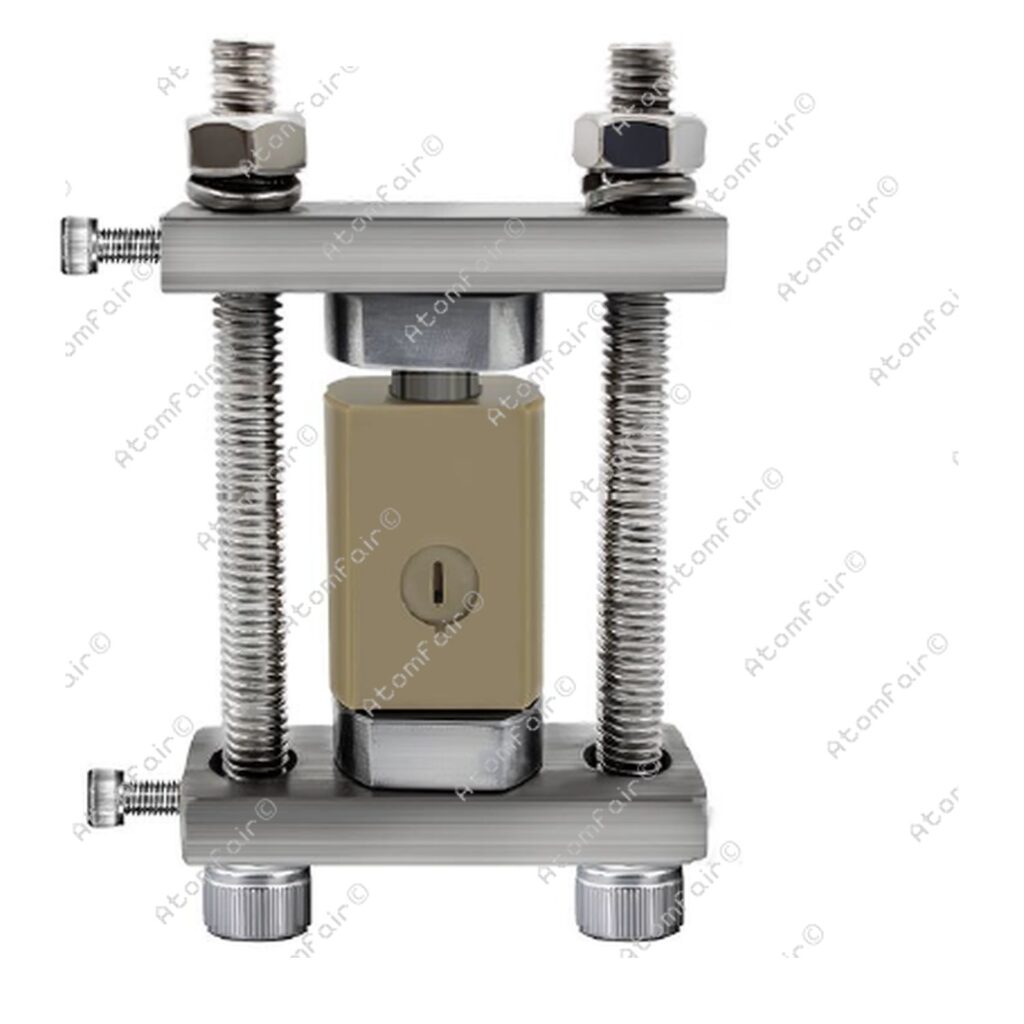
Battery Test Equipment & Instruments
Find battery charge-discharge testers, coin cell testers, OCV testers, internal resistance meters, automatic battery sorting machines, low-temperature test chambers, and supporting lab instruments for thickness, weight, and conductivity measurement.
These instruments support capacity testing, cycle-life testing, voltage checking, resistance screening, cell grading, sample preparation, and basic verification for coin cells, cylindrical cells, pouch cells, prismatic cells, and laboratory battery samples.
Show More
Main Product Types
| Product Type | What It Tests | Common Use |
|---|---|---|
| Multi-Channel Battery Testers | Coin cells, small single cells, laboratory battery samples | Charge-discharge testing, cycle-life testing, capacity testing |
| Coin Cell Testers | CR-type coin cells and research coin cells | Material research, formulation comparison, cycling tests |
| OCV Test Equipment | Cylindrical, pouch, prismatic, and other cells | Open-circuit voltage checking, quick screening, quality control |
| Battery Internal Resistance Meters | Single cells, secondary batteries, finished cells | Resistance testing, battery condition checks, consistency screening |
| Automatic Battery Sorting Machines | Batch cell samples | Sorting cells by voltage, resistance, capacity, or grade |
| Low-Temperature Test Chambers | Battery samples and material samples | Low-temperature storage, cold exposure, environmental verification |
| Thickness Gauges & Balances | Electrodes, battery samples, powders, and small specimens | Thickness measurement, weighing, sample preparation |
| Conductivity Meters | Electrolytes, solutions, and laboratory liquid samples | Conductivity checking and liquid parameter verification |
Selection Guide
For coin cell research, choose a multi-channel tester with a suitable 0-5V range and confirm that the current range matches your test protocol.
For parallel testing, 8-channel or higher-channel equipment helps compare multiple samples under the same conditions.
For fast cell condition checks, select an OCV tester or internal resistance meter. For larger sample quantities, an automatic sorting machine can improve screening efficiency.
For low-temperature verification, use a low-temperature chamber together with suitable fixtures, wiring, and safety procedures.
Common Applications
| Application | Recommended Equipment |
|---|---|
| Coin Cell Material Research | Coin cell tester, multi-channel battery tester, analytical balance, thickness gauge |
| Capacity & Cycle Testing | Multi-channel battery tester or battery test cabinet |
| Incoming Cell Inspection | OCV tester, internal resistance meter, automatic sorting machine |
| Batch Cell Grading | Automatic battery sorting machine, OCV test equipment, internal resistance test equipment |
| Low-Temperature Verification | Low-temperature test chamber and battery test equipment |
| Basic Sample Measurement | Analytical balance, precision scale, thickness gauge, conductivity meter |
Before You Buy
| Battery Format | Confirm whether you are testing coin cells, cylindrical cells, pouch cells, prismatic cells, or custom samples. |
| Voltage & Current Range | Check that the tester covers your required voltage window and charge-discharge current. |
| Channel Quantity | Choose enough channels for your sample count and parallel test plan. |
| Screening Needs | For sorting or grading, confirm OCV, resistance, capacity, and data-recording requirements. |
| Fixtures & Cables | Confirm whether holders, clamps, probes, adapters, and test leads are included or need to be ordered separately. |
FAQ
Which tester should I choose for coin cell experiments?
Choose a coin cell tester or a multi-channel battery tester with suitable low-current control, 0-5V coverage, and compatible coin cell fixtures.
Is an 8-channel battery tester suitable for lab research?
Yes. An 8-channel tester is commonly used for comparing multiple samples, testing different material formulas, and running cycle-life experiments in parallel.
What is the difference between an OCV tester and an internal resistance meter?
An OCV tester measures open-circuit voltage, while an internal resistance meter measures battery resistance. They are often used together for quick cell screening and consistency checks.
What should I use for batch cell sorting?
For larger sample quantities, choose automatic OCV testing equipment, an internal resistance tester, or an automatic sorting machine to improve screening speed and consistency.
Can these instruments test cylindrical and pouch cells?
Some instruments can support cylindrical, pouch, and prismatic cells, but compatibility depends on cell size, voltage range, current range, and fixture type.
Can a low-temperature chamber be used with battery testing?
Yes, it can support cold exposure, low-temperature storage, and temperature-condition verification. Always confirm wiring, sample placement, temperature range, and safety requirements before testing.
Why are balances and thickness gauges included here?
Battery testing often requires sample weighing, electrode thickness measurement, and basic parameter checks before or after testing, so these instruments are useful supporting tools.
What details should I confirm before ordering?
Confirm battery type, voltage range, current range, channel quantity, data-recording needs, sorting requirements, and whether fixtures, cables, or adapters are included.
Showing 17–17 of 17 results