
Electrolyte Additives
Electrolyte additives are used in lithium-ion batteries and related battery research systems to tune overall electrolyte performance. They can help form stronger SEI and CEI interphases, improve high-voltage tolerance, enhance flame resistance, and support low-temperature performance, cycle life, and fast-charging behavior.
If you are screening electrolyte formulations, comparing systems, or carrying out R&D testing, this category provides a practical starting point for raw material selection. Products can be filtered by chemical family, purity, physical form, and packaging size.
This category includes both single-function additives and broader electrolyte modifiers such as film-forming aids, fluorinated phosphate esters, phosphazene-based safety modifiers, nitrile co-solvents, and related electrolyte auxiliaries. Because each material serves a different role, it is best to start with your target function, then compare purity, specification, and handling conditions on the product detail page.
Show More
What this page helps you compare
| Focus | What you can identify here |
|---|---|
| Target performance | Which materials are more suitable for film formation, high-voltage stability, flame resistance, low-temperature performance, or fast charging |
| Chemical family | Which category each product belongs to, and what role it typically plays in the electrolyte |
| Use scenario | Whether the material is better suited to formulation screening, system comparison, or development testing |
| Specification selection | How to compare purity, physical form, and packaging size before deciding on a product |
| Functional overlap | Which products are functionally similar, and which ones serve different formulation purposes |
Common functional directions
| Function | Typical material types | Best for |
|---|---|---|
| Film formation and interphase stability | FEC, VC, 1,3-Propanesultone, DTD, LiDODFP | SEI and CEI formation, cycle-life improvement, and interfacial stabilization |
| High-voltage electrolyte systems | Fluorinated phosphate esters, HTCN-type materials, related high-voltage modifiers | Oxidative stability and high-voltage cathode compatibility |
| Flame resistance and safety improvement | TMP, TDFEP, TFEP, TTFEOM, phosphazene-based additives | Thermal stability, flame retardancy, and safety-oriented formulations |
| Low-temperature and transport optimization | Nitrile co-solvents and related electrolyte modifiers | Low-temperature ionic transport and electrolyte mobility tuning |
| Polymer and solid-state related research | Succinonitrile, Adiponitrile, and similar auxiliaries | Gel, polymer, and solid-state electrolyte studies |
How to choose the right additive
1. Start with the function, not just the product name
Two materials may both be listed as electrolyte additives, but they can play very different roles. Some are mainly used for film formation, some are more useful for flame resistance, and others are designed for high-voltage stability. Defining the target function first usually makes selection faster and more accurate.
2. Check system compatibility
Different electrolyte families respond differently to the same additive. Carbonate systems, fluorinated systems, high-voltage systems, polymer systems, and research formulations all have different compatibility requirements. The best choice depends on the full formulation path, not on chemistry alone.
3. Compare specification details before ordering
When you are ready to purchase, it usually makes sense to compare purity, moisture control, physical form, packaging size, and whether the product is intended for research screening or larger-scale testing.
Representative product directions
Film-forming additives
These materials are commonly used to support the formation of a more stable interphase on the electrode surface. They are often considered when the goal is to improve cycle life, first-cycle efficiency, and interfacial stability. Representative examples include FEC, VC, 1,3-Propanesultone, DTD, and LiDODFP.
High-voltage and interphase-stability materials
These products are more relevant to high-voltage systems, where the key concerns are oxidative stability and suppressing side reactions at the cathode interface. Representative directions include fluorinated phosphate esters, HTCN-type materials, and related stability modifiers.
Flame-retardant and safety modifiers
These materials are usually selected when thermal stability and reduced flammability are important. Common directions include phosphate esters, phosphazene-based additives, and fluorinated safety modifiers.
Nitrile co-solvents and auxiliary modifiers
These materials are often used for formulation tuning, low-temperature performance improvement, and special system studies. They are also common in polymer electrolyte and gel-type research. Representative examples include Adiponitrile and Succinonitrile.
Practical buying tips
| Need | What to prioritize |
|---|---|
| Interphase formation | Film-forming additives with proven SEI and CEI support |
| High-voltage cathodes | Oxidative stability and fluorinated modification chemistry |
| Safety and thermal performance | Flame-retardant or thermally robust additive families |
| Low-temperature performance | Nitrile-based co-solvents and auxiliary modifiers |
| Research screening | Start with chemical family, then compare purity and packaging format |
Who this category is for
| User type | Main concern |
|---|---|
| Battery R&D teams | Film formation, interphase stability, and high-voltage behavior |
| Electrolyte formulators | Chemical family, compatibility, and functional overlap |
| Research labs | Purity, consistency, and experimental fit |
| Procurement teams | Packaging, supply form, and use-case matching |
| Process validation teams | Stability, repeatability, and formulation compatibility |
FAQ
What is the difference between an additive and a solvent here?
Electrolyte additives are usually used at lower levels and are selected for a specific function, while solvents are typically major electrolyte components that provide the primary dissolution and transport environment.
Which products are most relevant for SEI and CEI optimization?
FEC, VC, 1,3-Propanesultone, DTD, and LiDODFP are commonly considered starting points for interphase formation and stabilization.
Which products are better for high-voltage systems?
Fluorinated phosphate esters, HTCN-type materials, and related high-voltage modifiers are usually more relevant when oxidative stability is a key concern.
Which products are better suited to safety-focused formulations?
Phosphate esters, phosphazene-based additives, and certain fluorinated modifiers are commonly used when flame resistance and thermal stability matter more.
Why do some products appear more than once?
Some listings may represent different purity grades, packaging sizes, or naming formats for the same chemical, so they are best treated as specification variants.
Can this category support polymer or solid-state research?
Yes, some materials can be used in gel, polymer, or solid-state electrolyte studies, especially nitrile-based auxiliaries and related modifiers, but suitability depends on the full system design.
Showing 17–19 of 19 results
-
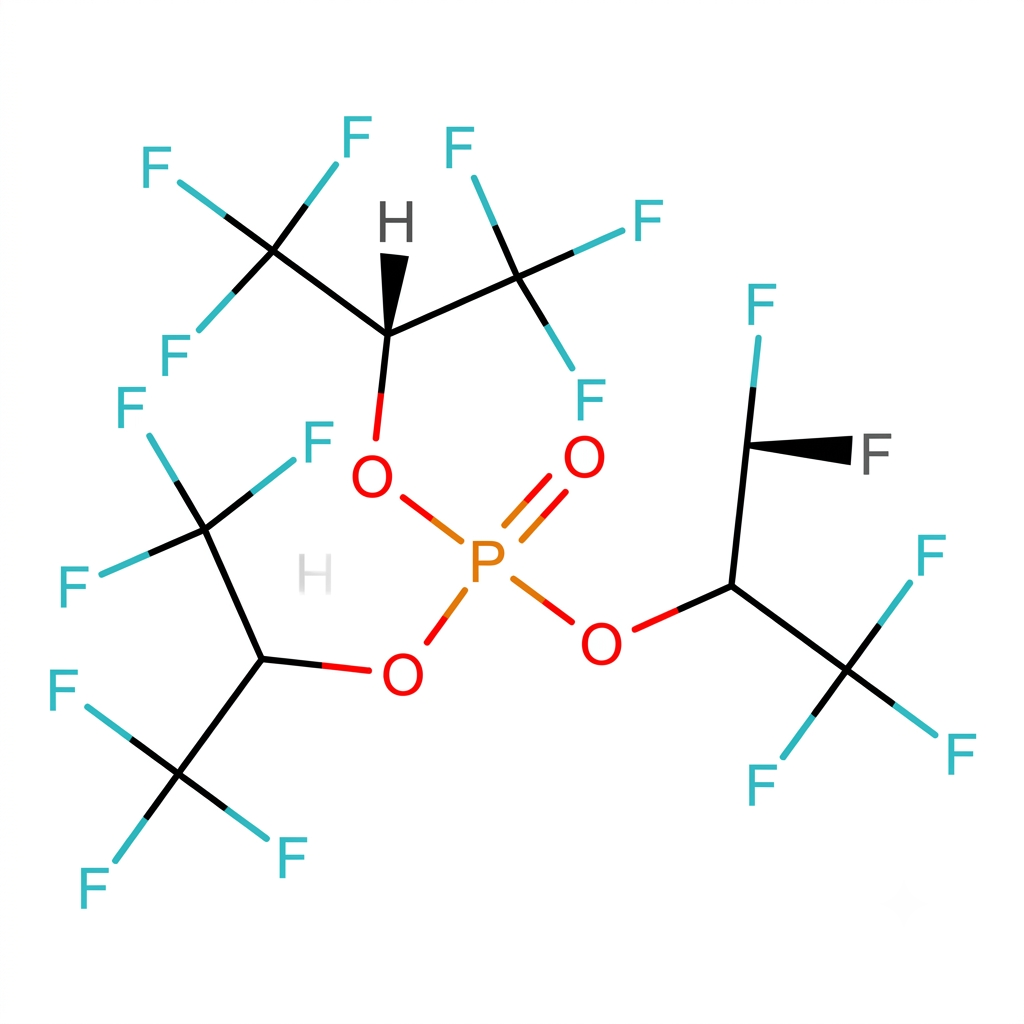
Tris(hexafluoroisopropyl) Phosphate 99% Battery
$1,499.00 -
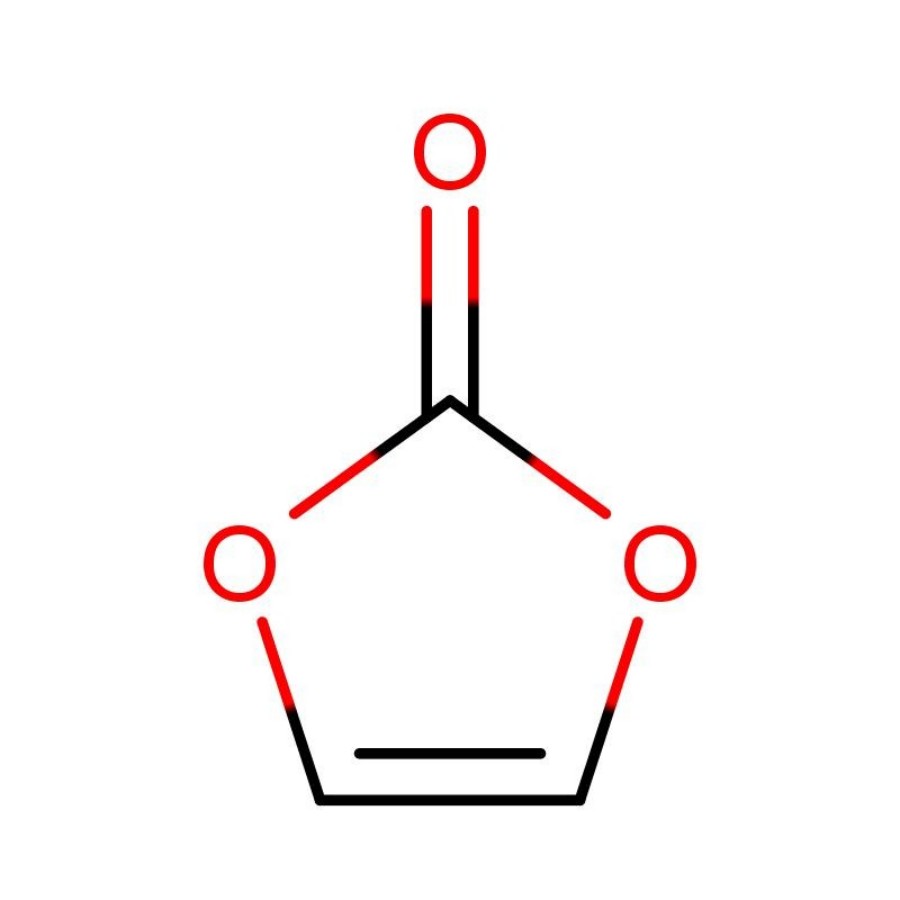
Vinylene Carbonate (VC) Battery Grade 50g ATOMFAIR®
$199.95 -
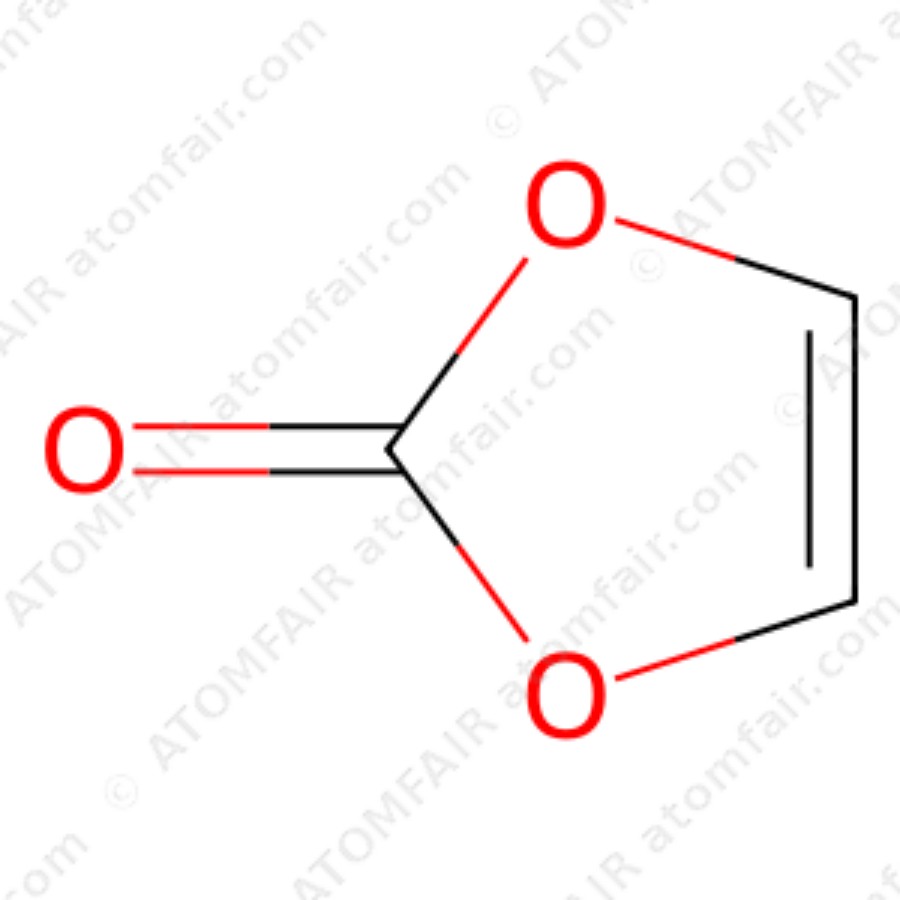
Vinylene Carbonate 99.95% Battery Grade VC ATOMFAIR®
Price range: $270.00 through $360.00