
Advanced Materials
Advanced Materials brings together functional, structural, and process materials for research, engineering development, and advanced manufacturing. The range supports applications across electronics and semiconductors, energy storage, optics and photonics, aerospace, additive manufacturing, thermal management, catalysis, sensing, and next-generation material development.
The category covers advanced ceramics and inorganic materials, advanced metals and alloys, deposition and thin-film materials, engineering polymers and composites, foams and porous materials, nanomaterials and framework materials, additive manufacturing materials, and powder metallurgy and surface-engineering materials.
Products may be supplied in forms such as powders, particles, blocks, evaporation sources, sputtering targets, wires, rods, foils, sheets, films, foams, fiber felts, dispersions, and other application-ready formats. Select materials by considering the intended application, processing route, composition, purity, physical form, particle size or dimensions, performance requirements, and compatibility with downstream equipment.
Show More
Browse by Material Family
| Material Family | Coverage | Key Selection Factors |
|---|---|---|
| Advanced Ceramics & Inorganic Materials | High-purity oxides, doped and stabilized oxides, carbides, nitrides, borides, silicides, chalcogenides, halides, phosphides, and specialty inorganic compounds | Composition, purity, crystal phase, particle size, thermal stability, dielectric or electrical behavior, corrosion resistance |
| Advanced Metals & Alloys | Pure metals, high-purity metals, refractory metals, rare earth metals, precious metals, alloys, bonding wires, metal wires and rods, foils and sheets | Elemental or alloy composition, purity, dimensions, ductility, electrical and thermal conductivity, temperature resistance, processing method |
| Deposition & Thin-Film Materials | Pure metal, alloy, oxide, nitride, carbide, chalcogenide, halide, phosphide, antimonide, specialty compound evaporation materials, and sputtering targets | Deposition method, source form, composition stability, film function, substrate compatibility |
| Engineering Polymers & Composites | Engineering polymers, polymer composites, ceramic composites, metal matrix composites, carbon-based composites, metal-polymer laminates, and foil tapes | Temperature resistance, insulation or conductivity, mechanical strength, flexibility, dielectric properties, forming method |
| Foams & Porous Materials | Aluminum foams, copper foams, nickel and nickel-alloy foams, specialty metal foams, porous ceramics, porous carbon, titanium foams, sintered porous metals, and metal fiber felts | Pore structure, thickness, density, surface area, conductivity, fluid permeability, mechanical support |
| Nanomaterials, Carbon & Framework Materials | Carbon nanotubes, graphene powders, fullerenes, mesoporous carbon, graphene-like materials, MXene, MAX phase, MAB phase, inorganic nanomaterials, one-dimensional nanomaterials, porous nanomaterials, quantum dots, and framework materials | Nanoscale dimensions, morphology, dispersion, surface chemistry, surface area, electrical, optical, or catalytic function |
| Additive Manufacturing Materials | Metal powders, ceramic powders, polymer powders, and composite powders for 3D printing | Printing process, particle-size distribution, powder morphology, flowability, bulk density, sintering or post-processing requirements |
| Powder Metallurgy & Surface Engineering Materials | HIP and hot isostatic pressing powders, metal injection molding feedstocks, and thermal spray powders | Powder system, particle size, densification requirements, coating function, wear, corrosion, or thermal-barrier performance |
Choose by Application and Process
| Project Requirement | Material Directions | Parameters to Check |
|---|---|---|
| Functional ceramics, electronic ceramics, or inorganic synthesis | High-purity oxides, doped oxides, carbides, nitrides, borides, silicides, and specialty inorganic compounds | Purity, crystal phase, particle size, sintering temperature, target function |
| Conductive, thermal, structural, or high-temperature components | Pure metals, high-purity metals, refractory metals, alloys, and metal matrix composites | Composition, strength, temperature resistance, conductivity, dimensions |
| Thin films, functional coatings, or optoelectronic layers | Evaporation materials, sputtering targets, oxides, chalcogenides, halides, and specialty compounds | Deposition method, source form, film purpose, substrate and vacuum conditions |
| Flexible electronics, insulation, dielectric systems, or composite development | Engineering polymers, polymer composites, ceramic composites, and metal-polymer laminates | Thermal resistance, dielectric behavior, flexibility, thickness, bonding, forming method |
| Porous electrodes, filters, catalyst supports, or thermal structures | Metal foams, porous carbon, porous ceramics, sintered porous metals, and metal fiber felts | Pore size, porosity, thickness, conductivity, corrosion resistance, fluid compatibility |
| Nanoscience, optical, catalytic, or interfacial research | Carbon nanomaterials, two-dimensional materials, quantum dots, framework materials, and inorganic nanomaterials | Size, morphology, dispersion medium, surface properties, stability, test method |
| Metal, ceramic, or polymer 3D printing | Additive manufacturing powders and composite powders | Printing technology, particle-size distribution, morphology, flowability, post-processing |
| Wear, corrosion, or high-temperature surface protection | Thermal spray powders, HIP powders, and metal injection molding feedstocks | Substrate, service environment, coating function, particle size, heat treatment |
Key Selection Considerations
| Selection Dimension | Why It Matters |
|---|---|
| Chemical Composition | Determines fundamental properties, compatibility, and the direction of the final application. |
| Purity and Impurity Control | Especially important for electronics, optics, thin films, catalysis, and high-performance ceramics. |
| Material Form | Powders, targets, evaporation sources, foils, wires, foams, and films must match the processing method. |
| Size and Particle Distribution | Influences coating quality, sintering, printing, dispersion, deposition uniformity, and mechanical behavior. |
| Service Environment | Temperature, humidity, vacuum, corrosive media, mechanical load, and electrochemical conditions affect suitability. |
| Process Compatibility | Confirm compatibility with forming, heat treatment, deposition, cutting, bonding, coating, and assembly processes. |
Frequently Asked Questions
How do I choose the right Advanced Materials for my project?
Start with the main requirement, such as conductivity, insulation, heat resistance, wear resistance, lightweight construction, thin-film deposition, porous structure, or nanoscale functionality. Then match the material form to your process and confirm composition, purity, dimensions or particle size, and service environment.
How should I compare metals, ceramics, and composites?
Metals are commonly selected for conductivity, thermal transfer, ductility, and structural processing. Ceramics and inorganic materials are often selected for temperature resistance, corrosion resistance, dielectric behavior, optical properties, or specialized functionality. Composites are useful when strength, weight, insulation, conductivity, or thermal stability must be balanced.
Should I choose an evaporation material or a sputtering target for thin-film work?
The correct choice depends on your equipment and deposition route. Evaporation systems require a compatible source form, while sputtering systems require a target matched to the tool. Confirm the equipment type, substrate, target film composition, and post-deposition treatment before selecting.
Why is particle size important for powder materials?
Particle size affects flowability, mixing uniformity, sintering behavior, coating quality, and powder spreading during additive manufacturing. Different processes require different particle-size ranges and particle morphologies.
What are porous materials commonly used for?
Porous metals, carbon materials, and ceramics can be used for high-surface-area structures, fluid transport, filtration, thermal management, catalyst supports, electrode frameworks, and lightweight designs. Key factors include pore structure, thickness, conductivity, mechanical strength, and compatibility with the working medium.
Can nanomaterials be used directly in a formulation or dispersion?
Nanomaterial use depends on particle size, surface chemistry, dispersion medium, viscosity, agglomeration risk, and compatibility with the matrix. For coatings, slurries, composites, or other formulated systems, confirm the required dispersion method and downstream processing conditions.
Is a higher-purity material always the best choice?
Not always. High purity is critical for many electronic, optical, thin-film, analytical, and functional-material applications, while structural, coating, and engineering uses may depend equally on composition, form, and processing performance. Select according to the actual performance target.
How can I check whether a material is suitable for high-temperature, vacuum, or corrosive conditions?
Evaluate thermal stability, vapor pressure, oxidation sensitivity, chemical stability, and compatibility with the surrounding media. Also consider the maximum operating temperature, atmosphere, pressure, and service duration for your application.
Showing 177–192 of 3508 results
-
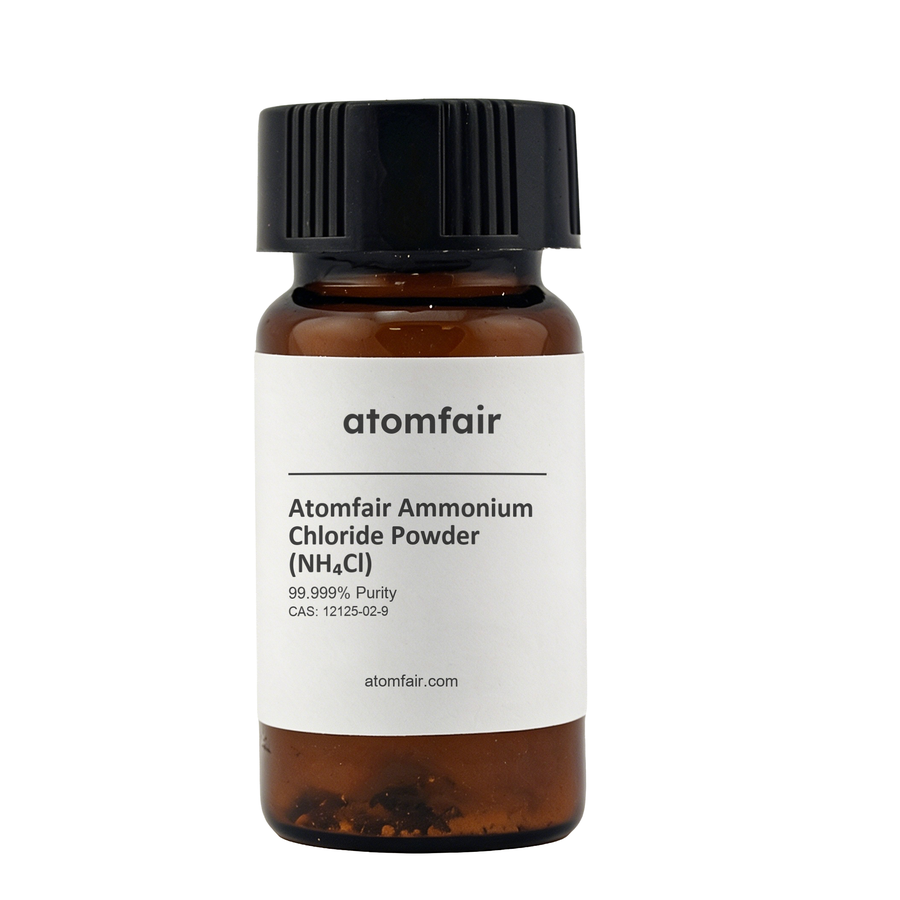
Ammonium Chloride Powder NH₄Cl 99.999% Pure ATOMFAIR®
Price range: $369.00 through $1,109.00 -
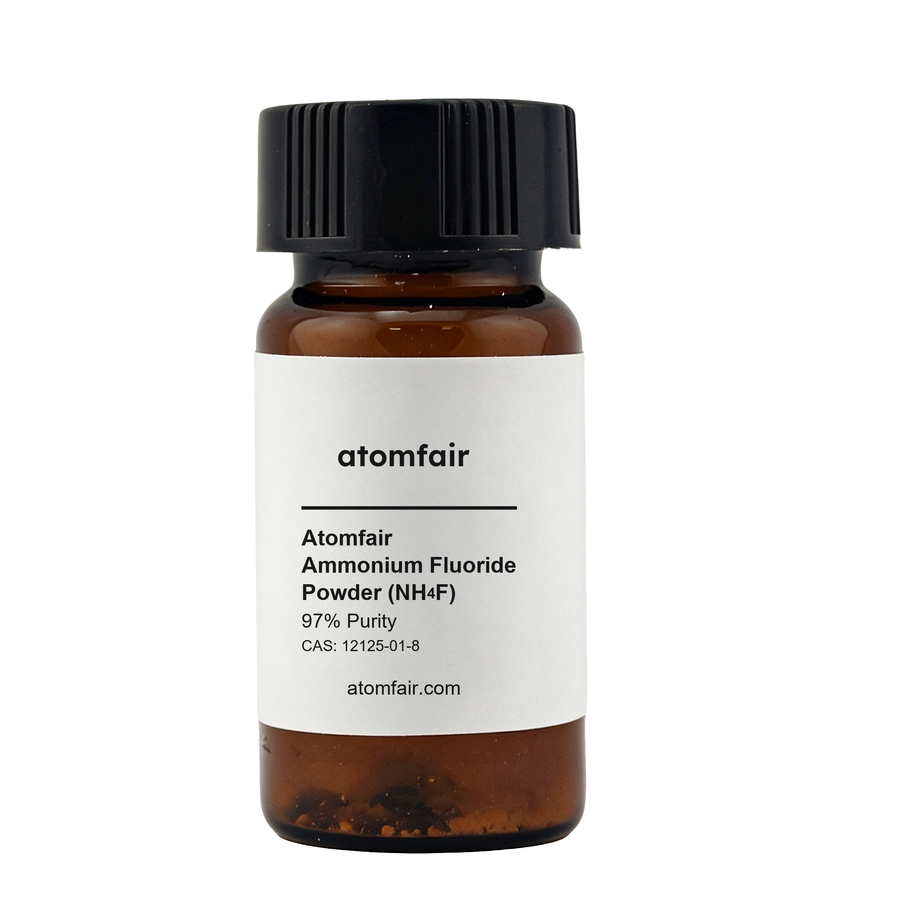
Ammonium Fluoride Powder NH4F 97% Research ATOMFAIR®
Price range: $179.00 through $579.00 -
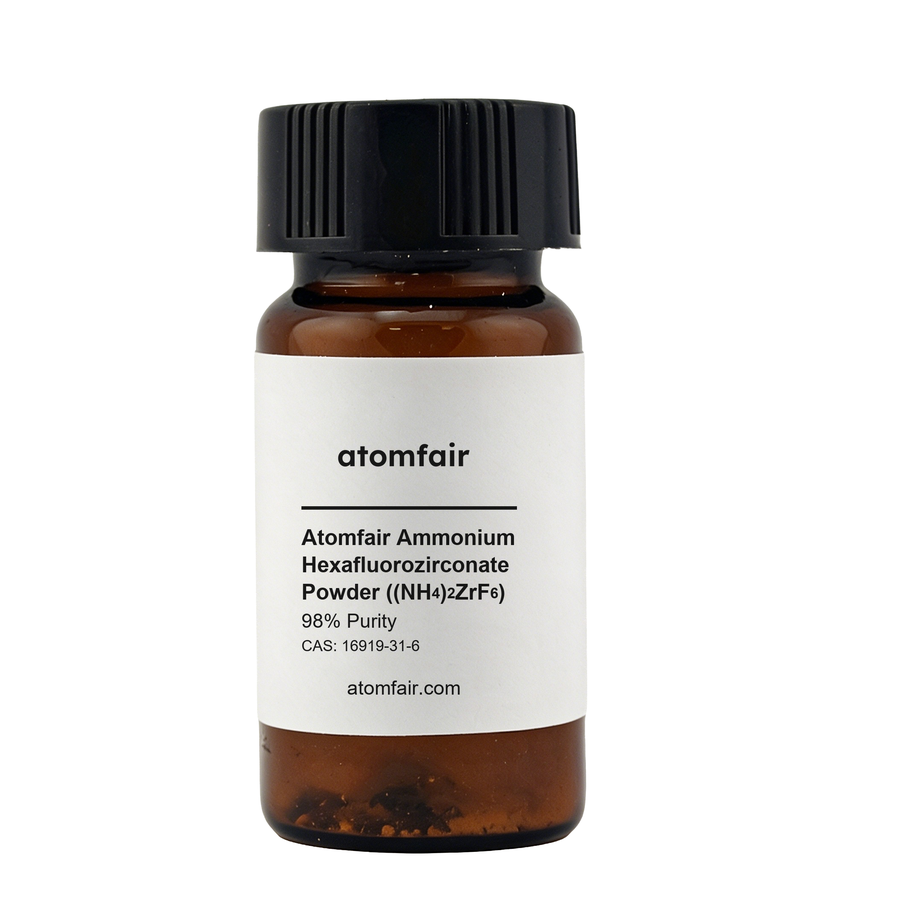
Ammonium Hexafluorozirconate 98% Min Powder ATOMFAIR®
Price range: $139.00 through $359.00 -
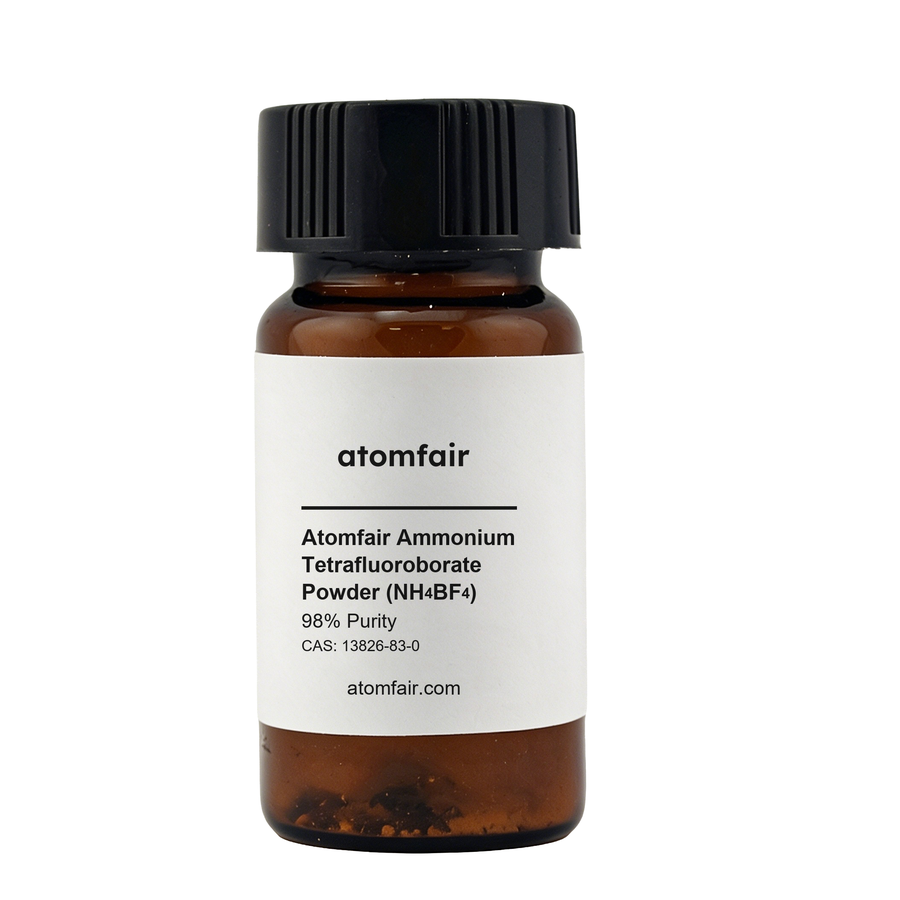
Ammonium Tetrafluoroborate NH4BF4 98% Powder ATOMFAIR®
Price range: $179.00 through $599.00 -
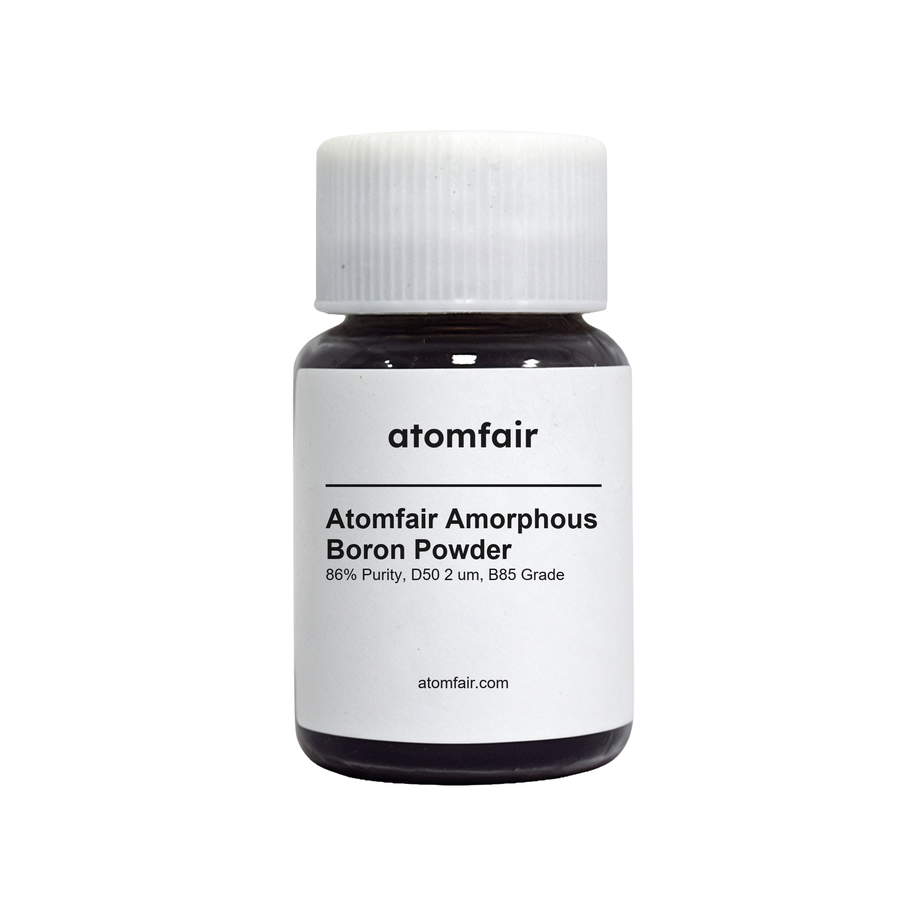
Amorphous Boron (B) Powder, 86% Purity, D50 2 μm
Price range: $219.00 through $849.00 -
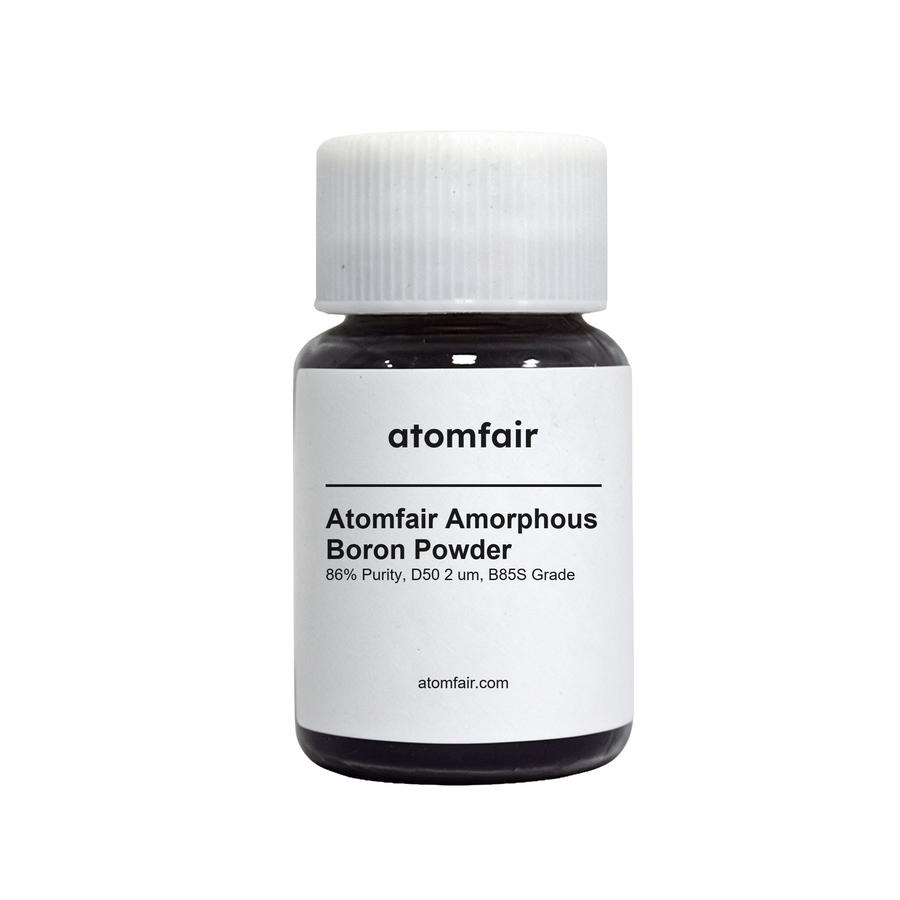
Amorphous Boron (B) Powder, 86% Purity, D50 2 μm
Price range: $219.00 through $849.00 -
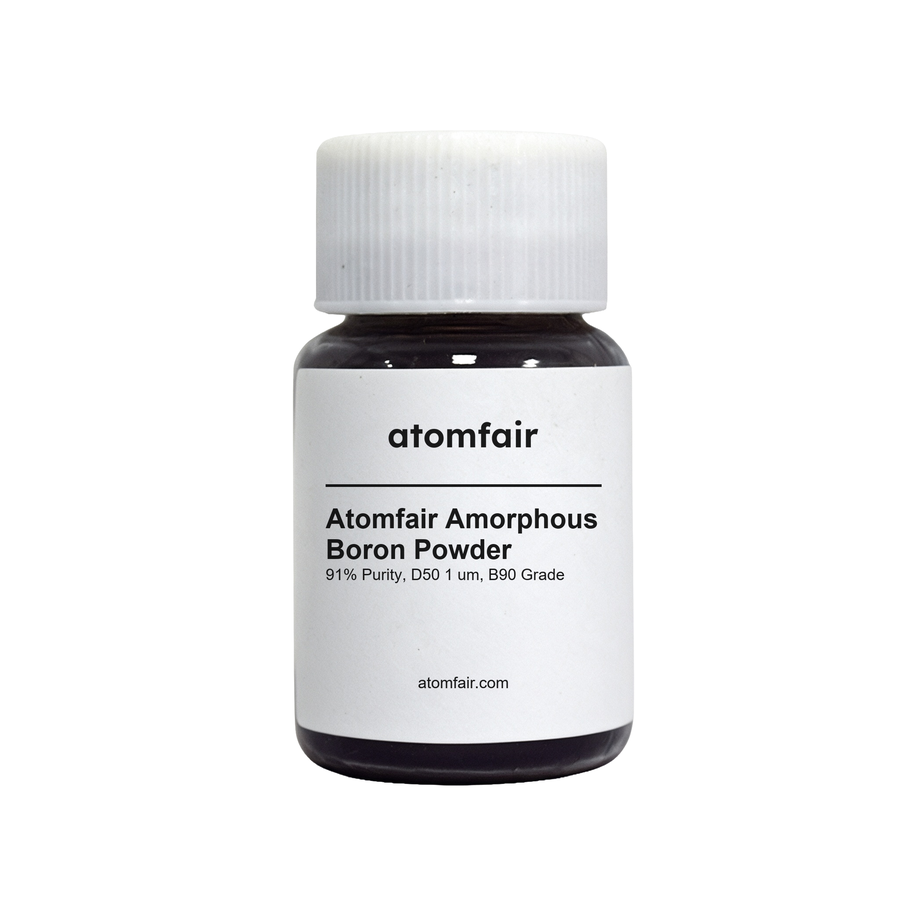
Amorphous Boron (B) Powder, 91% Purity, D50 1 μm
Price range: $249.00 through $999.00 -
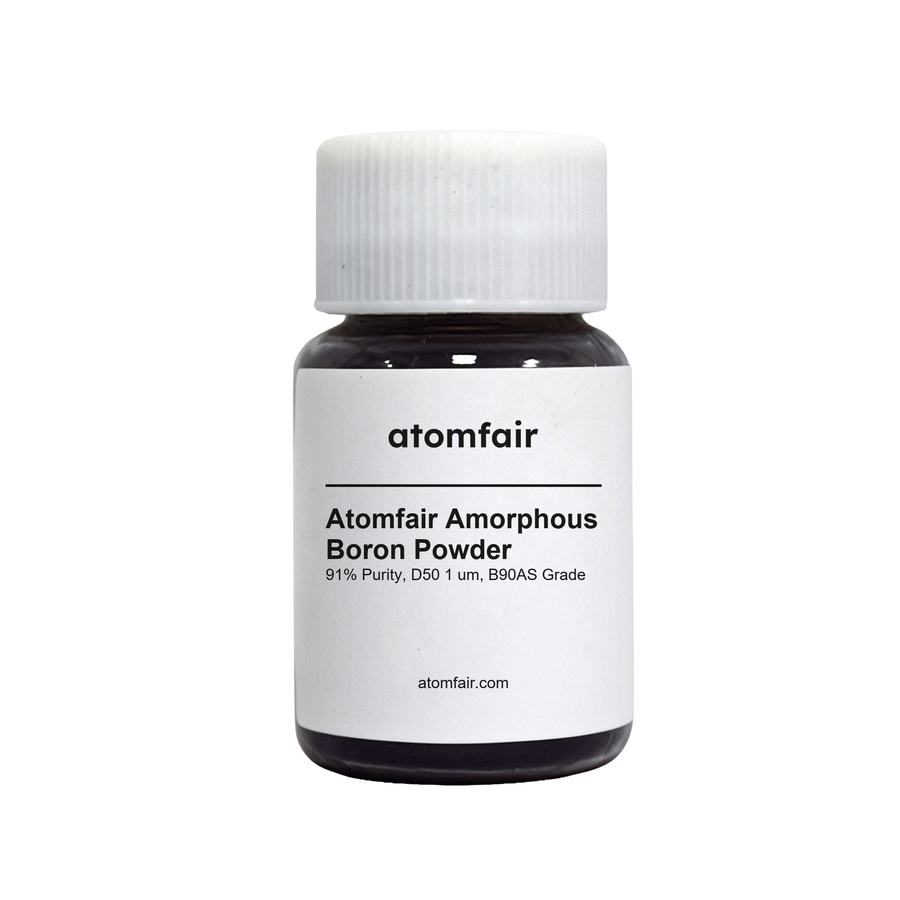
Amorphous Boron (B) Powder, 91% Purity, D50 1 μm
Price range: $249.00 through $999.00 -
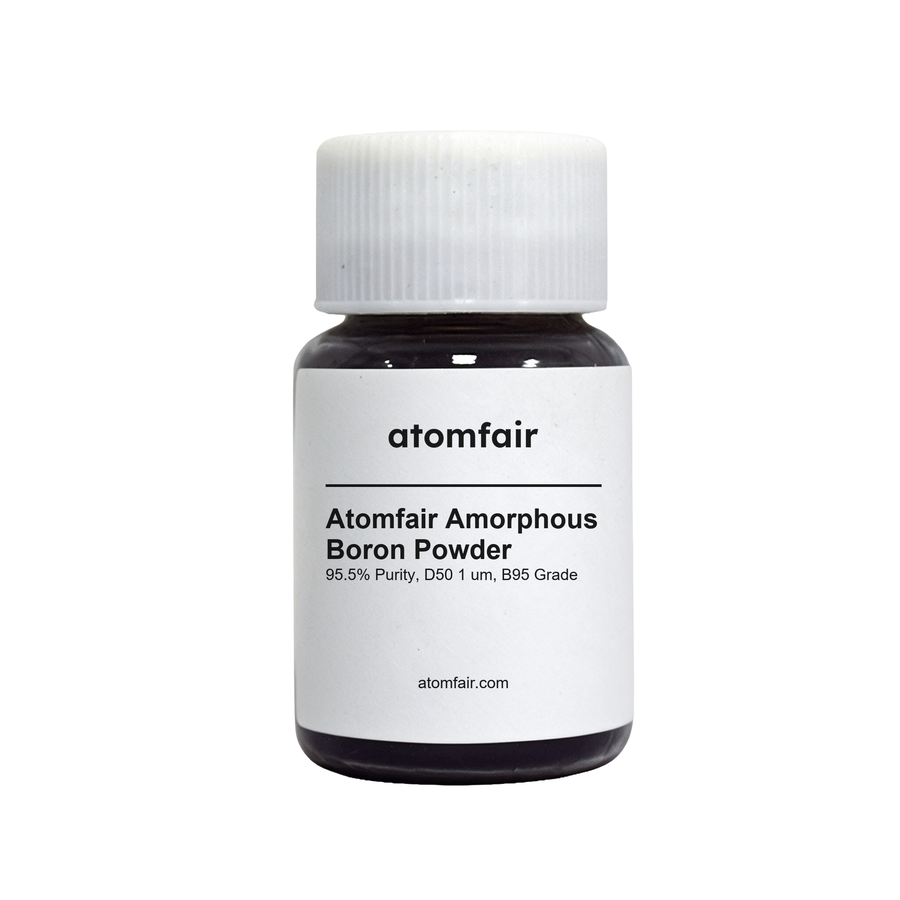
Amorphous Boron (B) Powder, 95.5% Purity, D50 1 μm
Price range: $299.00 through $1,199.00 -
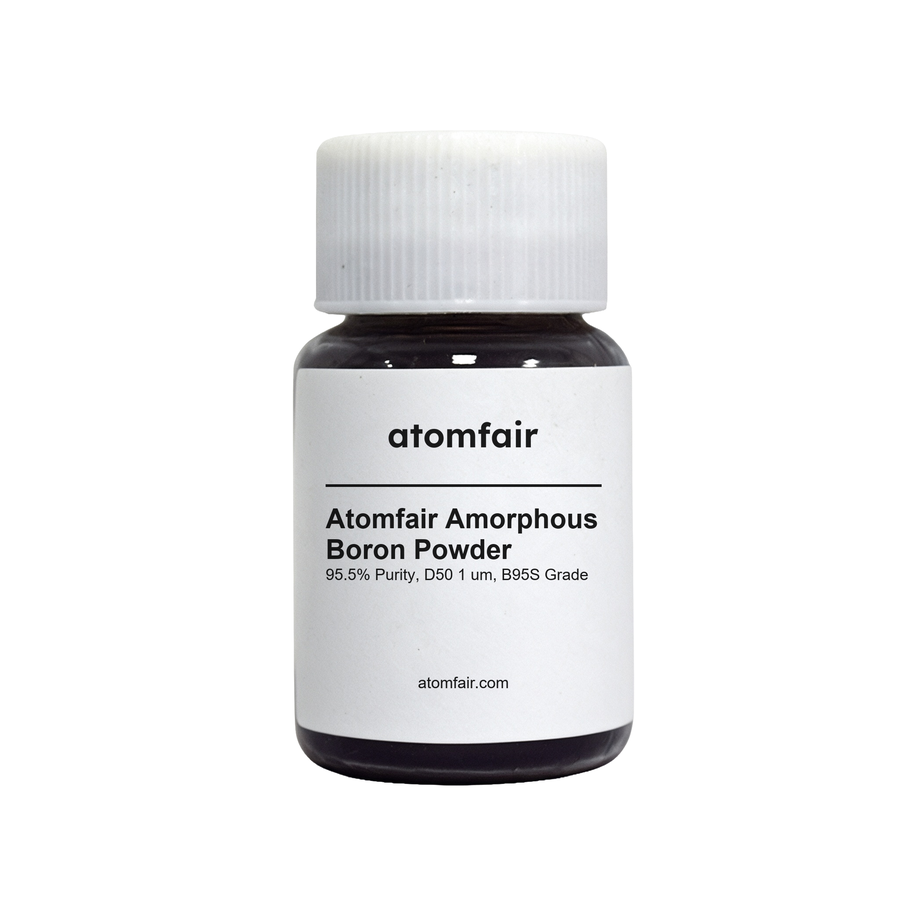
Amorphous Boron (B) Powder, 95.5% Purity, D50 1 μm
Price range: $299.00 through $1,199.00 -
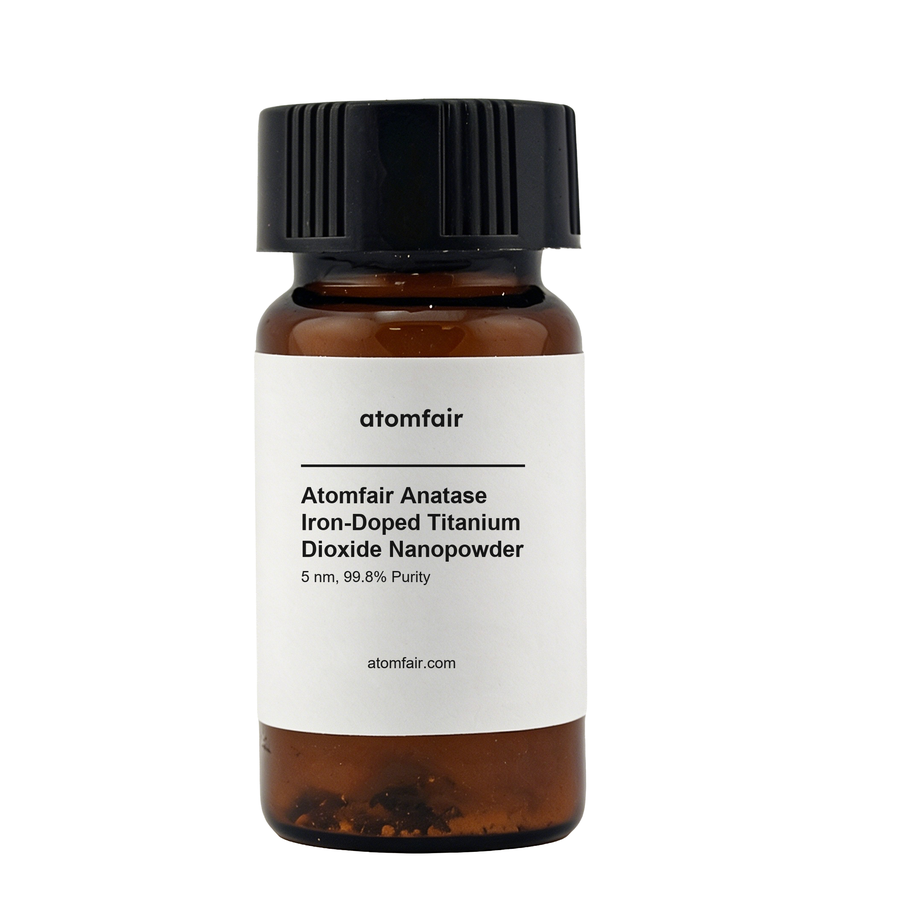
Anatase Fe-Doped TiO2 Nanopowder 5 nm 99.8% ATOMFAIR®
Price range: $299.00 through $1,699.00 -
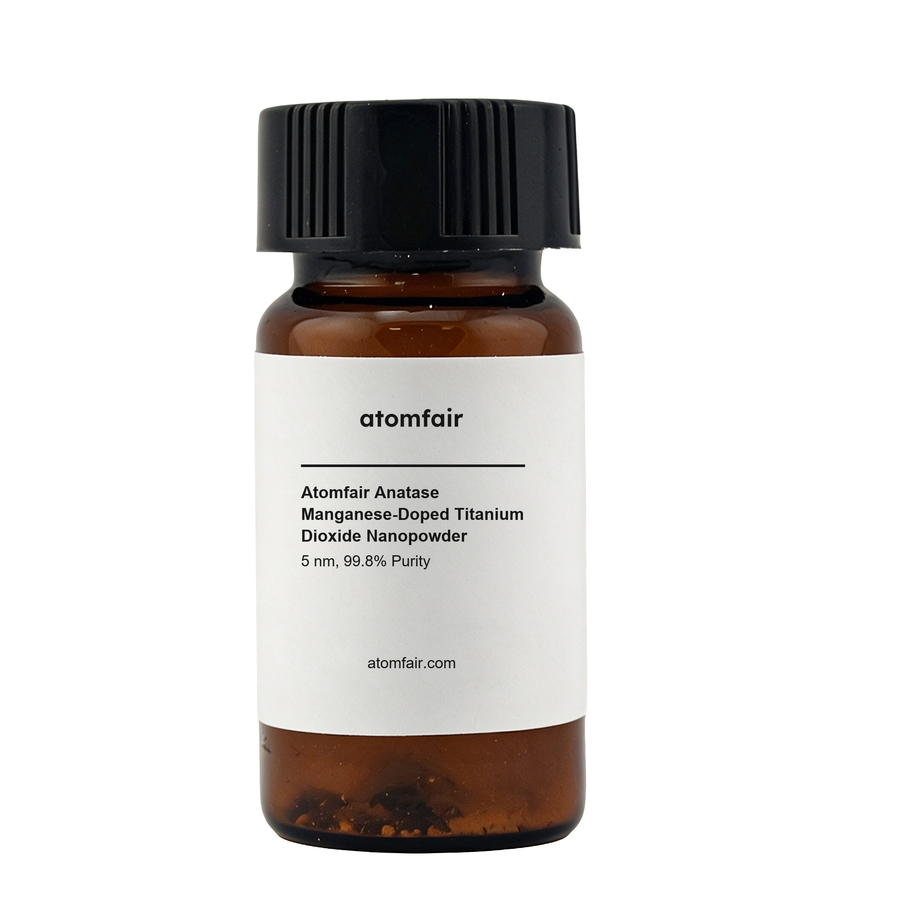
Anatase Mn-Doped TiO2 Nanopowder 5 nm 99.8% ATOMFAIR®
Price range: $299.00 through $1,699.00 -
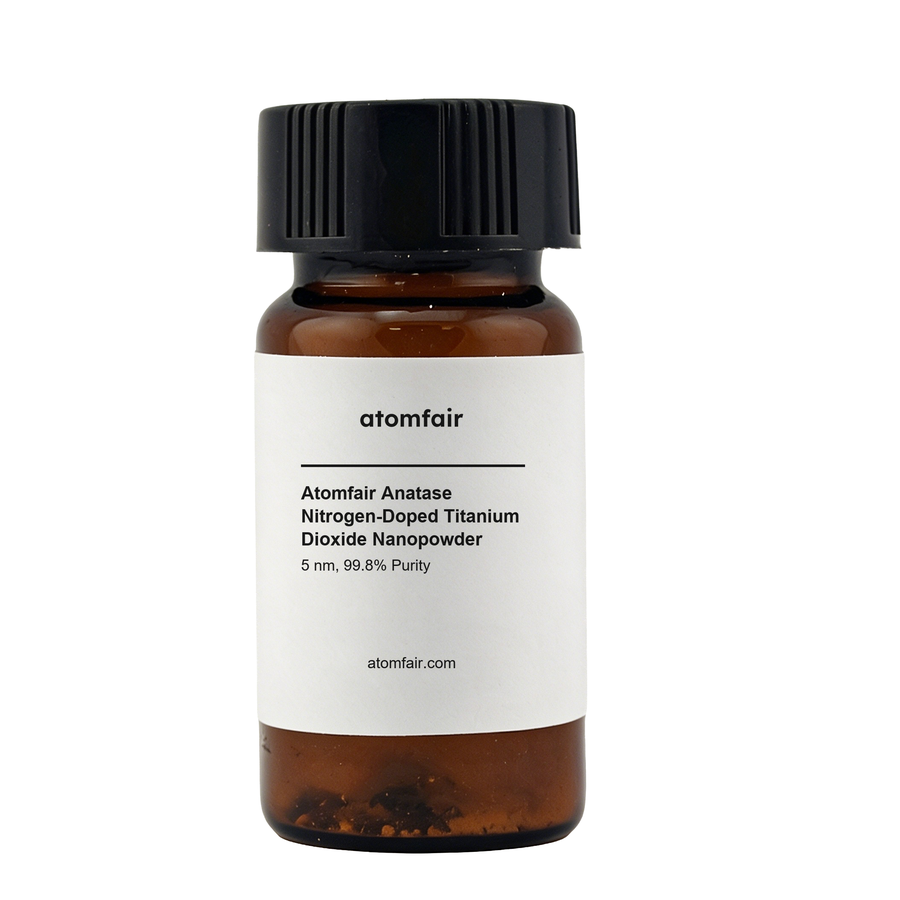
Anatase N-Doped TiO2 Nanopowder 5 nm 99.8% ATOMFAIR®
Price range: $299.00 through $1,699.00 -
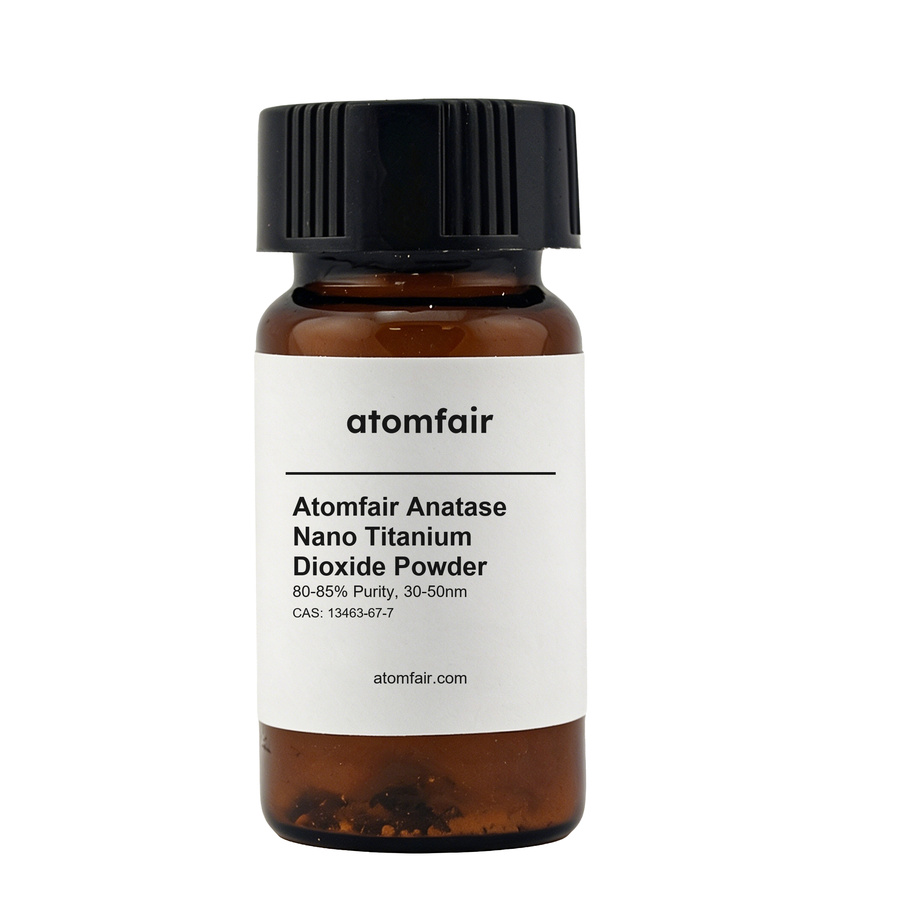
Anatase Nano TiO2 Powder 80-85%, 30-50nm Grade ATOMFAIR®
Price range: $141.00 through $869.00 -
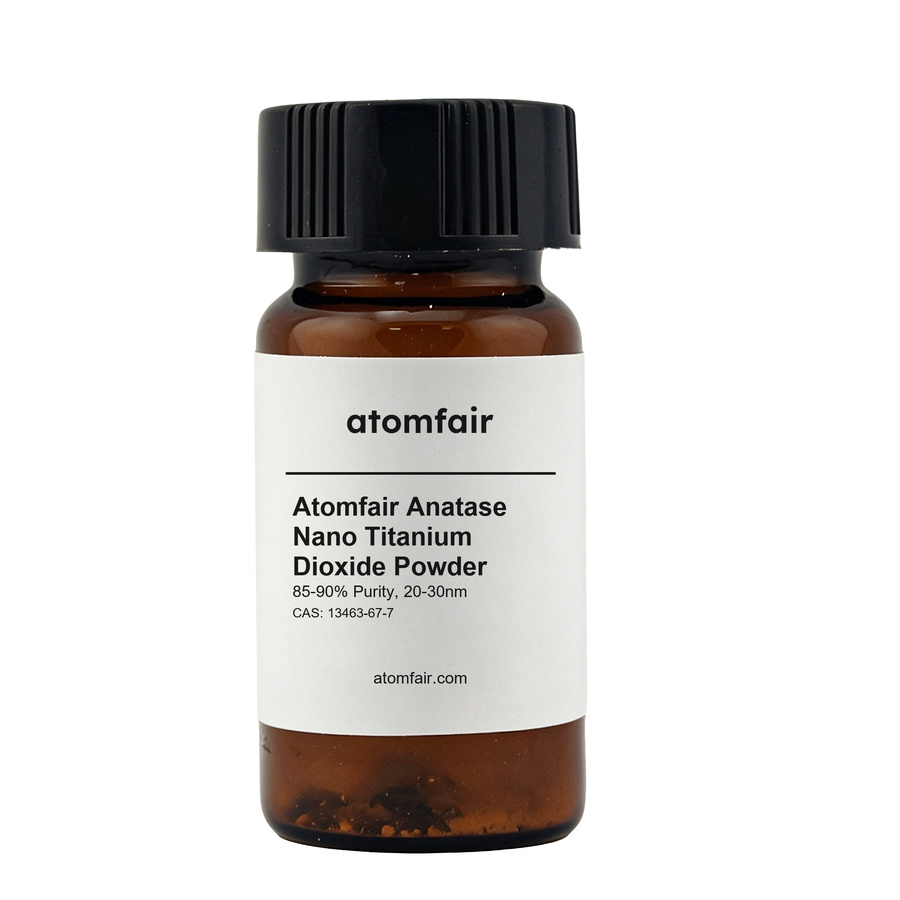
Anatase Nano TiO2 Powder 85-90%, 20-30nm Grade ATOMFAIR®
Price range: $136.00 through $839.00 -
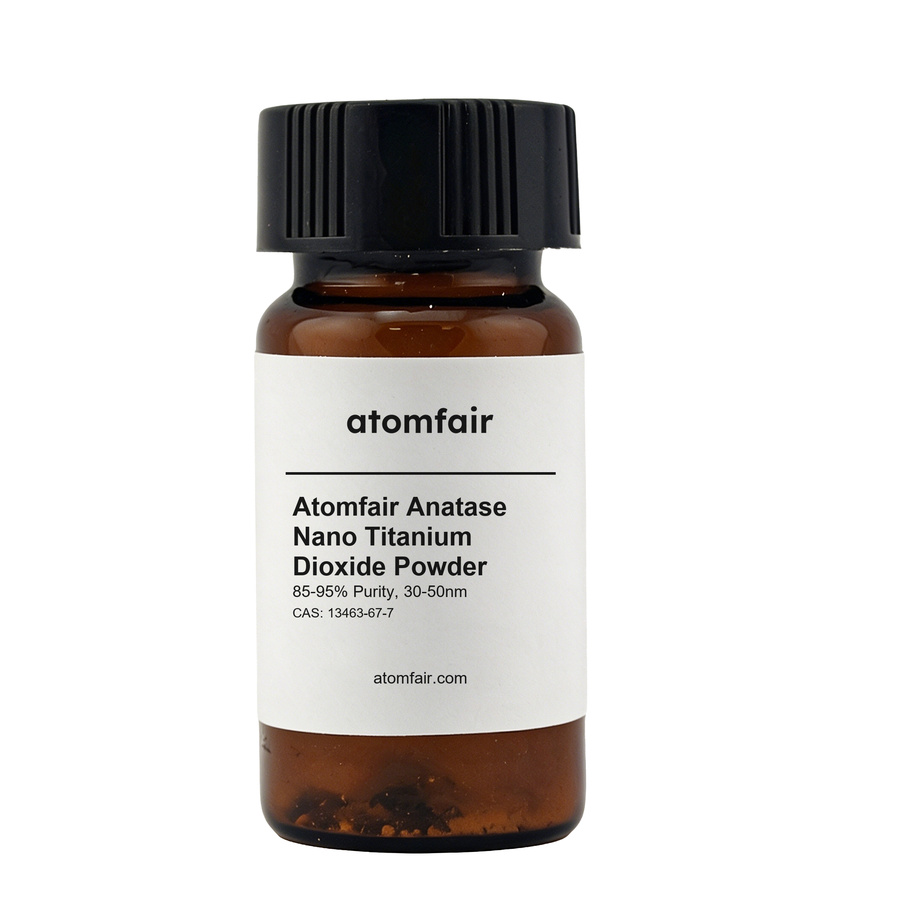
Anatase Nano TiO2 Powder 85–95%, 30–50 nm ATOMFAIR®
Price range: $134.00 through $829.00