
Quantum Dots
Quantum dots are nanoscale materials with optical and electronic properties that can be tuned through composition, particle size, surface ligands, and dispersion medium. They are widely used in fluorescence detection, bioimaging, displays and lighting, optoelectronics, sensing, catalysis, energy materials, and advanced research.
This category covers carbon-based, semiconductor, inorganic, two-dimensional-material-derived, and functionalized quantum dots. Materials may be supplied as powders, solutions, or dispersions and can be selected by material system, emission range, particle size, concentration, solvent, surface functionality, and intended application.
When selecting quantum dots, first identify the required material family and optical range, then confirm the product form and specifications needed for the experimental system, processing method, or application route.
Show More
Choose by Material System
| Material Family | Typical Characteristics | Common Research Directions |
|---|---|---|
| Carbon Quantum Dots | Often selected for tunable fluorescence, dispersibility, and versatile surface chemistry. | Fluorescence sensing, imaging, detection, catalysis, and composites. |
| Graphene Quantum Dots | Carbon nanostructures with graphene-derived frameworks and adjustable optical properties. | Optoelectronics, sensing, fluorescent probes, and energy materials. |
| Doped and Functionalized Carbon-Based Quantum Dots | Properties can be tailored through elemental doping or functional groups such as amino, carboxyl, and hydroxyl groups. | Surface coupling, targeted detection, interfacial studies, and functional composites. |
| Semiconductor Quantum Dots | Available in material systems with visible or near-infrared optical responses and selectable emission characteristics. | Displays, imaging, light-emitting devices, spectroscopy, and photodetectors. |
| Core-Shell Quantum Dots | Core-shell design can support improved optical behavior, stability, or surface compatibility. | High-performance emission, imaging, sensing, and display research. |
| Silicon Quantum Dots | Silicon-based nanoscale materials available in powder or dispersion formats. | Optoelectronics, sensing, imaging, and silicon-based functional materials. |
| Metal Sulfide and Oxide Quantum Dots | Offer varied bandgap, optical-response, and catalytic-material possibilities. | Photocatalysis, optoelectronics, sensing, energy, and environmental research. |
| Two-Dimensional Material Quantum Dots | Derived from layered materials and combine low-dimensional structures with quantum-confinement effects. | Photonics, catalysis, energy storage, sensing, and nanoelectronics. |
| Perovskite Quantum Dots | Known for tunable emission and strong potential in emerging optoelectronic material research. | LEDs, displays, photovoltaics, lasers, and spectroscopy. |
Choose by Application Need
| Research Need | Key Selection Considerations |
|---|---|
| Fluorescence Detection and Sensing | Emission color, fluorescence response, dispersion medium, surface functionality, and compatibility with the target analyte. |
| Bioimaging and Labeling | Water dispersibility, particle size, surface modification, emission range, and compatibility with the experimental system. |
| Displays and Light-Emitting Devices | Emission wavelength, color purity, optical stability, core-shell structure, and film-processing suitability. |
| Optoelectronic and Spectroscopic Research | Absorption and emission range, material composition, energy-level characteristics, and device-processing route. |
| Composites, Coatings, and Inks | Powder or dispersion form, solvent compatibility, particle size, surface chemistry, and compatibility with the host material. |
| Photocatalysis and Energy Research | Material bandgap, interfacial properties, dispersibility, environmental stability, and composite-design requirements. |
| Near-Infrared Research | Near-infrared absorption or emission range, dispersion medium, surface stability, and detection-platform requirements. |
Choose by Product Form
| Product Form | Suitable Use |
|---|---|
| Powder | Custom dispersion preparation, films, composites, coatings, solid-state characterization, and formulation development. |
| Aqueous Dispersion | Water-based experiments, fluorescence testing, bio-related research, and selected sensing systems. |
| Organic-Solvent Dispersion | Oil-phase systems, polymer composites, spin coating, spray coating, and device fabrication. |
| Functionalized Quantum Dots | Further coupling, surface modification, interfacial bonding, or selective-recognition research. |
| Custom Specifications | Projects with defined requirements for emission range, concentration, solvent, particle size, surface ligand, or package size. |
How to Select Quantum Dots
Start with the material family and optical range needed for the intended application, then compare the product form and specifications required by the experimental system. For fluorescence work, review the emission information, concentration, and dispersion medium. For composite materials or device fabrication, confirm compatibility with the selected solvent, polymer, binder, or substrate. For coupling and detection studies, pay particular attention to surface chemistry and functional groups.
Quantum-dot performance can be influenced by particle size, composition, surface ligands, storage conditions, solvent environment, and experimental method. Products with similar emission colors may still differ substantially in material structure, surface properties, and application suitability.
Common Application Areas
- Fluorescent probes and chemical or biological detection
- Bioimaging, cell labeling, and in vitro research
- Display materials, LEDs, and light-emitting-device development
- Photodetection, photovoltaics, and spectroscopy
- Photocatalysis, environmental treatment, and energy conversion
- Electrochemical sensing and responsive materials
- Polymers, coatings, inks, and nanocomposites
- Nanophotonics, nanoelectronics, and fundamental materials research
Frequently Asked Questions
What are quantum dots?
Quantum dots are nanoscale materials whose absorption and emission behavior can change with their composition and particle size. They are used in fluorescence, optoelectronics, sensing, imaging, and a broad range of material-science research.
How should I choose quantum dots by emission color?
Begin with the detection range or target color needed for the experiment, then confirm the material system, emission information, concentration, solvent, and surface chemistry. Similar colors do not necessarily indicate interchangeable materials.
Should I choose a powder or a dispersion?
Powders are generally preferred for custom formulations, films, coatings, and composite materials. Dispersions are often more convenient for solution-based fluorescence measurements, sensing experiments, and workflows requiring a ready-to-use medium.
What is the difference between carbon and semiconductor quantum dots?
Carbon quantum dots are often selected for surface chemistry, dispersibility, sensing, and functional-material studies. Semiconductor quantum dots are commonly considered when defined emission behavior, optoelectronic response, display research, or imaging performance is the primary focus.
Why are surface functional groups important?
Surface functional groups can affect dispersibility, stability, binding behavior, and the ability to perform further modification. They are especially important for coupling, sensing, composite fabrication, and interfacial research.
Can quantum dots be used for bioimaging or labeling research?
Some quantum dots may be suitable for fluorescence labeling, imaging, detection, or in vitro research. Selection should be based on the dispersion medium, surface chemistry, particle size, concentration, and compatibility with the intended experimental system.
How should quantum dots be stored?
Storage requirements vary by material. In general, avoid unsuitable temperature, strong light, and incompatible solvents. Materials that are sensitive to air, moisture, or light should be stored and handled according to their product-specific information.
Can I request a material for a specific project requirement?
For project-specific needs, provide the desired material system, emission range, particle-size target, surface functionality, solvent preference, concentration, package size, and intended application so that a suitable material option can be identified.
Showing 129–144 of 165 results
-
NH2-Modified NaYREF4 Upconverting NPs 804 nm ATOMFAIR®
$980.00 -
NH2-Modified NaYREF4 Upconverting NPs 35nm 804nm ATOMFAIR®
$1,693.00 -
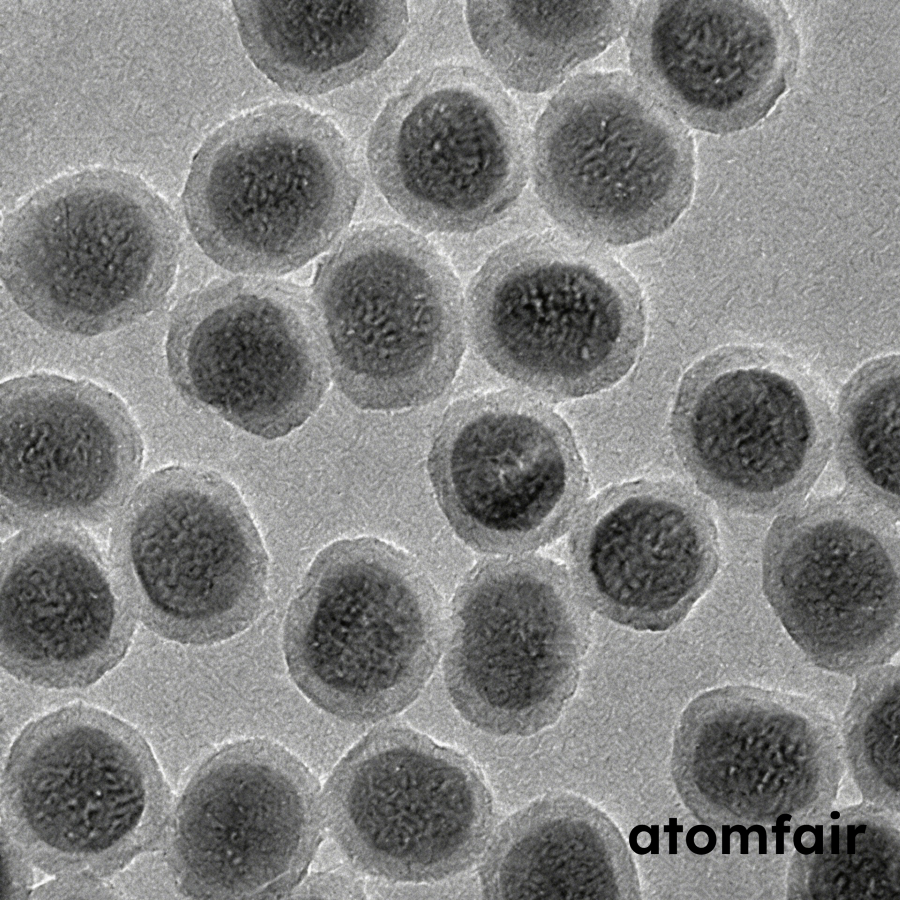
COOH-Modified NaYREF4 Upconverting NPs 35nm 10mg ATOMFAIR®
$980.00 -
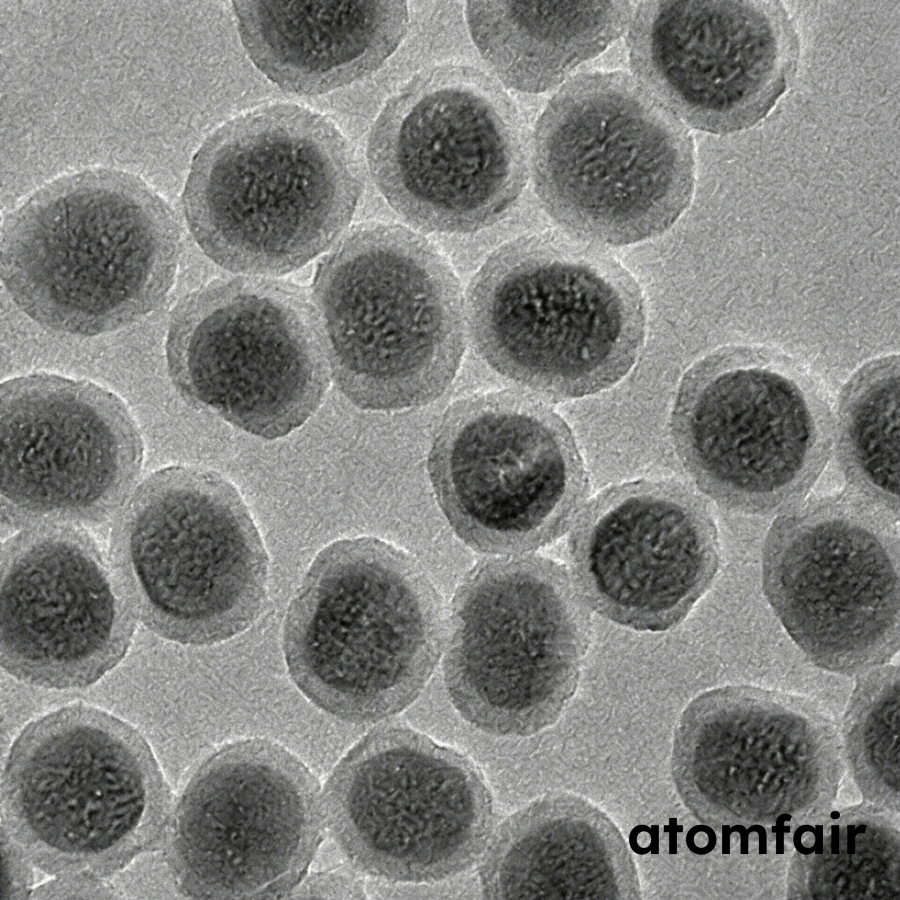
COOH-Modified NaYREF4 UCNPs 35 nm 20 mg Water ATOMFAIR®
$1,693.00 -
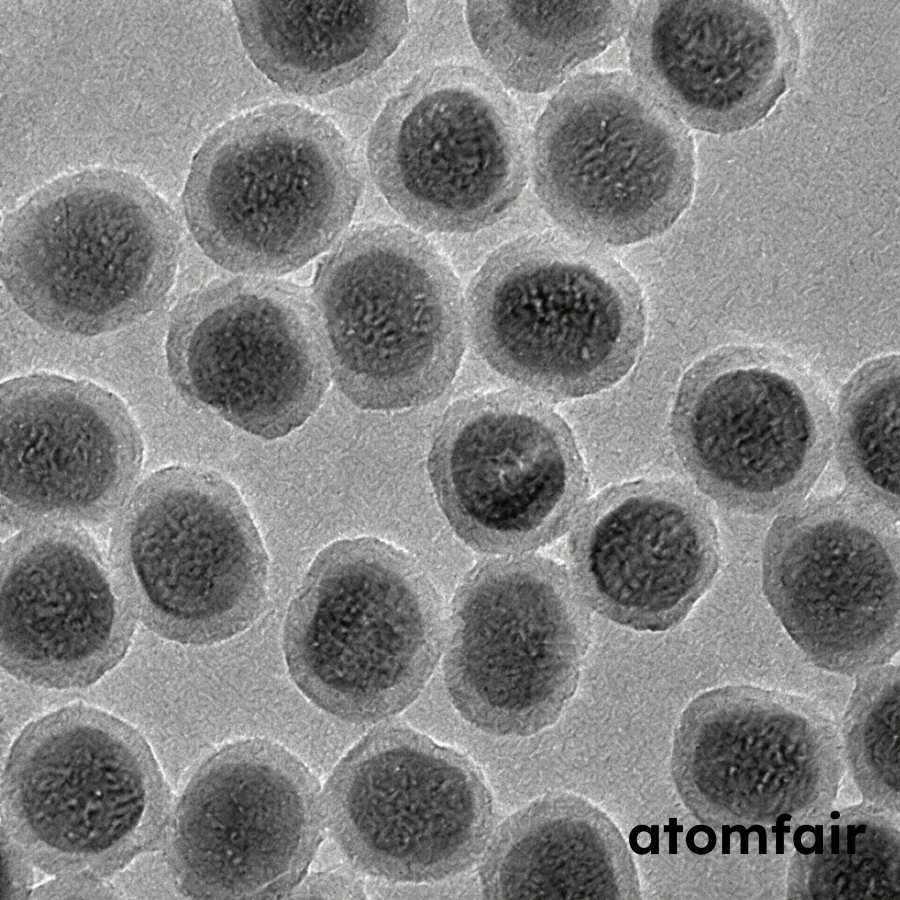
COOH-Modified NaYREF4 UCNPs 35 nm, 804 nm ATOMFAIR®
$980.00 -
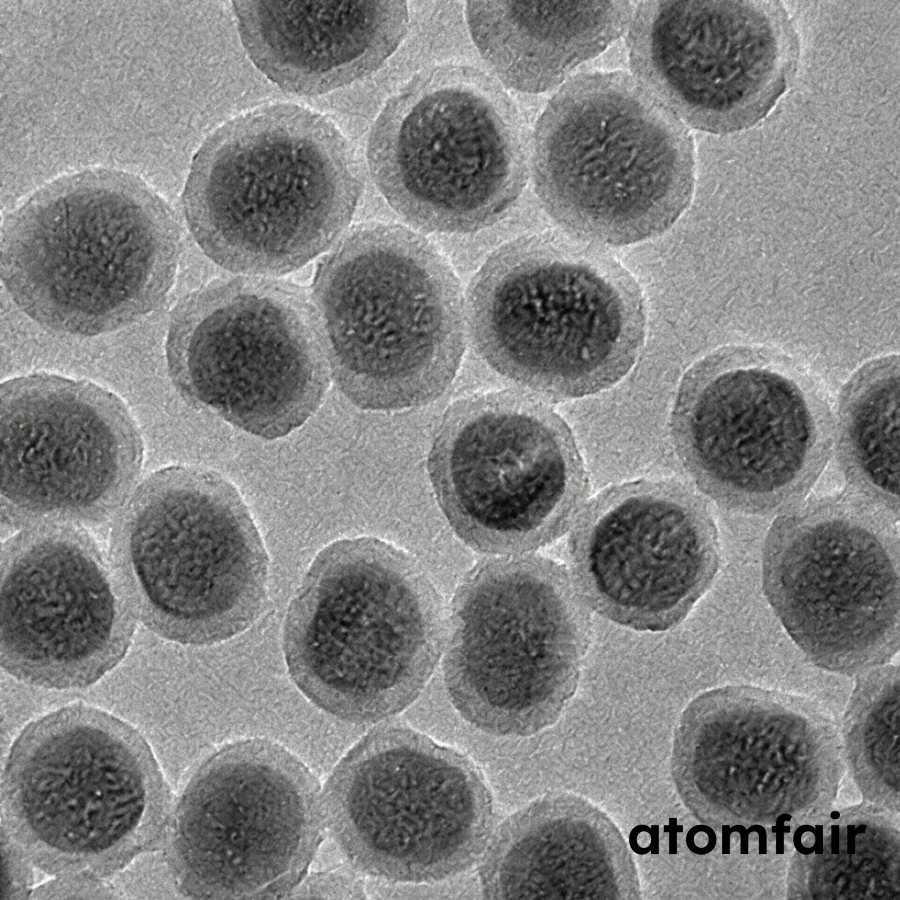
COOH Upconverting Nanoparticles 35nm 804nm ATOMFAIR®
$1,693.00 -
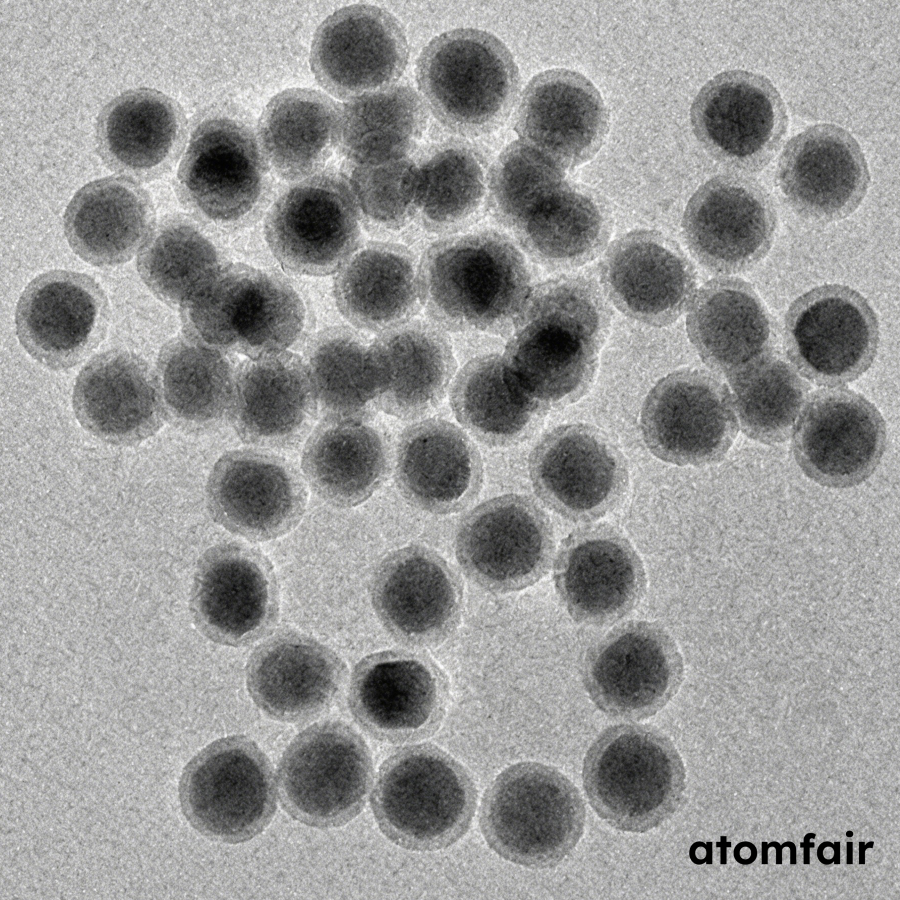
PEG-NH2 NaYREF4 Upconverting Nanoparticles 10 mg ATOMFAIR®
$980.00 -
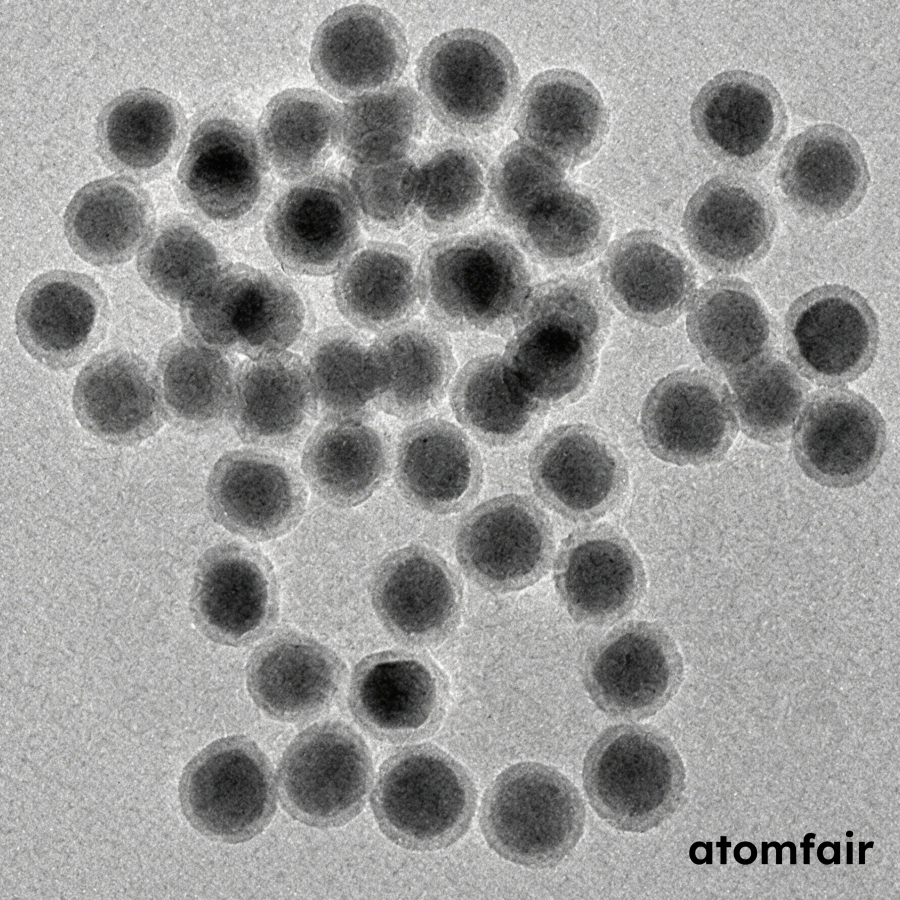
NaYREF4 PEG-NH2 Upconverting Nanoparticles 35nm ATOMFAIR®
$1,693.00 -
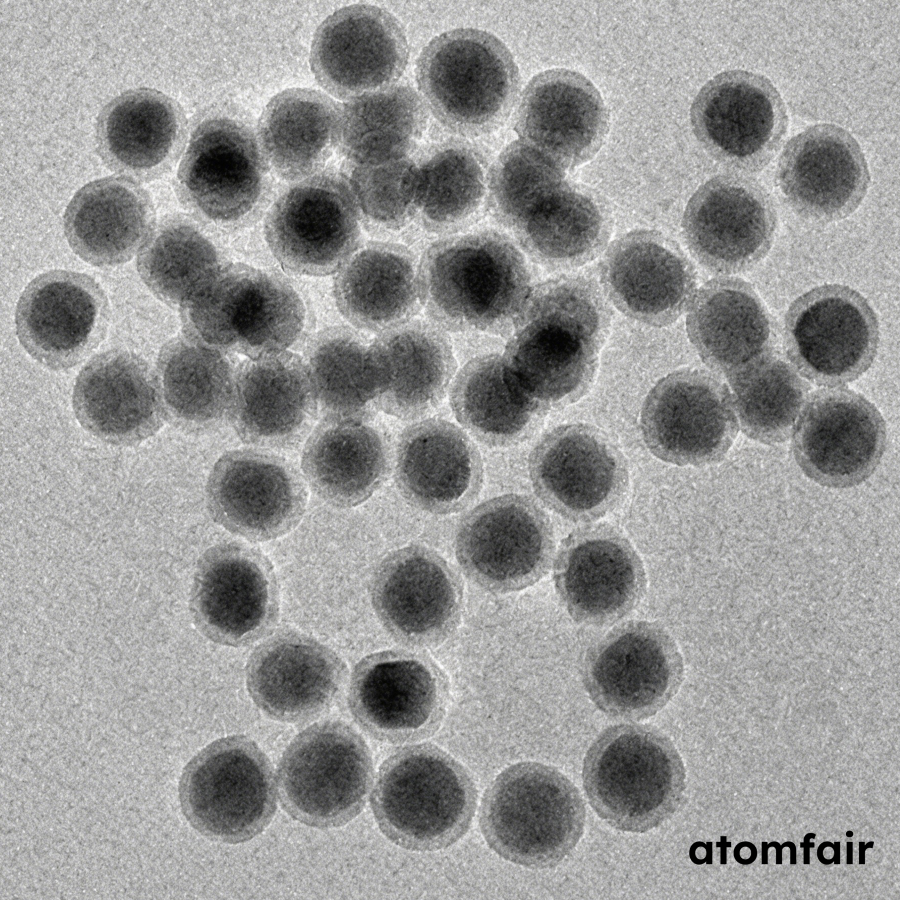
PEG-NH2 Upconverting Nanoparticles 804 nm 10 mg ATOMFAIR®
$980.00 -
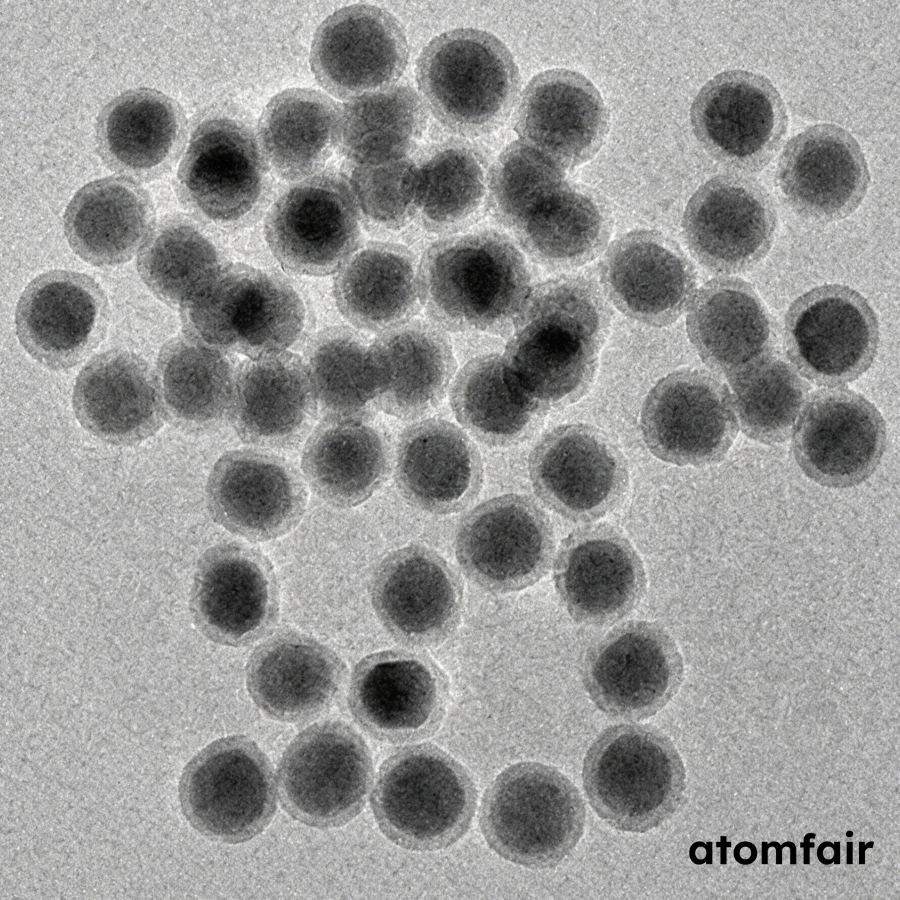
PEG-NH2 Upconverting Nanoparticles 35 nm 804 nm ATOMFAIR®
$1,693.00 -
PEG-COOH NaYREF4 UCNPs 35 nm 10 mg 365/475 nm ATOMFAIR®
$980.00 -
PEG-COOH Upconverting Nanoparticles 35 nm 20 mg ATOMFAIR®
$1,693.00 -
PEG-COOH Upconverting Nanoparticles 35 nm 10 mg ATOMFAIR®
$980.00 -
PEG-COOH Upconverting Nanoparticles 35 nm ATOMFAIR®
$1,693.00 -
PEG-COOH Upconverting Nanoparticles 804 nm 10 mg ATOMFAIR®
$980.00 -
PEG-COOH NaYREF4 UCNPs 35 nm 804 nm, 20 mg ATOMFAIR®
$1,693.00