
One-Dimensional nanomaterials
One-dimensional nanomaterials are advanced materials with nanoscale dimensions in two directions and an extended structure in the third. With high aspect ratios, large effective surface areas, and distinctive electrical, optical, thermal, and mechanical properties, they are widely used in conductive composites, energy devices, sensors, catalysis, optoelectronics, flexible electronics, and functional coatings.
This category covers carbon nanotubes, carbon nanofibers, metal nanowires, semiconductor nanowires, metal-oxide nanowires, nanorods, nanobelts, nanotubes, and other functional materials with one-dimensional structures. Products can be selected by material composition, morphology, dimensions, purity, surface modification, dispersion system, concentration, and supplied form.
Whether you need a powder, dispersion, paste, film, fiber, composite, or substrate-supported one-dimensional structure, select the material according to the target properties, processing method, and application environment.
Show More: One-Dimensional Nanomaterial Selection Guide
Choose by Material Type
Carbon Nanotubes
Single-walled and multi-walled carbon nanotubes are available in different diameter, length, purity, and surface-treatment options. They are commonly used in conductive fillers, battery and supercapacitor electrodes, sensors, composites, transparent conductive films, and electromagnetic shielding.
Carbon Nanofibers
Carbon nanofibers provide conductivity, structural stability, and reinforcement. They are suitable for polymer composites, conductive networks, thermal pathways, and electrochemical materials.
Metal Nanowires
Silver, copper, gold, and other metal nanowires are used in transparent conductive electrodes, flexible electronics, printed electronics, sensors, and conductive coatings. Important considerations include metal composition, wire diameter, length, dispersion system, and oxidation resistance.
Metal-Oxide Nanowires and Nanorods
Zinc oxide, tin oxide, titanium oxide, and other oxide one-dimensional structures support gas sensing, photocatalysis, optoelectronics, piezoelectric devices, and energy-material research. Crystal structure, morphology, dimensions, and substrate format are important selection factors.
Semiconductor Nanowires
Semiconductor nanowires offer tunable electronic and optical properties for photodetectors, light-emitting devices, solar cells, nanoelectronics, and advanced sensing systems.
Nanobelts and Nanotubes
Nanobelts and nanotubes provide anisotropic transport, surface reactivity, and mechanical properties for catalysis, energy storage, sensing, optoelectronics, and advanced functional composites.
Choose by Supplied Form
| Supplied Form | Suitable Application Paths |
|---|---|
| Nanomaterial Powder | Custom dispersion, composites, coatings, slurries, and electrode formulation |
| Aqueous Dispersion | Water-based coatings, environmentally oriented inks, electrodes, and biological research |
| Organic-Solvent Dispersion | Resins, inks, coatings, and solution-processing workflows |
| Conductive Paste or Ink | Printed electronics, conductive tracks, sensors, and electrode fabrication |
| Nanomaterial Film | Transparent electrodes, flexible devices, shielding layers, and surface functionalization |
| Nanofiber or Continuous Structure | Reinforcement, conductive structures, and continuous functional materials |
| Composite Material | Polymer, metal, or ceramic matrix integration and application screening |
| Substrate-Supported or Array Structure | Device fabrication, oriented growth, sensors, and optoelectronic research |
Key Parameters for Selection
- Material composition and crystal structure
- Single-walled, multi-walled, solid, or hollow structure
- Diameter, length, width, and aspect ratio
- Purity, impurities, and residual catalyst level
- Surface functional groups and modification method
- Powder, dispersion, paste, film, or composite form
- Dispersion medium, solids content, and concentration
- Need for alignment, arrays, or substrate support
- Compatibility with polymers, solvents, substrates, or electrodes
- Target electrical, thermal, optical, mechanical, or catalytic properties
Common Application Areas
| Application Area | Relevant Material Forms |
|---|---|
| Batteries, Supercapacitors, and Fuel Cells | Carbon nanotubes, carbon nanofibers, dispersions, and conductive pastes |
| Conductive Polymer and Structural Composites | CNT powders, nanofibers, surface-modified materials, and ready-to-use compounds |
| Transparent Conductive Films and Flexible Electronics | SWCNT dispersions, CNT films, and metal-nanowire networks |
| Printed Electronics and Conductive Inks | Metal-nanowire inks, CNT inks, conductive coatings, and pastes |
| Chemical, Biological, and Gas Sensors | Functionalized CNTs, semiconductor nanowires, and metal-oxide nanorods |
| Catalysis and Photocatalysis | High-surface-area nanotubes, oxide nanowires, and nanorods |
| Electromagnetic Shielding and Static Dissipation | Long CNTs, carbon nanofibers, CNT films, and conductive composites |
| Optoelectronics and Nanoelectronics | Semiconductor nanowires, nanobelts, aligned structures, and substrate-supported materials |
Frequently Asked Questions
What are one-dimensional nanomaterials?
They are nanomaterials with nanoscale dimensions in two directions and a substantially extended third direction. Common examples include nanotubes, nanowires, nanorods, nanofibers, and nanobelts.
How do I choose the right one-dimensional nanomaterial?
Start with the application objective, then compare composition, dimensions, aspect ratio, purity, surface treatment, and supplied form. Materials for conductive, reinforcement, sensing, catalytic, and optoelectronic applications may require different specifications.
What is the difference between carbon nanotubes, nanowires, and nanorods?
Their composition and structure are different. Carbon nanotubes generally have a hollow tubular structure, nanowires are commonly solid or nearly solid elongated structures, and nanorods usually describe shorter rod-shaped nanostructures used in sensing, catalysis, and optical materials.
Should I buy a powder or a dispersion?
Choose a powder when you need to control the solvent, dispersant, and formulation yourself. A dispersion or paste is more convenient when you want to simplify processing. Always confirm the dispersion medium, concentration, stability, and compatibility with the final system.
What is the purpose of surface functionalization?
Surface functionalization can improve wetting, dispersion, and interfacial bonding in water, solvents, polymers, or other matrices. Different functional groups may also affect conductivity, reactivity, and processing stability.
Can one-dimensional nanomaterials be used in batteries and supercapacitors?
Yes. Carbon nanotubes, carbon nanofibers, and other one-dimensional structures can be evaluated as conductive networks, reinforcement components, or electrode additives. The final choice also depends on the electrode chemistry, binder, solvent, processing method, and target loading.
Can nanowire products be used directly for coating or printing?
Some nanowires are supplied as dispersions, inks, or pastes for coating and printing, while powder products generally require further formulation. Confirm viscosity, solids content, substrate, drying, and curing requirements before use.
Can one-dimensional nanomaterials be customized?
Some products may be available with customized composition, dimensions, surface modification, concentration, dispersion medium, film form, or packaging. Feasibility depends on the required technical specification and intended application.
Showing 49–64 of 77 results
-
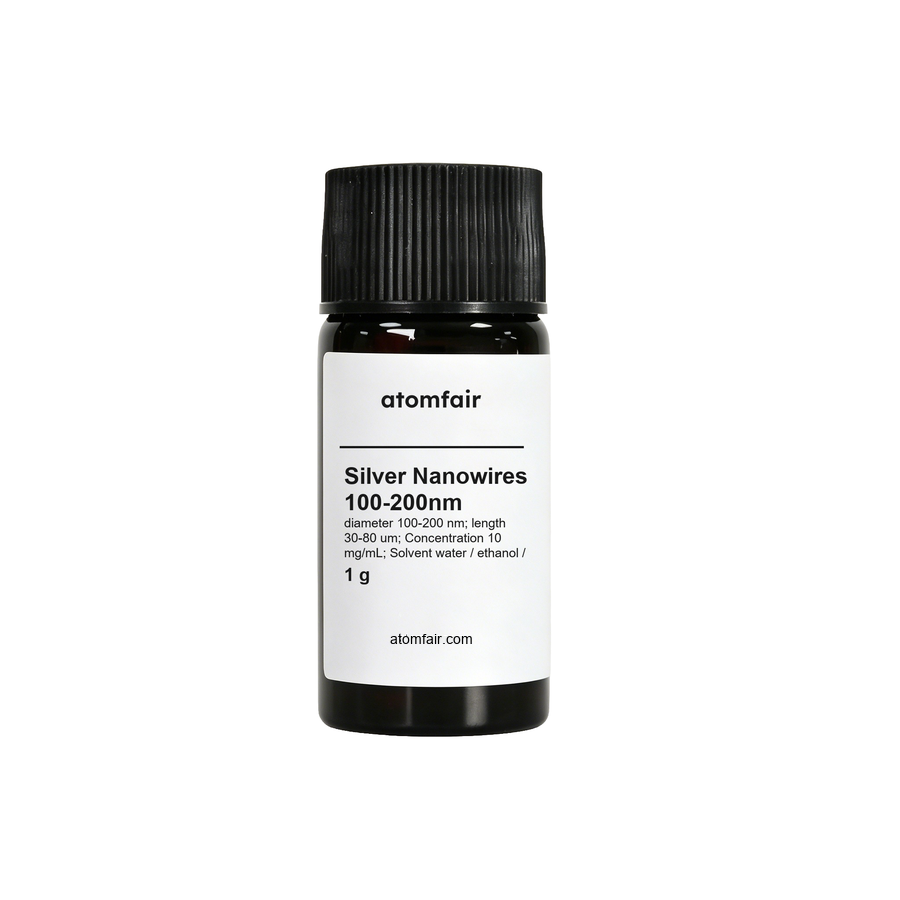
Silver Nanowire Dispersion 100–200nm 10mg/mL ATOMFAIR®
$391.00 -
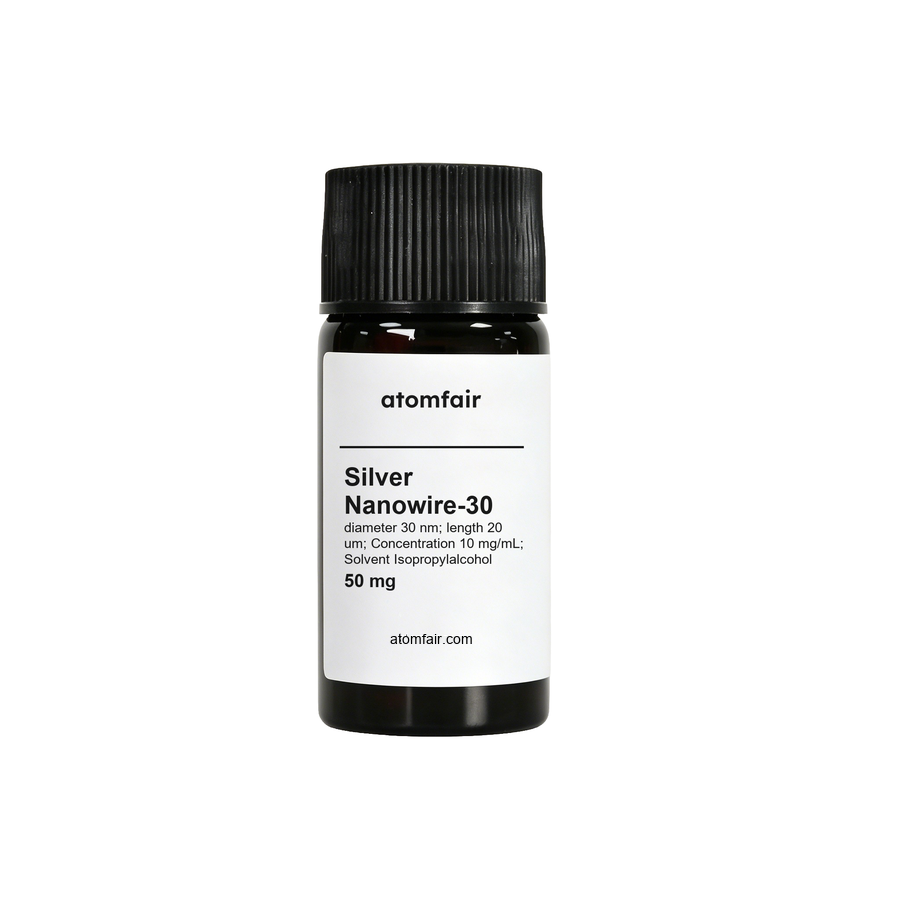
Silver Nanowire Dispersion 30 nm 10 mg/mL ATOMFAIR®
$336.00 -
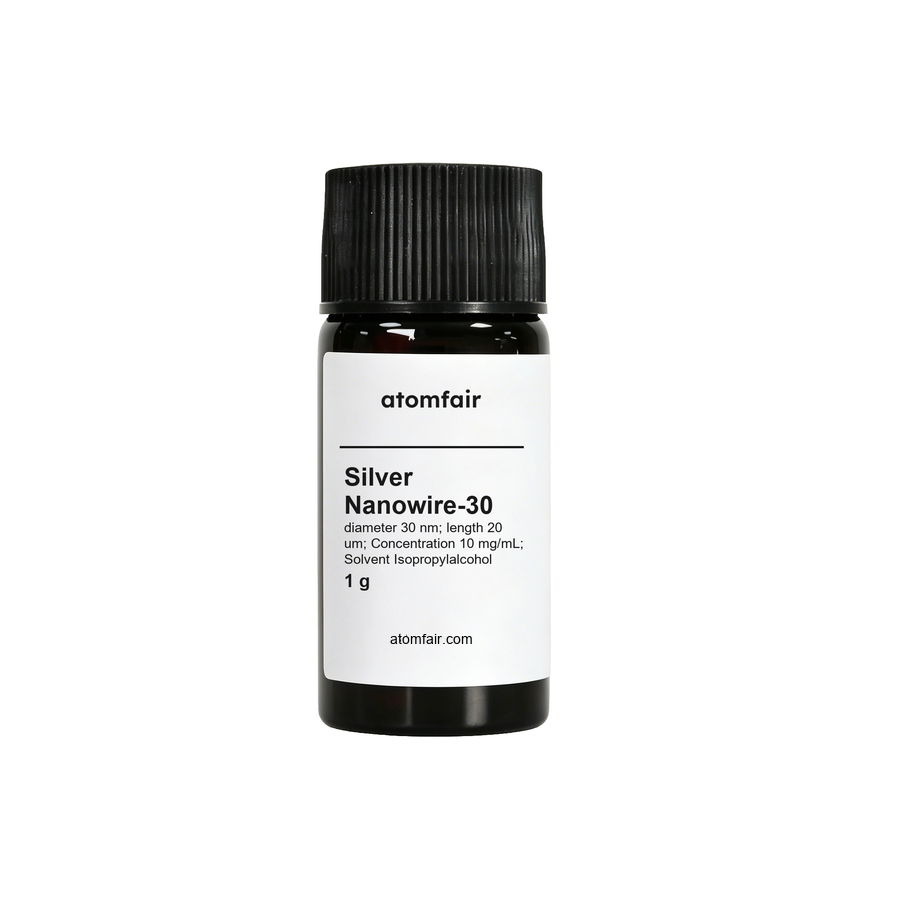
Silver Nanowire Dispersion 30 nm 10 mg/mL ATOMFAIR®
$566.00 -
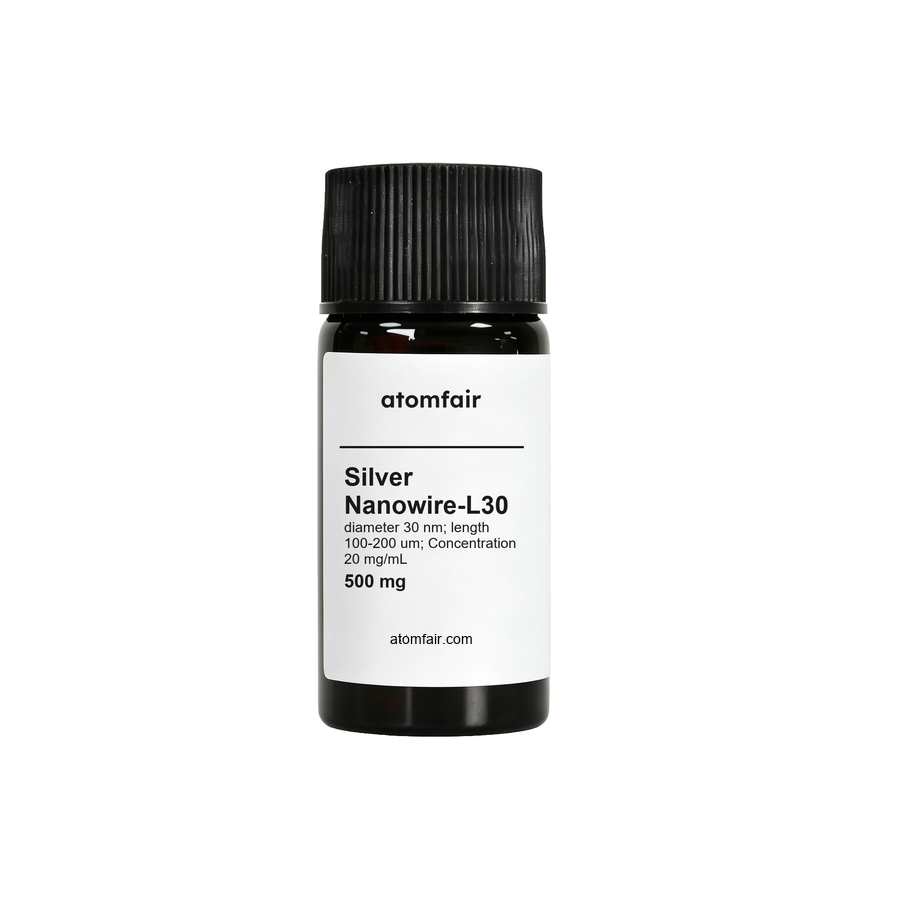
Silver Nanowire Dispersion 30 nm 20 mg/mL ATOMFAIR®
$465.00 -
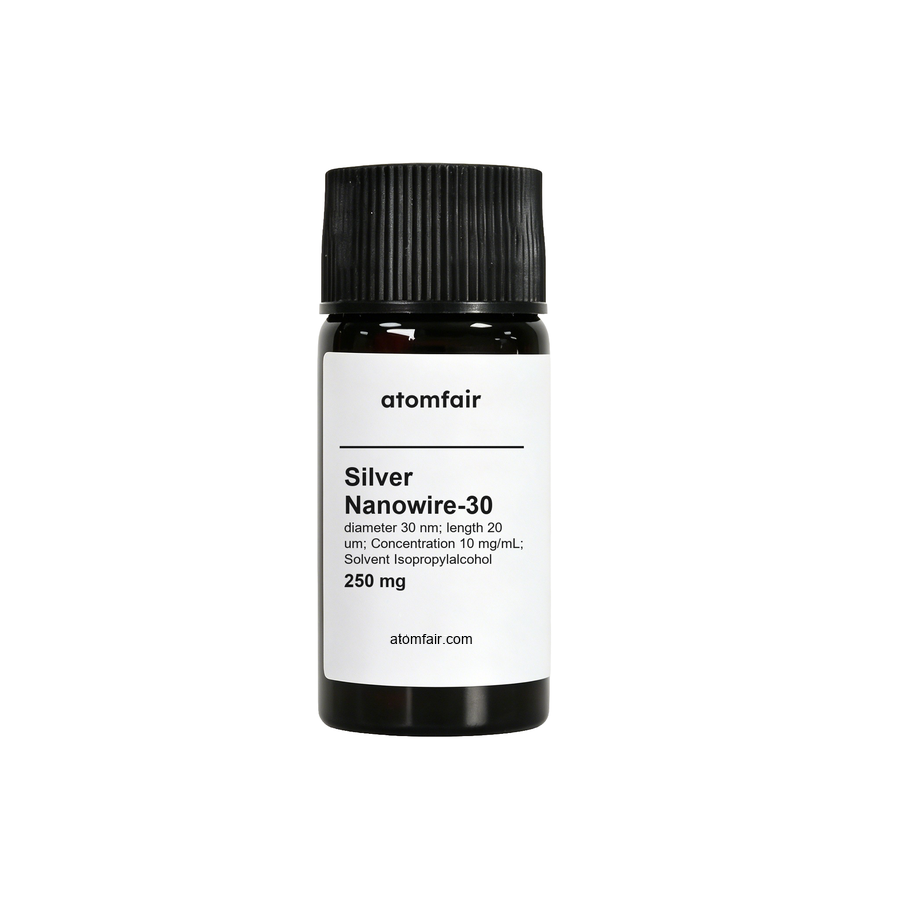
Silver Nanowire Dispersion 30 nm 20 μm 10 mg/mL ATOMFAIR®
$212.00 -
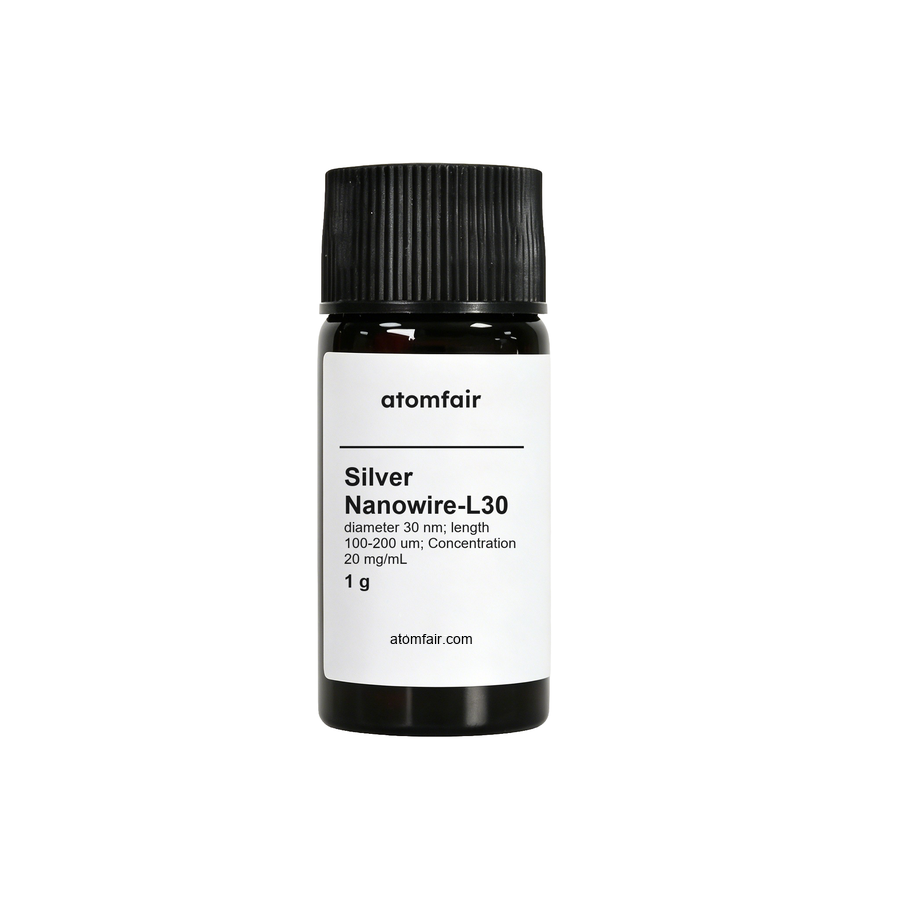
Silver Nanowire Dispersion 30 nm, 20 mg/mL ATOMFAIR®
$738.00 -
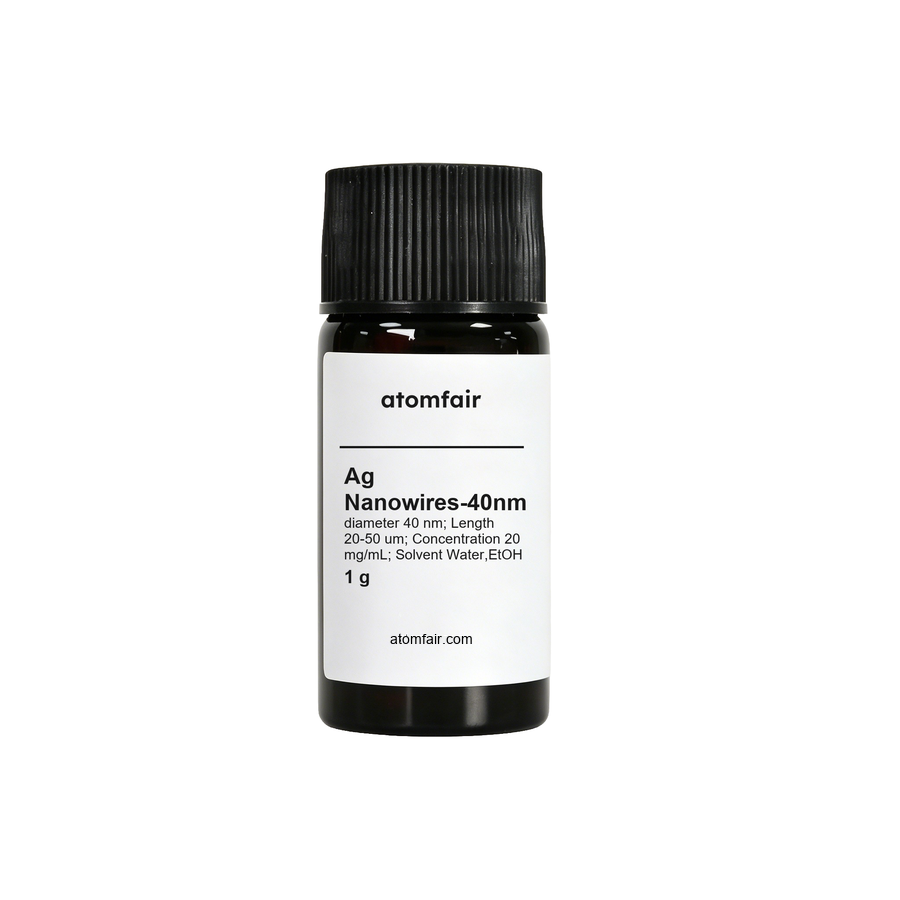
Silver Nanowire Dispersion 40 nm 20 mg/mL ATOMFAIR®
$566.00 -
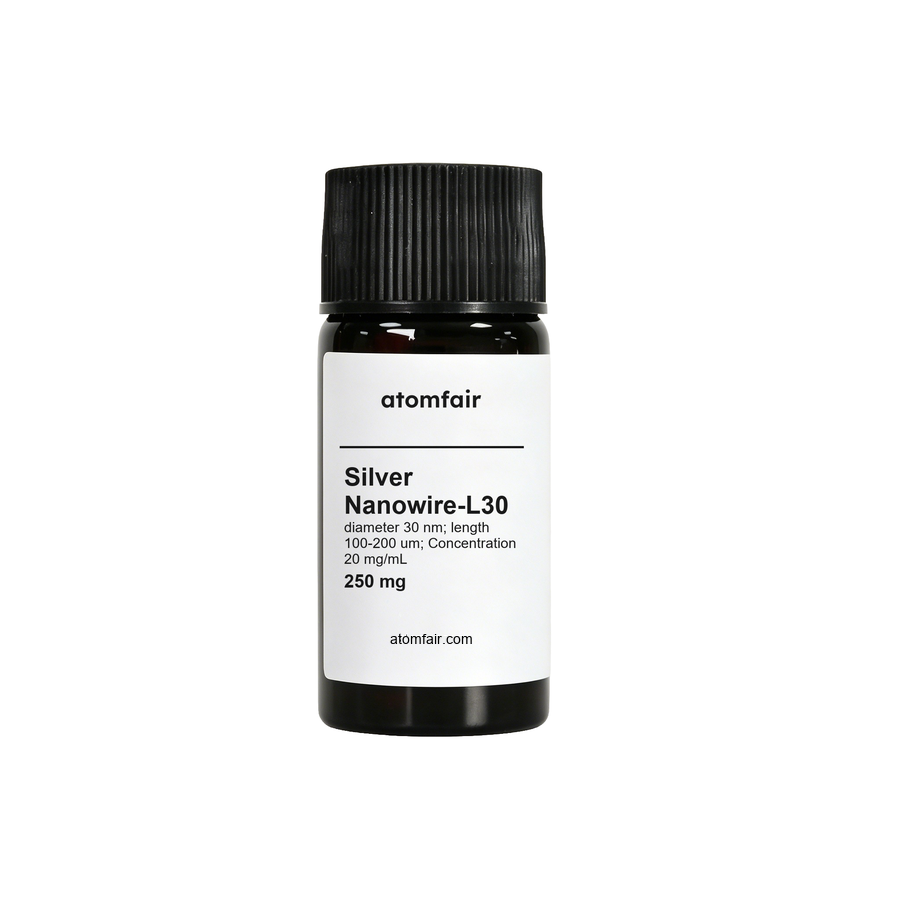
Silver Nanowire Dispersion L30 30nm 20mg/mL ATOMFAIR®
$291.00 -
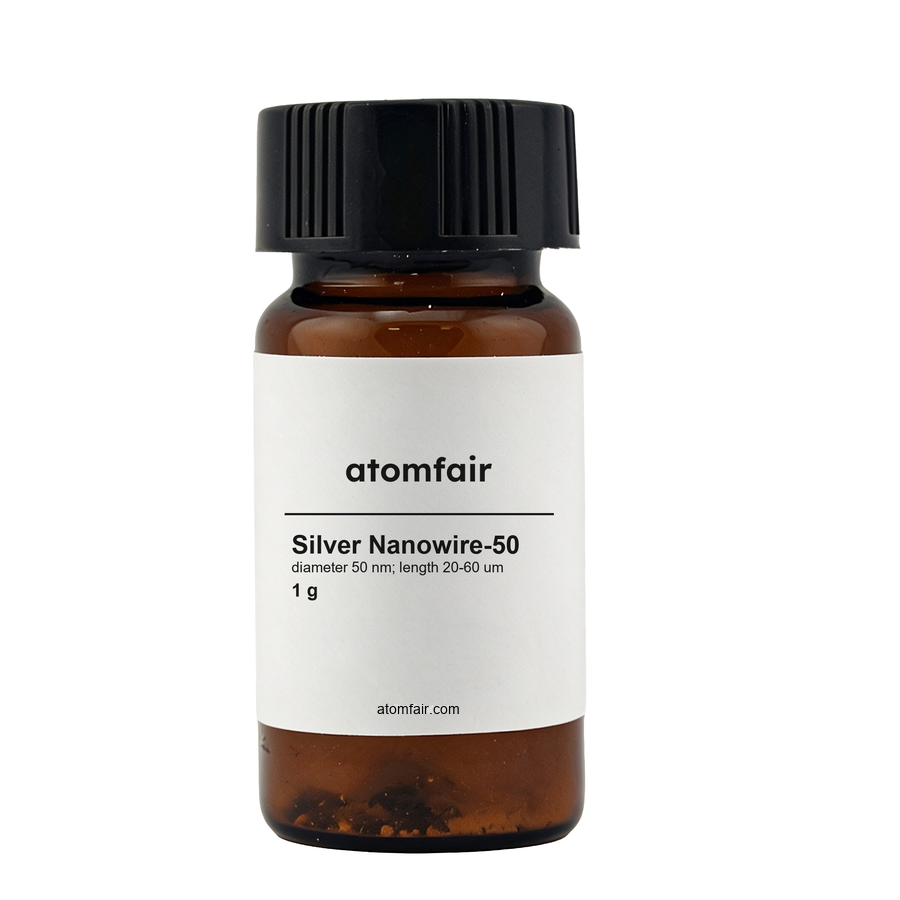
Silver Nanowire Material 50 nm × 20–60 μm, 1 g ATOMFAIR®
$391.00 -
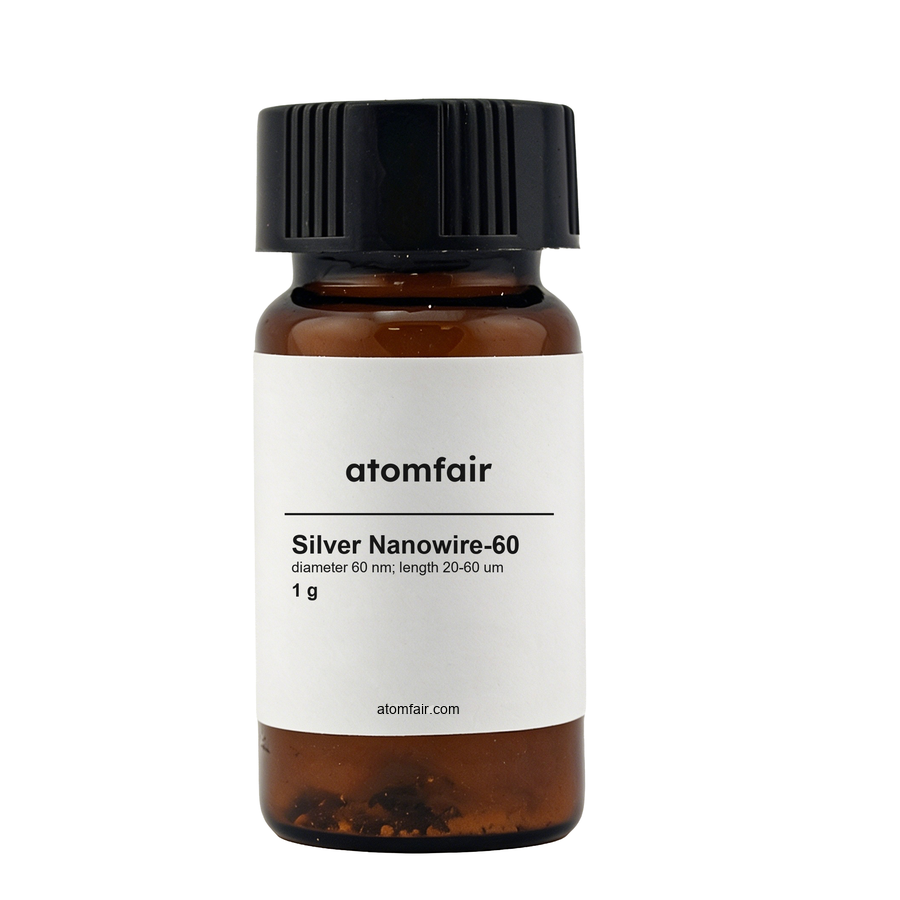
Silver Nanowire-60 60 nm × 20-60 μm, 1 g Pack ATOMFAIR®
$391.00 -
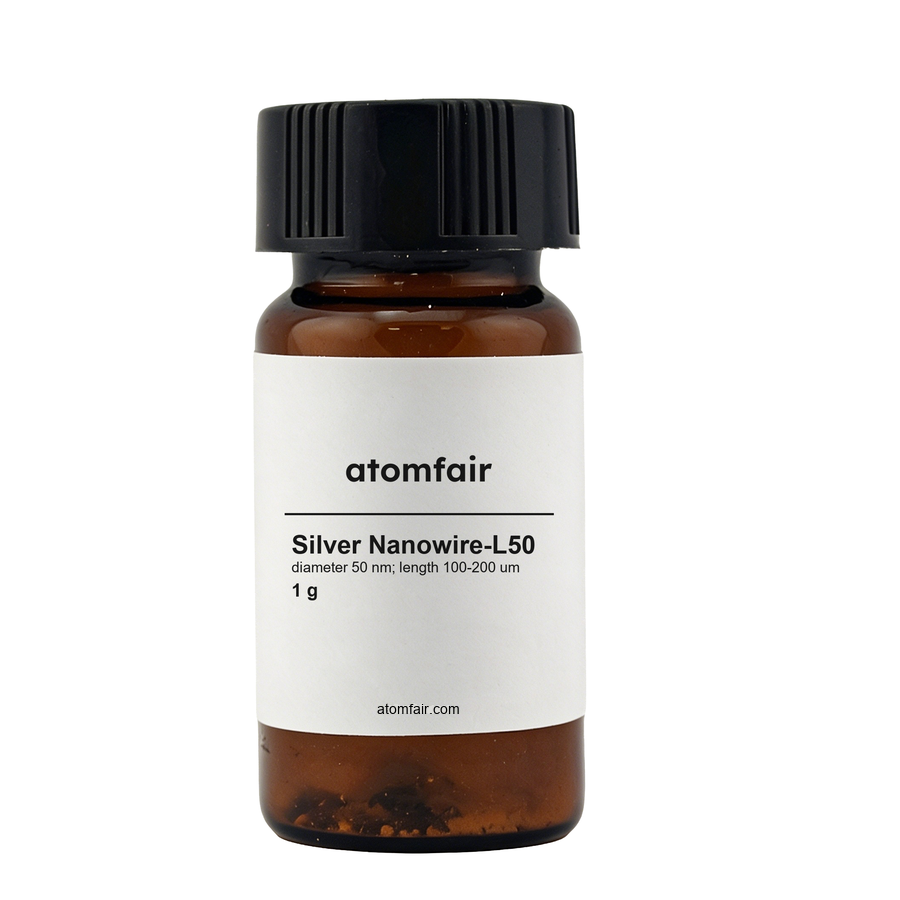
Silver Nanowire-L50 50 nm × 100-200 μm, 1 g ATOMFAIR®
$566.00 -
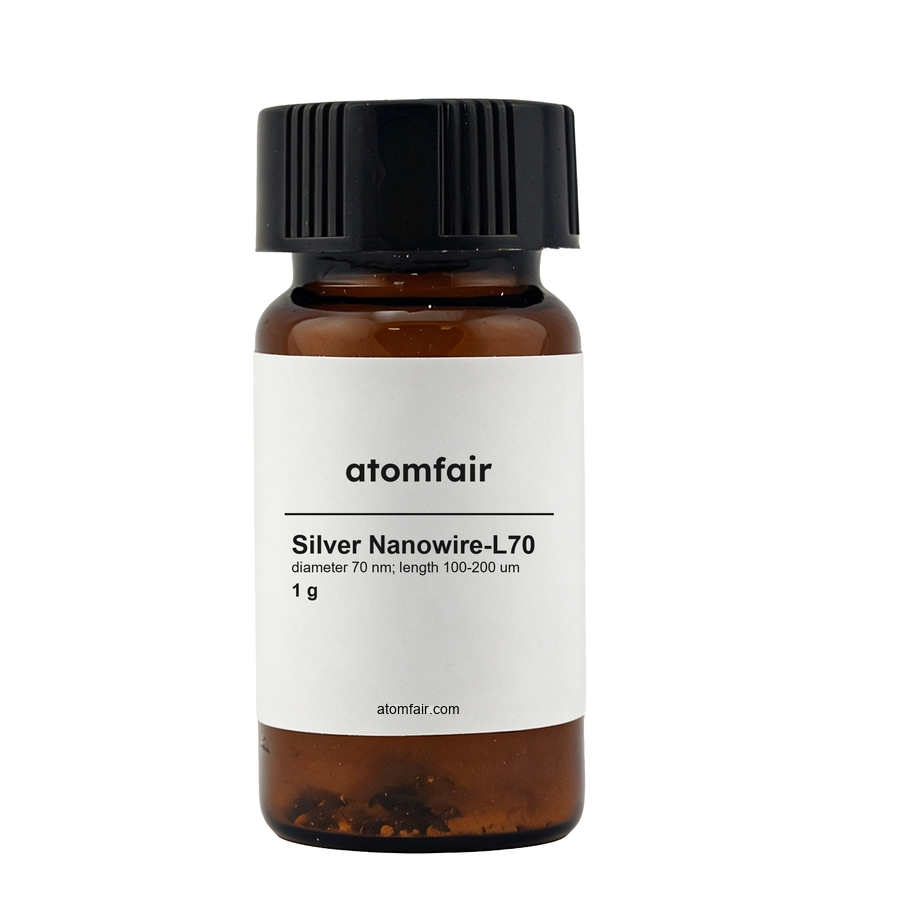
Silver Nanowire-L70 70 nm × 100-200 μm, 1 g ATOMFAIR®
$566.00 -
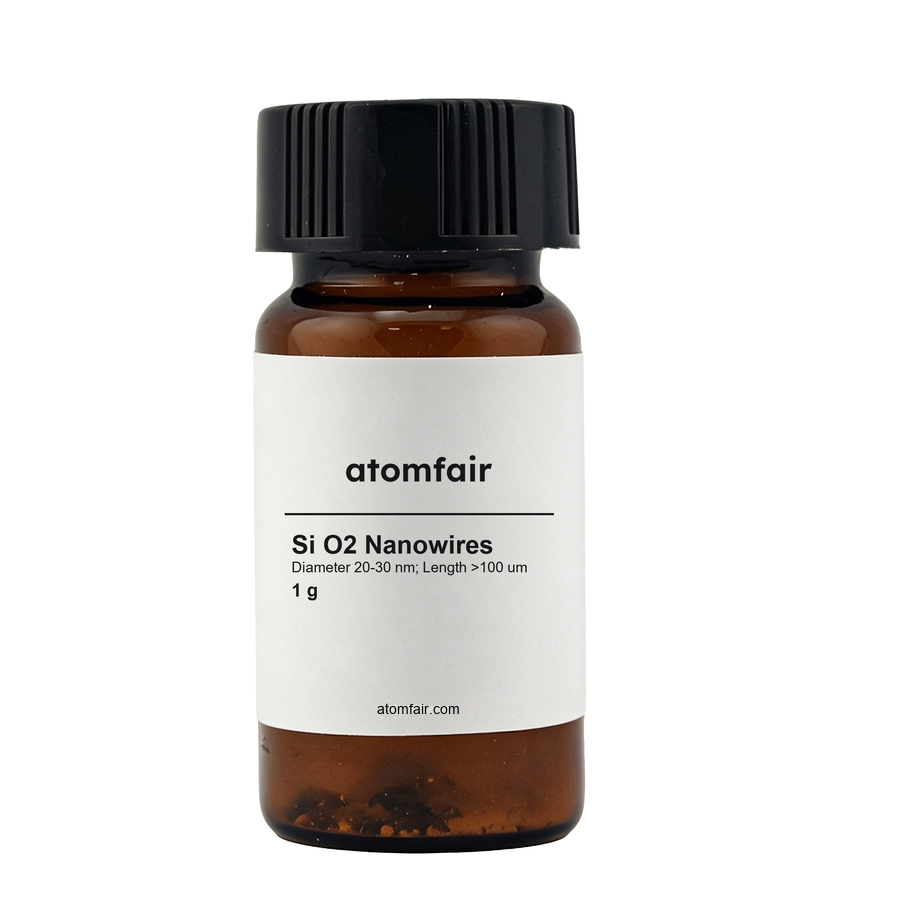
SiO2 Nanowires 20–30 nm × >100 μm 1 g Lab ATOMFAIR®
$222.00 -
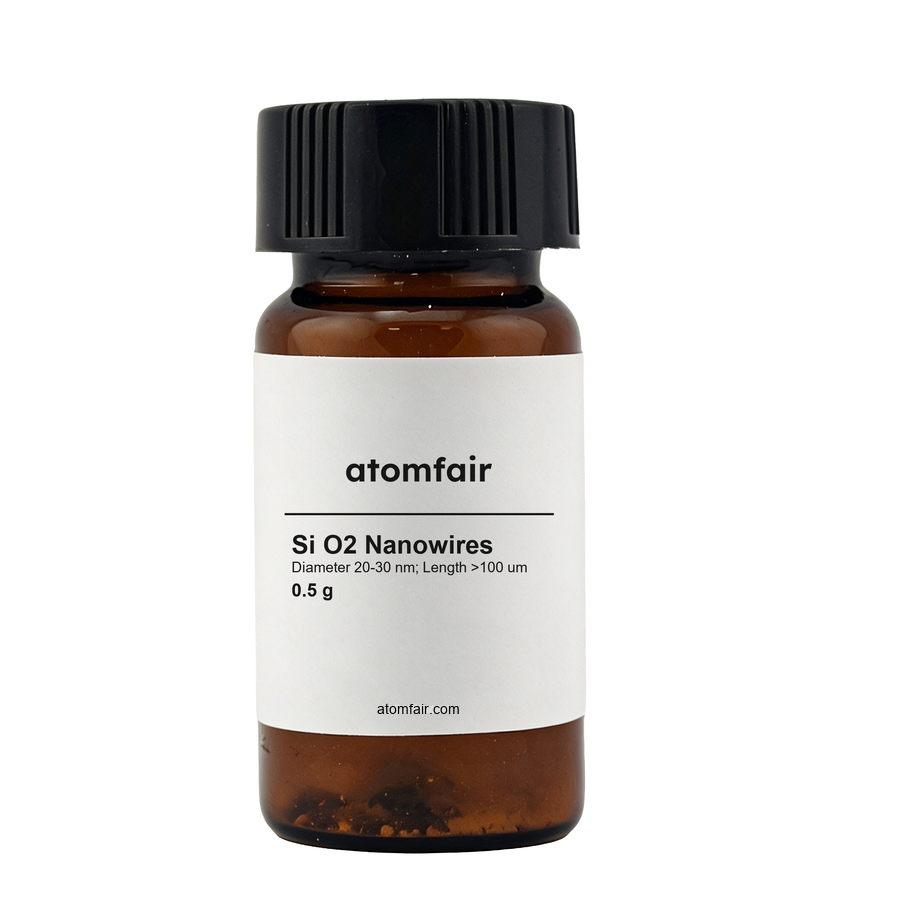
SiO2 Nanowires 20–30 nm, >100 μm Research Grade ATOMFAIR®
$182.00 -
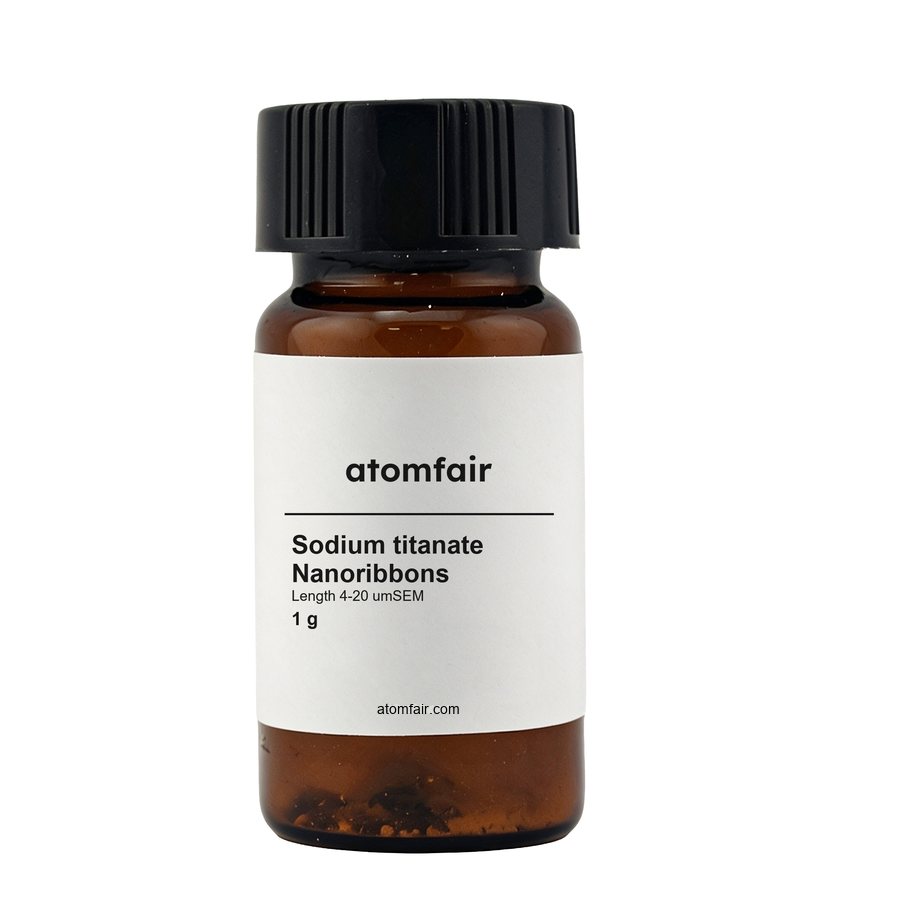
Sodium Titanate Na2Ti3O7 Nanoribbons 4–20 μm ATOMFAIR®
$184.00 -
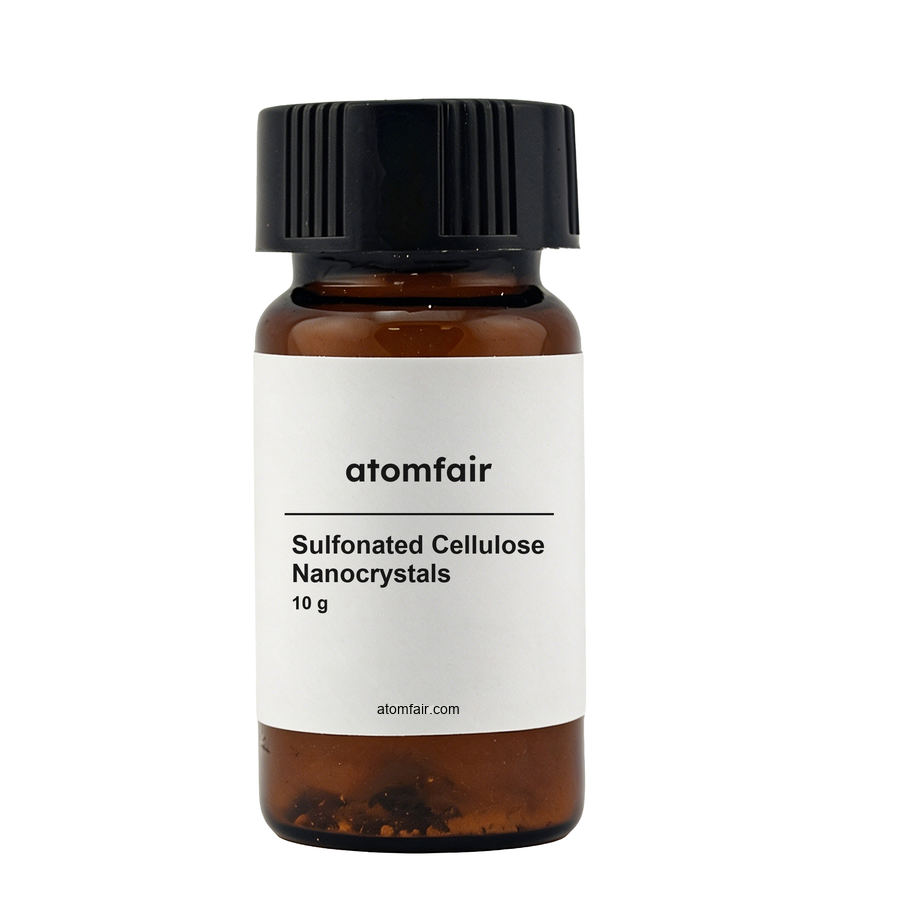
Sulfonated Cellulose Nanocrystals CNC-MS20N 10 g ATOMFAIR®
$132.00