
Carbon Nanotubes
Carbon nanotubes are one-dimensional carbon-based materials used for conductive, reinforcing, thermal, and functional applications across research and formulation workflows. Depending on wall structure, surface chemistry, and supplied form, they can support everything from basic laboratory studies to advanced composite and device development.
This category brings together single-walled, double-walled, and multi-walled carbon nanotubes, along with functionalized, doped, coated, graphitized, dispersed, and formed CNT materials. Buyers can compare products by nanotube type, diameter, length, purity, surface treatment, solvent system, and end-use format before selecting the right material path.
For many applications, the most important choice is not only the nanotube itself, but how it is supplied. Dry powder, dispersion, slurry, paste, film, paper, fiber, sponge, and masterbatch formats each support different processing routes and downstream performance needs.
Show More
How to Select Carbon Nanotubes
Start with the nanotube architecture. Single-walled carbon nanotubes are often chosen for high-performance conductive networks, thin films, sensors, and advanced research. Double-walled carbon nanotubes provide a middle path between structural stability and nanoscale performance. Multi-walled carbon nanotubes are widely used as conductive fillers, reinforcement additives, and general-purpose nanotube materials.
Then compare diameter, length, purity, and surface chemistry. Short CNTs are often easier to disperse and can help control viscosity. Longer CNTs may better support network formation and reinforcement. Functional groups such as carboxyl, hydroxyl, amino, and other modifications can improve compatibility with water, solvents, polymers, and resins.
If your process is formulation-driven, the supplied form matters as much as the nanotube type. Dry powders, dispersions, slurries, pastes, coatings, films, papers, fibers, and masterbatches each fit different preparation and application paths.
Carbon Nanotube Families
| Product family | Selection focus | Typical use path |
|---|---|---|
| Single-walled CNT | Diameter, purity, length, functionalization | Thin films, sensors, advanced conductive networks |
| Double-walled CNT | Diameter range, length, surface group | Dispersion studies, composites, electrode materials |
| Multi-walled CNT | Diameter, length, purity, graphitization, treatment | Conductive fillers, coatings, plastics, batteries |
| Functionalized CNT | COOH, OH, NH2, PEG, and other surface chemistry | Water compatibility, resin bonding, interfacial control |
| Graphitized or coated CNT | Carbon purity, coating type, conductivity target | Conductive systems, specialty research, interface studies |
Supplied Forms and Processing Routes
| Form | Best suited for |
|---|---|
| Dry powder | Custom dispersion, mixing, compounding, and flexible formulation work |
| Water-based dispersion | Aqueous coatings, waterborne systems, and process-friendly formulations |
| NMP or organic dispersion | Electrode coatings, solvent-based processing, and conductive slurries |
| Paste or slurry | Direct coating, printing, electrode preparation, and controlled solids loading |
| Film, paper, fiber, sponge | Free-standing conductive structures, membranes, and device-oriented formats |
| Masterbatch or compound | Polymer processing, plastics, rubber, and scalable composite manufacturing |
Application-Oriented Selection
| Application need | First products to review |
|---|---|
| Conductive additive | MWCNT powder, dispersion, slurry, or conductive paste |
| Polymer reinforcement | MWCNT powder, functionalized CNT, masterbatch, or compound |
| Transparent or thin conductive layer | SWCNT dispersion, conductive film, or CNT coating |
| Water-compatible formulation | Carboxylated CNT, hydroxylated CNT, or aqueous dispersion |
| Free-standing structure | CNT film, paper, fiber, sponge, or array material |
Frequently Asked Questions
What is the difference between SWCNT, DWCNT, and MWCNT?
SWCNT has a single wall and is often chosen for higher-performance conductive and device-oriented uses. DWCNT offers a balanced middle option. MWCNT is widely used for conductive fillers, coatings, and reinforcement applications.
Should I choose powder or dispersion?
Choose powder if you want more flexibility in your own process. Choose dispersion, slurry, or paste if you want a more ready-to-use form for coating, printing, or formulation work.
Why are some CNTs functionalized?
Functional groups can improve compatibility with water, solvents, polymers, or resins. They also help with dispersion stability and interfacial interaction in many formulations.
What should I compare before choosing a CNT product?
Compare nanotube type, diameter, length, purity, surface treatment, supplied form, solvent system, and target application. These factors usually determine how well the material fits your process.
Are CNT dispersions suitable for coating and electrode work?
Yes. CNT dispersions, slurries, and pastes are commonly used when the solvent system, solids content, and viscosity match the intended coating or electrode process.
What if I need better compatibility with a specific matrix?
Functionalized CNTs, coated CNTs, or a different supplied form may be more suitable. The best choice depends on whether your system is water-based, solvent-based, polymer-based, or structure-driven.
Can carbon nanotubes be used in free-standing conductive materials?
Yes. CNT films, papers, fibers, sponges, and arrays are often selected when the nanotube structure itself is part of the final material performance.
Showing 129–144 of 158 results
-
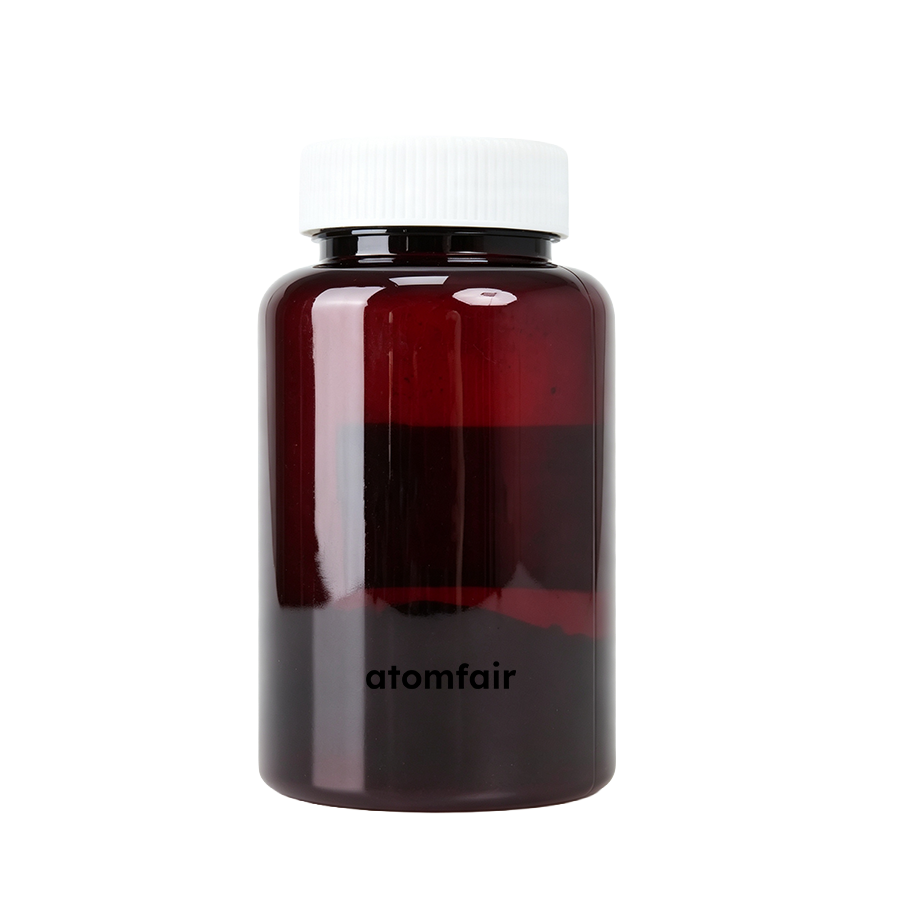
Short MWCNT Powder 30-50 nm 0.5-2 μm >95% ATOMFAIR®
$7.00 -
Short Purified Carboxylic SWCNTs 1-2 nm >90% ATOMFAIR®
$272.00 -
Short Purified Hydroxylated SWCNTs 1-2 nm ATOMFAIR®
$272.00 -
Short Single-walled Carbon Nanotubes 1-2 nm, >60% ATOMFAIR®
$100.00 -
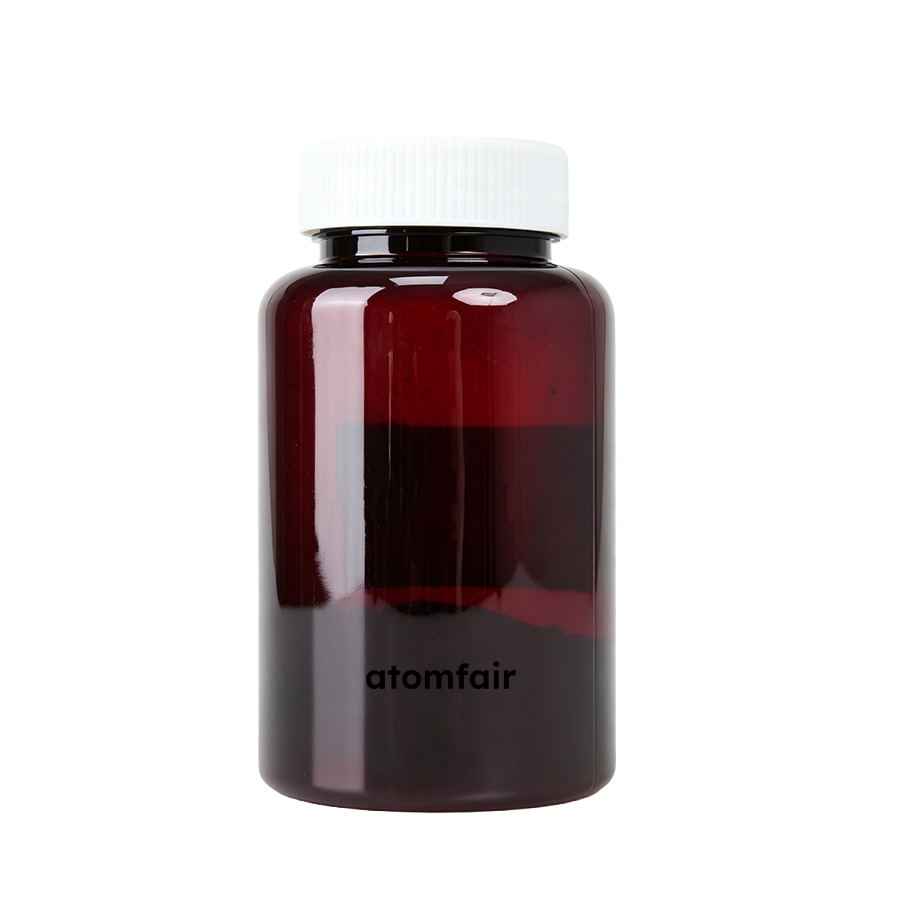
Short-Carboxylic MWCNT 30-50 nm, 0.5-2 μm, >95% ATOMFAIR®
$10.00 -
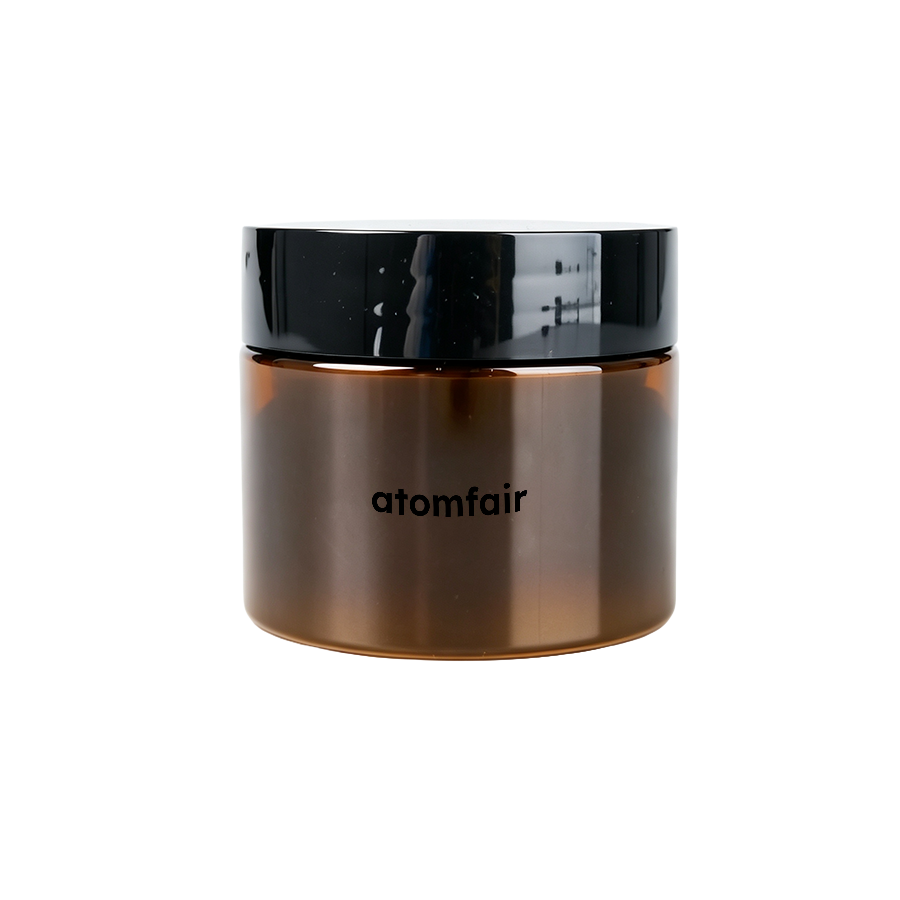
Short-Carboxylic MWCNT Powder 5-15 nm >95% ATOMFAIR®
$16.00 -
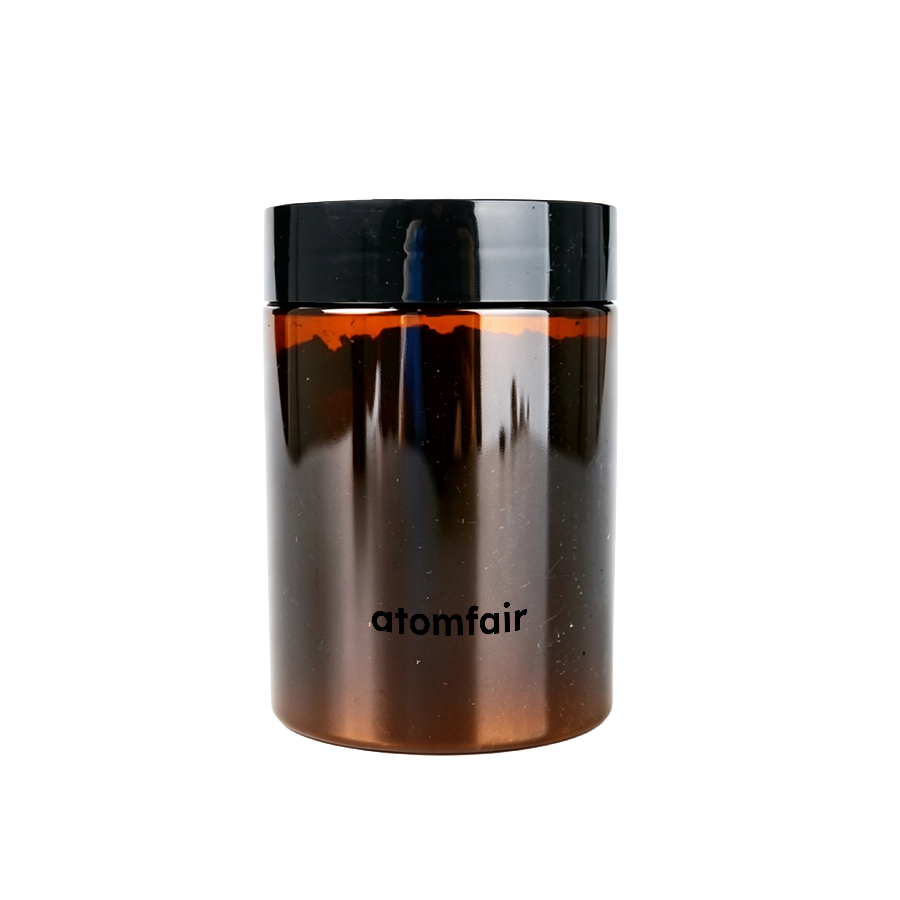
Short-Carboxylic MWCNTs OD >50 nm, 0.5-2 μm >95% ATOMFAIR®
$10.00 -
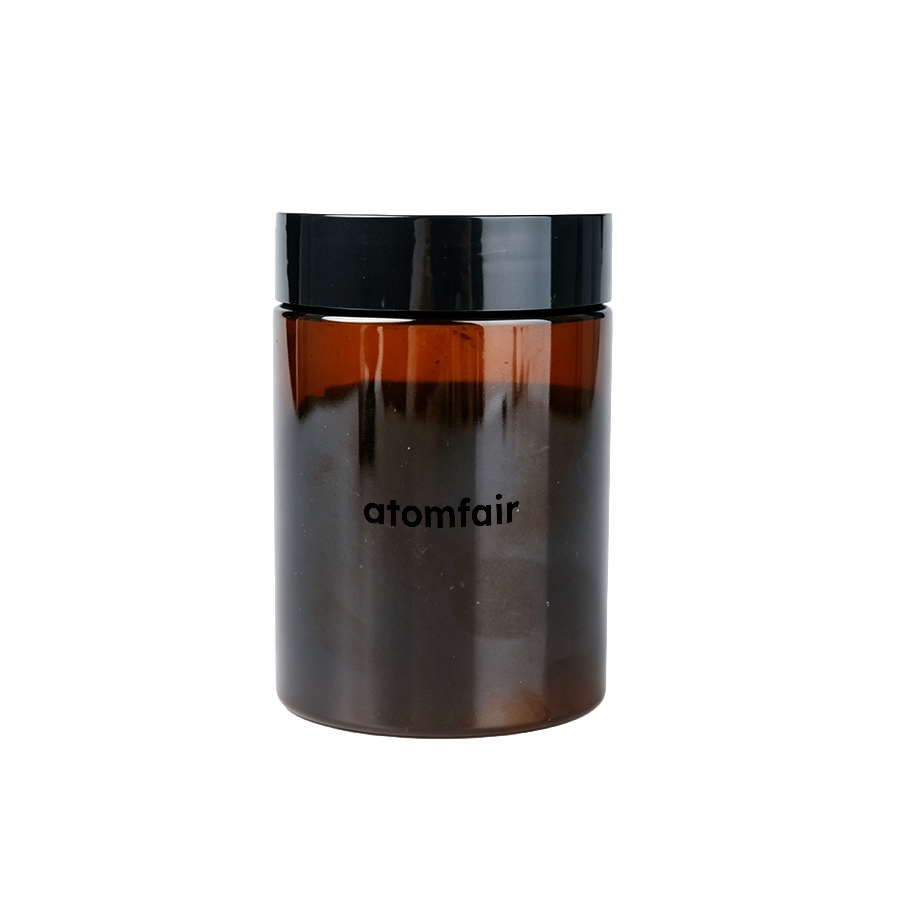
Short-Carboxylic MWCNTs Powder OD 20-30 nm >95% ATOMFAIR®
$10.00 -
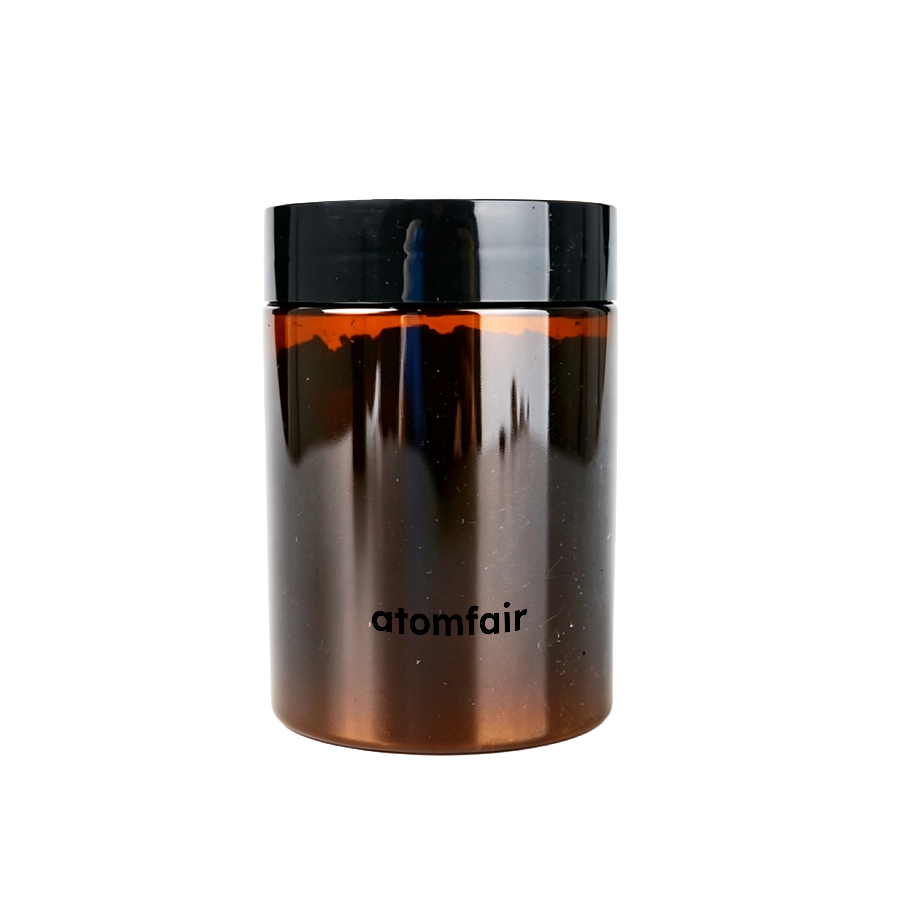
Short-Hydroxylate MWCNTs OD >50 nm, 0.5-2um, >95% ATOMFAIR®
$10.00 -
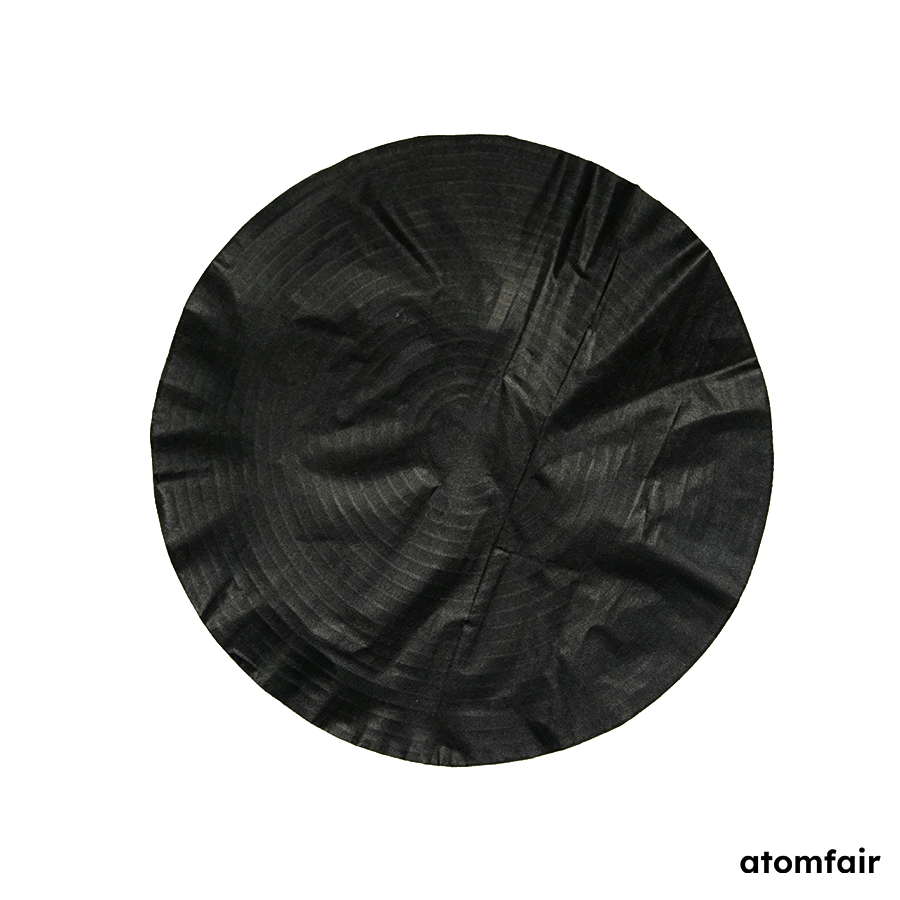
Single-Wall CNT Paper 10-20μm High Conductive ATOMFAIR®
$178.00 -
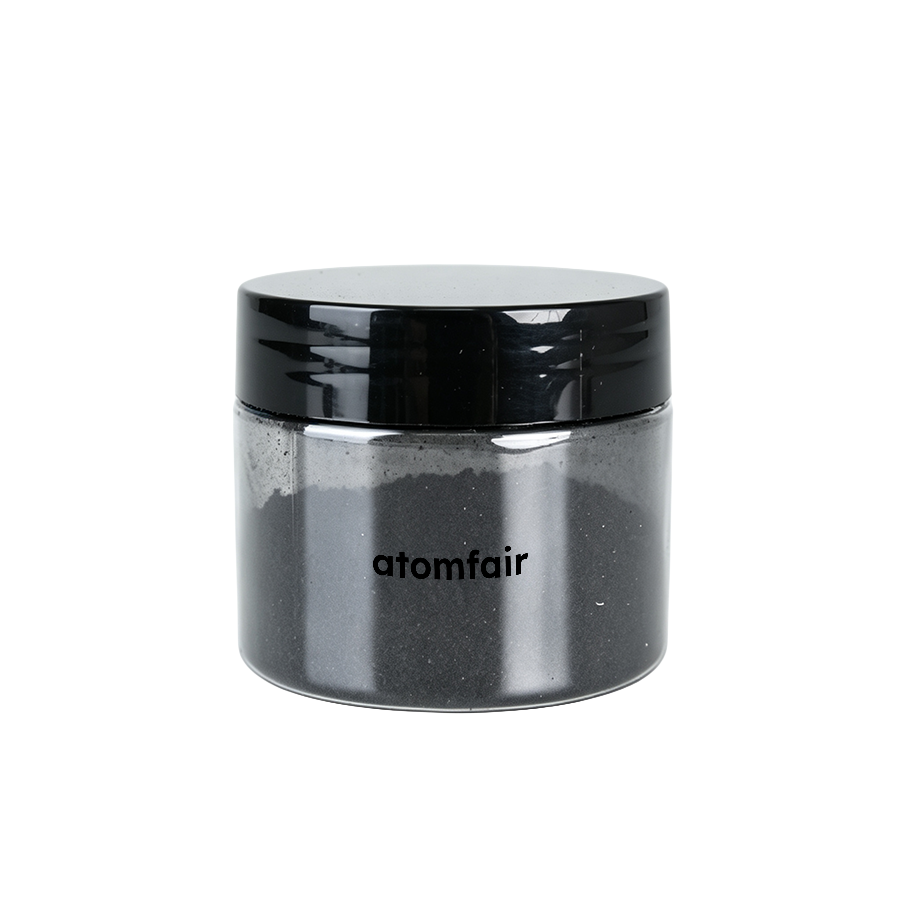
Single-Walled Carbon Nanotube 1-2 nm 5-30um ATOMFAIR®
$291.00 -
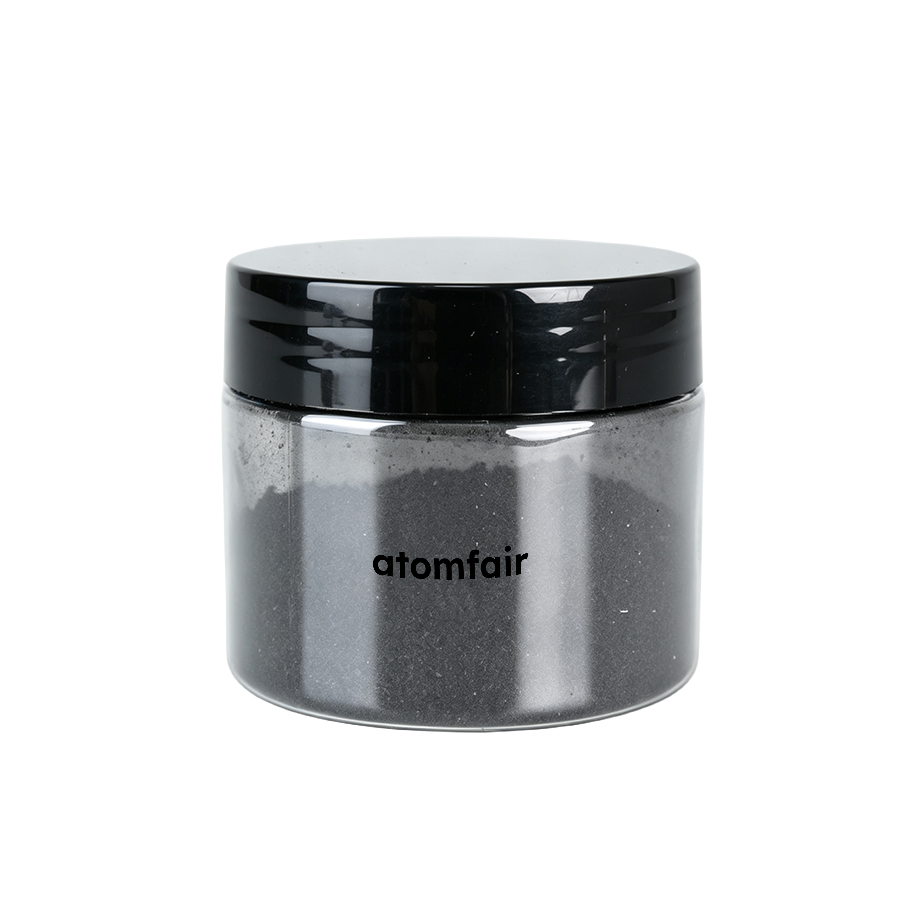
Single-Walled Carbon Nanotubes >95% 1-2 nm ATOMFAIR®
Price range: $142.00 through $566.00 -
Single-Walled Carbon Nanotubes >95%, <2 nm ATOMFAIR®
Price range: $192.00 through $327.00 -
Single-Walled Carbon Nanotubes 1-2 nm >95% ATOMFAIR®
$224.00 -
Single-Walled Carbon Nanotubes 1-2 nm Carboxylated ATOMFAIR®
$75.00 -
Single-Walled Carbon Nanotubes 1-2 nm, 1-3 um ATOMFAIR®
$224.00