
Nitride Evaporation Materials
Nitride evaporation materials are compound source materials for preparing nitride thin films, functional coatings, semiconductor layers, optical films, dielectric layers, wear-resistant coatings, and advanced ceramic films. Material selection is based on chemical composition, purity, physical form, particle size, evaporation source, and target film properties.
This category covers common binary nitrides, refractory nitrides, semiconductor nitrides, ceramic nitrides, and specialty compound nitrides. Materials can be supplied in powder, pellets, pieces, granules, chunks, tablets, and other source-compatible geometries according to the material and deposition process.
Show More
Nitride Material Families
| Material Family | Common Materials | Typical Characteristics | Application Areas |
|---|---|---|---|
| Aluminum Nitride | AlN | High thermal conductivity, electrical insulation, high-temperature stability | Semiconductors, electronic packaging, optical films, dielectric layers |
| Boron Nitride | BN, h-BN | Electrical insulation, thermal resistance, chemical stability | Insulating films, protective layers, optical coatings, ceramic applications |
| Silicon Nitride | Si3N4 | Dielectric performance, barrier properties, chemical resistance | Semiconductors, optical devices, protective films, dielectric coatings |
| Transition Metal Nitrides | TiN, ZrN, HfN, TaN, NbN, CrN, VN | Conductivity, hardness, wear resistance, thermal stability, corrosion resistance | Hard coatings, conductive films, semiconductor layers, high-temperature coatings |
| III-Nitride Semiconductors | GaN, InN | Wide-bandgap or specialty semiconductor properties | Optoelectronics, power devices, RF devices, compound semiconductor research |
| Specialty Compound Nitrides | Zn3N2, Ge3N2, P3N5, MoN, WN, Li3N | Application-dependent electronic, thermal, mechanical, or ionic characteristics | Advanced materials, functional films, energy research, specialty coatings |
Choose the Right Specification
| Selection Factor | Available Options | What to Consider |
|---|---|---|
| Physical Form | Powder, pellets, granules, pieces, chunks, tablets, custom shapes | Select a form compatible with your source, crucible, liner, and loading method. |
| Purity | Research grade, high purity, ultra-high purity | Match purity to film quality requirements and acceptable contamination levels. |
| Particle Size | Nanometer, micrometer, mesh, millimeter ranges | Consider charge density, heating uniformity, evaporation rate, and source geometry. |
| Package Quantity | Laboratory, small-batch, and bulk quantities | Choose according to qualification work, deposition frequency, and expected consumption. |
| Documentation | Specification data, purity information, batch documentation, test reports | Useful for research records, quality control, and repeat purchasing. |
Application-Focused Selection
| Target Application | Materials to Consider | Key Priorities |
|---|---|---|
| Semiconductor and Electronic Films | TaN, TiN, AlN, Si3N4, GaN, InN, NbN | Purity, composition control, source compatibility, repeatability |
| Optical and Dielectric Films | BN, AlN, Si3N4 | Optical performance, insulation, particle-size consistency |
| Hard and Wear-Resistant Coatings | TiN, ZrN, HfN, CrN, VN | Hardness, adhesion, corrosion resistance, surface appearance |
| High-Temperature and Protective Films | TaN, HfN, ZrN, AlN, Si3N4 | Thermal stability, chemical resistance, process compatibility |
| Compound Semiconductor Research | GaN, InN, Zn3N2, specialty nitrides | Material purity, thermal behavior, process-development requirements |
| Advanced Ceramic and Functional Materials | BN, AlN, Si3N4, refractory nitrides | Thermal properties, electrical behavior, chemical stability |
Frequently Asked Questions
How do I choose the right nitride evaporation material?
Start with the required film composition and application, then select the purity, physical form, particle size, and package quantity that fit your equipment and process requirements.
What is the difference between powder, pellets, and pieces?
Powders are suitable for fine measured charges, while pellets, granules, and pieces can provide easier handling and more stable loading. The most suitable form depends on the source design and deposition process.
Is a higher purity level always necessary?
Higher purity can help reduce unwanted impurities, but the appropriate grade depends on the required film performance, process sensitivity, budget, and application. Select the grade that matches your actual specification.
Does particle size affect deposition?
Yes. Particle size can affect packing density, heating behavior, evaporation stability, and the likelihood of material movement during deposition. Choose a size range compatible with your evaporation source.
Can all nitride materials be used in the same evaporation system?
No. Nitrides have different thermal stability, melting or sublimation behavior, and vapor-pressure characteristics. Confirm compatibility with your source, crucible or liner, power range, and vacuum conditions before use.
How much material should I order?
For a new process, choose a quantity suitable for qualification runs and repeat testing. Once the deposition rate, film thickness, and material consumption are established, select a larger package based on your ongoing requirements.
Can I request a specific size, particle range, or package?
Material specifications can be selected according to purity, particle size, physical form, quantity, packaging, and documentation requirements. Providing your intended deposition method and source dimensions helps define the most suitable option.
Showing 65–72 of 72 results
-
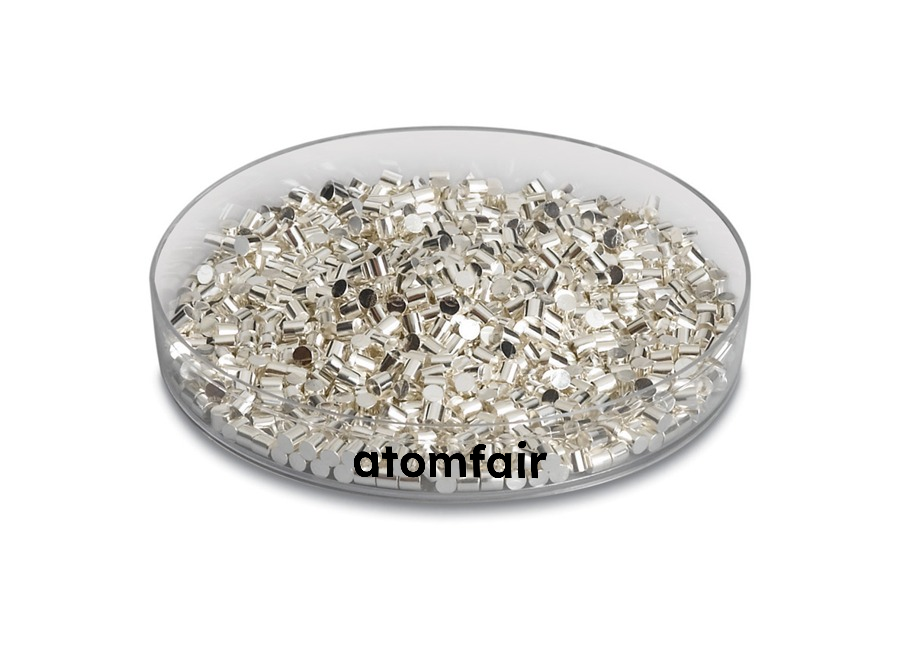
Tantalum Nitride TaN Pellets 99.95% 150μm ATOMFAIR®
Price range: $220.00 through $1,550.00 -
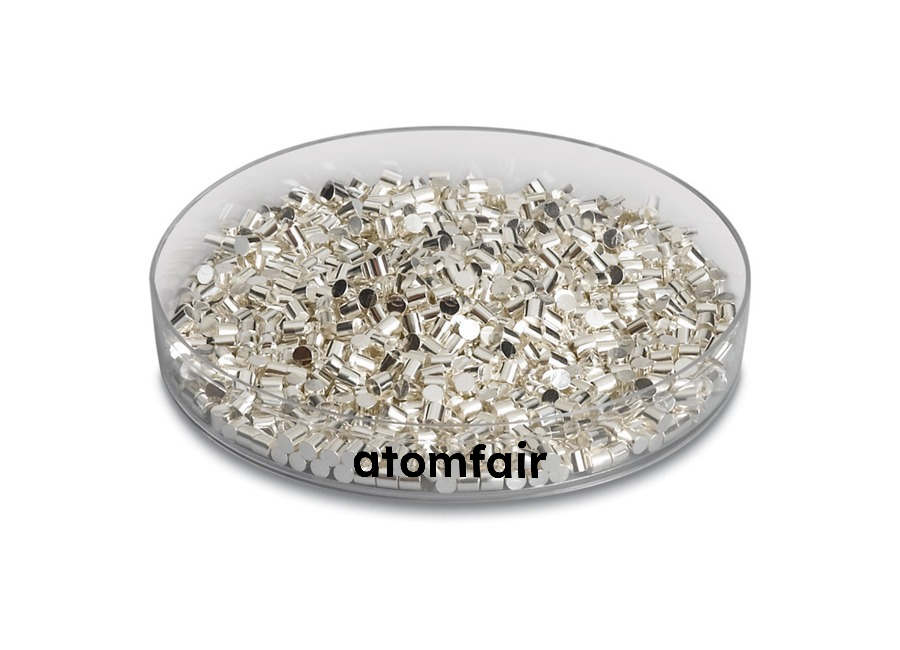
Tantalum Nitride TaN Pellets 99.95% 35μm Grade ATOMFAIR®
Price range: $220.00 through $1,550.00 -
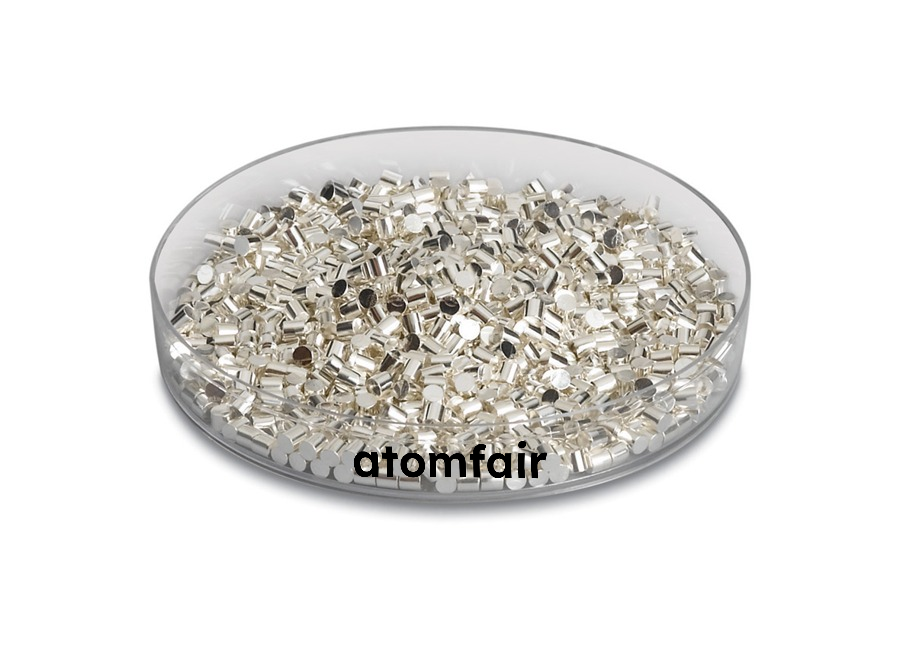
Tantalum Nitride TaN Pellets 99.95% 50μm E-Beam ATOMFAIR®
Price range: $220.00 through $1,550.00 -
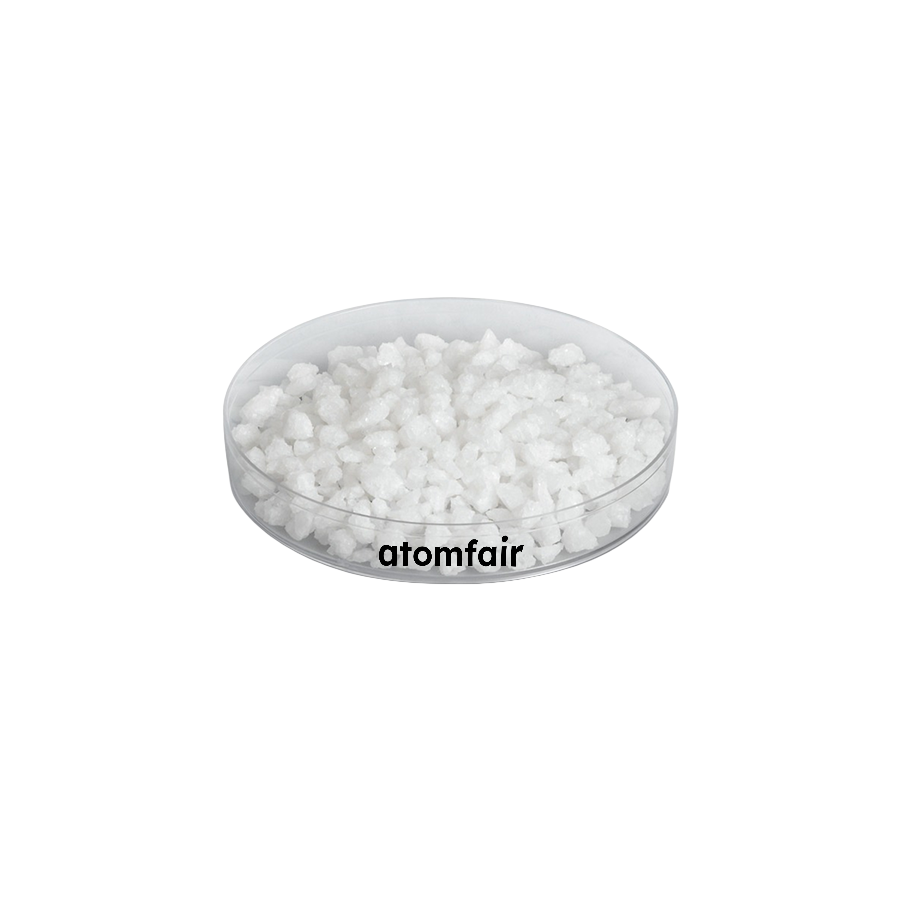
Tantalum Nitride TaN Powder 99.95% 150μm Grade ATOMFAIR®
Price range: $420.00 through $3,900.00 -
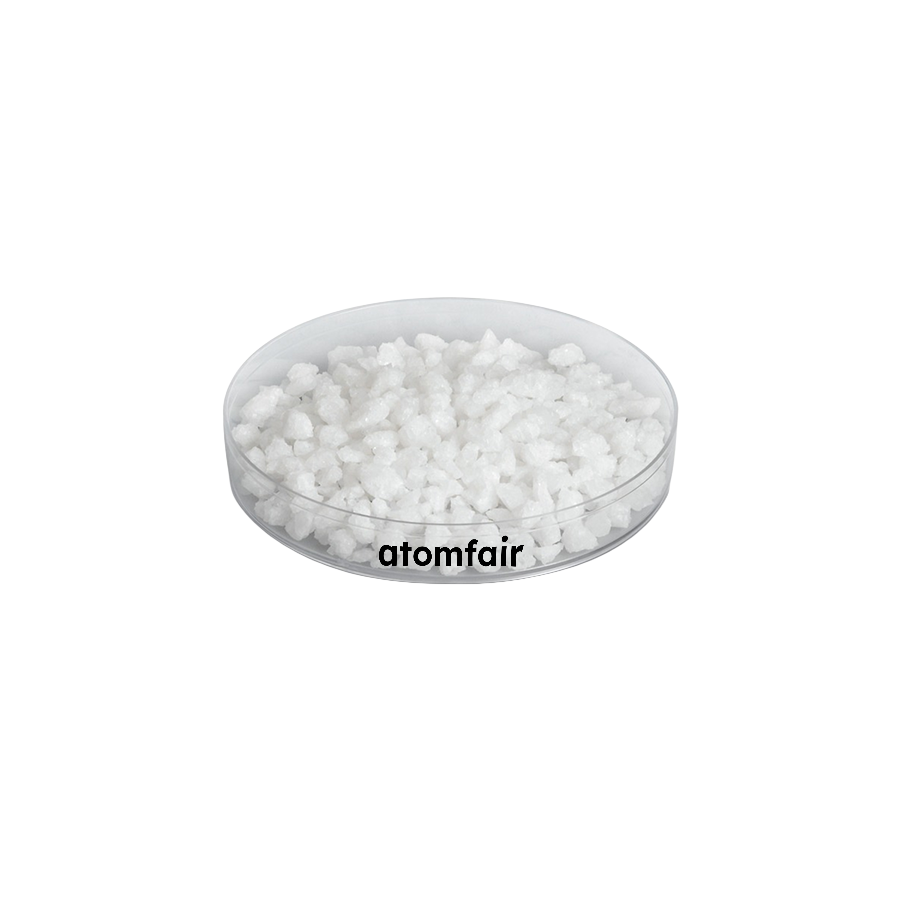
Tantalum Nitride TaN Powder 99.95% 50μm E-Beam ATOMFAIR®
Price range: $420.00 through $3,900.00 -
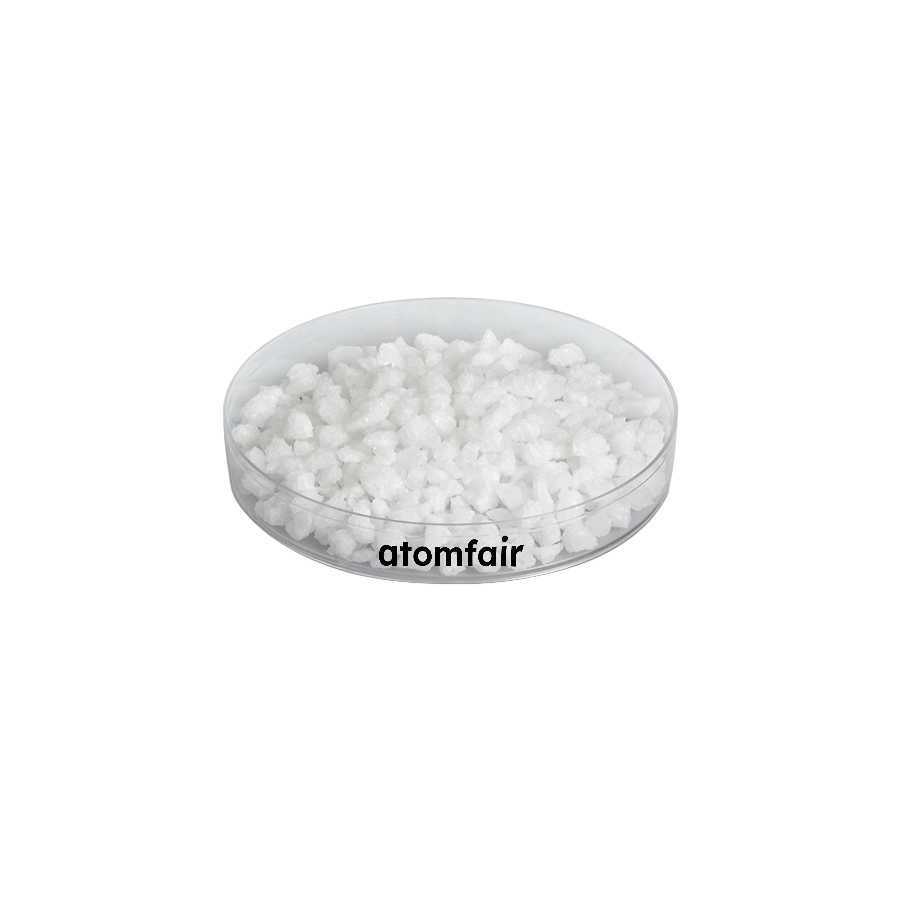
Tantalum Nitride TaN Powder 99.95%, 35μm E-Beam ATOMFAIR®
Price range: $420.00 through $3,900.00 -
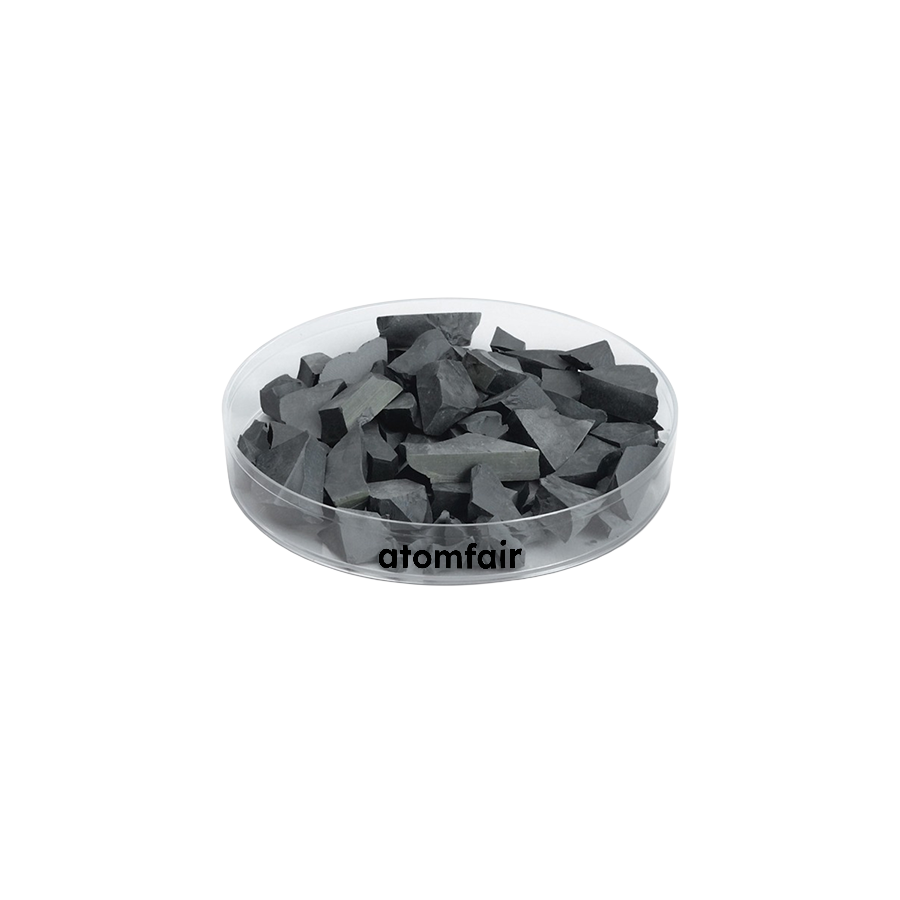
Zinc Nitride Zn3N2 Evaporation Pieces 99.9% 1-3 mm ATOMFAIR®
Price range: $390.00 through $1,350.00 -
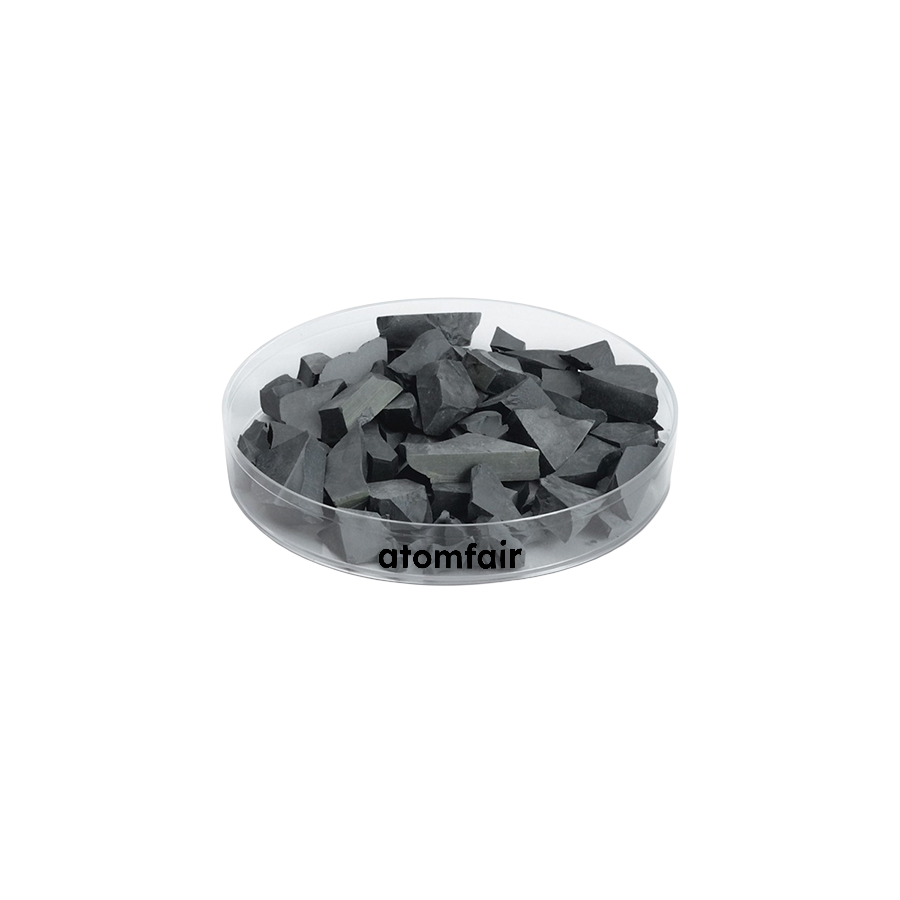
Zirconium Nitride ZrN Pieces 99.9% 1-3 mm ATOMFAIR®
Price range: $390.00 through $1,350.00