
Halide Evaporation Materials
Halide Evaporation Materials are inorganic materials used for vacuum thin-film deposition, optical coatings, electronic devices, photonic materials, semiconductor research, and functional-film development. The material family includes fluorides, chlorides, bromides, and iodides, which can be selected according to chemical composition, purity, physical form, dimensions, and deposition process.
ATOMFAIR supplies research-grade halide evaporation materials for laboratory research, process development, and pilot-scale validation. Available forms may include evaporation pieces, granules, powders, particle-size grades, pellets, and selected deposition targets. The appropriate specification depends on the evaporation source, film design, substrate, deposition rate, and required process control.
Before ordering, buyers should confirm the chemical formula, purity, physical form, size range, package quantity, deposition method, source compatibility, and documentation requirements.
Show More: Halide Evaporation Materials Selection Guide
Material Families
| Material family | Typical material scope | Common application direction | Key selection points |
|---|---|---|---|
| Fluorides | Alkali-metal, alkaline-earth, rare-earth, and metal fluorides | Optical films, low-index layers, electronic materials, and insulating layers | Purity, evaporation temperature, optical properties, refractive index, and source compatibility |
| Chlorides | Alkali-metal, alkaline-earth, transition-metal, and post-transition-metal chlorides | Functional films, electronic materials, chemical-sensing layers, and interface layers | Moisture sensitivity, storage conditions, evaporation stability, and film composition |
| Bromides | Silver, cadmium, lead, cobalt, iron, nickel, alkali-metal, and other metal bromides | Optoelectronic films, semiconductor research, photosensitive materials, and composite films | Purity, thermal behavior, deposition route, and halogen-ratio control |
| Iodides | Silver, cadmium, lead, lithium, potassium, rubidium, and other metal iodides | Photovoltaic and optoelectronic research, halide semiconductors, and functional interface layers | Light sensitivity, volatility, sealed packaging, and deposition-rate control |
| Multi-component halides | Double-metal halides, mixed halides, and defined stoichiometric compositions | Composite functional films, graded films, and specialized thin-film systems | Stoichiometry, differences in component volatility, co-evaporation, and sequential deposition |
Physical Forms
| Form | Suitable use case | Main benefit |
|---|---|---|
| Evaporation pieces | Thermal, resistive, and selected e-beam evaporation systems | Easy weighing, loading, and repeatable handling |
| Granules | Evaporation sources requiring stable filling and uniform heating | Convenient control of loading quantity and source filling |
| Powders | Fine-particle loading, formulation screening, or specialized source designs | Flexible particle-size and quantity options |
| Pellets or custom shapes | Dedicated evaporation sources, defined target positions, or automated loading systems | Can be matched to equipment geometry and material demand |
Deposition Methods
| Deposition method | Selection approach | Parameters to confirm |
|---|---|---|
| Thermal or resistive evaporation | Materials with suitable volatility and heating behavior in boats or crucibles | Source material, heating range, deposition rate, and loading method |
| Electron-beam evaporation | High-temperature materials or materials requiring concentrated energy input | Beam power, hearth or liner material, melt behavior, and composition stability |
| Co-evaporation | Composite films requiring simultaneous control of multiple halide components | Relative evaporation rates, source spacing, deposition ratio, and film thickness |
| Sequential deposition | Layered or graded structures requiring separate material deposition | Deposition order, interface reaction, vacuum conditions, and intermediate treatment |
Key Specifications
| Specification | Common options | Why it matters |
|---|---|---|
| Purity | 99.9%, 99.99%, 99.995%, 99.999%, and other grades | Influences impurity control, film performance, and process repeatability |
| Particle size or dimensions | Fine powders, mesh grades, nanoscale powders, and millimeter-scale pieces | Affects filling density, heating uniformity, and evaporation stability |
| Package size | Laboratory quantities, development packs, and larger-volume packages | Supports process screening, repeat experiments, or continuous deposition |
| Documentation | Product specifications, batch information, SDS, COA, and technical documentation | Supports laboratory records, quality management, and institutional purchasing |
Application Areas
- Optical and photonic coatings, including anti-reflection films, reflective films, filter layers, and multilayer structures.
- Electronic and semiconductor thin films, including insulating layers, interface layers, and functional materials.
- Halide semiconductor and optoelectronic materials for photovoltaic, light-emitting, and detection research.
- Sensor and surface-functionalization films for chemical, ionic, and environmental response studies.
- Composite and graded films produced through co-evaporation or sequential deposition.
- Material screening and process development using different purity grades, particle sizes, forms, and chemical compositions.
Frequently Asked Questions
What are Halide Evaporation Materials mainly used for?
They are mainly used for vacuum thin-film deposition, optical coatings, optoelectronic devices, semiconductor research, halide functional films, sensors, and composite-film development.
How should I choose between a fluoride, chloride, bromide, or iodide?
Choose according to the target film composition, optical or electronic properties, deposition temperature, volatility, and equipment conditions. For a new process, purity, physical form, and package size can be selected to support initial screening.
Should I choose pieces, granules, or powder?
Pieces and granules are generally convenient for loading and weighing in standard evaporation sources. Powders are useful for fine-particle loading, formulation screening, or specialized source designs. The final choice should match the source geometry and loading procedure.
How do I choose between thermal evaporation and e-beam evaporation?
Thermal evaporation is suitable for materials that can be stably heated in a boat or crucible. E-beam evaporation is often considered for high-temperature materials or processes requiring concentrated energy input. The material properties and equipment configuration should be reviewed together.
Does higher purity always provide better results?
Higher purity can help reduce contamination, but the best grade also depends on the target film, process requirements, equipment, and budget. For device-level or high-cleanliness films, confirm the purity basis and available batch documentation.
Can particle size affect deposition performance?
Yes. Particle size and physical form can affect filling density, heating uniformity, evaporation rate, and material utilization. For repeatable processing, it is generally preferable to maintain a consistent material form and size range.
Can custom dimensions or packaging be requested?
Custom dimensions, physical forms, package sizes, or equipment-specific configurations may be available upon request. Include the chemical formula, purity, dimensions, quantity, and deposition method when requesting assistance.
How should halide materials be stored and handled?
Some halides may be sensitive to moisture, air, or light. Store and handle them according to the applicable product documentation, keep exposure as short as practical during transfer and loading, and consult the product SDS for specific safety and storage requirements.
Showing 65–80 of 102 results
-
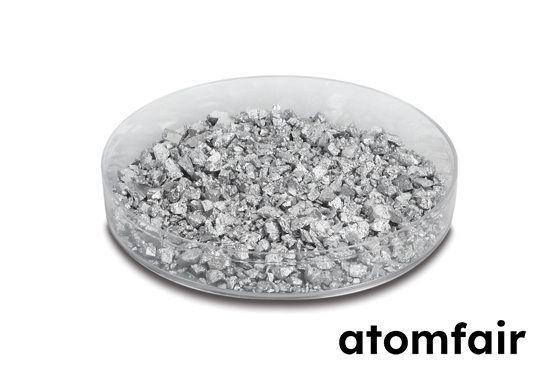
Lithium Iodide Evaporation Powder 99.9% 1-5 μm ATOMFAIR®
Price range: $370.00 through $2,700.00 -
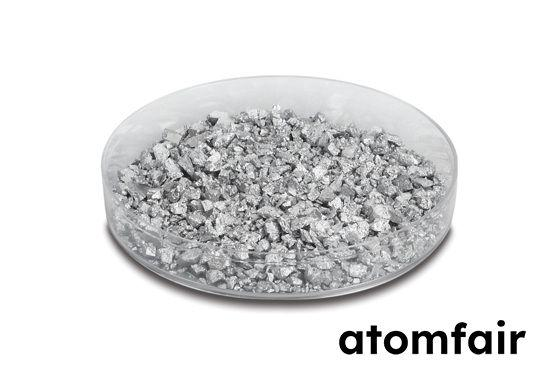
Magnesium Bromide Evaporation Pieces 99.9% 1-3 mm ATOMFAIR®
Price range: $240.00 through $1,350.00 -
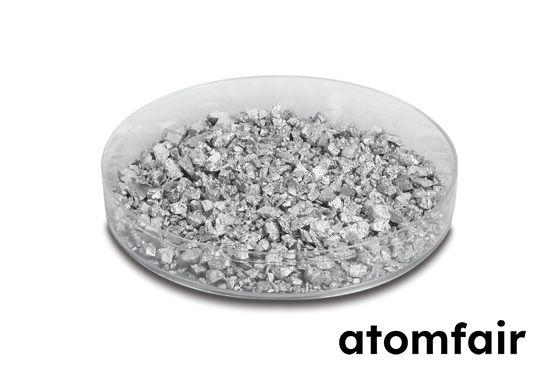
Magnesium Chloride Evaporation Pieces 99.9% 1-3 mm ATOMFAIR®
Price range: $390.00 through $1,350.00 -
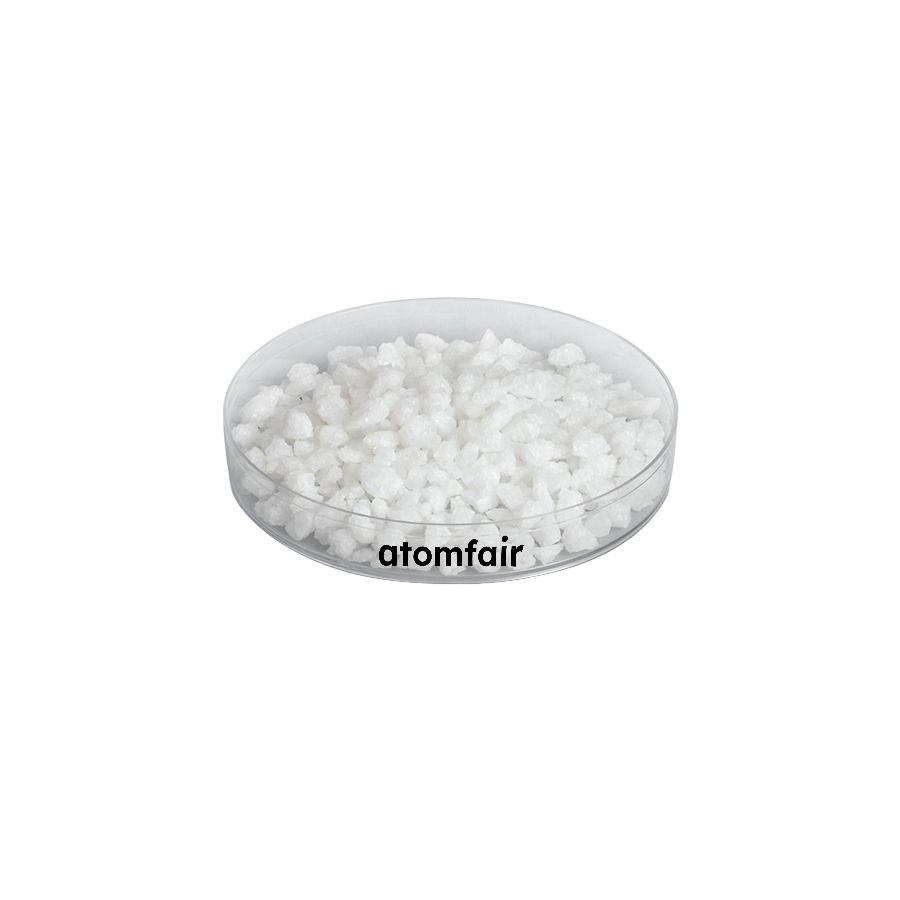
Magnesium Fluoride 99.95% 3 mm Evaporation Pieces ATOMFAIR®
Price range: $210.00 through $950.00 -
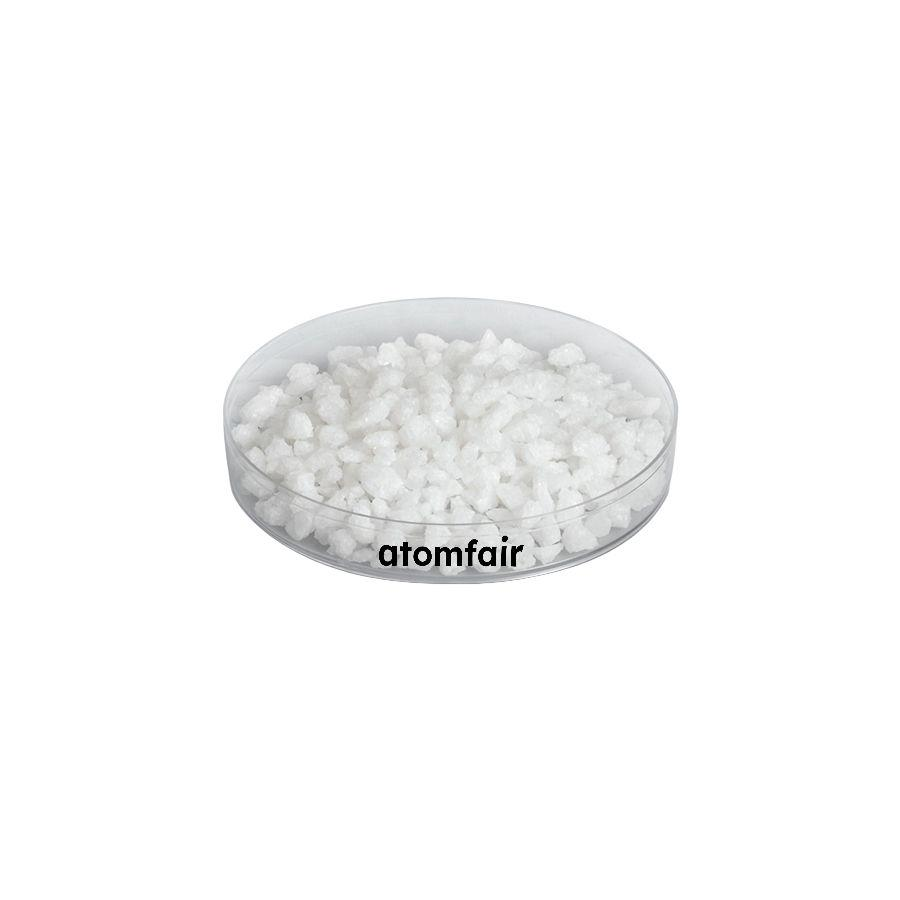
Magnesium Fluoride Evaporation Pieces 99.9% 3 mm ATOMFAIR®
Price range: $220.00 through $1,100.00 -
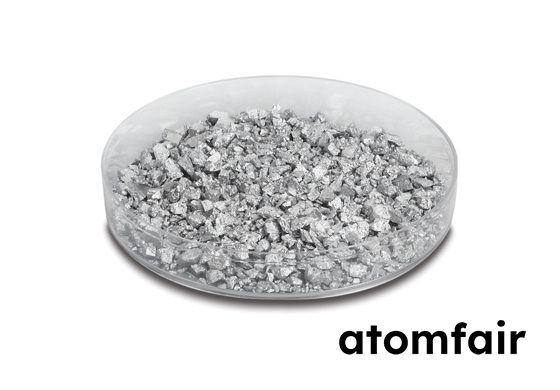
Magnesium Iodide Evaporation Material 99.9%
Price range: $390.00 through $1,350.00 -
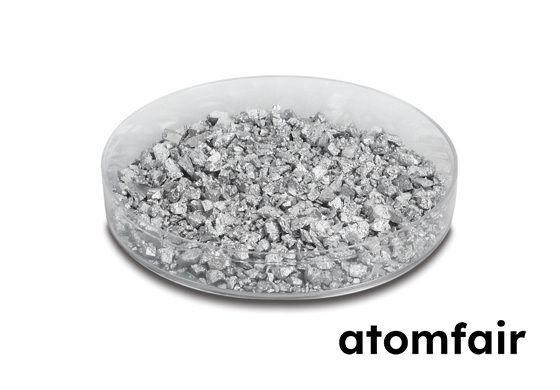
Manganese Bromide MnBr2 99.9% 1-3 mm Evaporation ATOMFAIR®
Price range: $240.00 through $1,350.00 -
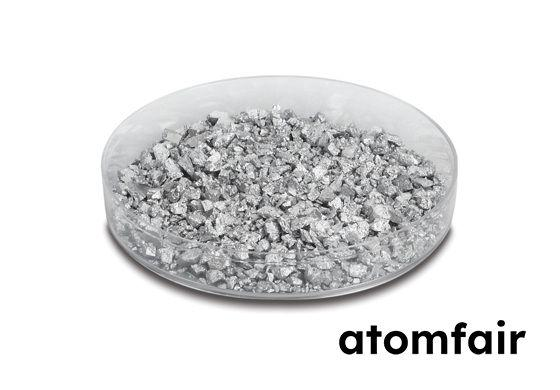
Manganese Chloride 99.9% 1-3 mm Evaporation Pieces ATOMFAIR®
Price range: $390.00 through $1,350.00 -
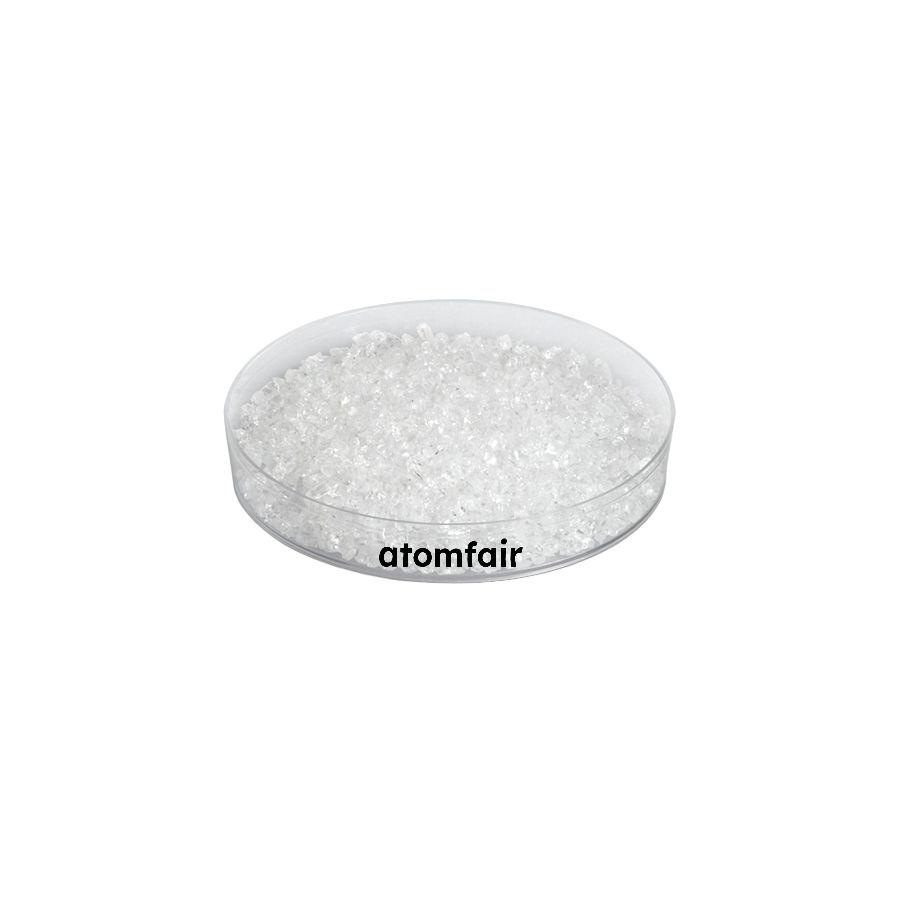
Manganese(II) Oxide MnO Pieces 99.9% 1-3 mm ATOMFAIR®
Price range: $390.00 through $1,350.00 -
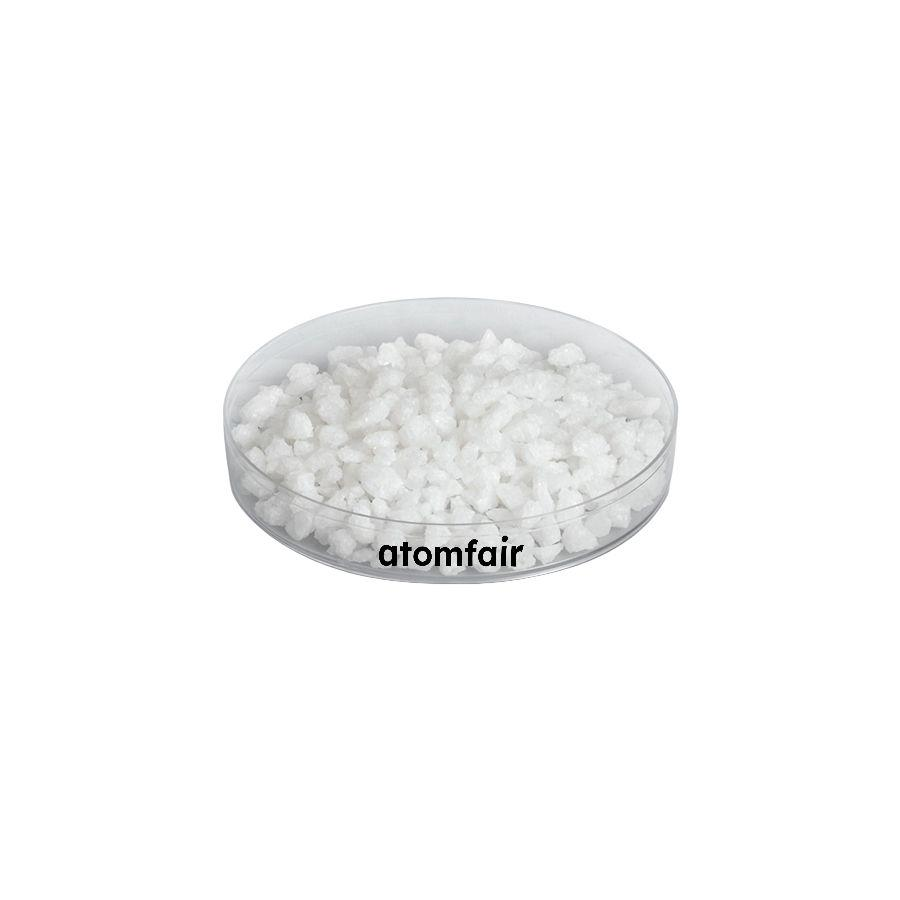
Manganese(III) Oxide Mn2O3 Powder 99.4%, 28 nm ATOMFAIR®
Price range: $420.00 through $3,300.00 -
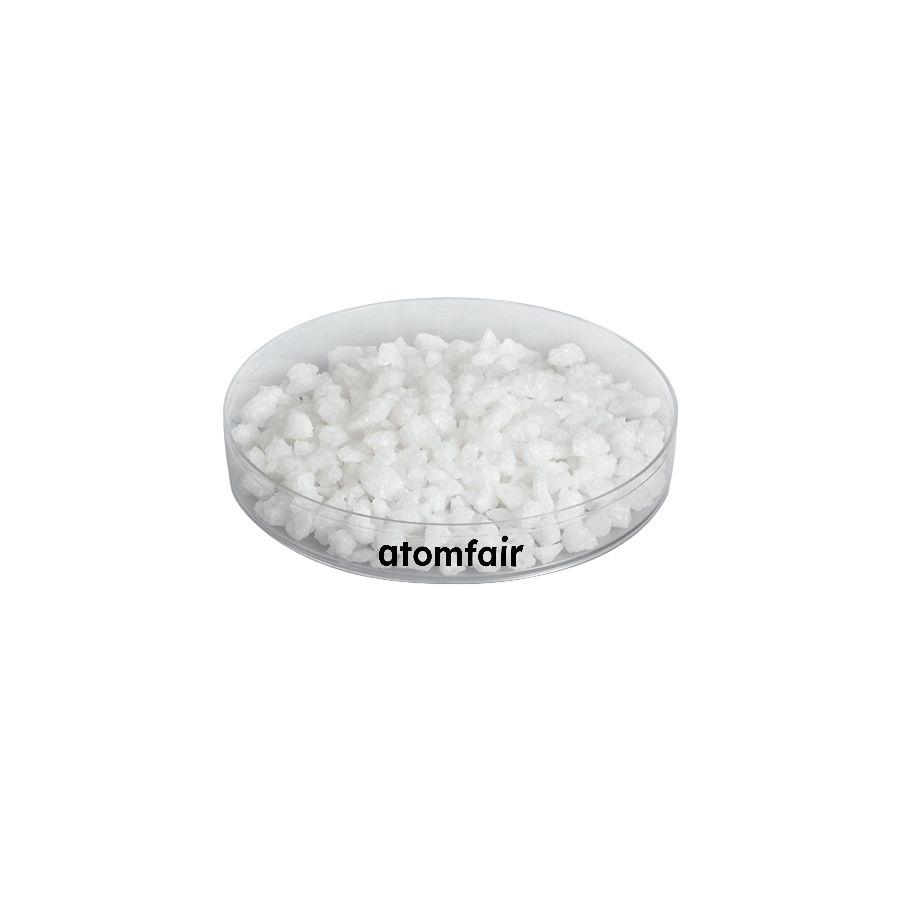
Manganese(IV) Oxide MnO2 Powder 99.99% 1-5μm ATOMFAIR®
Price range: $410.00 through $3,100.00 -
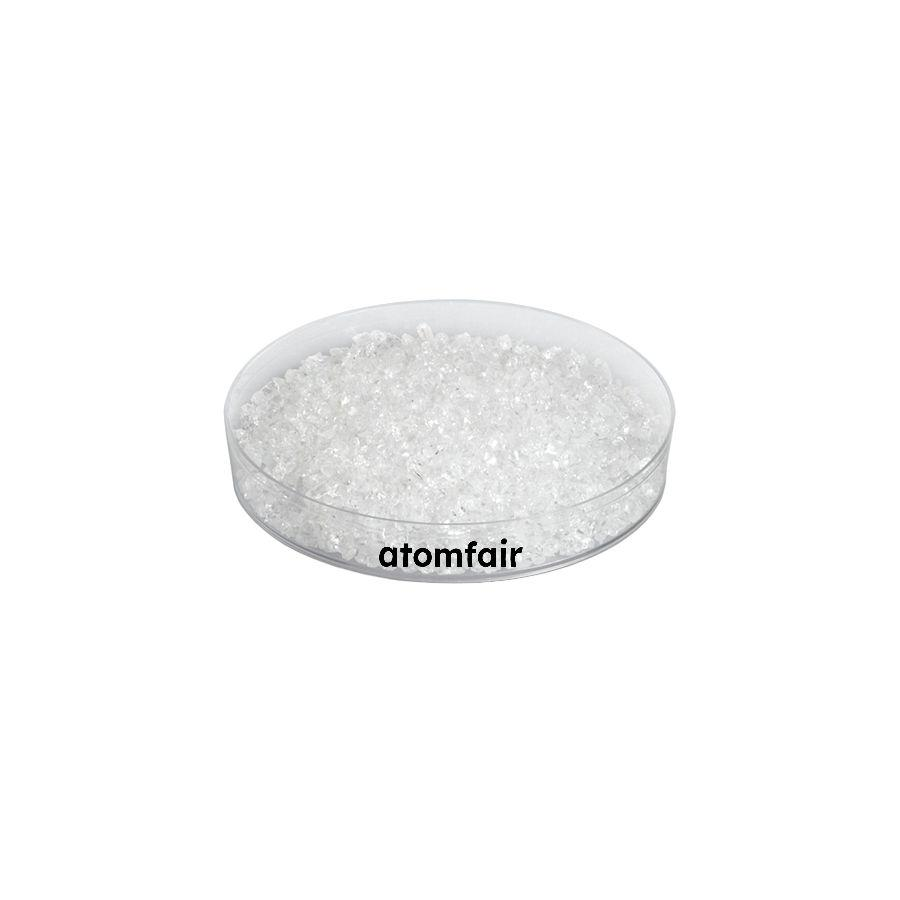
Neodymium Fluoride NdF3 Pieces 99.99% 1-3 mm ATOMFAIR®
Price range: $160.00 through $850.00 -
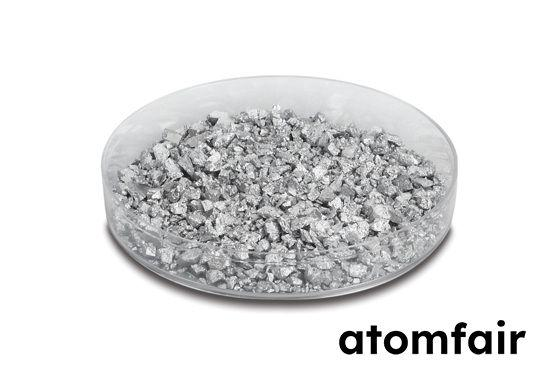
Nickel Bromide NiBr2 99.9% Grade 1-3 mm Pieces ATOMFAIR®
Price range: $240.00 through $1,350.00 -
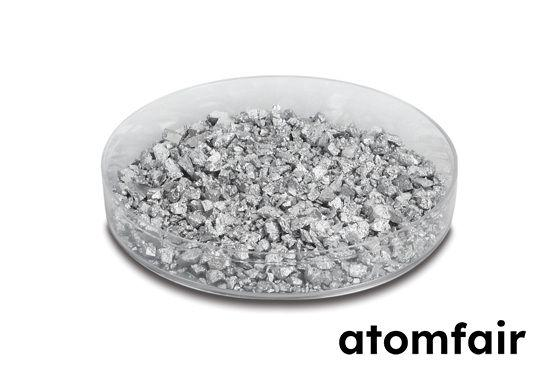
Nickel Chloride NiCl2 Pieces 99.9% 1-3 mm ATOMFAIR®
Price range: $390.00 through $1,350.00 -
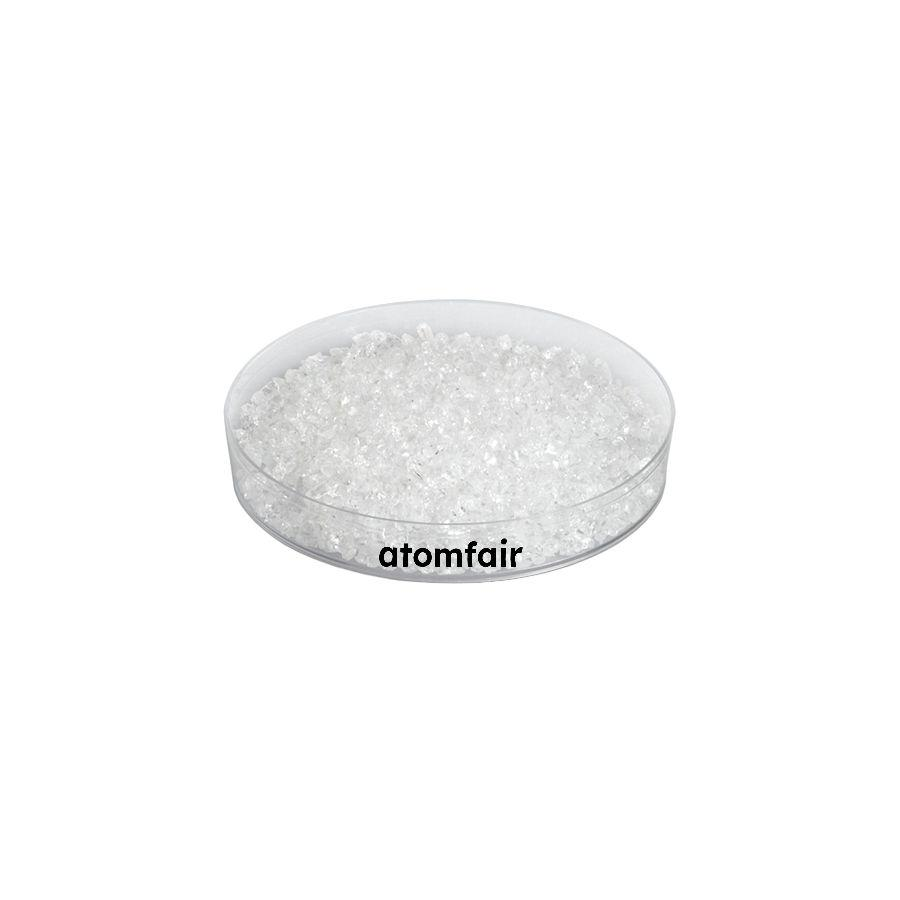
Niobium(II) Oxide NbO Pieces 99.9% 1-3 mm ATOMFAIR®
Price range: $200.00 through $1,350.00 -
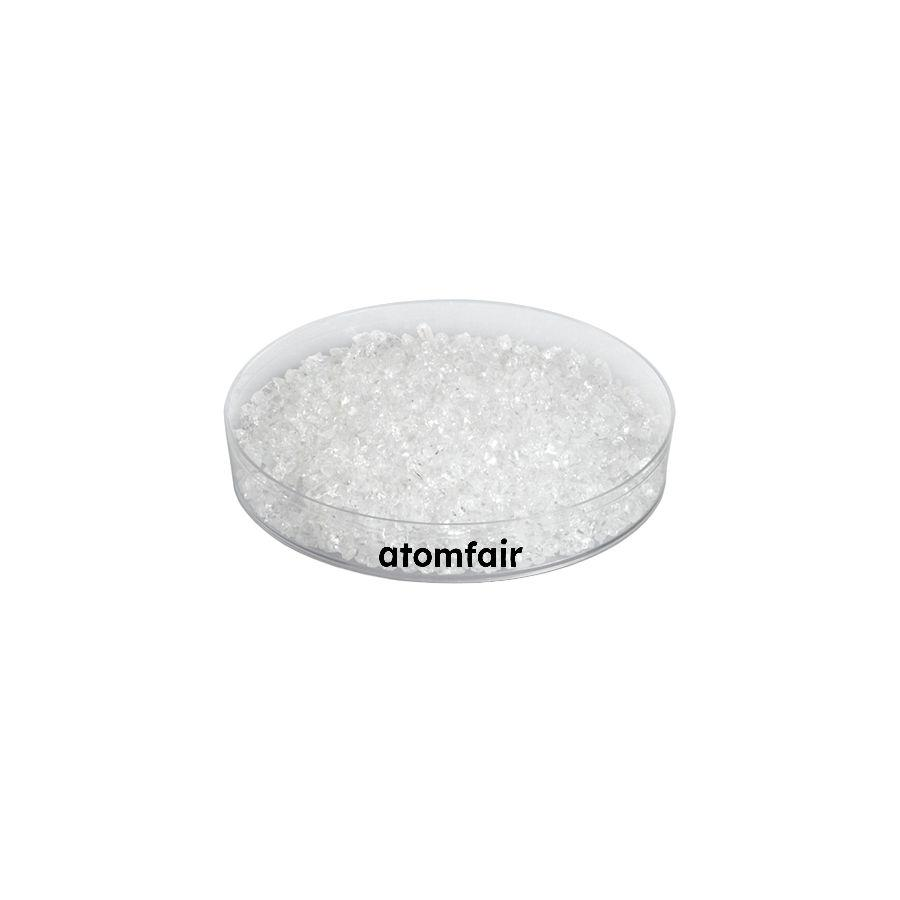
Niobium(III) Oxide Evaporation Pieces 99.99% ATOMFAIR®
Price range: $160.00 through $850.00