
Advanced Ceramics & Inorganic Materials
Advanced ceramics and inorganic materials include high-purity oxides, doped and stabilized oxides, carbides, nitrides, borides, silicides, chalcogenides, halides, phosphides, and specialty inorganic compounds. These material systems support high-temperature structural materials, electronic and electrical materials, optical and infrared materials, energy research, catalysis, thin-film deposition, coating development, and advanced manufacturing.
Each material family offers different combinations of thermal resistance, hardness, thermal conductivity, electrical conductivity, dielectric behavior, optical response, chemical stability, and process compatibility. When selecting a material, first identify the material family that matches your application, then compare purity, composition, particle size, crystal phase, physical form, and processing requirements.
Whether you are conducting materials research, developing a formulation, processing an advanced ceramic, fabricating a device, or sourcing an inorganic material for a thin film, coating, or high-temperature application, this category provides a practical starting point for choosing the right material direction.
Show More: A Guide to Selecting Advanced Ceramic and Inorganic Materials
Choose by Material Family
| Material family | Common material directions | Typical application areas | Key selection considerations |
|---|---|---|---|
| High-Purity Oxides | Alumina, zirconia, titanium dioxide, silica, magnesium oxide, yttrium oxide, ceria, rare-earth oxides, and related systems | Ceramics, catalysis, electronic materials, optical materials, coatings, and material synthesis | Purity, particle size, crystal phase, specific surface area, color, and physical form |
| Doped & Stabilized Oxides | Stabilized zirconia, doped ceria, doped titanium oxide, and other functional oxide systems | Solid electrolytes, sensors, dielectric materials, thermal-barrier coatings, and functional ceramics | Base composition, dopant or stabilizer system, phase structure, and target function |
| Carbides | Silicon carbide, boron carbide, titanium carbide, tungsten carbide, zirconium carbide, tantalum carbide, and related systems | Wear-resistant materials, high-temperature structures, thermal materials, hard materials, and composites | Composition, purity, particle size, and suitability for sintering or composite processing |
| Nitrides | Aluminum nitride, boron nitride, silicon nitride, titanium nitride, and related composite systems | Thermally conductive insulation, electronic packaging, high-temperature ceramics, wear coatings, films, and functional materials | Thermal or electrical requirements, crystal structure, powder form, and process conditions |
| Borides | Titanium diboride, zirconium diboride, hafnium diboride, lanthanum hexaboride, and related systems | Ultra-high-temperature ceramics, conductive ceramics, hard materials, thermal protection, and electron-emission research | Temperature requirements, electrical behavior, oxidation resistance, and processing method |
| Silicides | Molybdenum disilicide, tungsten disilicide, titanium silicide, and other metal silicides | High-temperature heating elements, oxidation-resistant coatings, electronic materials, films, and structural materials | Operating temperature, atmosphere, electrical behavior, thermal stability, and physical form |
| Chalcogenides | Sulfides, selenides, tellurides, and multicomponent chalcogenide compounds | Semiconductors, infrared optics, thermoelectrics, optoelectronics, two-dimensional materials, and thin films | Chemical formula, elemental ratio, purity, crystal phase, and powder or crystal form |
| Halides | Fluorides, chlorides, bromides, iodides, and related inorganic halide systems | Optical materials, scintillators, crystal growth, precursors, and functional-material research | Chemical composition, hydration state, purity, storage conditions, and use environment |
| Phosphides | Metal phosphides, semiconductor phosphides, and multicomponent phosphide systems | Semiconductors, catalysis, energy storage, magnetic materials, and functional-material research | Composition, phase structure, purity, air stability, and intended research use |
| Specialty Inorganic Compounds | Niobates, titanates, ferrites, germanates, antimonides, hydroxides, and other functional compounds | Piezoelectric, dielectric, magnetic, luminescent, catalytic, optoelectronic, and synthesis research | Chemical system, functional direction, purity, crystal phase, and required form |
Choose by Application
High-Temperature, Wear-Resistant, and Structural Materials
Carbides, nitrides, borides, and silicides are widely considered for high-temperature, wear-resistant, corrosion-resistant, and thermal-protection research. Begin with the operating temperature, mechanical requirements, thermal or electrical behavior, and planned sintering, hot-pressing, coating, or composite process.
Electronic, Electrical, and Functional Ceramics
High-purity oxides, doped oxides, nitrides, borides, and specialty inorganic compounds support dielectric, piezoelectric, magnetic, thermally conductive, electrically insulating, solid-electrolyte, and electronic-packaging applications. In functional-material projects, also consider the dopant system, phase structure, and material consistency.
Optical, Infrared, and Optoelectronic Materials
Chalcogenides, halides, selected oxides, phosphides, and specialty inorganic compounds can support optical windows, infrared devices, lasers, detectors, luminescent materials, and nonlinear-optical research. Selection should reflect the target wavelength, optical requirements, physical form, and planned preparation method.
Energy, Catalysis, and Electrochemical Research
Doped oxides, chalcogenides, phosphides, specialty inorganic compounds, and selected high-purity oxides can be used in battery, solid-electrolyte, electrocatalytic, photocatalytic, energy-storage, and reaction-material research. First identify the material’s role in the system, such as active material, additive, catalyst, precursor, or functional coating.
Thin Films, Coatings, and Advanced Manufacturing
For sputtering, evaporation, sintering, spraying, slurry processing, composite fabrication, or other preparation routes, confirm the process before selecting powder, granules, bulk material, crystal, target, or another form. Composition stability, particle size, density, dimensions, and process compatibility can all affect the final result.
Key Factors to Confirm Before Selecting a Material
Define the Material’s Role in Your Project
The same inorganic material may be used in different research routes. It may serve as the final functional material, a synthesis precursor, a sintering raw material, a coating component, or a filler in a composite. Defining its role first makes it easier to choose the right material family and specification.
Match the Material Family to the Performance Target
For high-temperature and wear-resistant requirements, begin with carbides, nitrides, borides, and silicides. For thermal conductivity, insulation, dielectric behavior, or other electrical functions, consider oxides, doped oxides, and nitrides. For optical, semiconductor, or thermoelectric work, compare chalcogenides, halides, phosphides, and specialty inorganic compounds.
Consider Purity, Composition, and Crystal Phase Together
High purity can help reduce the effect of impurities on material performance and experimental repeatability, but the highest purity is not always the only requirement. For functional ceramics, semiconductors, optical materials, and electrochemical research, composition, dopant level, crystal phase, and relevant impurity limits should be considered together with the project objective.
Select the Appropriate Physical Form
Powders are commonly used for mixing, sintering, coating, and material synthesis. Granules or bulk forms may be preferred for specific processing and melting routes. Crystals are used for optical, electrical, and structural characterization. Targets, evaporation materials, and custom forms should be matched to the deposition equipment and process.
Consider the Actual Use Environment
High temperature, vacuum, inert atmosphere, humidity, acidic or alkaline conditions, and electrochemical environments can all affect material selection. For materials that may be sensitive to air, moisture, light, or temperature, review the product’s storage, transport, and safety information before use.
Common Physical Forms and Applications
| Physical form | Common applications | Selection guidance |
|---|---|---|
| Powder | Mixing, sintering, pressing, slurries, coatings, catalysis, and material synthesis | Consider particle size, dispersion, purity, morphology, and process suitability |
| Granules or pellets | Melting, evaporation, replenishment, pressing, and selected preparation processes | Confirm particle dimensions, flow behavior, and equipment compatibility |
| Bulk or sheet material | Cutting, machining, characterization, high-temperature experiments, and specialized assembly | Consider dimensions, thickness, density, surface condition, and machining requirements |
| Crystal | Optical, electrical, infrared, structural characterization, and device research | Confirm composition, crystal quality, dimensions, and testing requirements |
| Target or deposition material | Sputtering, evaporation, coating, and thin-film preparation | Match the material composition, dimensions, and physical form to the equipment and process |
Frequently Asked Questions
I am not sure which advanced ceramic material to choose. Where should I start?
Start with your application goal. For high-temperature and wear-resistant work, review carbides, nitrides, borides, and silicides. For electronic, dielectric, and thermally conductive or insulating applications, consider oxides, doped oxides, and nitrides. For optical, infrared, semiconductor, and thermoelectric work, compare chalcogenides, halides, phosphides, and specialty inorganic compounds.
What is the difference between high-purity oxides and doped or stabilized oxides?
High-purity oxides are generally based on a defined single or base oxide system and are suitable for synthesis, formulation development, and fundamental research. Doped or stabilized oxides use deliberate composition design to support electrical, ionic-conductivity, thermal-stability, or other functional requirements. The right choice depends on whether your project requires a specific functional modification.
Can carbides, nitrides, borides, and silicides replace one another?
They should not be treated as direct substitutes. Although all four families are used in advanced ceramics and high-temperature research, they differ in hardness, thermal conductivity, electrical behavior, oxidation resistance, thermal expansion, and processing requirements. Consider the operating temperature, environment, target performance, and preparation method before selecting a material.
Do I only need to compare purity when selecting a material?
No. Purity is important, but particle size, crystal phase, physical form, composition ratio, and process compatibility can be equally important. Materials with the same general chemistry may require different processing conditions when used for sintering, coatings, thin films, or dispersion systems.
How should I choose between powder, bulk material, crystal, and target material?
Choose according to the next step in your process. Powders are suitable for mixing, sintering, slurries, and synthesis. Bulk materials are suitable for machining, cutting, or high-temperature experiments. Crystals are used for optical, electrical, and structural characterization. Targets and deposition materials are intended for thin-film preparation.
What should I confirm when selecting a material for a thin film or coating?
First identify the process, such as sputtering, evaporation, spraying, sintered coating, or another method. Then confirm the material composition, physical form, dimensions, purity, and compatibility with the equipment or substrate. Different processes can require very different material forms and specifications.
Do these materials require special storage?
Storage requirements depend on the individual material. Some inorganic materials may be sensitive to moisture, air, light, or temperature, particularly in certain halide, chalcogenide, and phosphide systems. Follow the product label, SDS, and applicable laboratory procedures for storage and handling.
What information should I prepare when selecting a specification for my project?
Prepare your application direction, material family, target performance, required physical form, quantity, and planned process. If your project has specific requirements for purity, particle size, phase, dimensions, or packaging, include those details when comparing materials.
Showing 305–320 of 747 results
-
Gadolinium Disilicide Powder 99.9%, -325 Mesh ATOMFAIR®
Price range: $189.00 through $2,759.00 -
Gadolinium Nitride (GdN) Powder 99.5% −60 Mesh ATOMFAIR®
Price range: $189.00 through $699.00 -
Gadolinium Nitride GdN Powder 99.9% -60 Mesh ATOMFAIR®
Price range: $219.00 through $799.00 -
Gadolinium Oxide Gd2O3 50 nm 99.95% Nanopowder ATOMFAIR®
Price range: $699.00 through $3,999.00 -
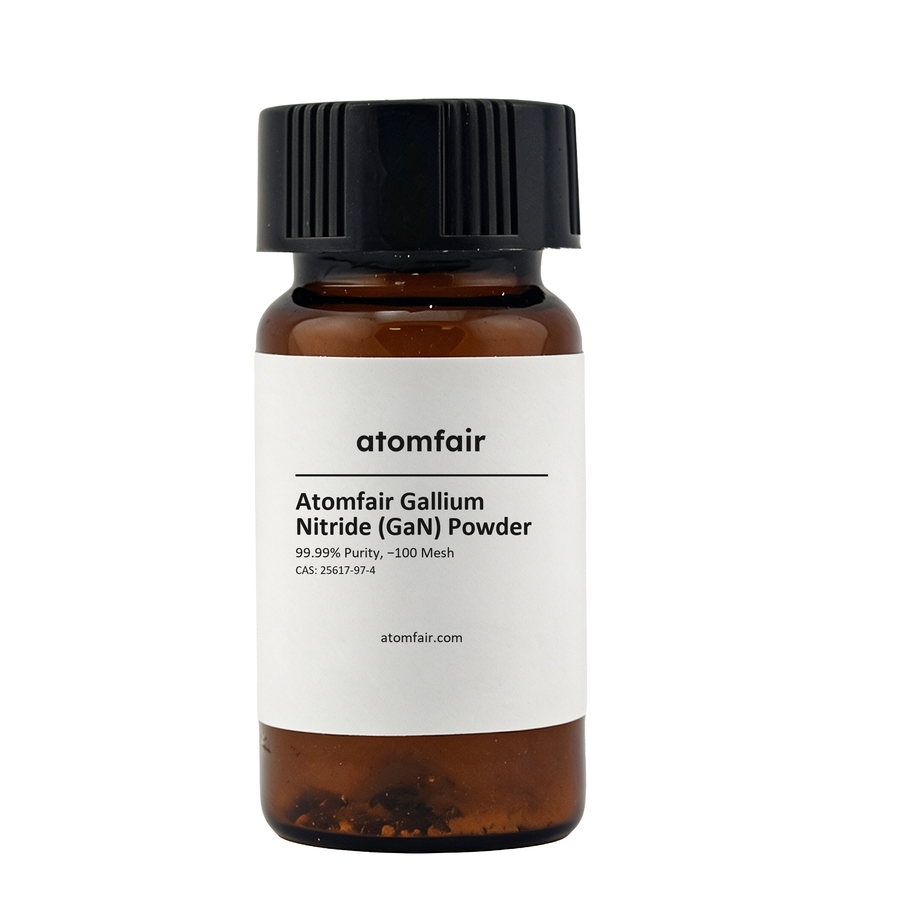
Gallium Nitride (GaN) Powder 99.99% -100 Mesh ATOMFAIR®
Price range: $259.00 through $1,449.00 -
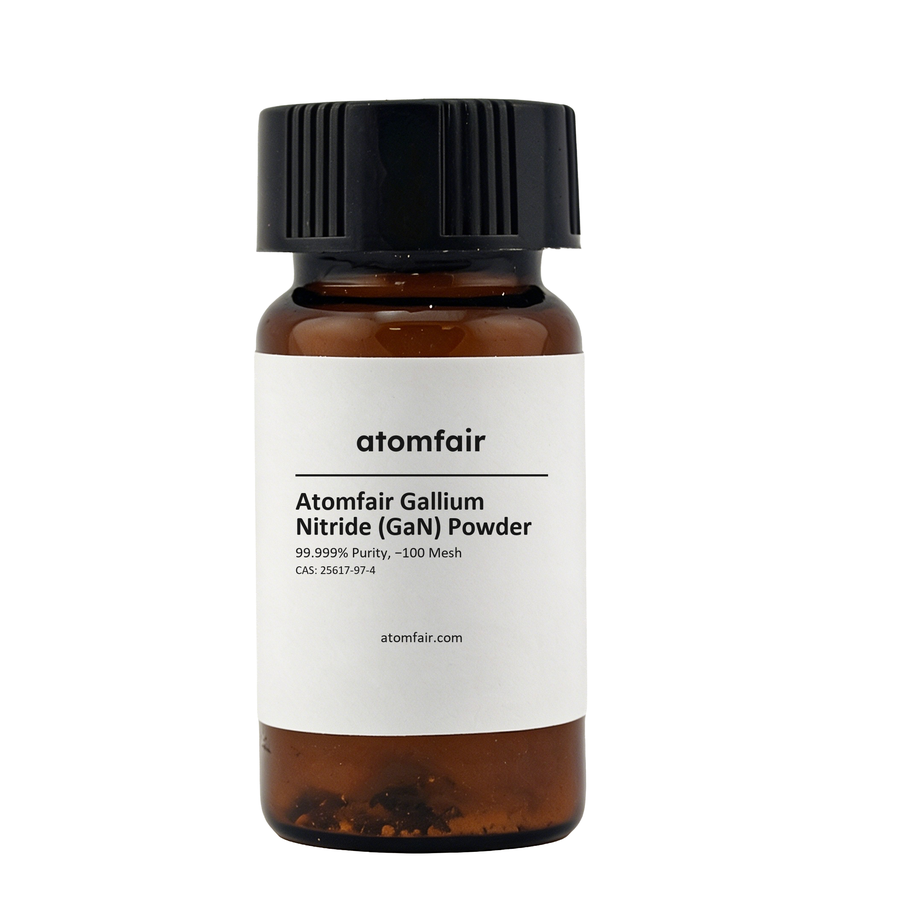
Gallium Nitride (GaN) Powder 99.999% -100 Mesh ATOMFAIR®
Price range: $339.00 through $1,849.00 -
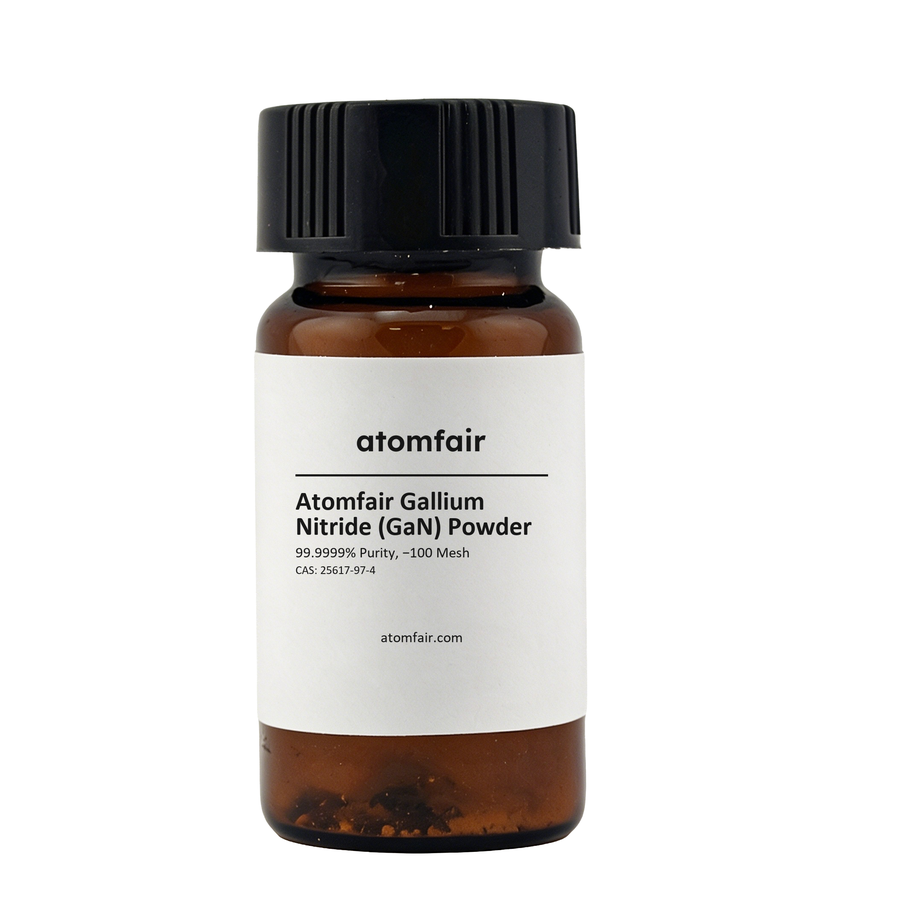
Gallium Nitride Powder 99.9999% -100 Mesh ATOMFAIR®
Price range: $419.00 through $2,299.00 -
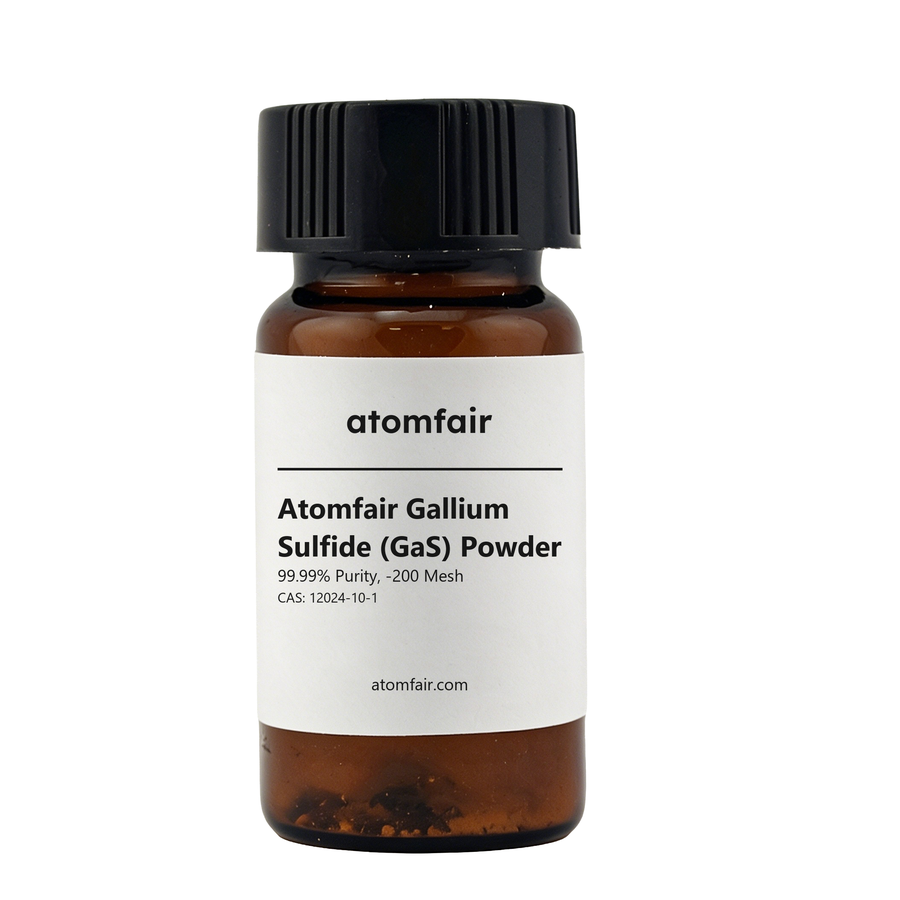
Gallium Sulfide (GaS) Powder 99.99% -200 Mesh ATOMFAIR®
Price range: $219.00 through $1,159.00 -
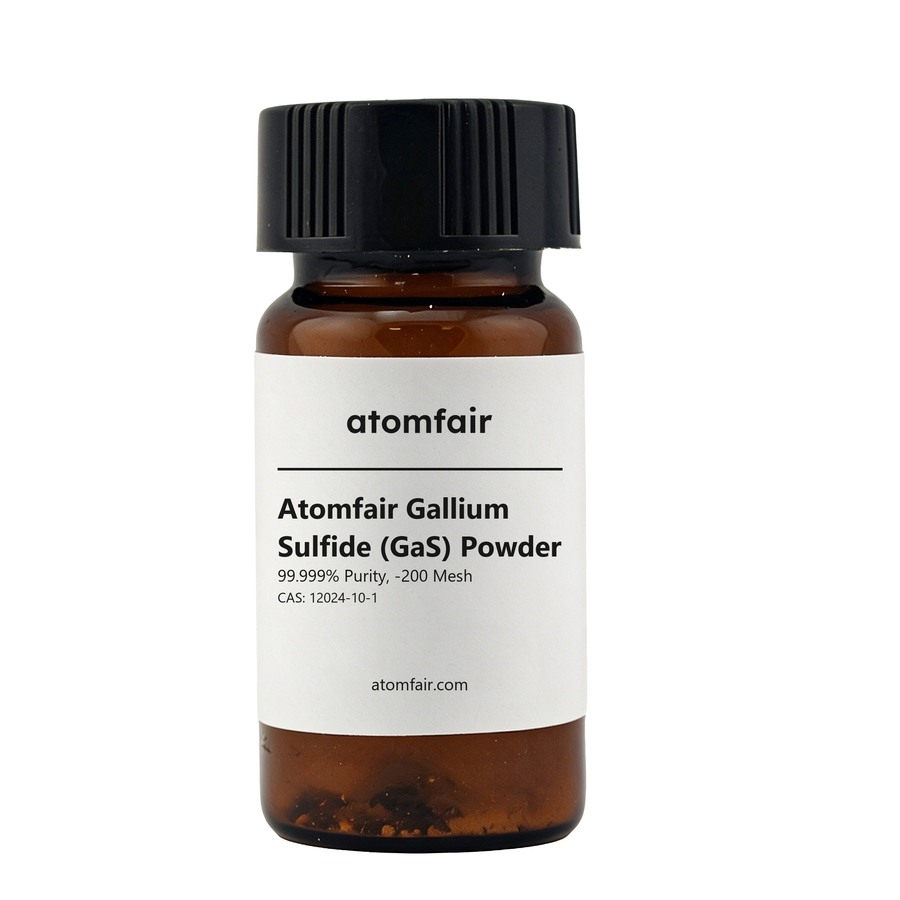
Gallium Sulfide (GaS) Powder 99.999% -200 Mesh ATOMFAIR®
Price range: $329.00 through $1,719.00 -
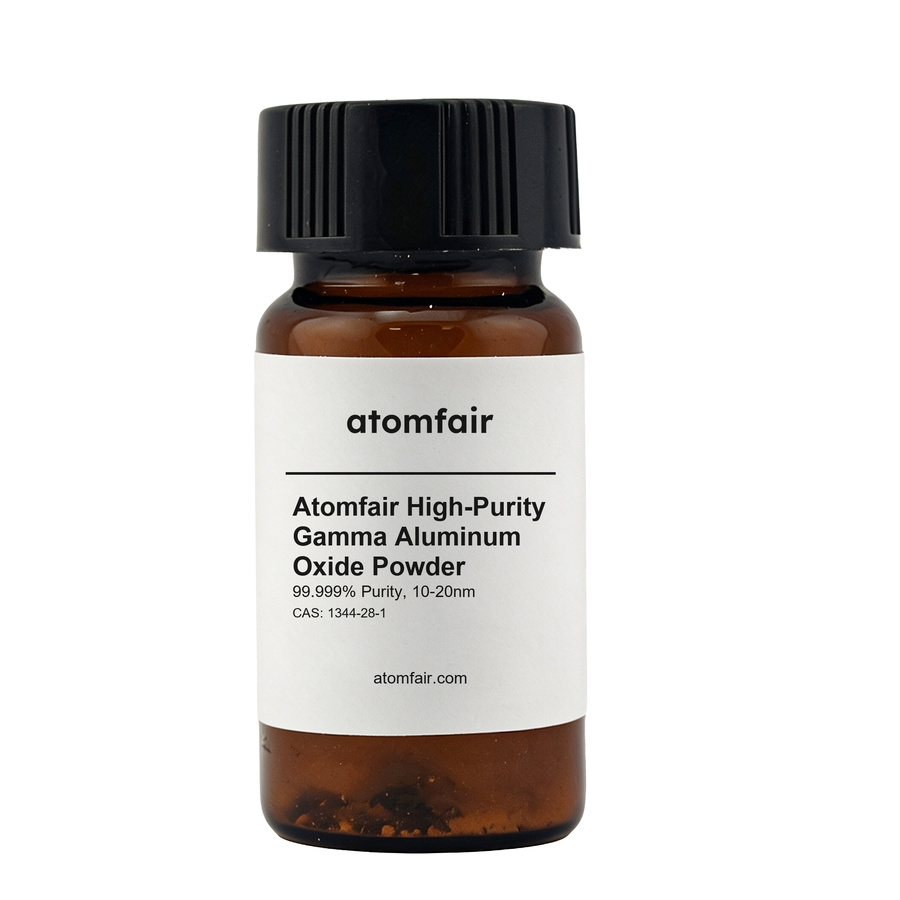
Gamma Aluminum Oxide Powder 99.999% 10-20nm ATOMFAIR®
Price range: $189.00 through $429.00 -
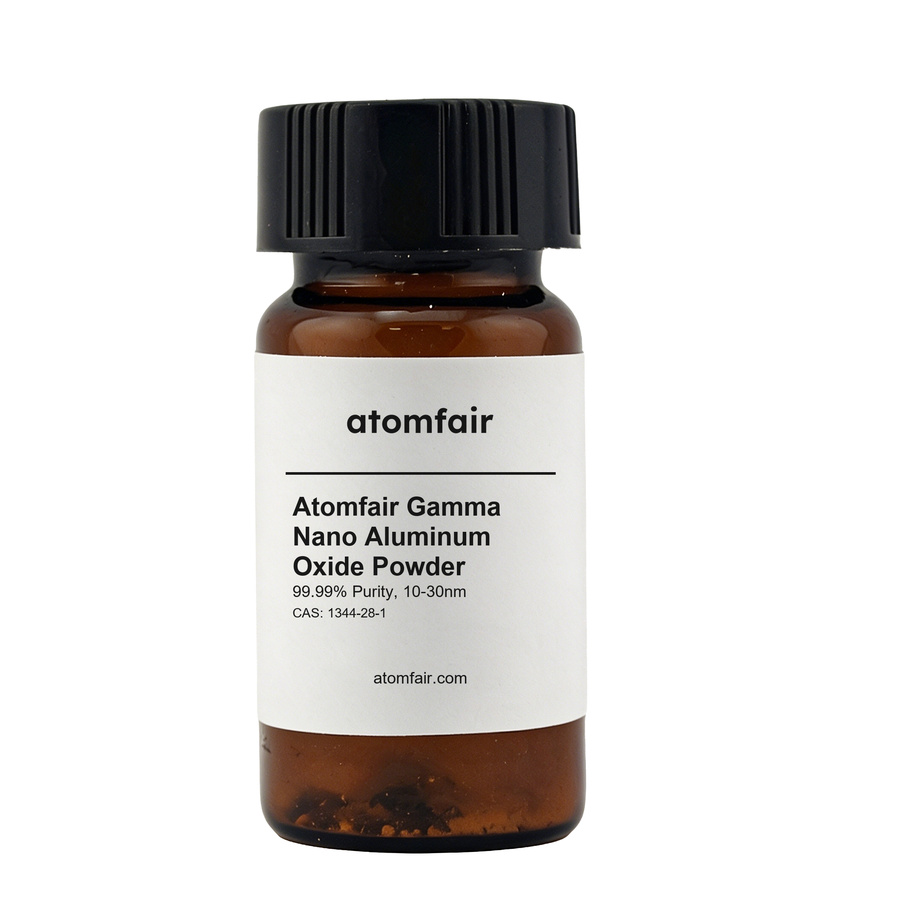
Gamma Nano Aluminum Oxide Powder 99.99% 10–30nm ATOMFAIR®
Price range: $209.00 through $289.00 -
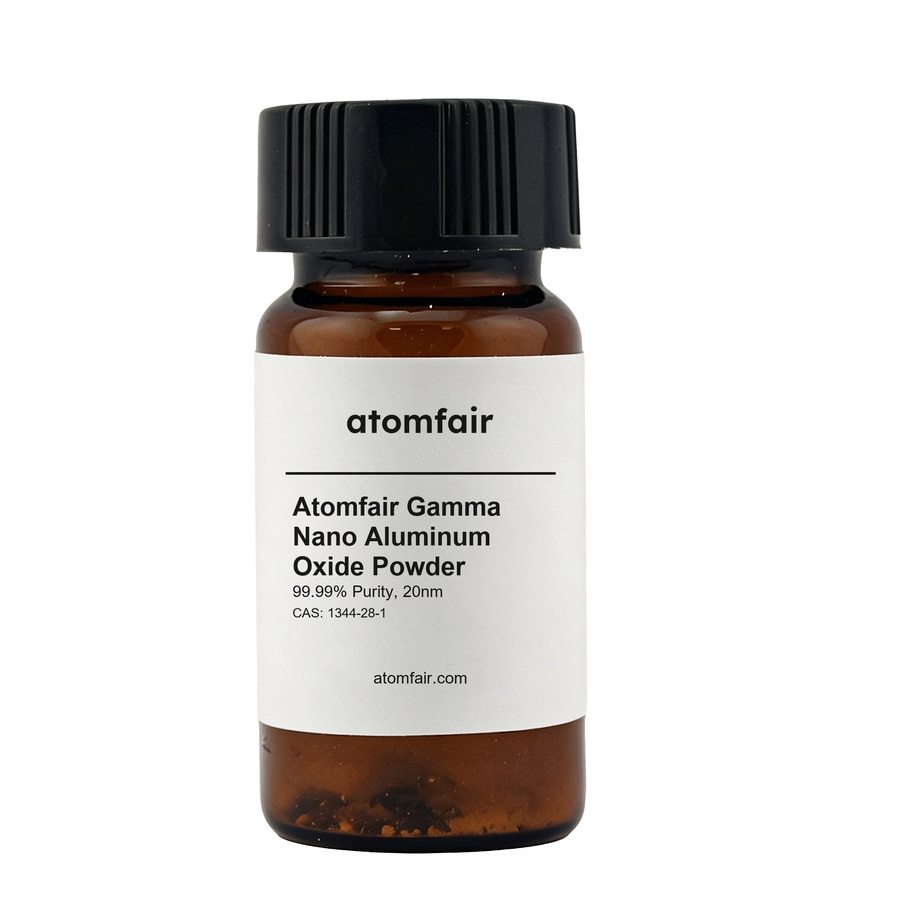
Gamma Nano Aluminum Oxide Powder 99.99% 20nm ATOMFAIR®
Price range: $139.00 through $319.00 -
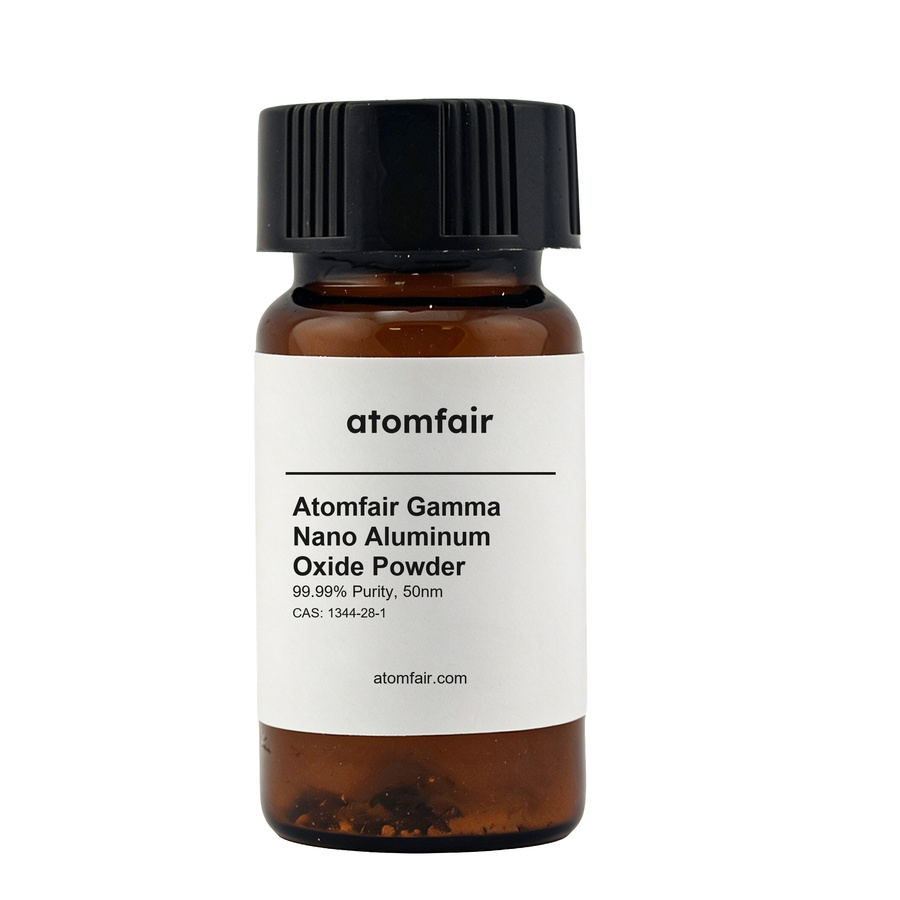
Gamma Nano Aluminum Oxide Powder 99.99% 50nm ATOMFAIR®
Price range: $149.00 through $209.00 -
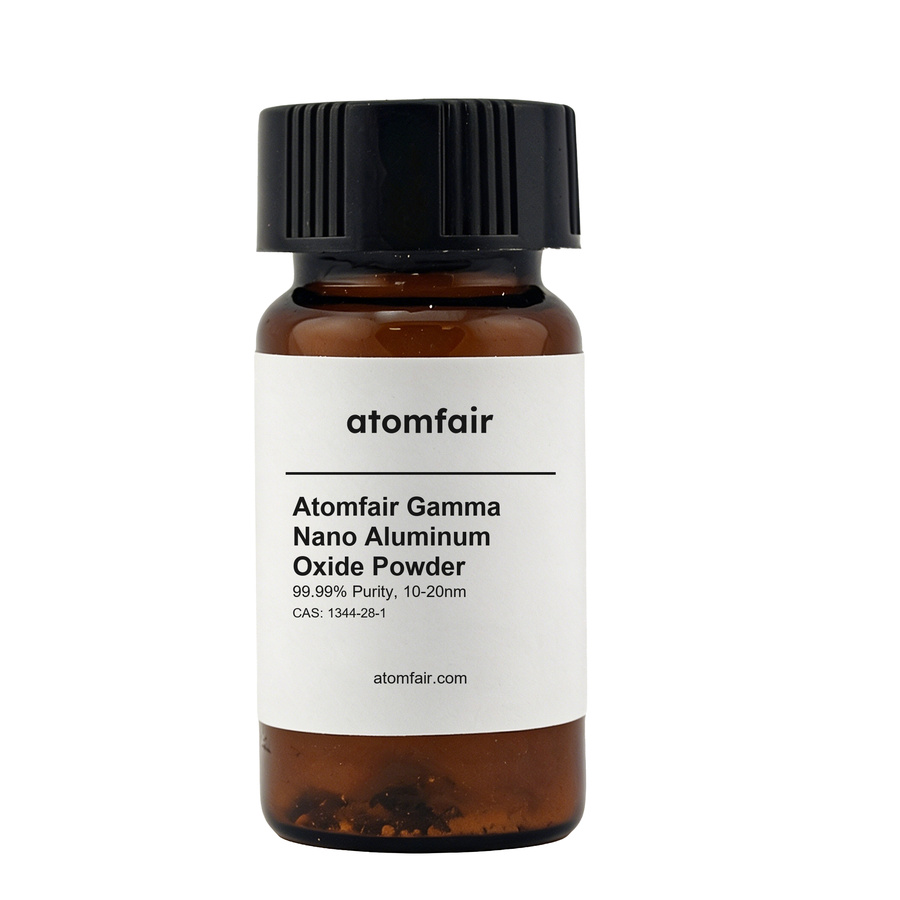
Gamma-Phase Al2O3 Nano Powder 99.99%, 10–20nm ATOMFAIR®
Price range: $139.00 through $319.00 -
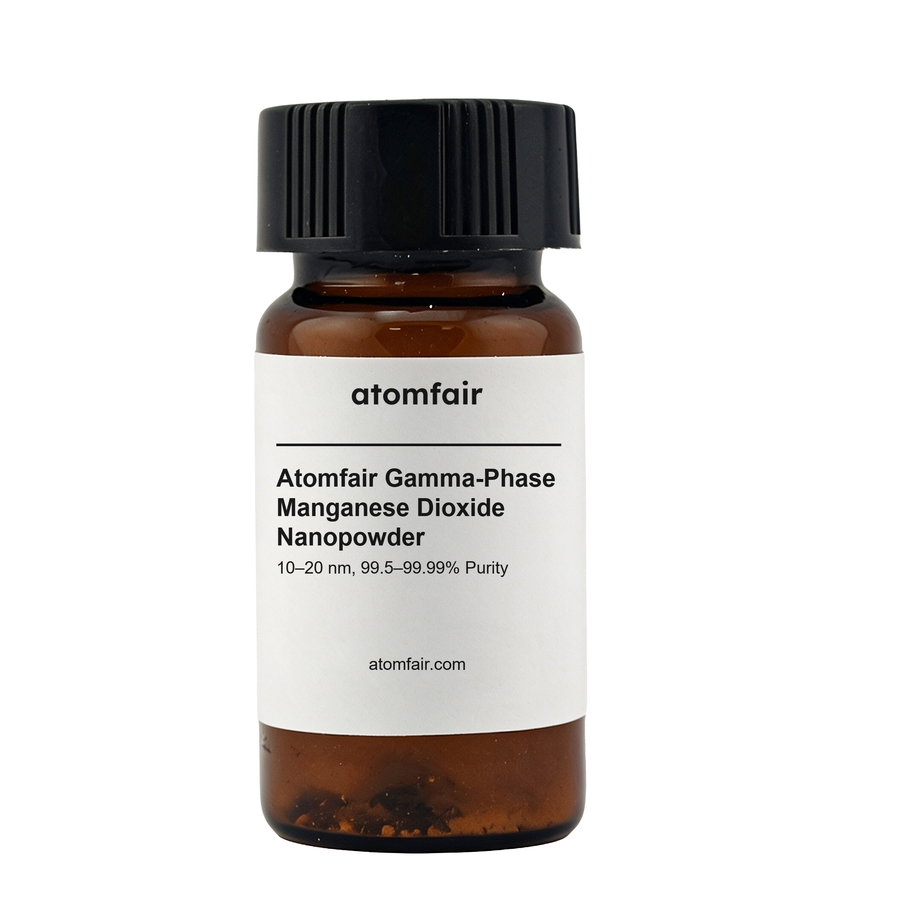
Gamma-Phase Manganese Dioxide Nanopowder 10-20 nm ATOMFAIR®
Price range: $499.00 through $2,199.00 -
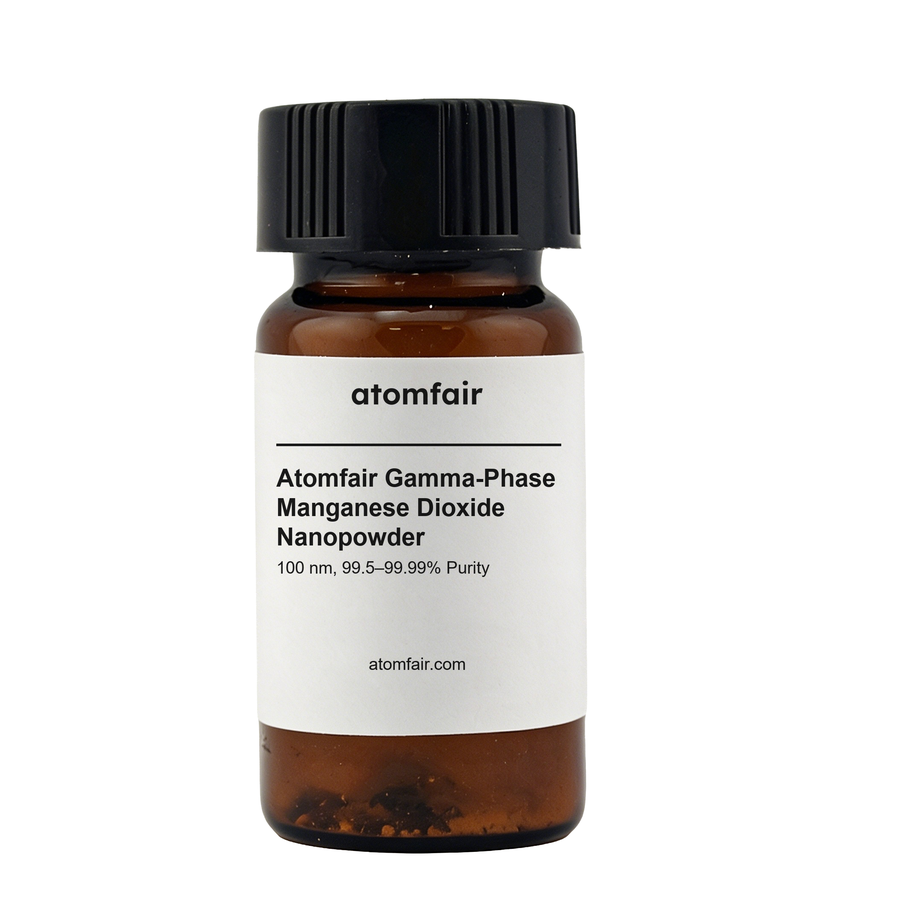
Gamma-Phase Manganese Dioxide Nanopowder 100 nm ATOMFAIR®
Price range: $399.00 through $1,699.00