
Halides
Halides are important inorganic materials formed from fluorine, chlorine, bromine, or iodine combined with metals, metalloids, or other inorganic components. Their diverse chemical compositions and physical properties make them useful for inorganic synthesis, advanced ceramics, functional materials, optical materials, electronic materials, catalysis research, and laboratory development.
This category helps you browse inorganic halide materials by chemical system, purity, particle size, physical form, hydration state, and application requirements. For projects that are sensitive to impurities, moisture, or particle size, please review the product specifications and technical documentation before selecting a material.
Show More: How to Choose Halide Materials
Choose by Halogen System
| Material System | Typical Areas of Interest | Key Selection Factors |
|---|---|---|
| Fluorides | Inorganic synthesis, ceramics, optical materials, and functional-material research | Purity, particle size, phase composition, and thermal stability |
| Chlorides | Precursor development, chemical reactions, and material synthesis | Anhydrous or hydrated state, sealed packaging, and reaction conditions |
| Bromides | Optical, electronic, functional-material, and synthesis research | Chemical stability, purity, and storage requirements |
| Iodides | Specialty inorganic materials, optoelectronic research, and laboratory applications | Impurity control, light sensitivity, and operating environment |
| Oxyhalides and Mixed Halides | Functional ceramics, catalysis, and specialized inorganic-material systems | Exact chemical formula, phase purity, and process compatibility |
Select by Material Requirements
Different halides can vary significantly in reactivity, hygroscopicity, thermal stability, and processing behavior. Consider the following factors when selecting a material for your project.
| Selection Factor | Why It Matters |
|---|---|
| Chemical Composition | Determines whether the material matches the target formulation, reaction route, or elemental requirement. |
| Purity Level | Influences impurity introduction, material performance, and experimental reproducibility. |
| Particle Size and Morphology | Can affect mixing uniformity, reaction rate, dispersion behavior, and sintering performance. |
| Anhydrous or Hydrated State | May affect active composition, stoichiometric calculations, and moisture-sensitive reactions. |
| Physical Form | Powders, granules, and crystals should be matched to the intended handling and processing method. |
| Packaging Requirement | Select an appropriate pack size based on usage volume, storage duration, and laboratory handling needs. |
Common Application Areas
| Application Area | Material Selection Considerations |
|---|---|
| Inorganic Synthesis and Solid-State Reactions | Confirm chemical stoichiometry, purity, particle size, and thermal processing requirements. |
| Advanced Ceramics and Functional Materials | Focus on phase composition, impurity control, powder characteristics, and process compatibility. |
| Optical and Electronic Materials | Prioritize high purity, trace-impurity limits, and material stability for the intended application. |
| Catalysis and Reaction Development | Review chemical form, reactivity, handling conditions, and compatibility with the reaction system. |
| Research Screening and Laboratory Testing | Use consistent purity and particle specifications to support reliable comparison between material systems. |
Handling and Storage
Storage and handling requirements vary by compound. Some halides may be sensitive to air, moisture, light, or temperature. Before use, review the product label, technical documentation, and safety information, then apply suitable sealed, dry, light-protected, or inert-atmosphere storage conditions where required.
For applications involving precise formulation, thermal treatment, sintering, synthetic reactions, or materials characterization, confirm purity, particle size, hydration state, and batch information before use to support consistent results.
Frequently Asked Questions
What are halides?
Halides are compounds that contain fluorine, chlorine, bromine, or iodine. Their chemical properties and suitable applications vary by composition, so selection should be based on the target material system and intended use.
How do I choose between fluorides, chlorides, bromides, and iodides?
Start with your target chemistry and application, then compare purity, particle size, hydration state, and storage requirements. For synthesis or functional-material development, select by exact chemical formula and specification whenever possible.
Does purity affect experimental results?
Yes. Impurities can influence reaction behavior, phase composition, electrical properties, optical properties, and reproducibility. Purity and trace-element control are especially important for electronic, optical, catalytic, and high-performance inorganic-material research.
What is the difference between anhydrous and hydrated halides?
Anhydrous halides do not contain crystal water, while hydrated halides contain water molecules in their structure. They can differ in active composition, mass fraction, reaction behavior, thermal treatment, and storage requirements, so they should not normally be substituted directly.
Should I choose powder, granules, or crystals?
Powders are commonly selected for mixing, reactions, sintering, and dispersion. Granules may be preferred when improved flowability or reduced dust is needed. Crystals can be suitable for specific synthesis, testing, or optical research requirements.
Do halide materials require special storage?
Storage requirements depend on the individual material. Some products may require sealed, dry, light-protected, or moisture-controlled storage. Always follow the product label and technical documentation after receipt.
What if I cannot find the required composition or specification?
Please submit an inquiry with the target chemical formula, purity, particle size, physical form, quantity, packaging requirement, and intended application. Providing these details helps identify a suitable material specification.
Showing 97–112 of 126 results
-
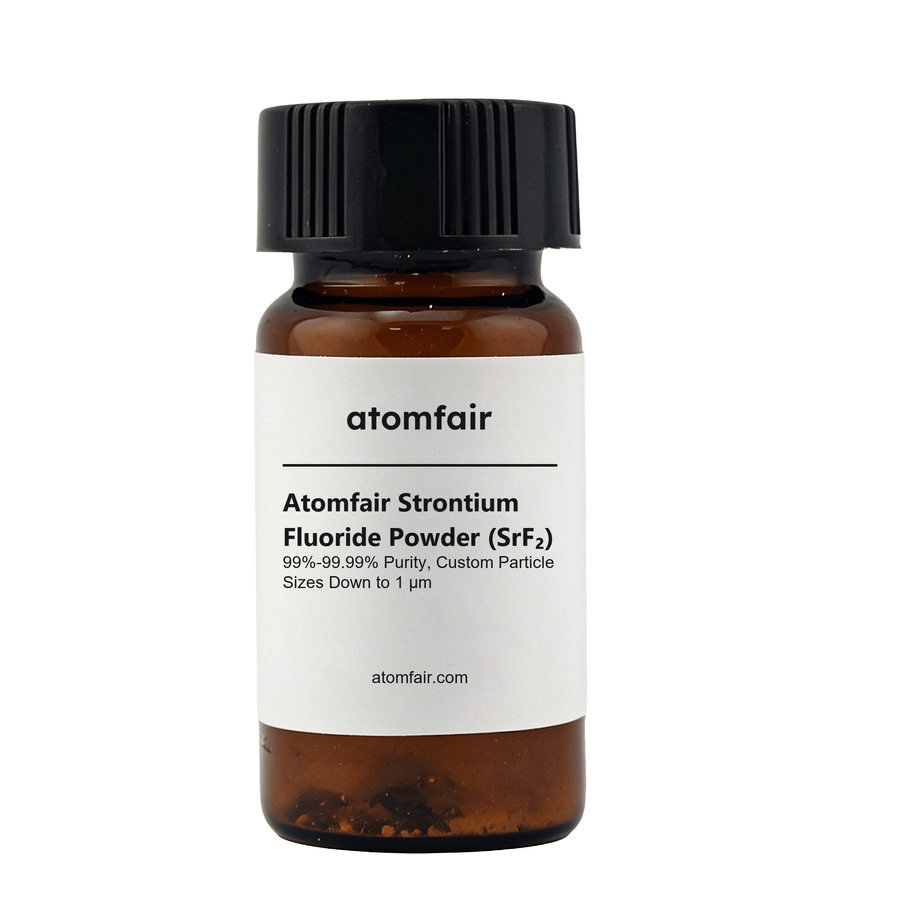
Strontium Fluoride Powder 99%-99.99%, 1μm ATOMFAIR®
Price range: $189.00 through $1,099.00 -
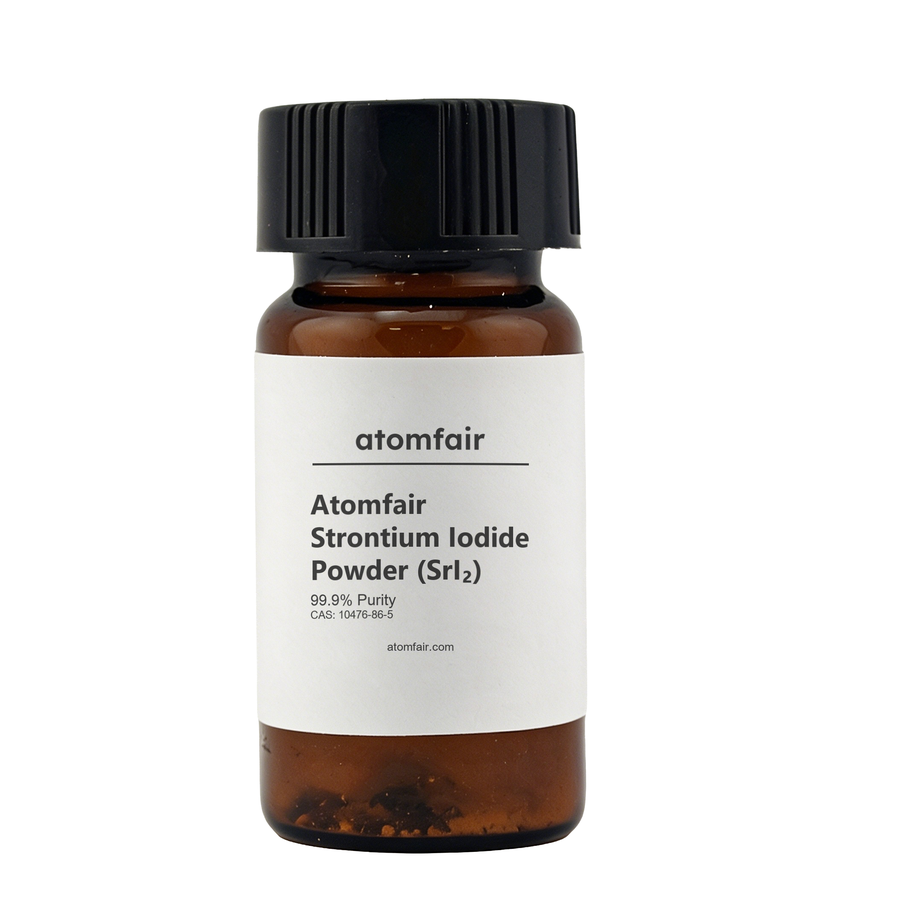
Strontium Iodide Powder 99.9% 100g-500g Research ATOMFAIR®
Price range: $279.00 through $999.00 -
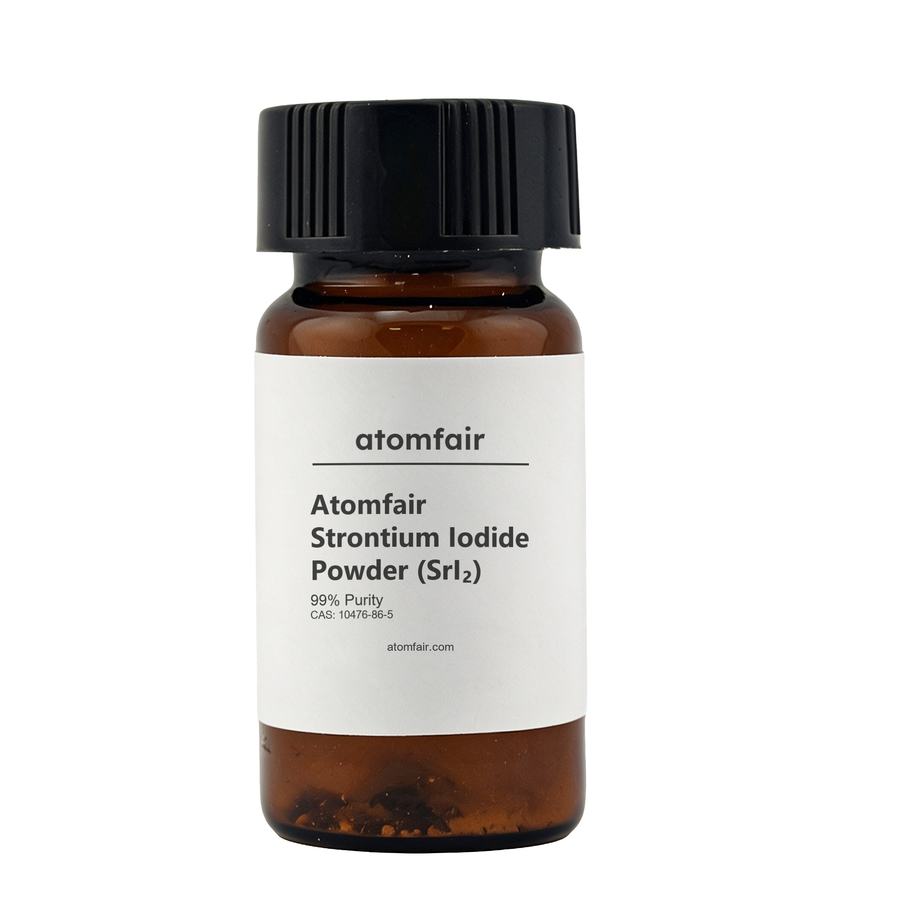
Strontium Iodide Powder 99% 100g-500g High Purity ATOMFAIR®
Price range: $229.00 through $839.00 -
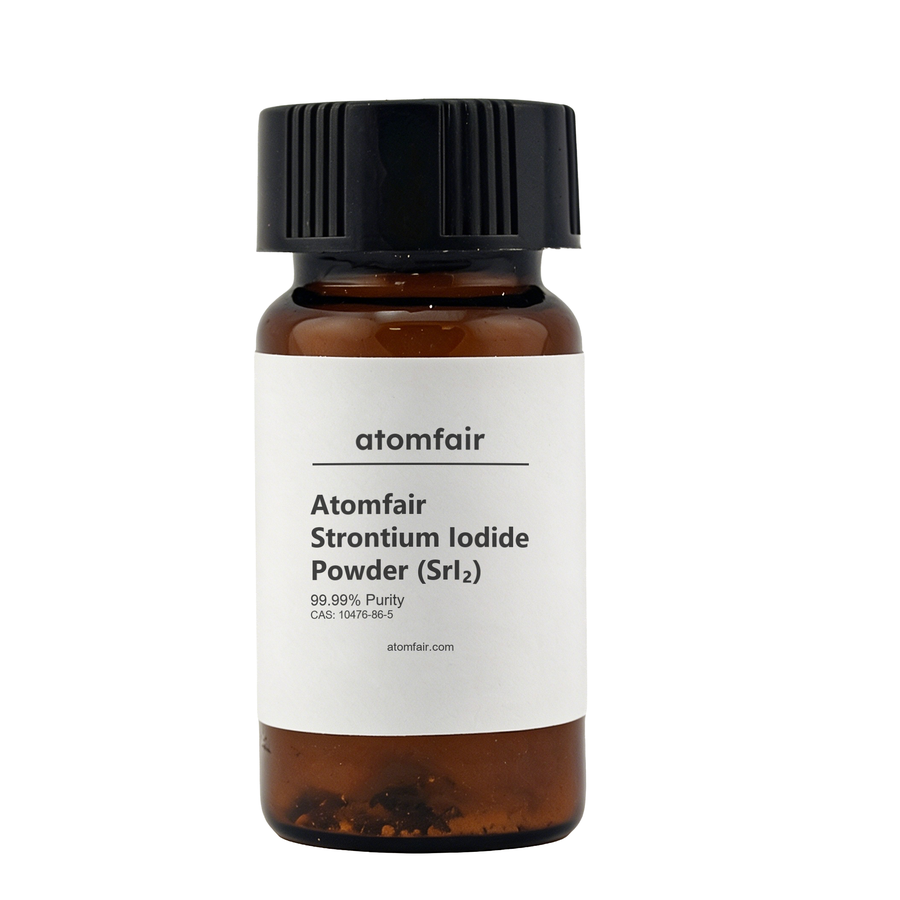
Strontium Iodide Powder SrI2 100g-500g 99.99% ATOMFAIR®
Price range: $329.00 through $1,169.00 -
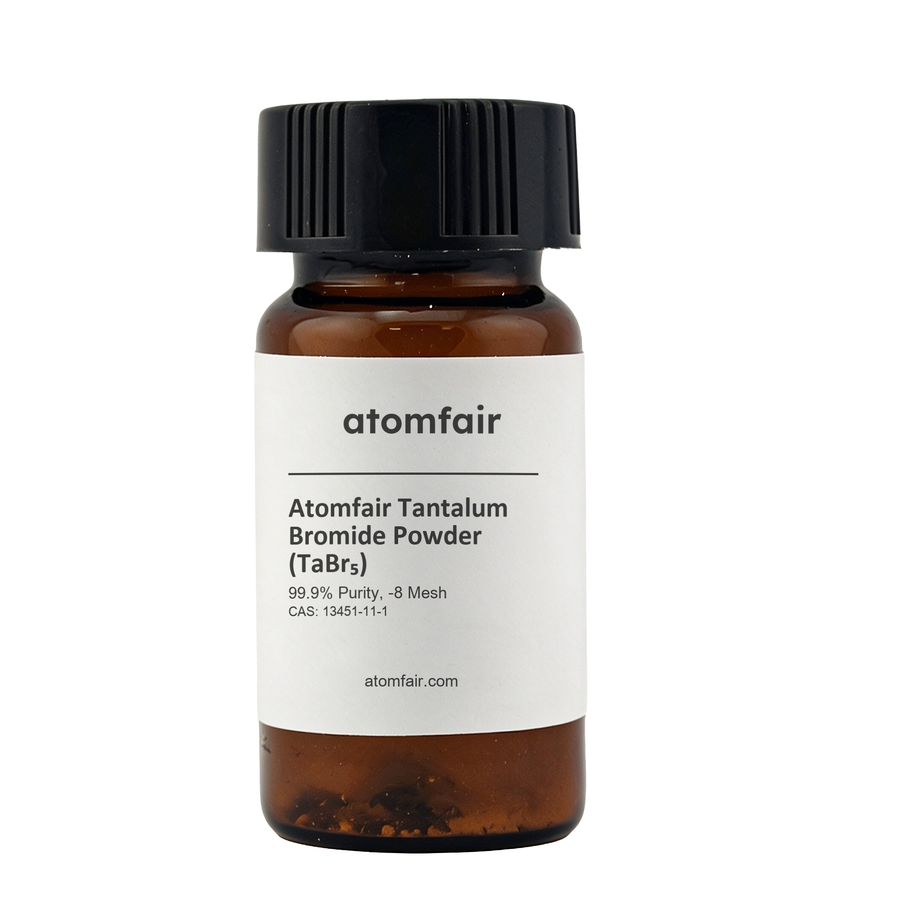
Tantalum(V) Bromide Powder TaBr₅ 99.9% Purity ATOMFAIR®
Price range: $149.00 through $1,119.00 -
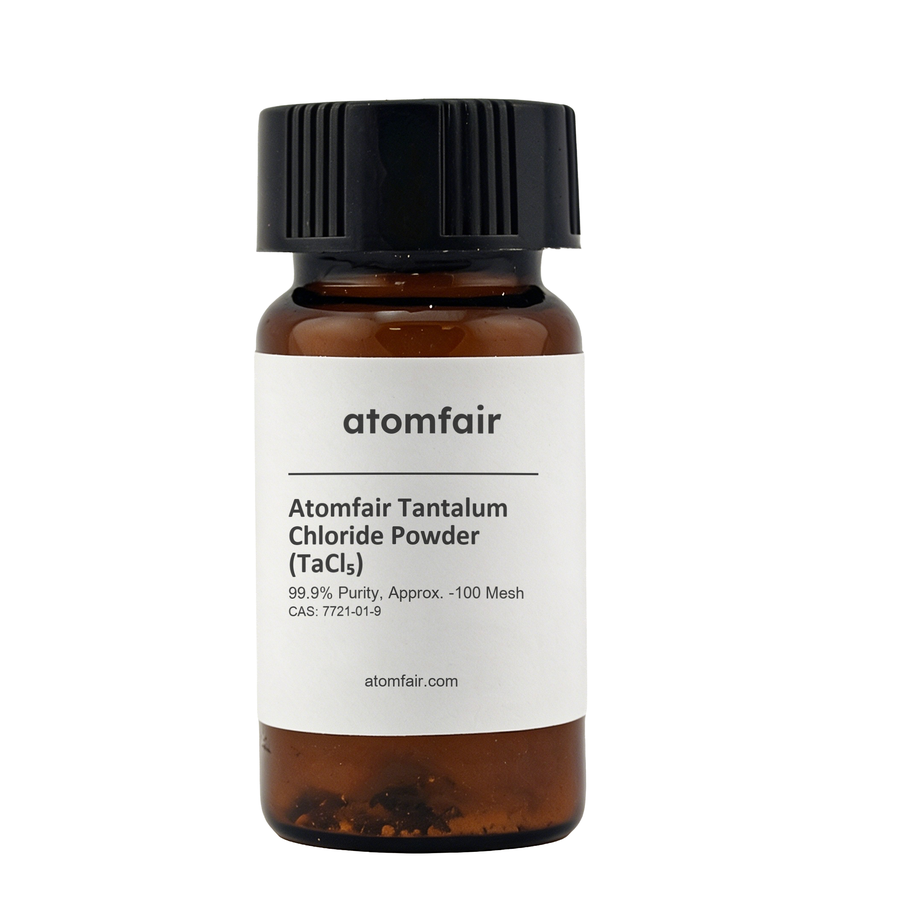
Tantalum(V) Chloride Powder 99.9% -100 Mesh ATOMFAIR®
Price range: $379.00 through $1,549.00 -
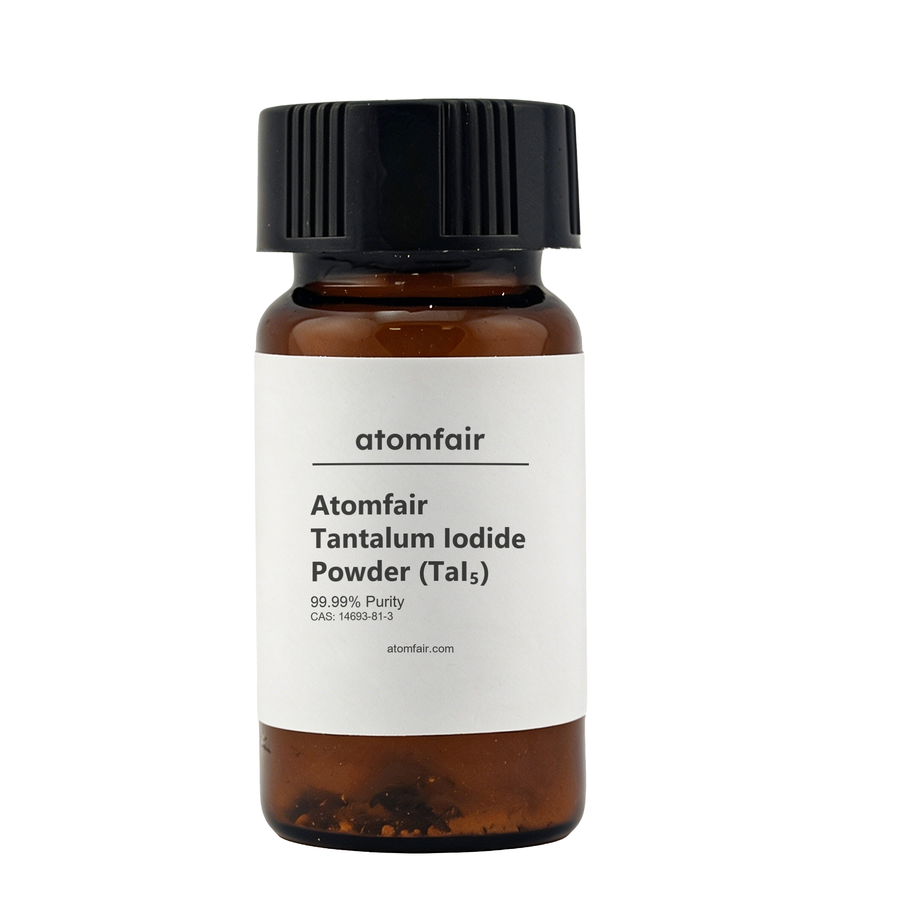
Tantalum(V) Iodide TaI5 Powder 99.99% 1g-10g ATOMFAIR®
Price range: $419.00 through $2,339.00 -
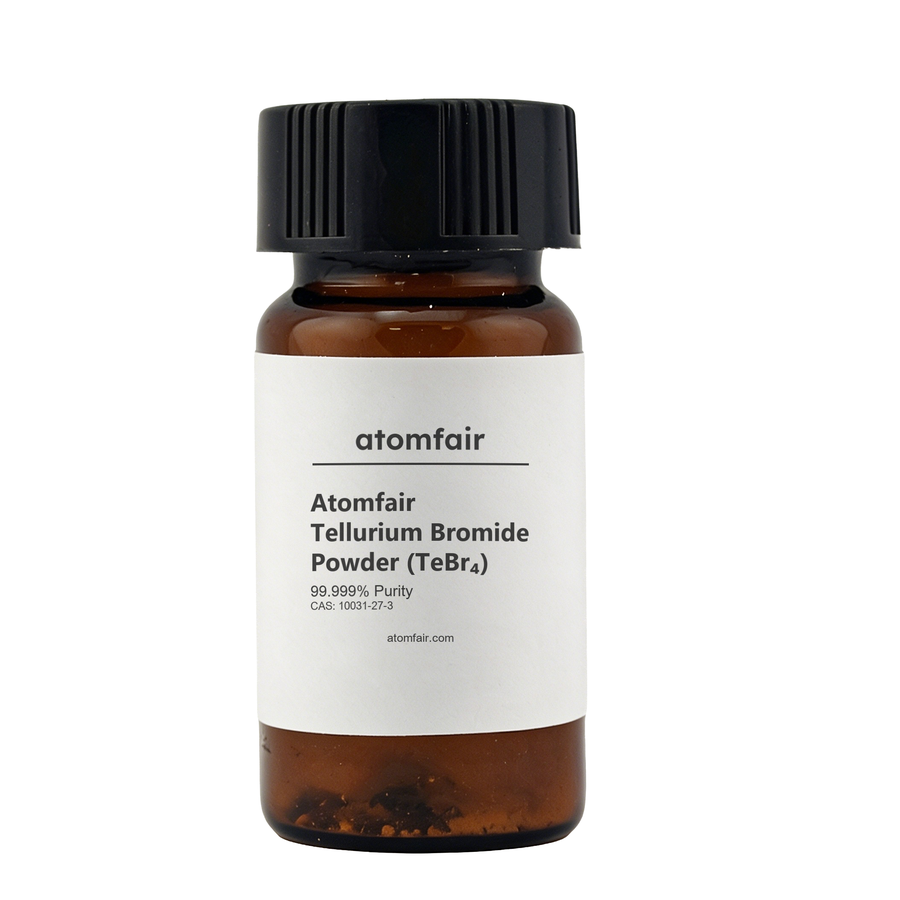
Tellurium(IV) Bromide Powder 99.999% Purity ATOMFAIR®
Price range: $259.00 through $1,429.00 -
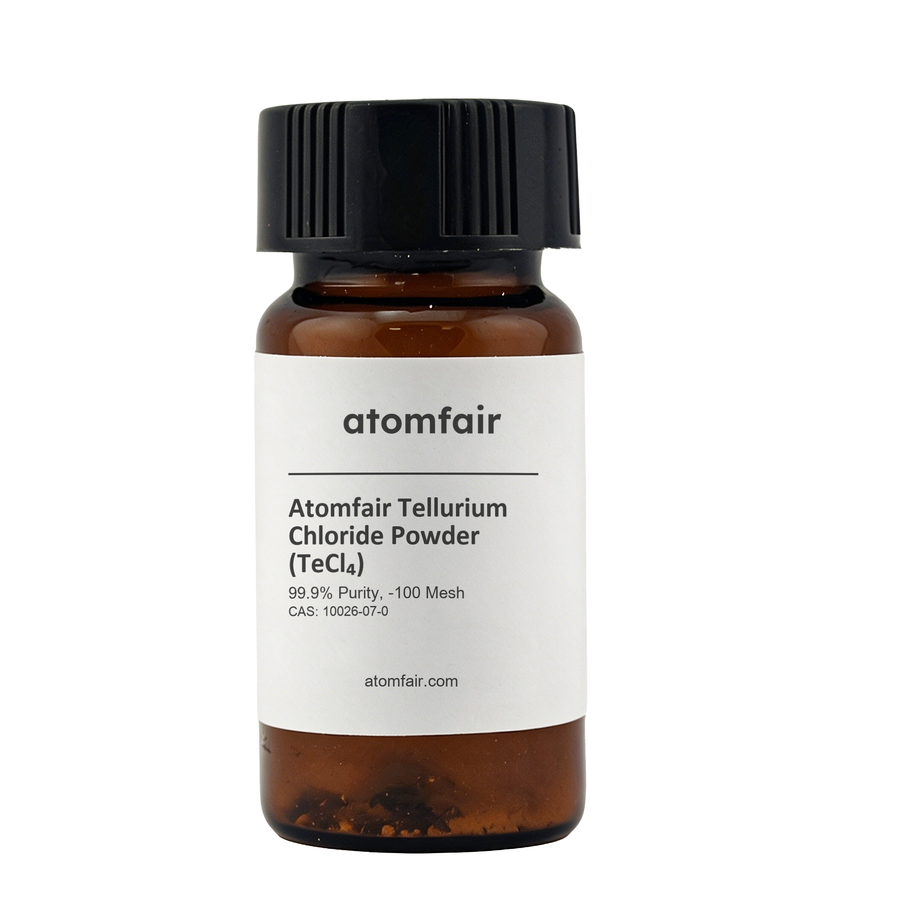
Tellurium(IV) Chloride Powder 99.9% -100 Mesh ATOMFAIR®
Price range: $169.00 through $939.00 -
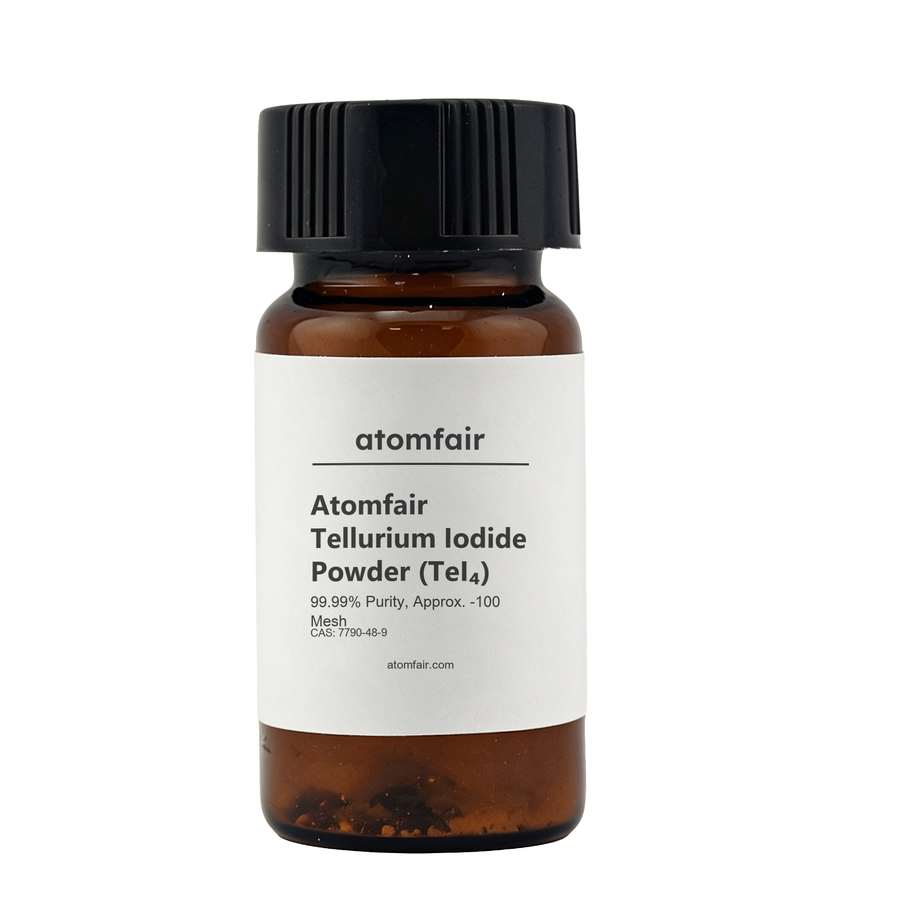
Tellurium(IV) Iodide Powder 99.99% -100 Mesh ATOMFAIR®
Price range: $299.00 through $2,839.00 -
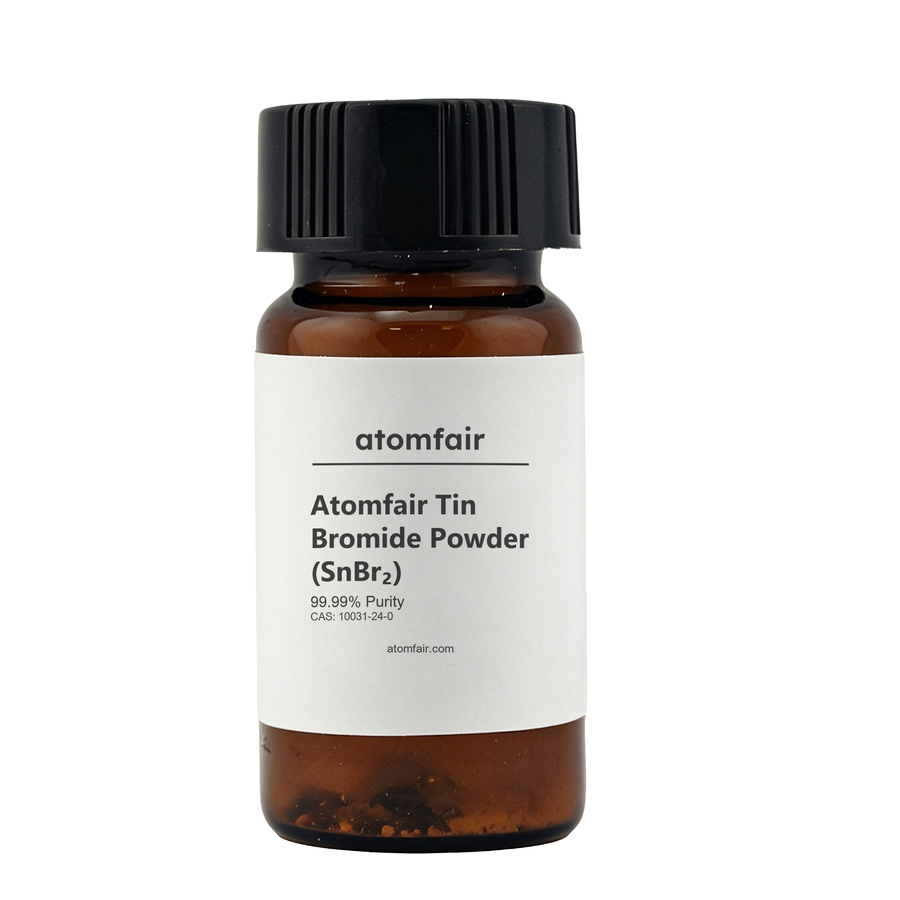
Tin(II) Bromide Powder Yellow 99.99% Purity ATOMFAIR®
Price range: $269.00 through $1,179.00 -
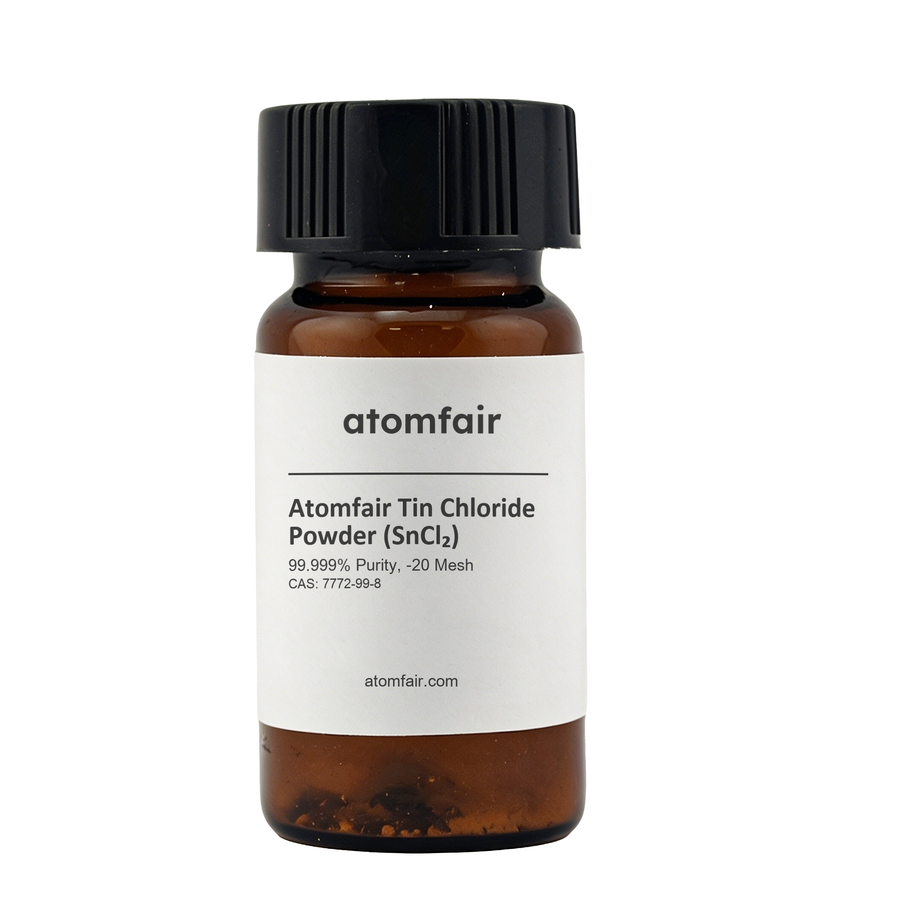
Tin(II) Chloride Powder SnCl2 99.999% -20 Mesh ATOMFAIR®
Price range: $279.00 through $1,289.00 -
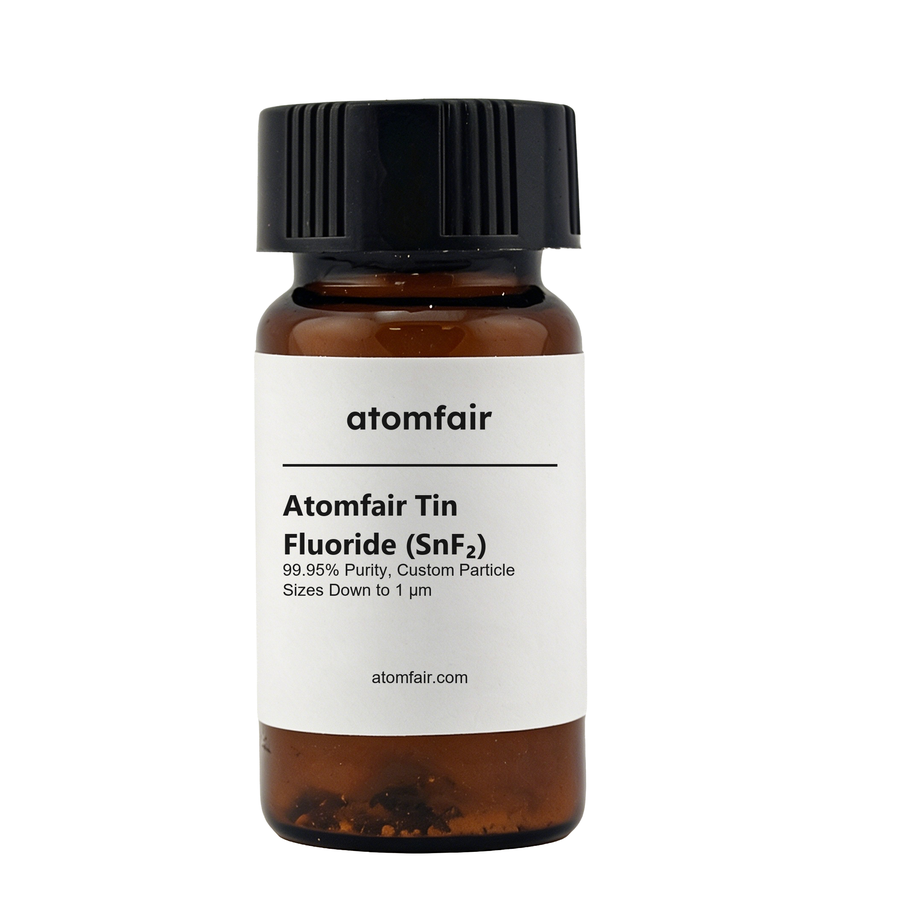
Tin(II) Fluoride Powder 99.95%, 1μm Custom ATOMFAIR®
Price range: $139.00 through $399.00 -
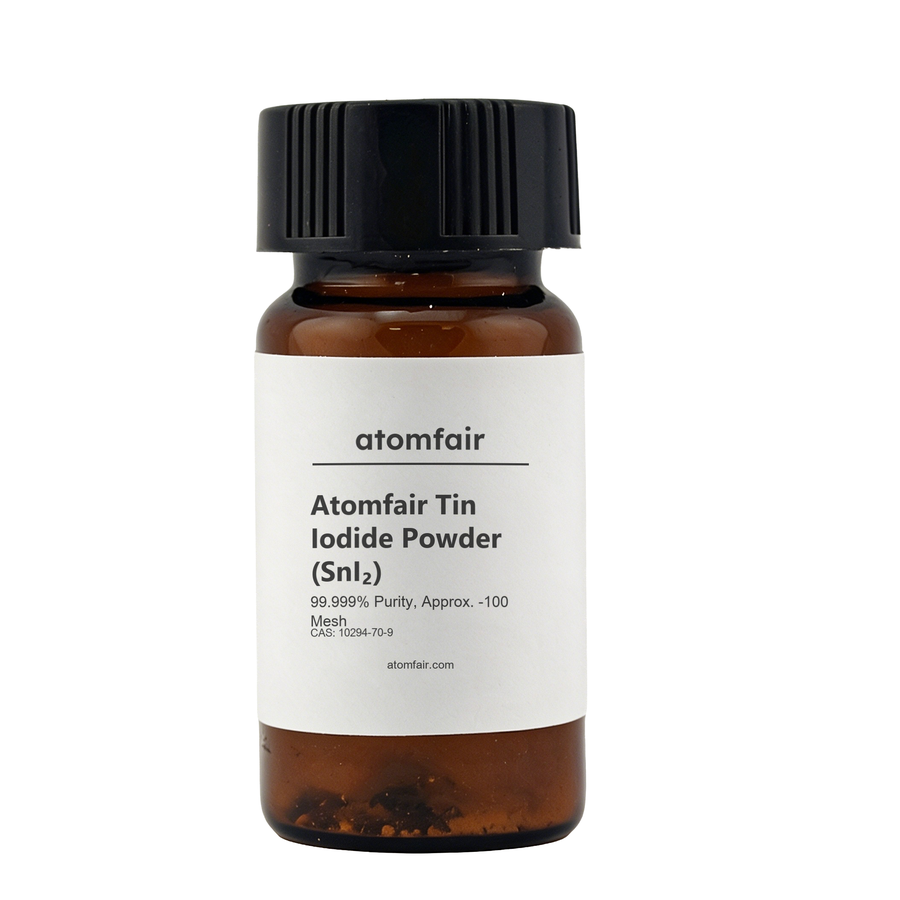
Tin(II) Iodide Powder 99.999% -100 Mesh Lab Grade ATOMFAIR®
Price range: $429.00 through $4,919.00 -
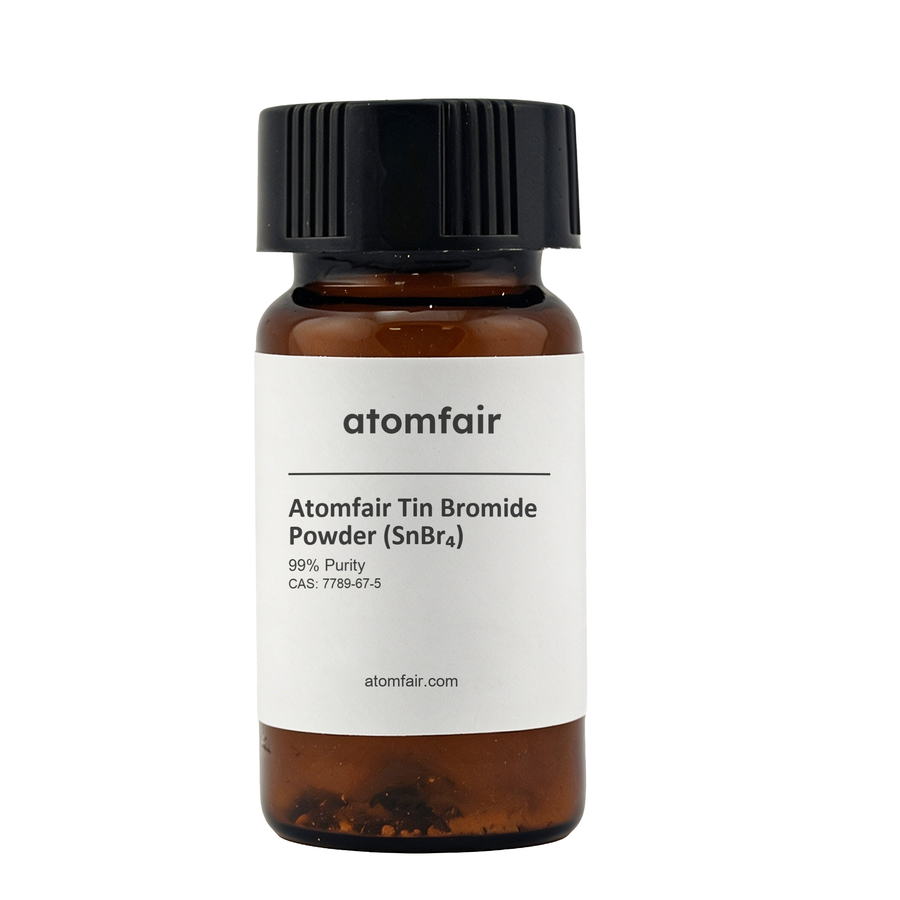
Tin(IV) Bromide Powder SnBr4 99% Research Grade ATOMFAIR®
Price range: $249.00 through $819.00 -
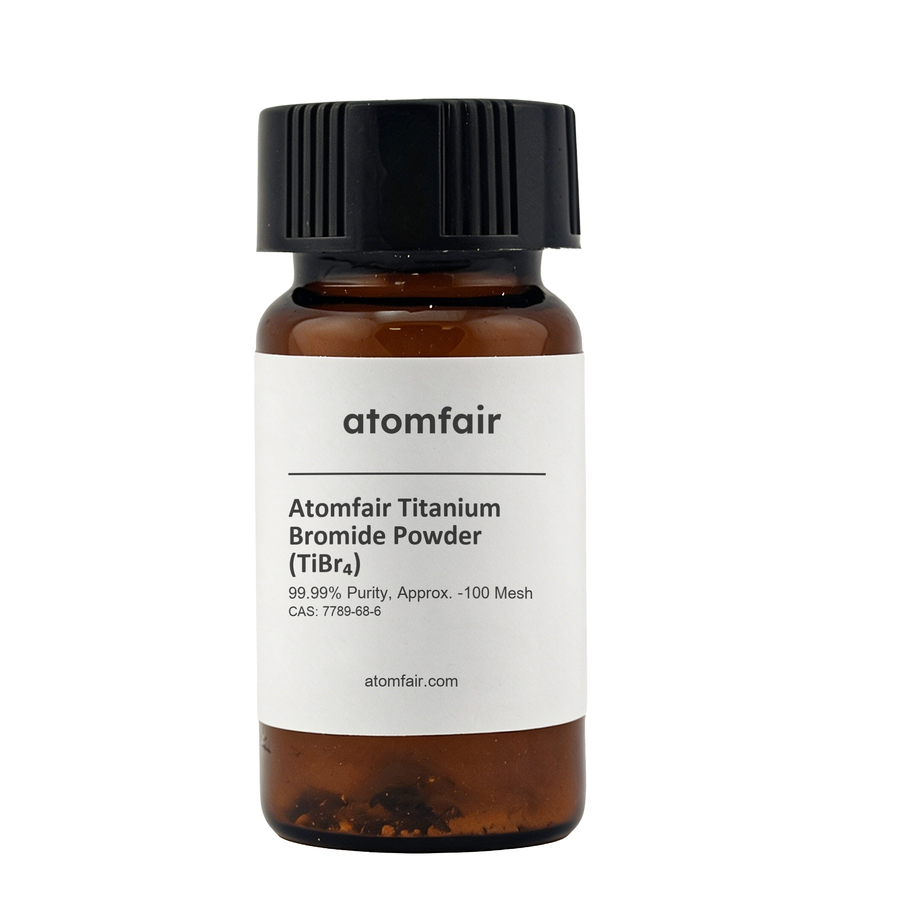
Titanium(IV) Bromide Powder 99.99% -100 Mesh ATOMFAIR®
Price range: $329.00 through $1,079.00