
Carbides
Carbides are advanced inorganic materials valued for high hardness, high melting points, wear resistance, heat resistance, and strong chemical stability. They are widely used in structural ceramics, wear-resistant materials, cemented carbides, composite materials, high-temperature materials, functional ceramics, and energy-material research.
Different carbide materials have different performance strengths. Some are better suited for wear-resistant and hard components, some are selected for high-temperature structural use, and others are valued for conductivity, thermal performance, catalytic behavior, or composite reinforcement.
When selecting carbide materials, buyers should consider the material system, purity, particle size, morphology, oxygen content, and processing method together. A well-matched carbide grade can improve processing stability, final performance, and application reliability.
Show More: Carbide Material Selection Guide
1. Select by Application Direction
| Application Direction | Carbides to Consider | Selection Logic |
|---|---|---|
| Wear-Resistant Materials | Silicon carbide, boron carbide, tungsten carbide, titanium carbide, chromium carbide | Focus on hardness, wear resistance, particle size, and processing method. |
| High-Temperature Materials | Silicon carbide, zirconium carbide, hafnium carbide, tantalum carbide, niobium carbide | Compare thermal stability, oxidation behavior, and forming route. |
| Cemented Carbides and Tooling | Tungsten carbide, titanium carbide, tantalum carbide, niobium carbide | Review purity, particle size, sintering compatibility, and binder-system fit. |
| Coatings and Surface Reinforcement | Chromium carbide, tungsten carbide, titanium carbide, silicon carbide | Consider particle morphology, size distribution, and coating or spray process compatibility. |
| Composite Reinforcement | Silicon carbide, titanium carbide, boron carbide, zirconium carbide | Focus on dispersion, interface compatibility, and matrix matching. |
| Functional Ceramics and Energy Materials | Titanium carbide, molybdenum carbide, tungsten carbide, vanadium carbide | Evaluate conductivity, interface behavior, phase stability, and the intended working environment. |
2. Common Carbide Material Systems
| Material System | Main Features | Common Uses |
|---|---|---|
| Silicon Carbide | High hardness, wear resistance, heat resistance, and good thermal conductivity. | Structural ceramics, thermal-management materials, wear parts, and semiconductor-related materials. |
| Boron Carbide | Very high hardness, low density, and strong wear resistance. | Protective materials, abrasives, lightweight ceramics, and wear-resistant applications. |
| Titanium Carbide | High hardness with useful electrical conductivity and composite compatibility. | Cermets, functional ceramics, composite materials, and hard-material systems. |
| Tungsten Carbide | High density, high hardness, and excellent wear resistance. | Cemented carbides, cutting tools, molds, dies, and wear-resistant parts. |
| Chromium Carbide | Wear resistance, corrosion resistance, and high-temperature protection value. | Thermal spray, surface reinforcement, and wear- and corrosion-resistant coatings. |
| Zirconium Carbide and Hafnium Carbide | High melting points and suitability for extreme-temperature environments. | Ultra-high-temperature ceramics, thermal protection materials, and high-temperature structural materials. |
| Tantalum Carbide and Niobium Carbide | Strong thermal stability and good fit for composite systems. | High-temperature ceramics, cemented-carbide additives, and composite materials. |
| Molybdenum Carbide and Vanadium Carbide | Functional-phase value and relevance in catalysis and energy-material research. | Catalytic materials, energy materials, alloy additives, and ceramic additives. |
3. Key Specifications to Check
Carbide materials should not be selected by name alone. The same carbide can perform very differently depending on purity, particle size, morphology, oxygen content, and processing route.
| Specification | Why It Matters |
|---|---|
| Purity | Affects impurity control, stability, and performance in high-end applications. |
| Particle Size | Influences dispersion, sintering, densification, coating behavior, and reaction activity. |
| Morphology | Powder, granule, and bulk forms are suited to different processing methods. |
| Oxygen Content | Can affect high-temperature stability, interface behavior, and electrical performance. |
| Package Size | Helps match laboratory testing, pilot work, or larger-scale material use. |
| Processing Compatibility | Determines whether the material is suitable for pressing, sintering, spraying, mixing, or composite processing. |
4. How to Narrow Your Choice
If high hardness and wear resistance are the priority, boron carbide, silicon carbide, tungsten carbide, and titanium carbide are often useful starting points.
If high-temperature stability is the priority, silicon carbide, zirconium carbide, hafnium carbide, tantalum carbide, and niobium carbide are commonly considered.
If the goal is cemented carbide or tool-material development, tungsten carbide, titanium carbide, tantalum carbide, and niobium carbide are important material systems to compare.
If the material will be used as composite reinforcement, silicon carbide, titanium carbide, boron carbide, and zirconium carbide should be evaluated for dispersion and matrix compatibility.
If the application involves functional ceramics, conductive materials, or energy-material research, titanium carbide, molybdenum carbide, tungsten carbide, and vanadium carbide may be relevant depending on the target performance.
FAQ
What are carbide materials mainly used for?
Carbides are commonly used in wear-resistant materials, high-temperature materials, structural ceramics, cemented carbides, composite materials, coatings, functional ceramics, and energy-material research.
Where should I start if I am not sure which carbide to choose?
Start with the application goal. For wear resistance, compare hardness and particle size. For high-temperature use, focus on thermal stability and oxidation behavior. For composites, check dispersion and matrix compatibility.
What is the difference between carbide powders, granules, and bulk materials?
Powders are often used for mixing, sintering, composite development, and laboratory testing. Granules can suit selected spraying, filling, or process handling needs. Bulk materials are usually selected for specific machining or component directions.
Is a finer particle size always better?
Not always. Fine particles can improve dispersion and sintering activity, but they may also agglomerate more easily and require tighter process control. The best particle size depends on the actual application.
When should I choose high-purity carbide materials?
High-purity carbide materials are preferred for research, high-performance ceramics, functional materials, electronic materials, and applications that are sensitive to impurities.
Can carbide materials be used in composites?
Yes. Carbides are often used as reinforcement phases, wear-resistant phases, conductive phases, or functional phases in metal-matrix, ceramic-matrix, and other composite systems.
What is easy to overlook when selecting carbide materials?
Many buyers focus only on the material name and overlook particle size, morphology, oxygen content, and processing method. In practice, these factors often determine the final performance.
Showing 65–80 of 136 results
-
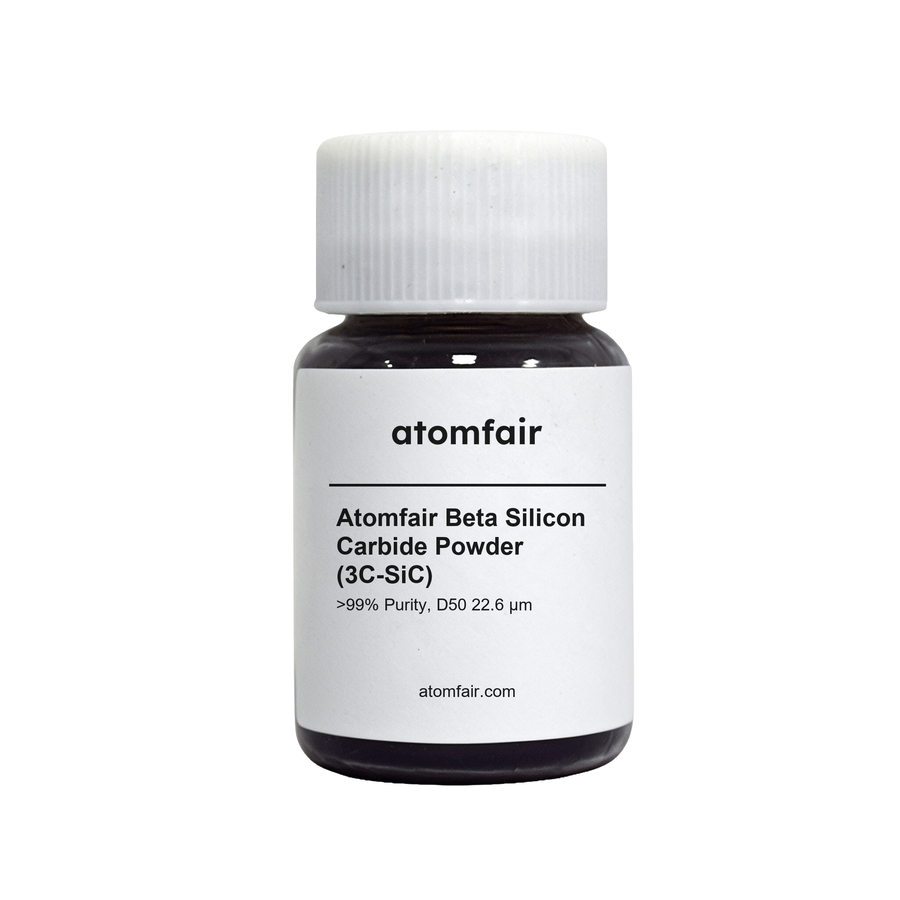
Beta Silicon Carbide Powder >99%, D50 22.6μm ATOMFAIR®
Price range: $209.00 through $799.00 -
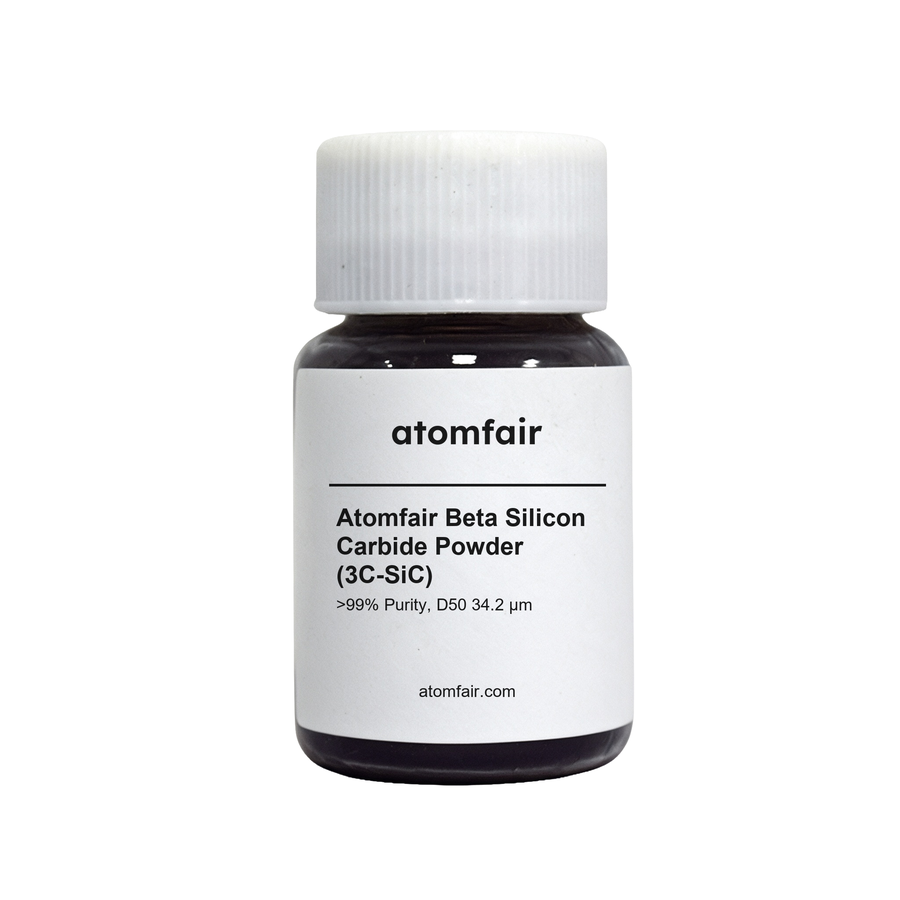
Beta Silicon Carbide Powder >99%, D50 34.2μm ATOMFAIR®
Price range: $209.00 through $799.00 -
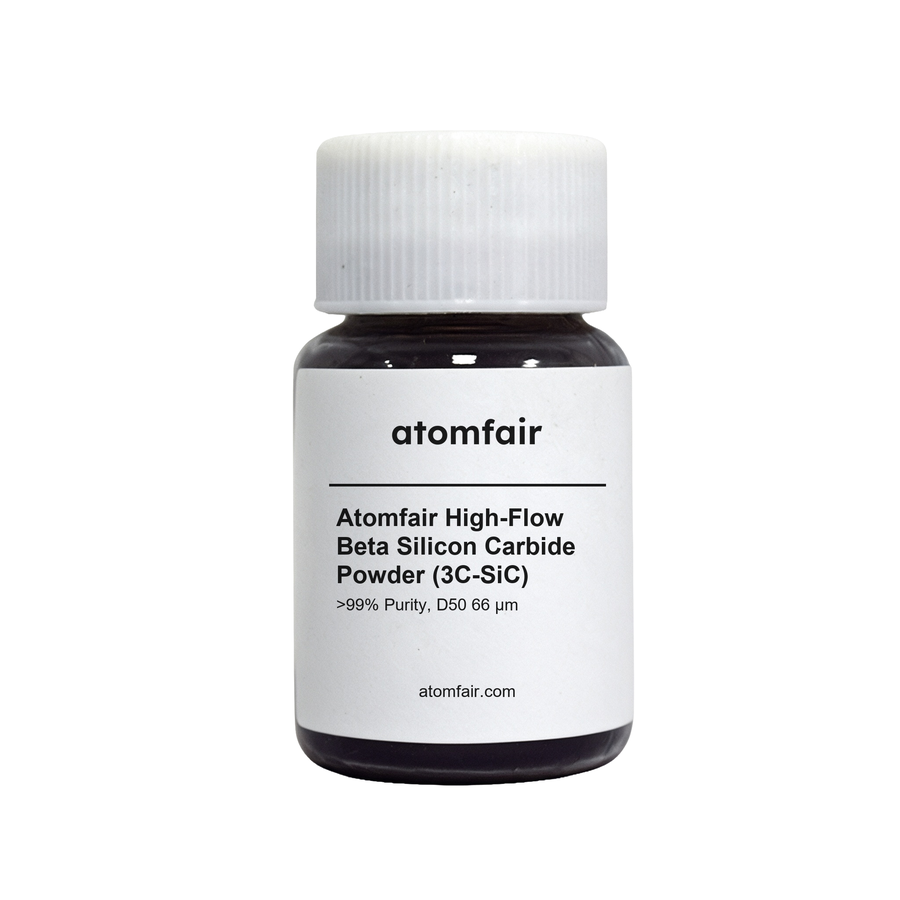
Beta Silicon Carbide Powder >99%, D50 66 μm
Price range: $199.00 through $749.00 -
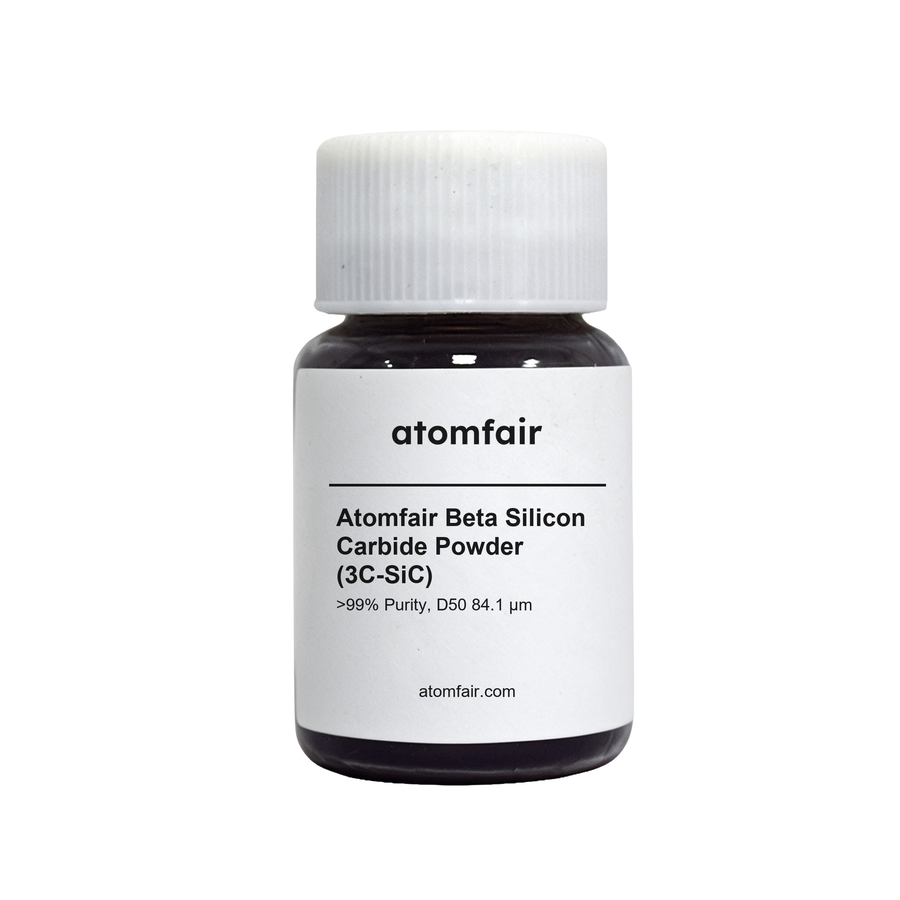
Beta Silicon Carbide Powder >99%, D50 84.1μm ATOMFAIR®
Price range: $199.00 through $749.00 -
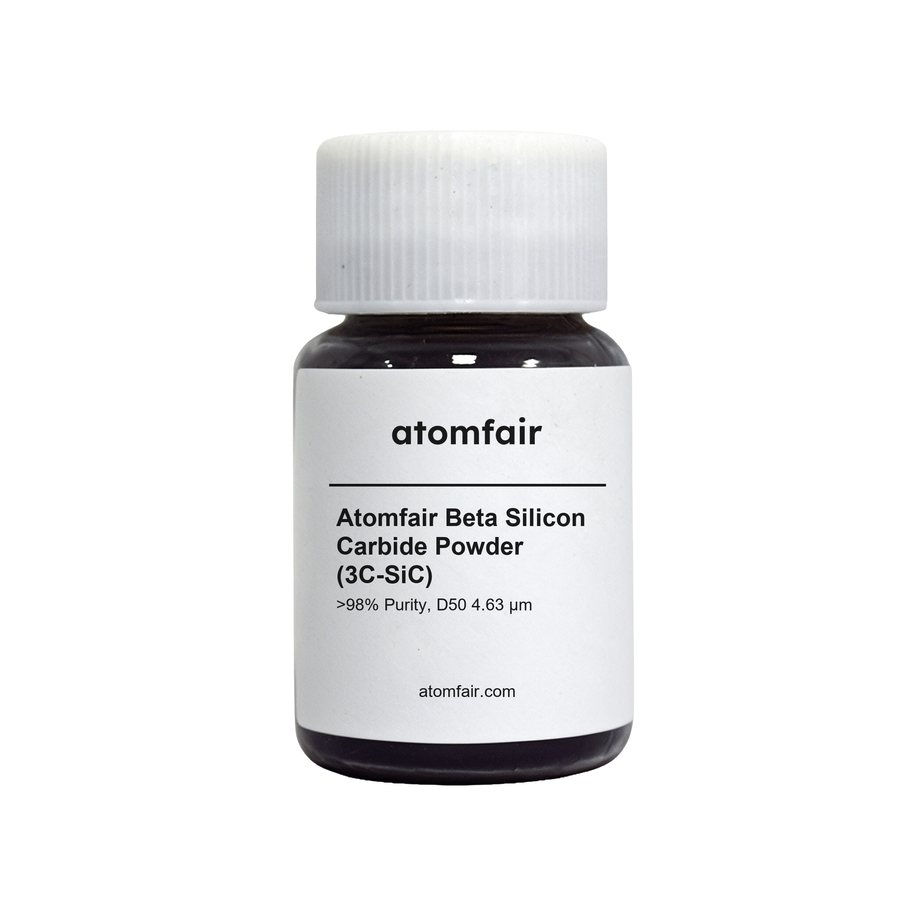
Beta Silicon Carbide Powder 3C >98% D50 4.63 μm ATOMFAIR®
Price range: $229.00 through $899.00 -
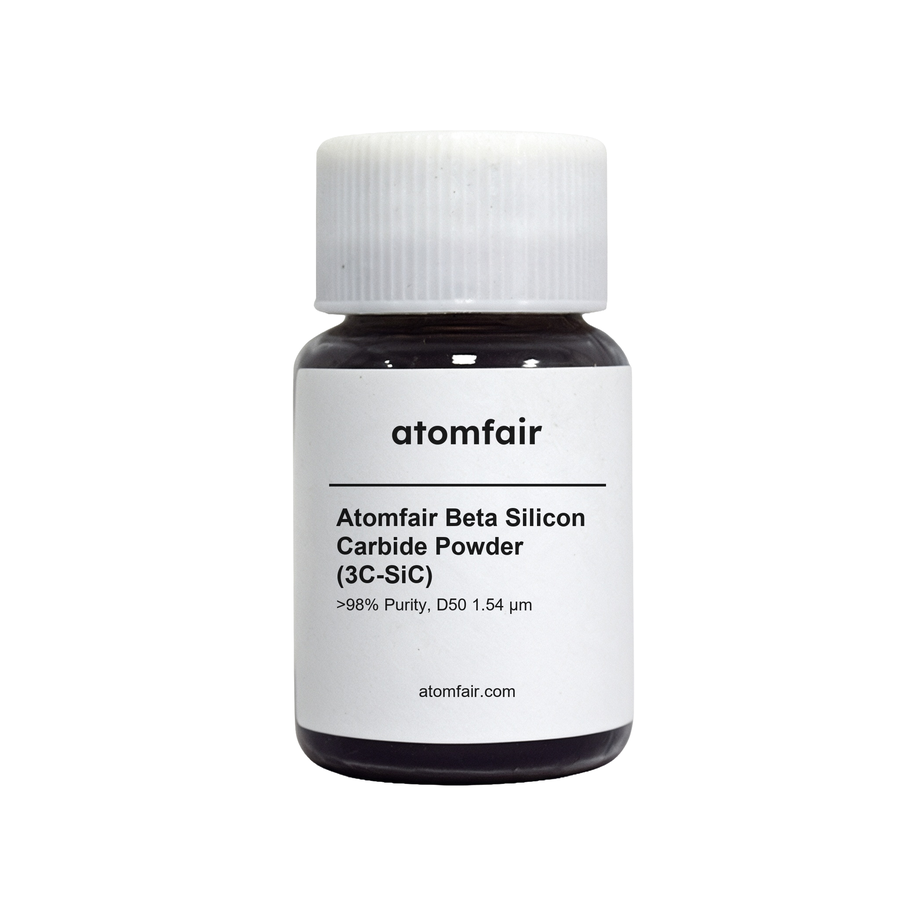
Beta Silicon Carbide Powder 3C-SiC >98% 1.54μm ATOMFAIR®
Price range: $229.00 through $899.00 -
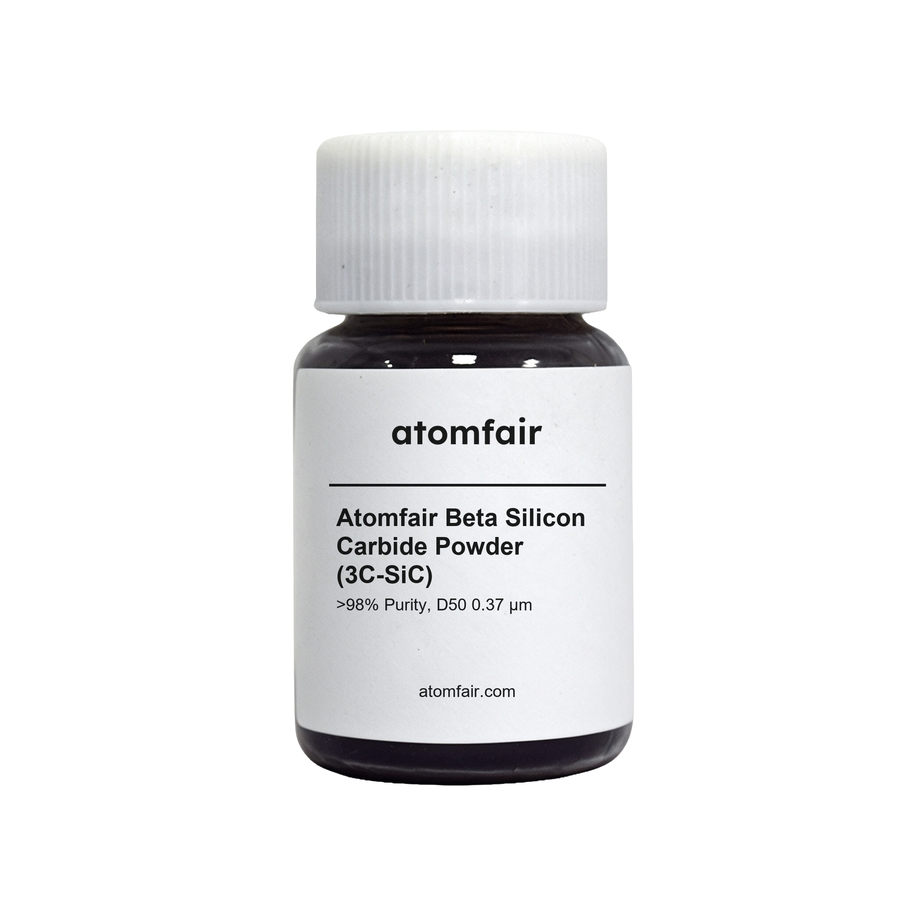
Beta Silicon Carbide Powder 3C-SiC >98% D50 0.37μm ATOMFAIR®
Price range: $179.00 through $249.00 -
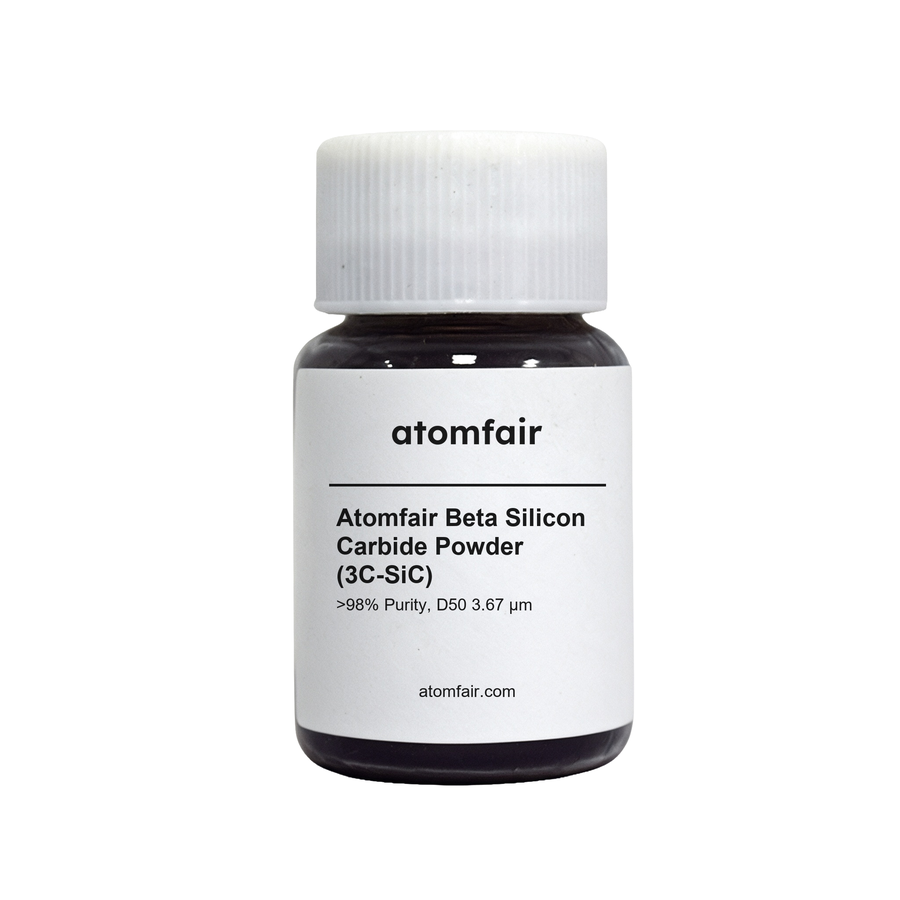
Beta Silicon Carbide Powder 3C-SiC >98% D50 3.67μm ATOMFAIR®
Price range: $229.00 through $899.00 -
Beta Silicon Carbide Powder 3C-SiC >99% Pure ATOMFAIR®
Price range: $199.00 through $749.00 -
Beta Silicon Carbide Powder 3C-SiC >99%, D50 103μm ATOMFAIR®
Price range: $199.00 through $749.00 -
Beta Silicon Carbide Powder 3C-SiC >99%, D50 66μm ATOMFAIR®
Price range: $199.00 through $749.00 -
Beta Silicon Carbide Powder 3C-SiC D50 0.37μm
Price range: $239.00 through $999.00 -
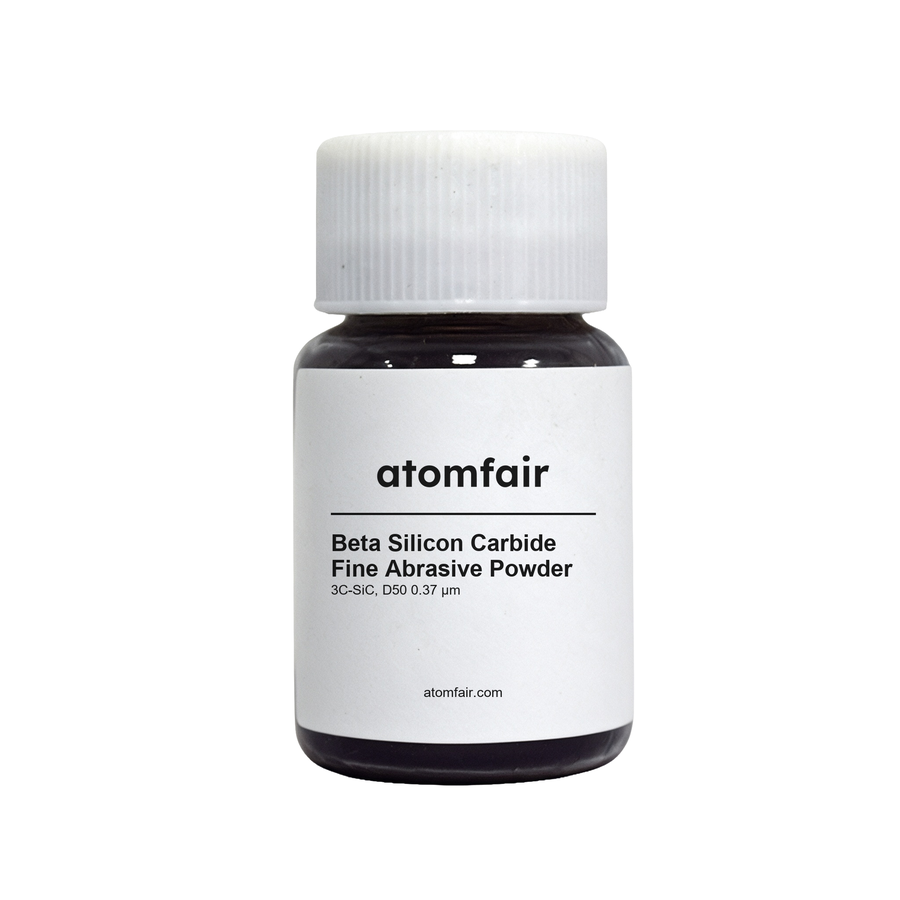
Beta Silicon Carbide Powder 3C-SiC D50 0.37μm ATOMFAIR®
Price range: $189.00 through $599.00 -
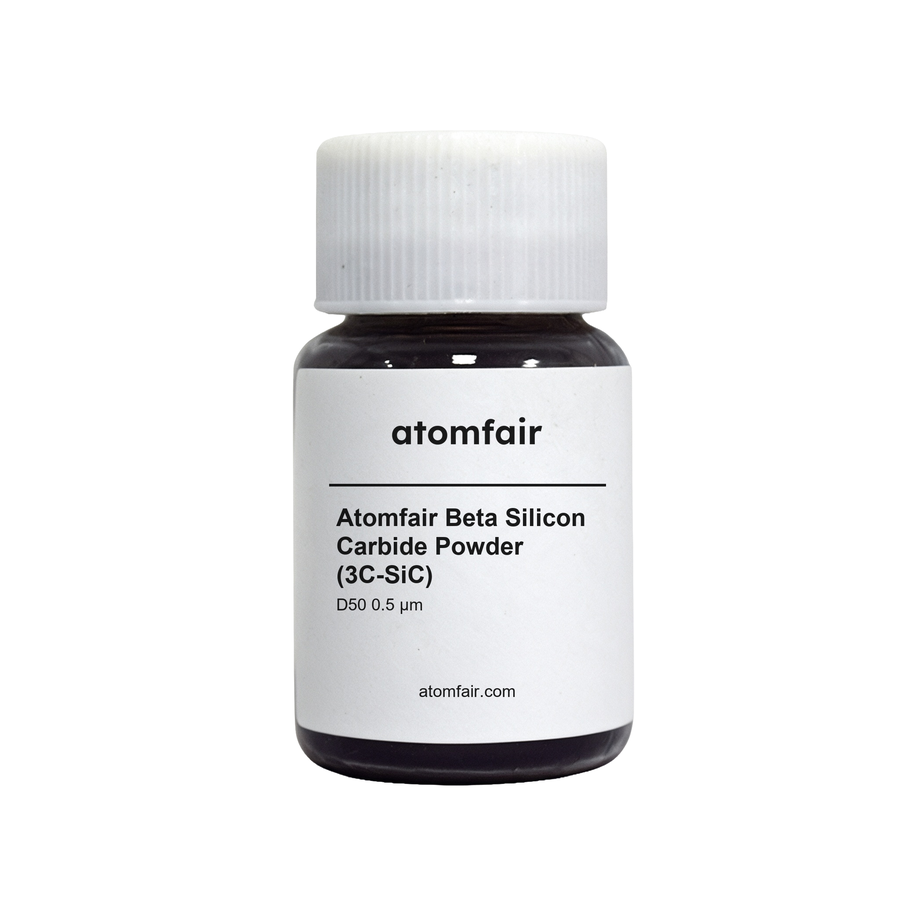
Beta Silicon Carbide Powder 3C-SiC D50 0.5μm
Price range: $239.00 through $999.00 -
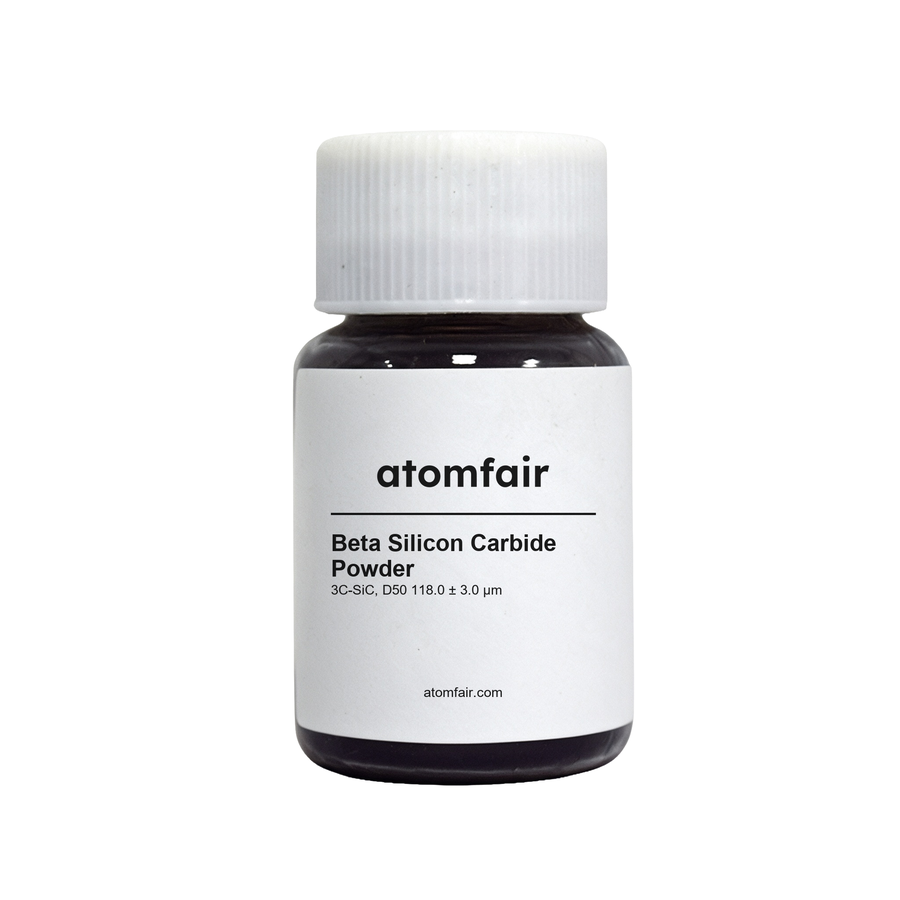
Beta Silicon Carbide Powder 3C-SiC D50 118μm ATOMFAIR®
Price range: $169.00 through $619.00 -
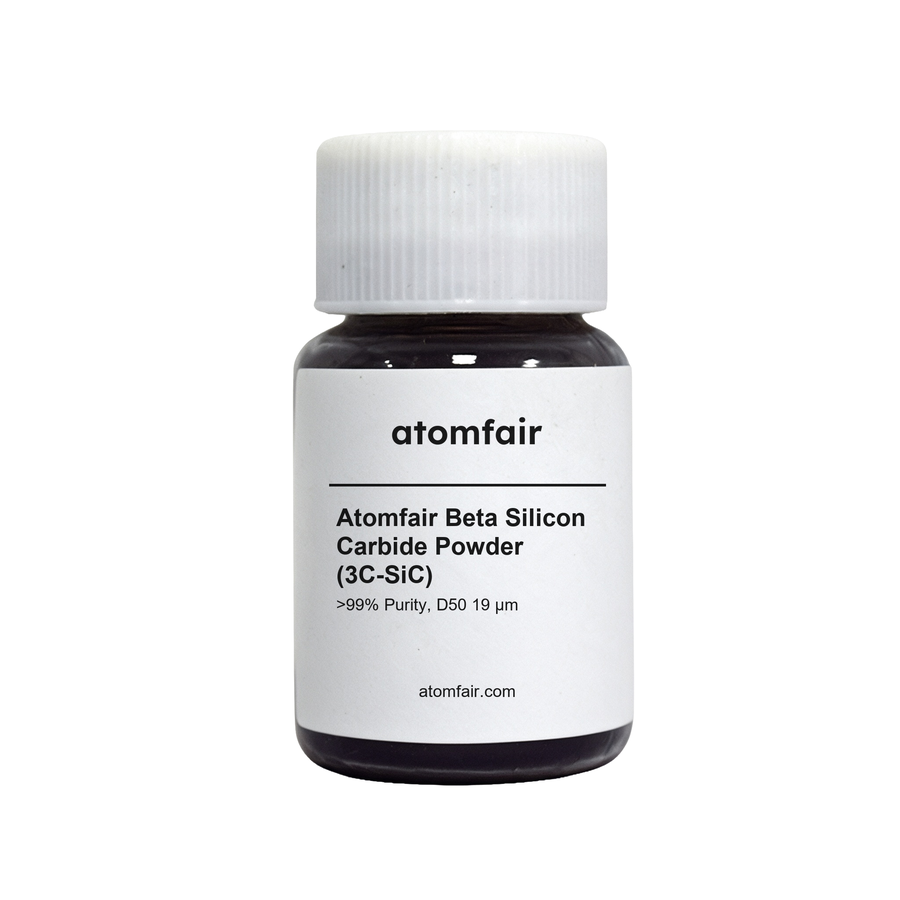
Beta Silicon Carbide Powder 3C-SiC D50 19μm ATOMFAIR®
Price range: $209.00 through $799.00