
Borides
Borides are advanced inorganic materials formed between boron and metals or metalloids. Depending on their composition and crystal structure, boride materials may offer high hardness, high-temperature stability, electrical conductivity, wear resistance, and useful functional properties for advanced materials research.
These materials are widely used in advanced ceramics, powder metallurgy, wear-resistant coatings, high-temperature composites, electronic functional materials, thermionic-emission research, and superconducting-material development. Select the appropriate boride by chemical formula, purity, particle size, morphology, and intended processing route.
Explore Boride Materials and Selection Guide
Boride Material Families
| Material Family | Representative Materials | Typical Research Directions |
|---|---|---|
| Transition-Metal Borides | TiB2, ZrB2, HfB2, TaB2, NbB2, VB2, CrB, Cr2B, CrB2, MoB, Mo2B, MoB2, WB, WB2, W2B5 | High-temperature ceramics, hard materials, wear-resistant coatings, powder metallurgy, and composite materials. |
| Iron-Group Borides | FeB, Fe2B, CoB, Co2B, Co3B, NiB, Ni2B, MnB2 | Hard-phase research, surface engineering, catalytic-material studies, and functional-material development. |
| Rare-Earth and Alkaline-Earth Hexaborides | LaB6, CeB6, PrB6, NdB6, SmB6, EuB6, GdB6, TbB6, DyB6, HoB6, TmB6, YbB6, CaB6, SrB6, BaB6 | Thermionic emission, electron-source materials, XRD calibration, magnetic materials, and electronic functional-material research. |
| Light-Metal and Other Borides | AlB2, MgB2, ScB2, ScB12, YB2, YB4, ErB4, LuB4, SiB4, SiB6 | Superconductivity research, conductive materials, functional ceramics, and composition-specific materials studies. |
Select by Application
High-Temperature Ceramics and Ultra-High-Temperature Materials
TiB2, ZrB2, HfB2, TaB2, and NbB2 are important starting materials for high-temperature ceramics, electrically conductive ceramics, refractory composites, crucible materials, and thermal-protection research. For these applications, evaluate purity, particle size, oxygen content, sintering additives, and compatibility with the selected consolidation process.
Wear-Resistant and Hard-Material Research
Chromium, tungsten, molybdenum, titanium, iron, cobalt, and nickel borides are useful for hard-facing materials, wear-resistant phases, coating studies, and powder-metallurgy formulations. Materials with different formulas, such as WB, WB2, and W2B5, represent different boride phases and should not be treated as interchangeable.
Electronic and Thermionic-Emission Materials
Rare-earth hexaborides, including LaB6 and CeB6, are widely studied for electron emission, thermionic cathodes, vacuum-electronic applications, diffraction-related work, and electronic functional materials. Phase purity, particle uniformity, and impurity control are especially important for these applications.
Superconducting and Conductive Materials
MgB2 is an important boride for superconducting wire, tape, and powder-in-tube research. TiB2 and related conductive borides may also be considered for electrodes, conductive ceramics, and composite conductive-material studies.
Key Selection Parameters
| Parameter | Why It Matters |
|---|---|
| Chemical Formula and Phase | A single metal can form multiple boride phases. Different formulas may have different structures, properties, and processing behavior. |
| Purity | Purity can affect repeatability, sintering behavior, electrical properties, and impurity-sensitive research. |
| Particle Size | Nanopowders can support fine-microstructure and high-surface-area studies; micron powders are widely used for sintering, composites, and coatings; mesh powders suit many conventional blending and processing routes. |
| Particle-Size Distribution | Particle-size distribution influences flowability, dispersion, packing, pressing behavior, and final density. |
| Morphology and Surface Area | These factors are especially relevant for slurry preparation, coatings, composite formulations, and nanopowder processing. |
| Storage and Oxidation Sensitivity | Some boride powders may require careful handling to minimize moisture exposure, oxidation, or contamination during storage and processing. |
Quick Material Selection Guide
- For high-temperature ceramics and refractory composites, begin with TiB2, ZrB2, HfB2, TaB2, or NbB2.
- For hard phases, wear studies, and protective coatings, consider chromium, tungsten, molybdenum, iron, cobalt, and nickel borides.
- For thermionic-emission, electron-source, and functional-material research, consider LaB6, CeB6, and related rare-earth hexaborides.
- For superconducting-material research, begin with MgB2 and select particle size according to the intended fabrication route.
- For sintering and powder metallurgy, compare particle size, particle-size distribution, oxygen content, and compatibility with the selected matrix or additives.
Frequently Asked Questions
What are boride powders used for?
Boride powders are used in advanced ceramics, powder metallurgy, high-temperature composites, wear-resistant coatings, electronic functional materials, thermionic-emission research, and superconducting-material development.
How do TiB2, ZrB2, and HfB2 differ?
All three are high-temperature diborides, but their density, thermal behavior, oxidation response, and processing requirements may differ. Selection should be based on the target temperature, matrix material, sintering route, coating process, and performance goal.
What is the difference between nanopowder, micron powder, and mesh powder?
Nanopowders generally provide higher surface area and are useful for fine-microstructure or dispersion studies. Micron powders are commonly used for sintering, composite production, and coating work. Mesh powders are suitable for many conventional blending and powder-processing applications.
Why are there several borides for the same metal?
A metal can form more than one boride phase with boron. For example, MoB, Mo2B, and MoB2 are distinct materials with different chemical compositions and potentially different physical and processing properties.
Is a higher purity always better?
Not always. Higher purity can be important for impurity-sensitive electronic, functional, and fundamental research. For engineering formulations, sintering, and composite studies, particle size, oxygen content, processing compatibility, and cost should also be considered.
Can boride powders be used directly?
That depends on the application. Many projects require blending, milling, dispersion, pressing, sintering, spraying, or composite formulation before the material reaches its intended final form.
How should boride powders be stored?
Keep powders sealed, dry, and protected from unnecessary moisture and high-temperature exposure. Follow the material-specific SDS and laboratory handling procedures, especially for fine powders or oxidation-sensitive materials.
What information is helpful when selecting a boride material?
Provide the target chemical formula, desired purity, particle size or mesh range, application, expected quantity, and intended process such as sintering, coating, slurry preparation, composite production, or functional-material research.
Showing 33–43 of 43 results
-
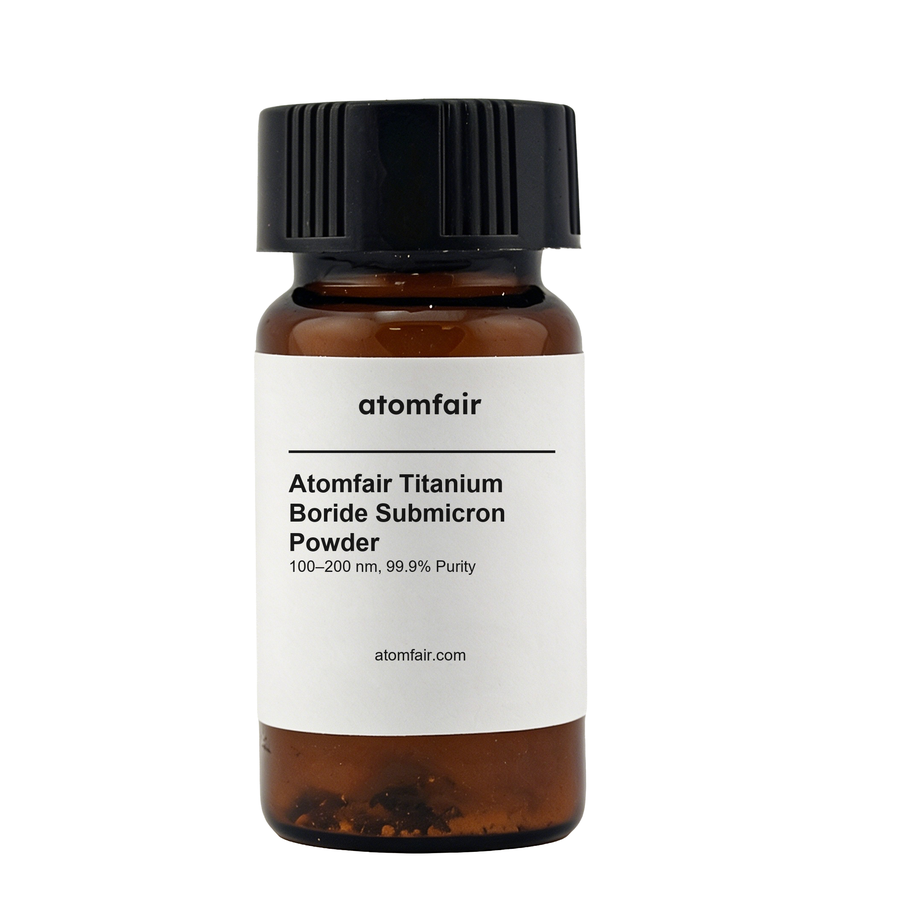
Titanium Boride Submicron Powder 100-200 nm 99.9%
Price range: $349.00 through $1,799.00 -
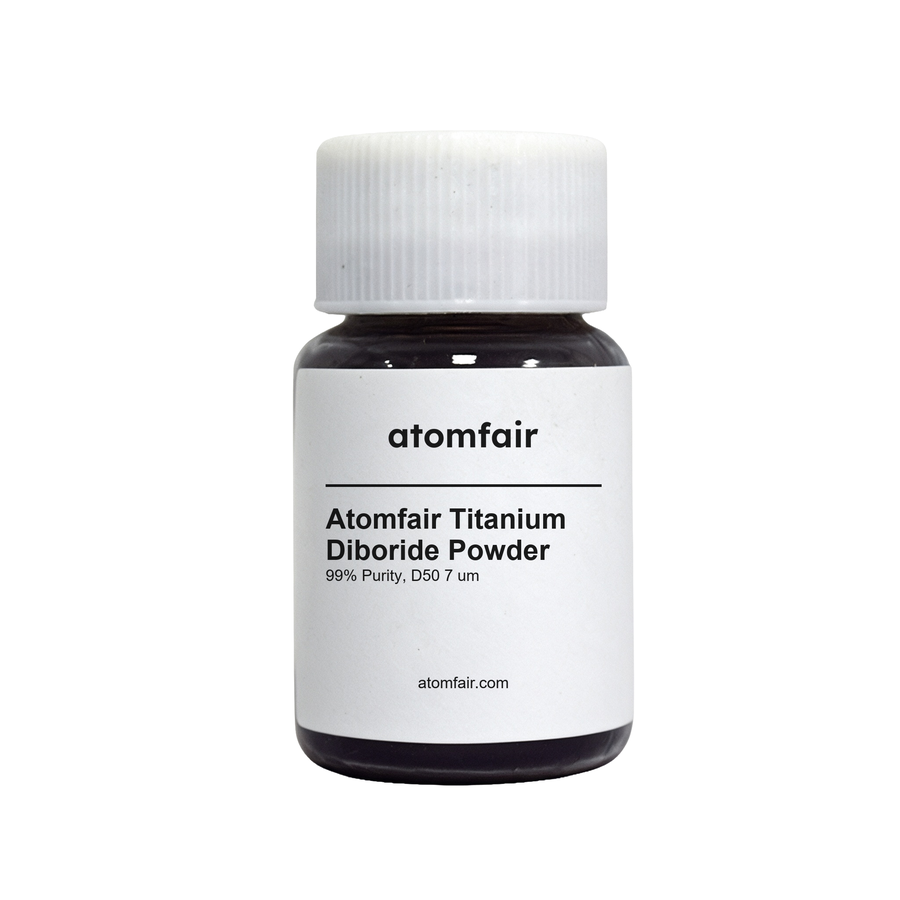
Titanium Diboride (TiB2) Powder, 99% Purity, D50 7 um
Price range: $229.00 through $319.00 -
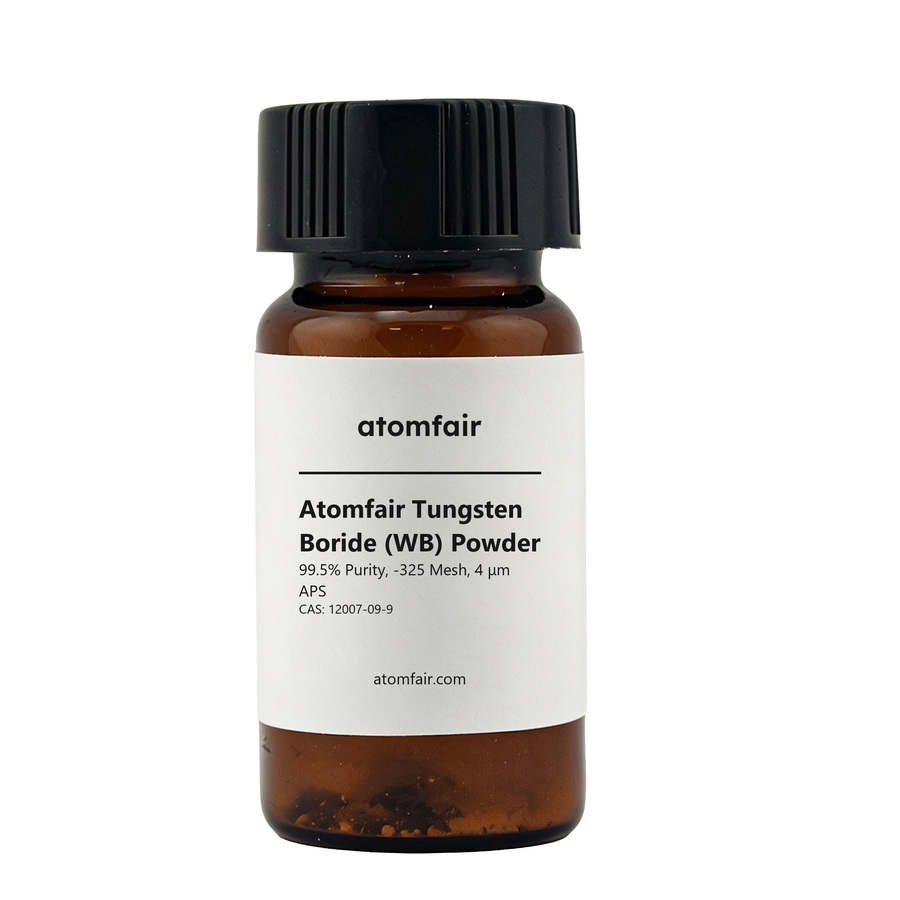
Tungsten Boride (WB) Powder 99.5% -325 Mesh
Price range: $149.00 through $749.00 -
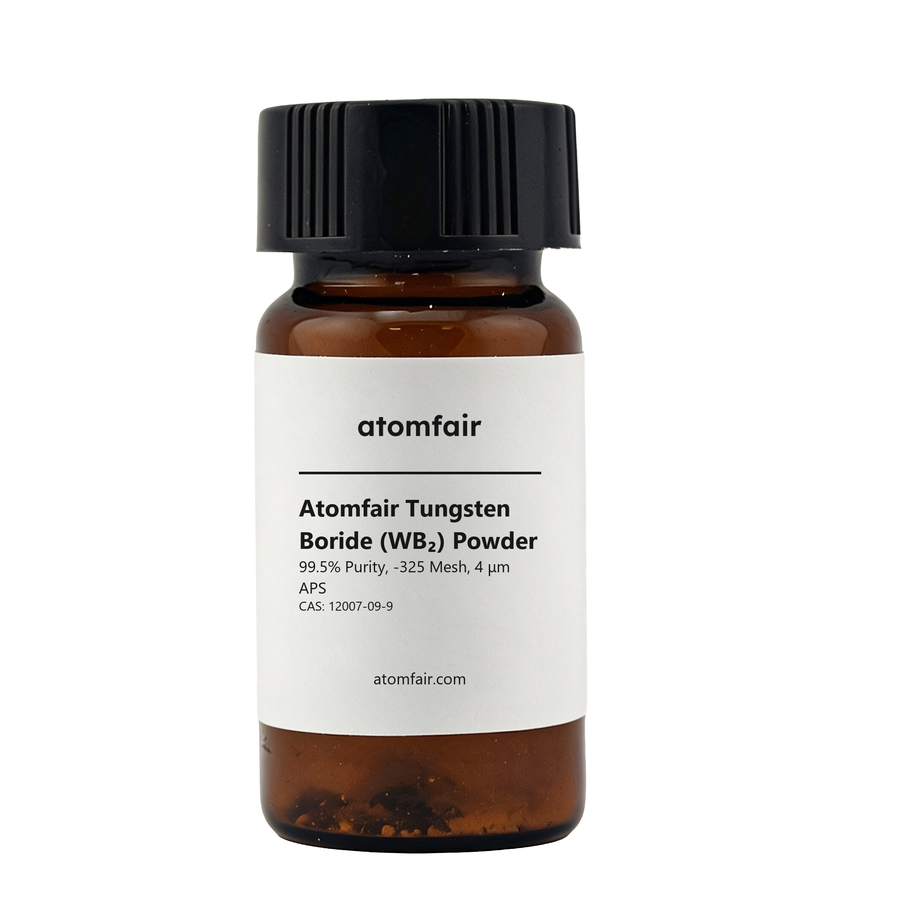
Tungsten Boride (WB₂) Powder, 99.5% Purity, -325 Mesh, 4 μm APS
Price range: $249.00 through $699.00 -
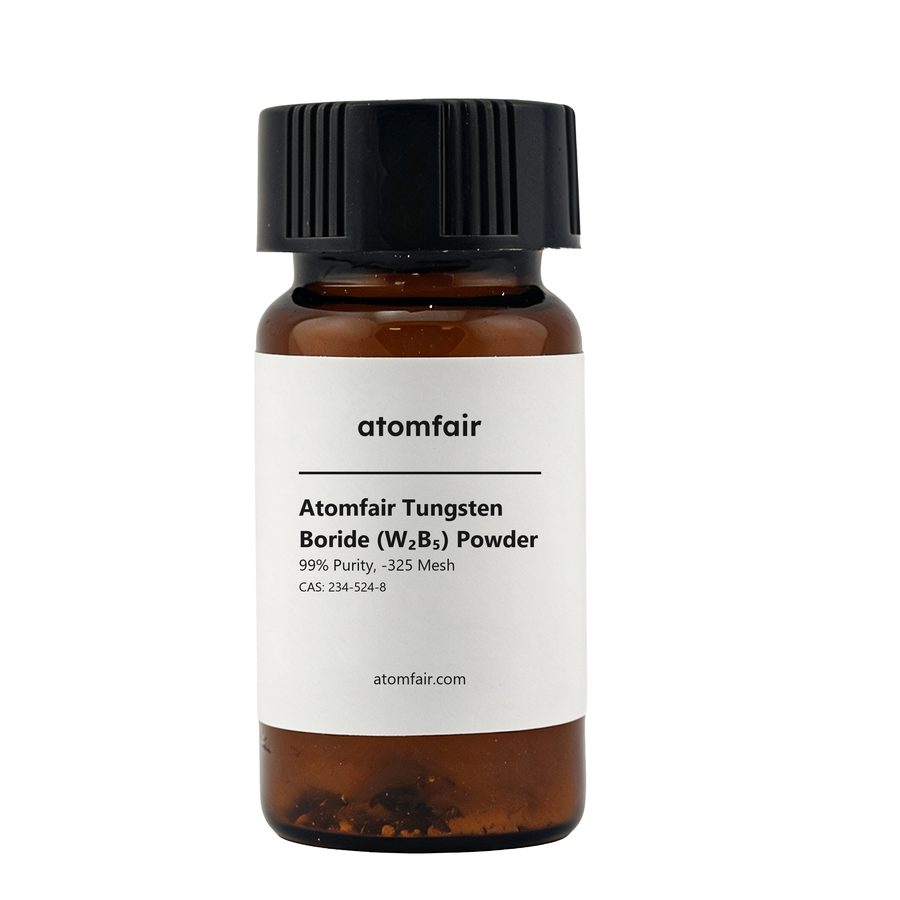
Tungsten Boride W2B5 Powder 99% -325 Mesh
Price range: $189.00 through $579.00 -
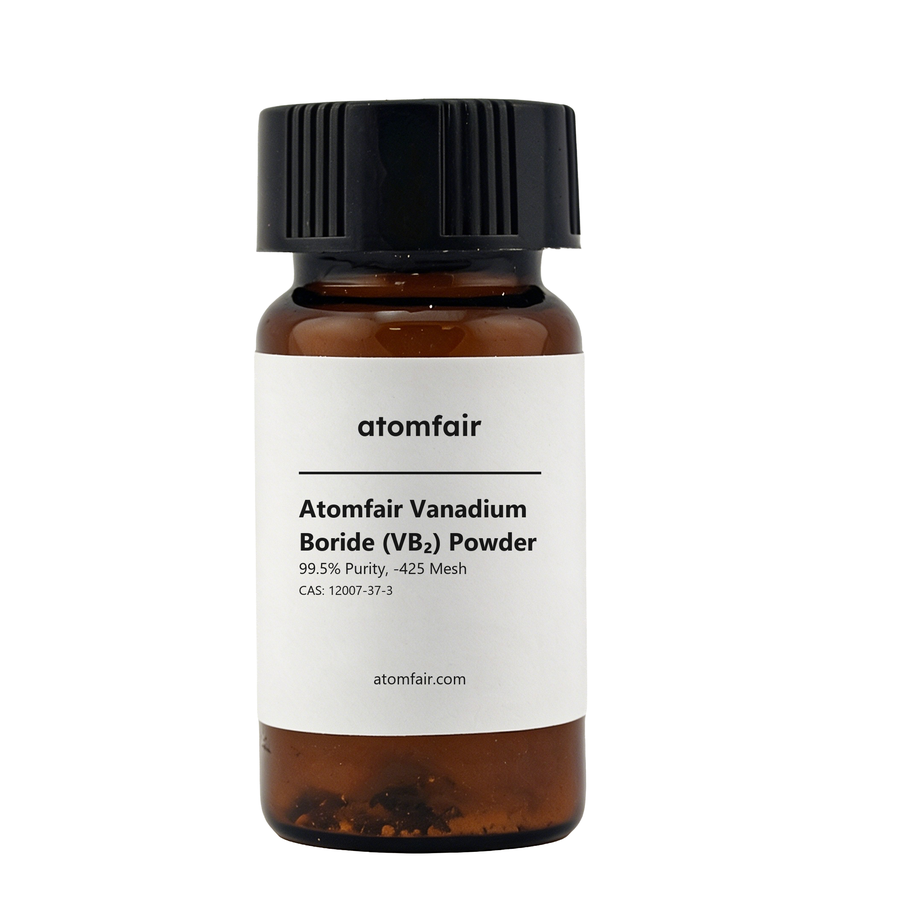
Vanadium Boride VB2 Powder 99.5% -425 Mesh
Price range: $199.00 through $599.00 -
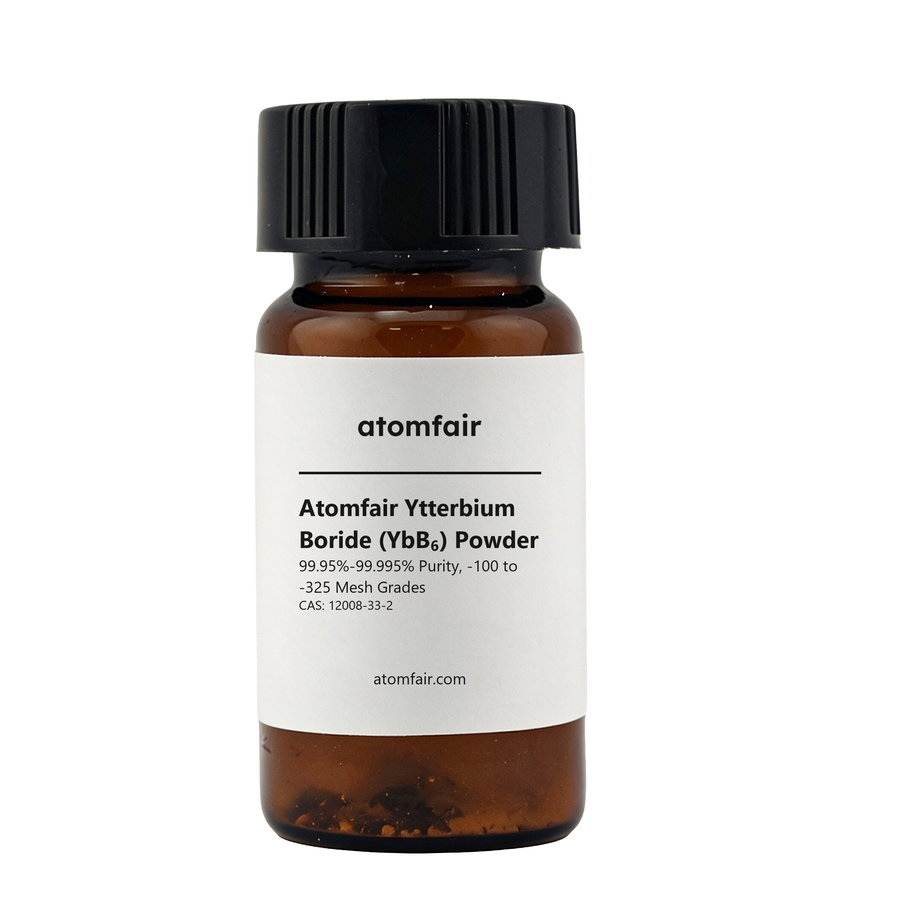
Ytterbium Boride (YbB6) Powder 99.95%-99.995%
Price range: $349.00 through $1,099.00 -
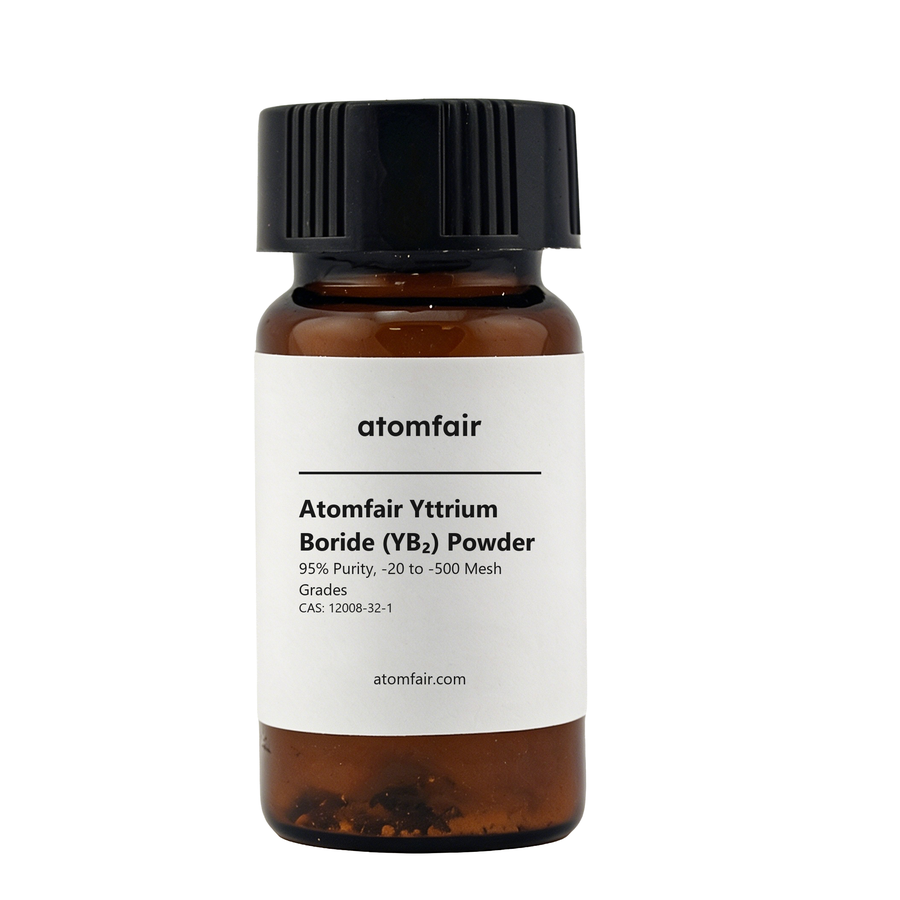
Yttrium Boride (YB₂) Powder, 95% Purity, -20 to -500 Mesh Grades
Price range: $179.00 through $499.00 -
Zirconium Boride Nanopowder 50–100 nm 99.9%
Price range: $899.00 through $4,999.00 -
Zirconium Boride Powder 100-200 nm 99.9%
Price range: $699.00 through $3,999.00 -
Zirconium Diboride (ZrB2) Powder, 99% Purity, 10-20 um
Price range: $199.00 through $549.00