
Introduction
Planetary ball mills are versatile grinding equipment that utilize a combination of rotational and revolutionary motion to achieve intense size reduction and mixing. They are critical tools in numerous scientific and industrial sectors for processing materials down to the micron and nanometer scale.
Applications in Materials Science
In the development of nanomaterials and composites, planetary ball mills are essential. They provide ultra-fine grinding and highly uniform mixing, which are crucial for researching and producing advanced materials such as new battery components and high-performance ceramics.
Applications in Mining and Metallurgy
In mineral processing and metallurgy, these mills are used for the comminution of ores and minerals. By adjusting grinding media and rotational speed, selective grinding of different minerals can be achieved. This precise control enhances efficiency and supports environmentally friendly practices in areas such as precious metal extraction and rare earth element separation.
Role in the New Energy Industry
Planetary ball mills contribute significantly to advancements in new energy technologies, including lithium-ion batteries, solar cells, and fuel cells. They ensure molecular-level homogeneity in electrode material mixtures—comprising active substances, conductive agents, and binders—which is vital for optimizing battery performance, vehicle range, and photovoltaic conversion efficiency.
Pharmaceutical Applications
In pharmaceuticals, the particle size of active ingredients directly affects absorption and bioavailability. Planetary ball mills are employed to produce ultra-fine drug powders, particularly for the nano-sizing of poorly soluble drugs. This process enhances dissolution rates, leading to faster and more effective drug action.
Applications in Environmental Technology
These mills play a role in recycling and waste valorization. Following initial crushing, planetary ball mills can process electronic waste, spent batteries, and construction debris to achieve fine grinding and efficient separation of components, facilitating the recovery of valuable materials from waste streams.
Other Industrial Applications
The technology is also applied in diverse fields such as pigment and coating production, food processing, and cosmetics manufacturing, where it ensures uniform dispersion and fine particle size of additives. Equipment is available in scales ranging from small laboratory units to large industrial production systems. Ongoing development focuses on increasing intelligence, energy efficiency, and specialization.
Related Products
-
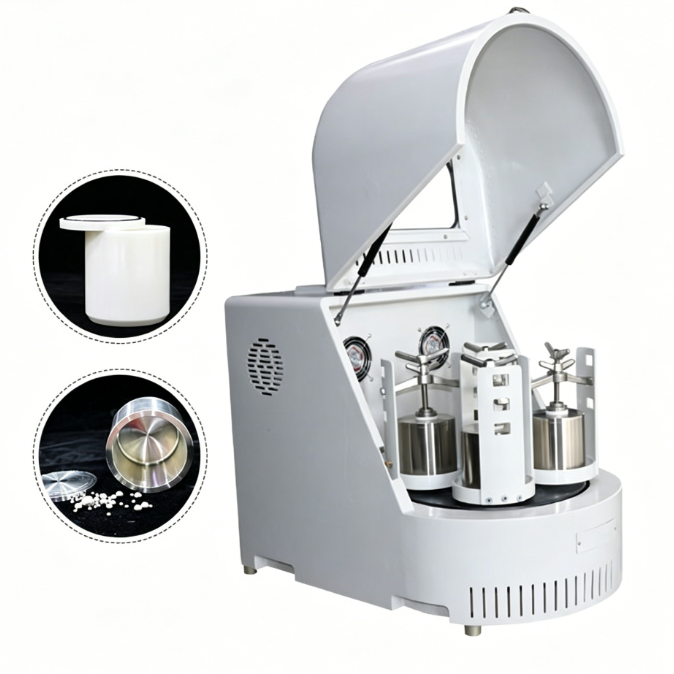
10 L Lateral Planetary Ball Mill SPBM-10A ATOMFAIR®
Price range: $4,740.00 through $17,140.00 -
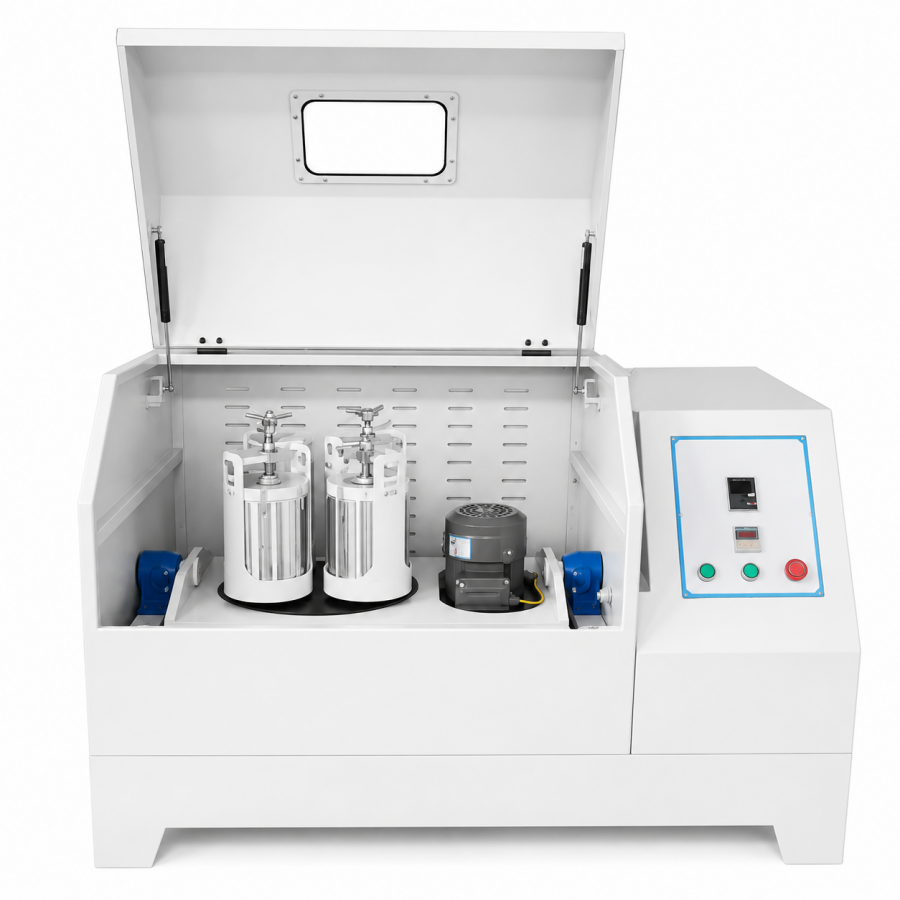
360° Planetary Ball Mill OPBM-(2-6) 0.75kW ATOMFAIR®
Price range: $5,308.00 through $12,948.00 -
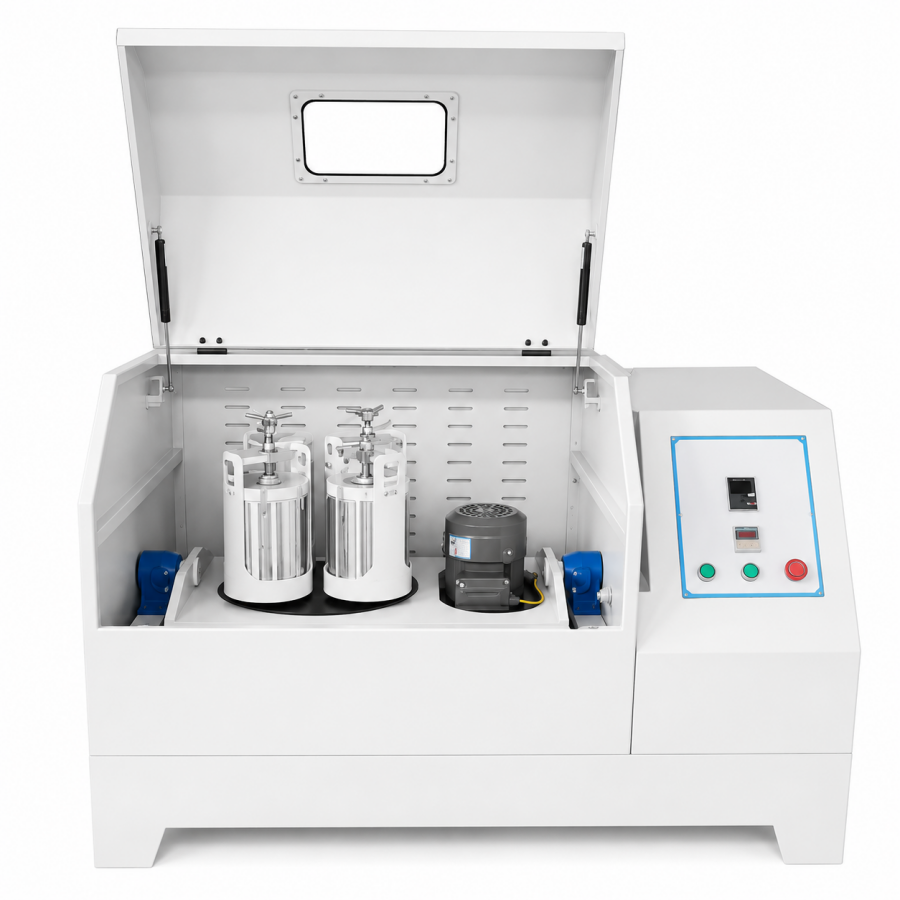
360° Planetary Ball Mill OPBM-(8-12) 1.5kW ATOMFAIR®
Price range: $7,264.00 through $21,552.00 -
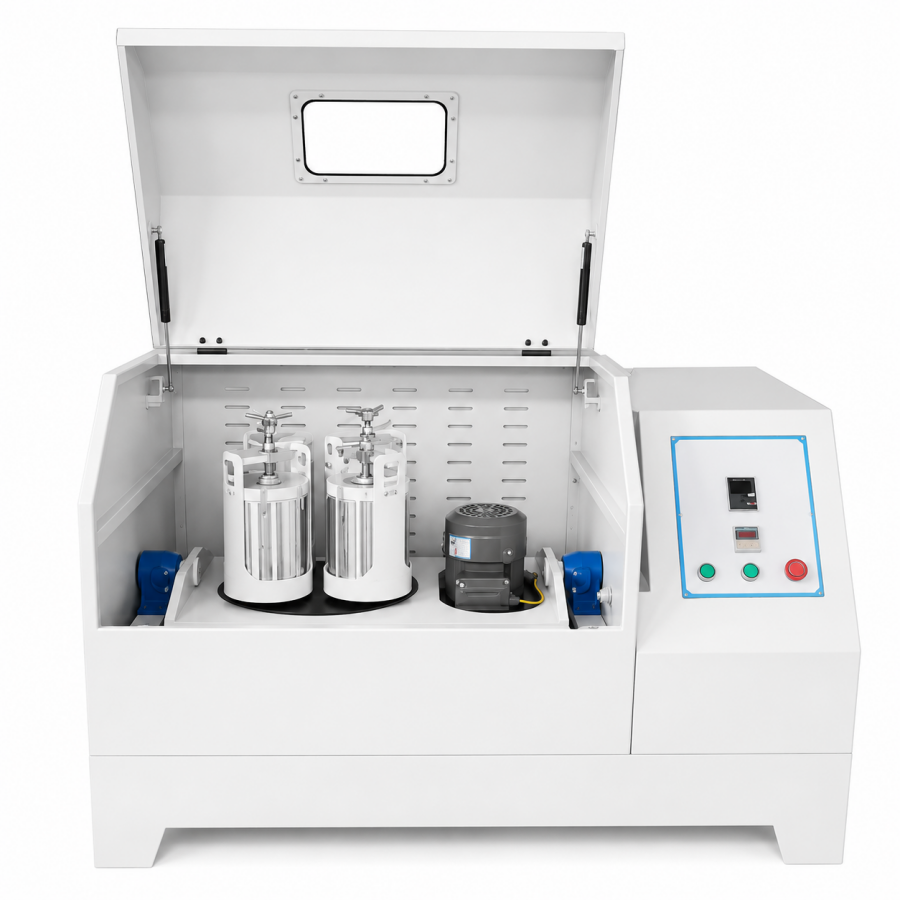
360° Planetary Ball Mill OPBM-0.4 0.4L 250W ATOMFAIR®
Price range: $3,547.00 through $4,771.00 -
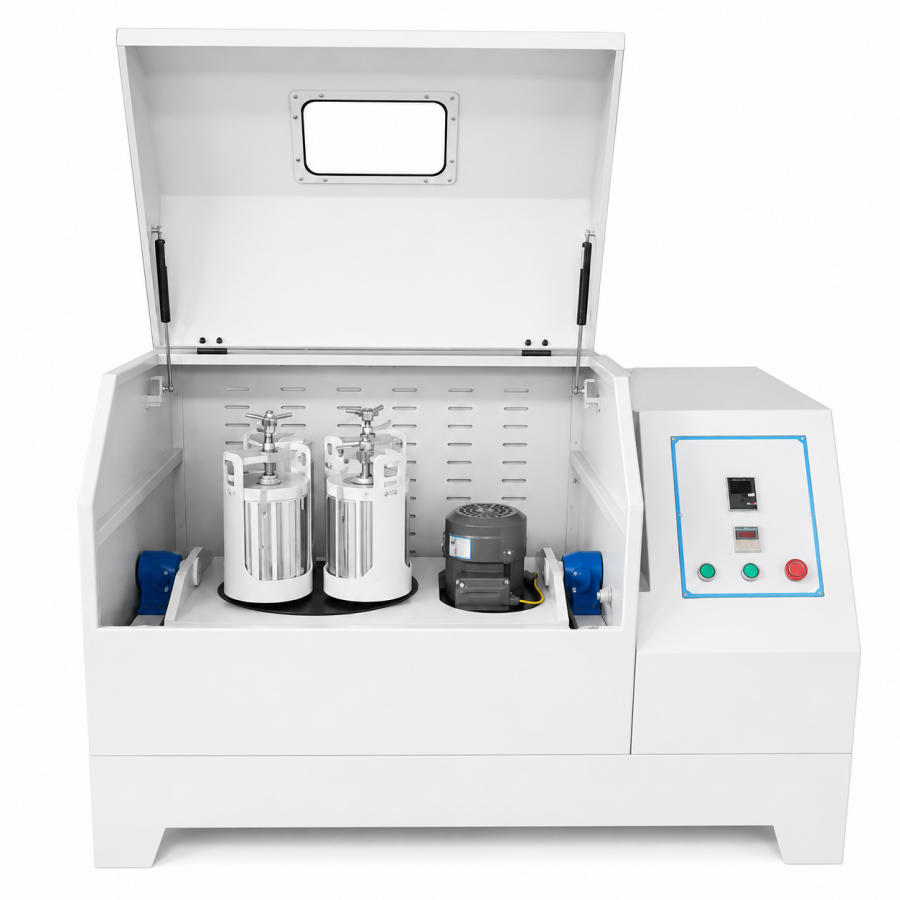
360° Planetary Ball Mill OPBM-20 20L 4kW Lab ATOMFAIR®
Price range: $14,255.00 through $38,015.00 -
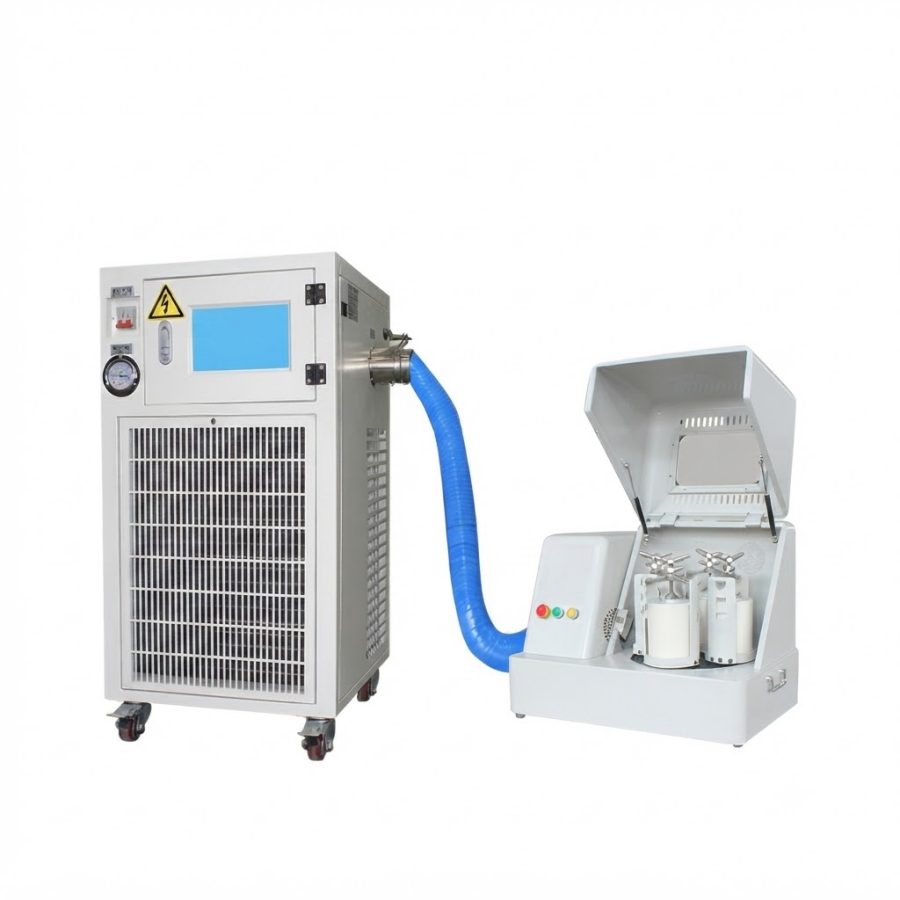
CPM-20 Cryogenic Planetary Ball Mill 20 L ATOMFAIR®
Price range: $14,018.00 through $37,778.00 -
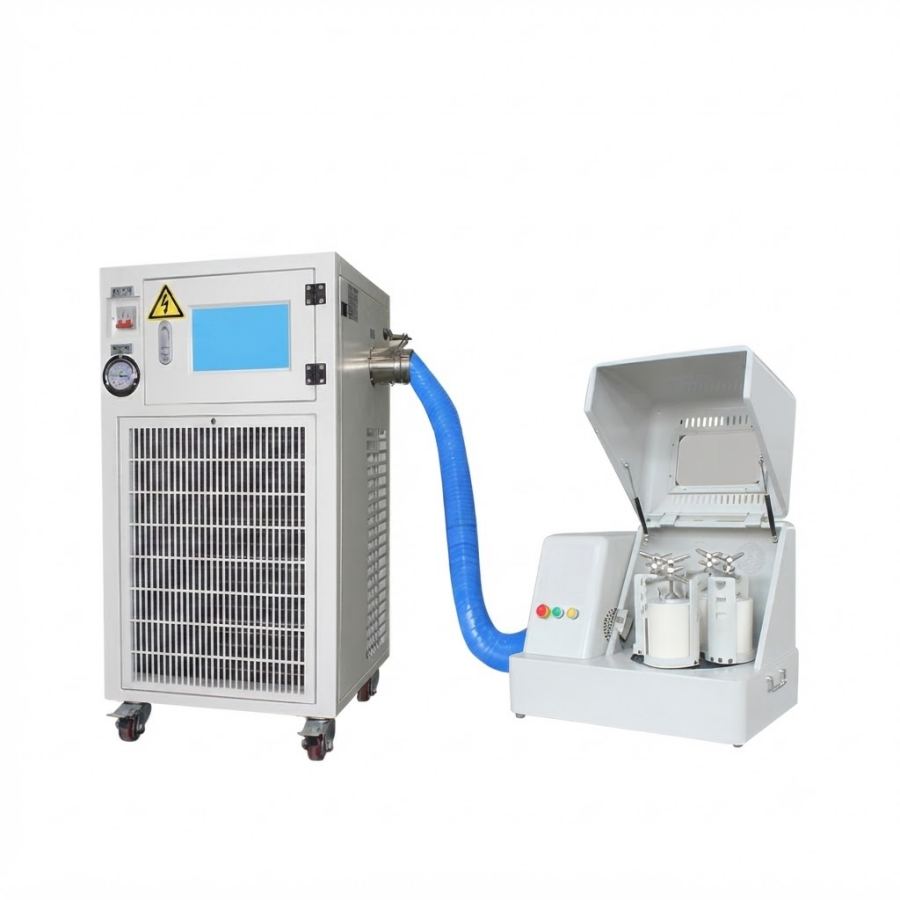
Cryogenic Planetary Ball Mill CPM-(8-12) 12 L ATOMFAIR®
Price range: $5,198.00 through $19,486.00 -
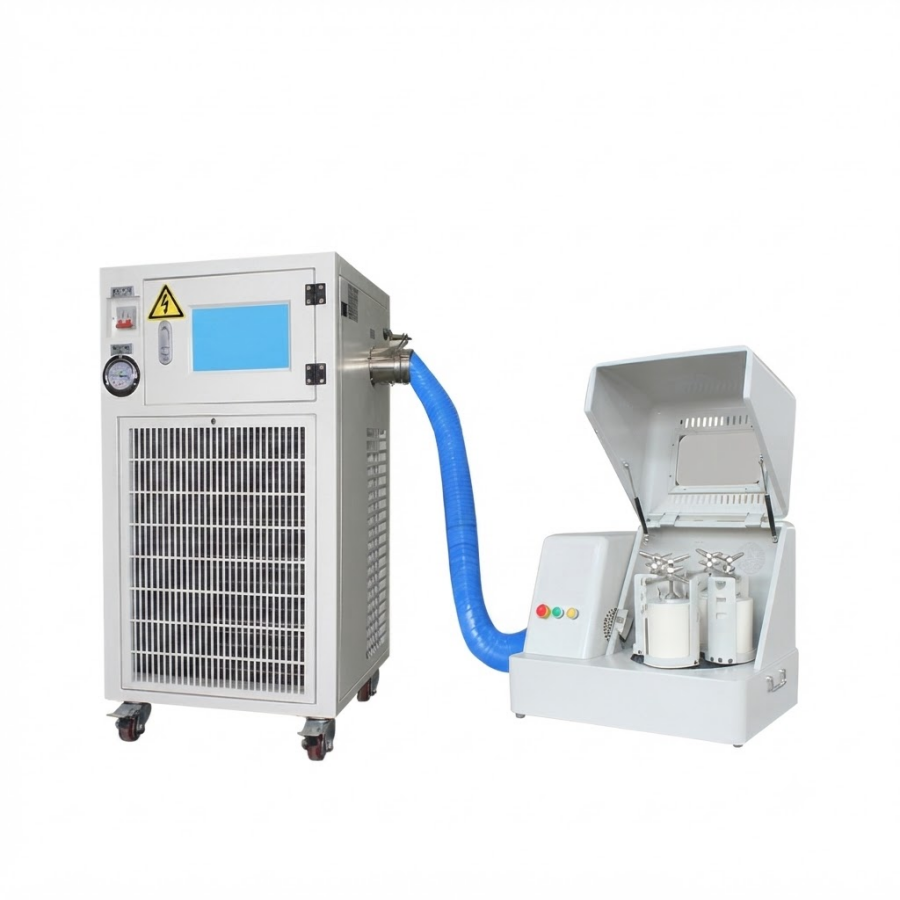
Cryogenic Planetary Ball Mill CPM-0.2 0.2 L ATOMFAIR®
Price range: $1,596.00 through $2,532.00 -
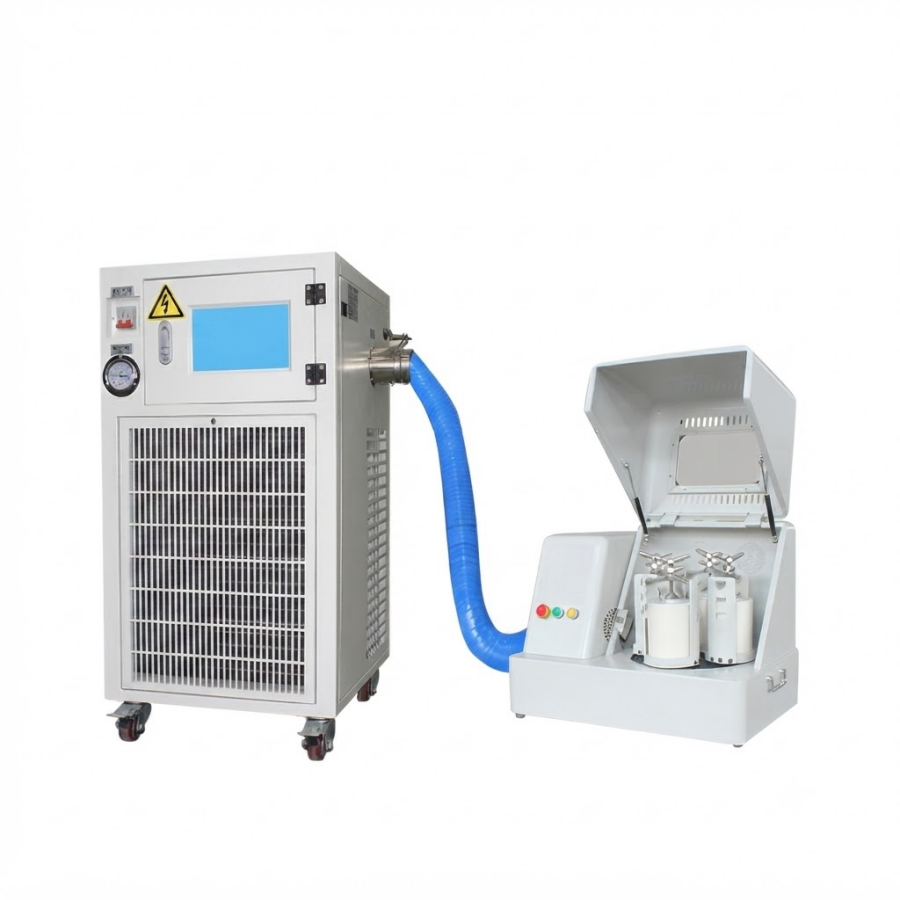
Cryogenic Planetary Ball Mill CPM-0.2S 0.2 L ATOMFAIR®
Price range: $1,612.00 through $2,548.00 -
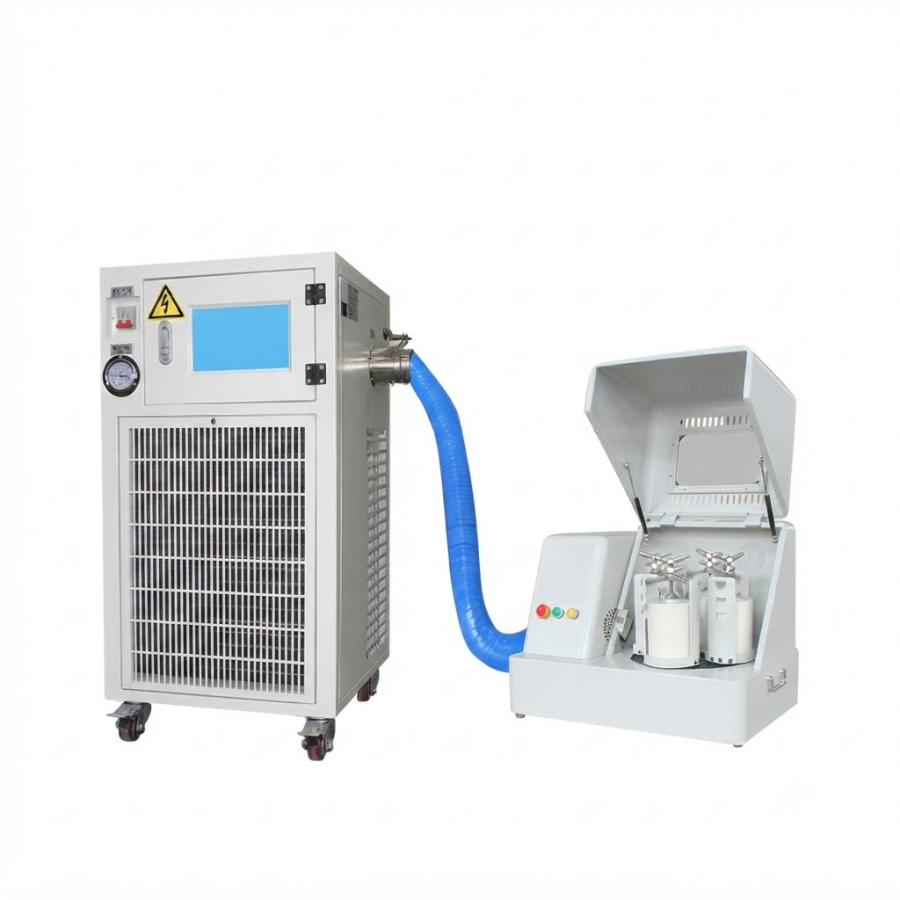
Cryogenic Planetary Ball Mill CPM-0.4A 0.4 L ATOMFAIR®
Price range: $2,270.00 through $3,494.00
- Test Method for Particle Size Distribution of Metal Powders and Related Compounds by Light Scattering
DOI: 10.1520/b0822-20
Official particle-size measurement standard relevant to validating the micron- and submicron-scale size-reduction outcomes claimed for planetary ball milling of powders. - Real-time and in situ monitoring of mechanochemical milling reactions
DOI: 10.1038/nchem.1505
High-impact experimental paper on monitoring reactions during milling, relevant to understanding controlled planetary ball milling, process optimization, and mechanochemical transformations. - Mechanochemistry: opportunities for new and cleaner synthesis
DOI: 10.1039/c1cs15171a
Broad review supporting claims that milling-based mechanochemical methods can improve process efficiency and reduce solvent use across chemical and materials applications.