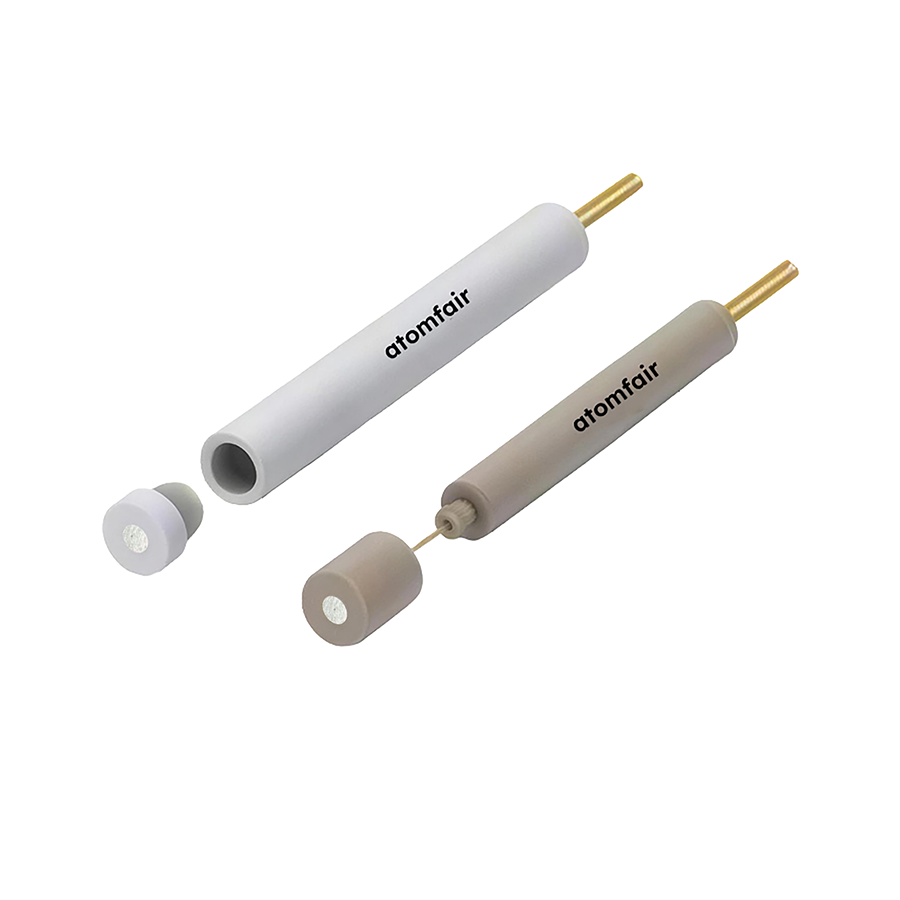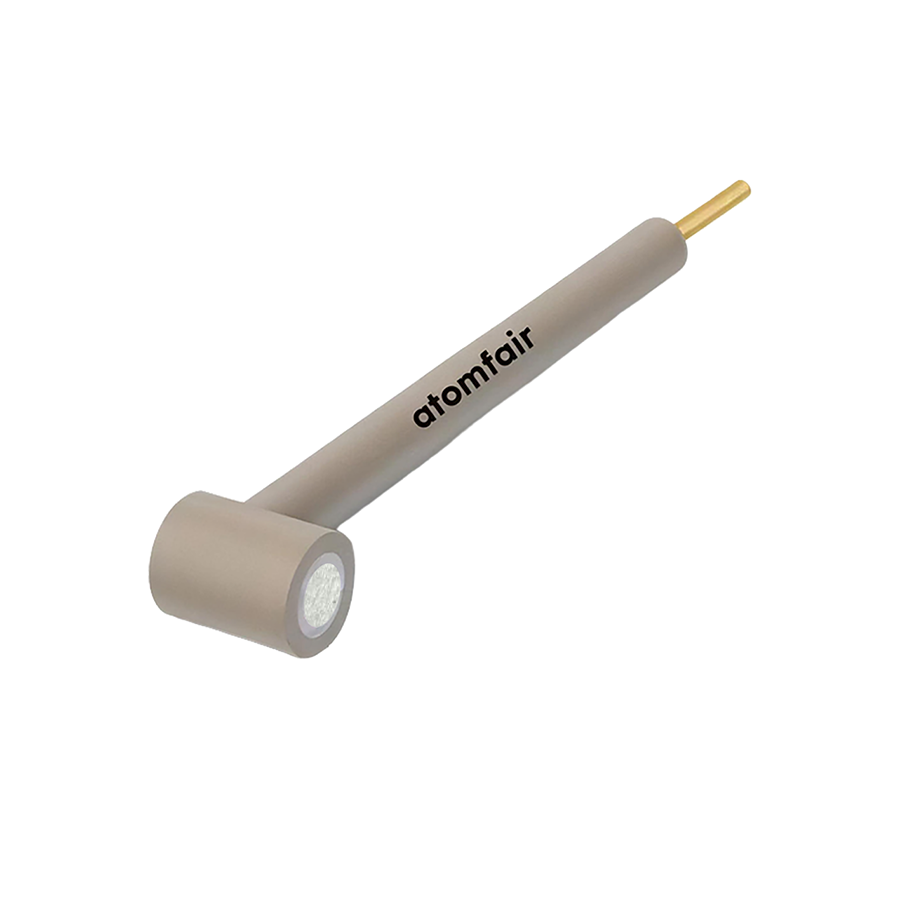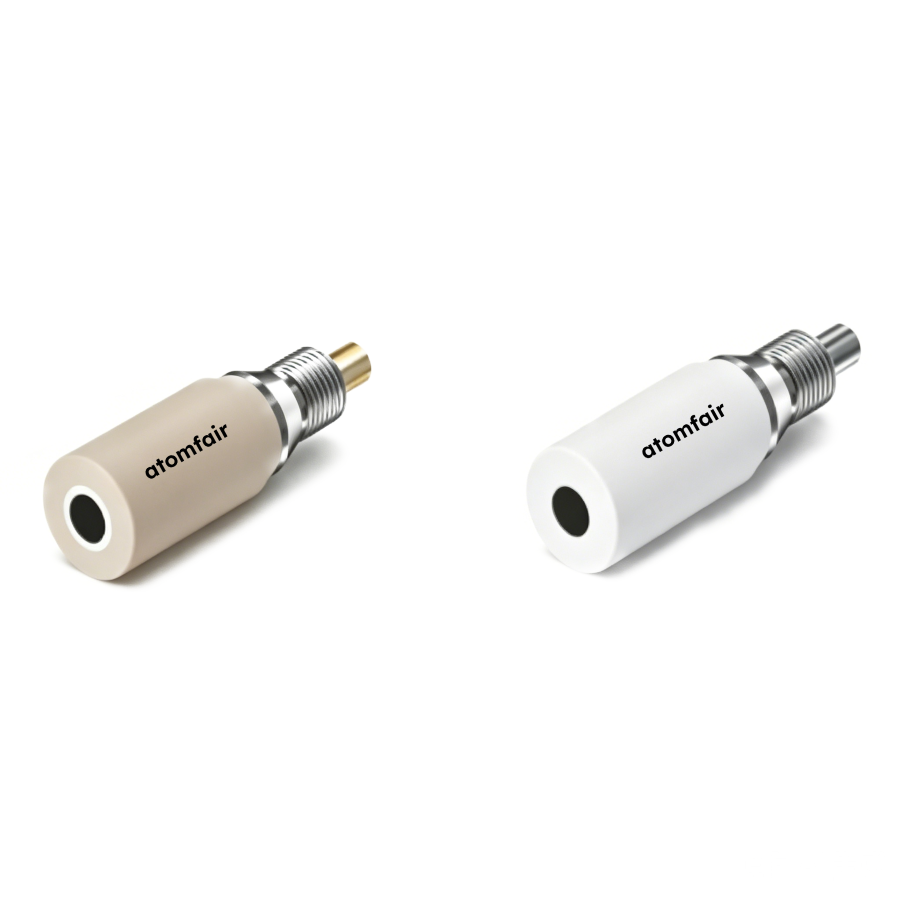
RDE rotating disk electrode – external thread | ATOMFAIRRESEARCH GRADE INSTRUMENT
|
|||||||||||||||||||||
|
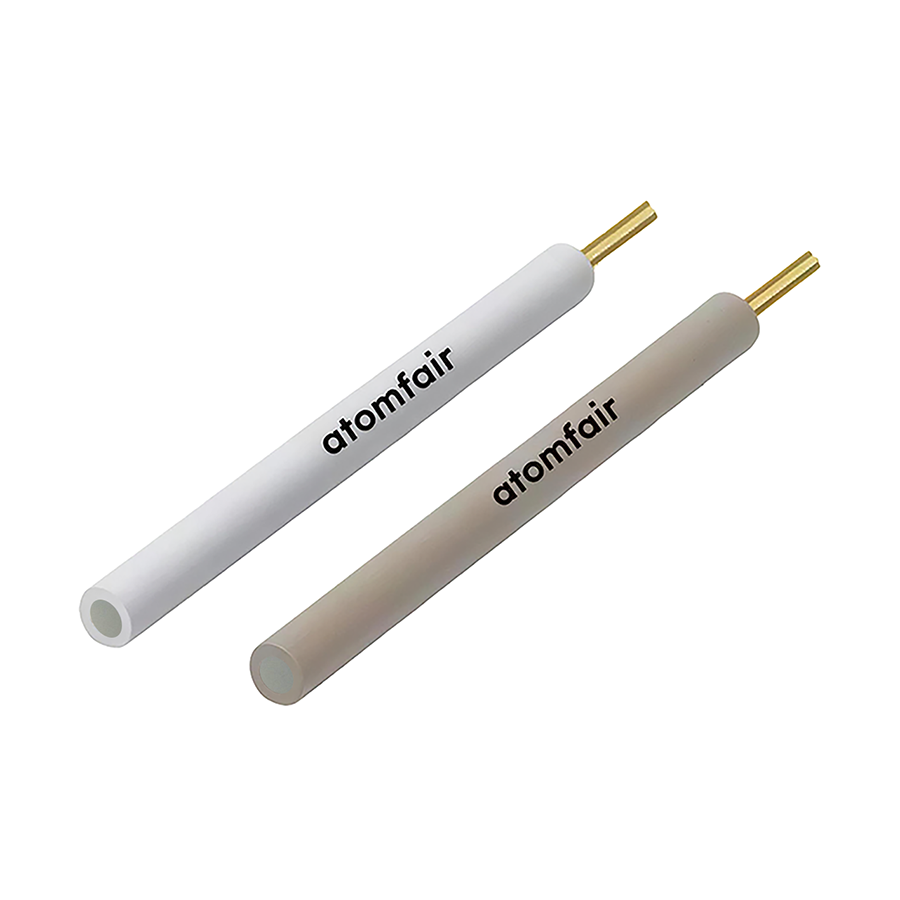
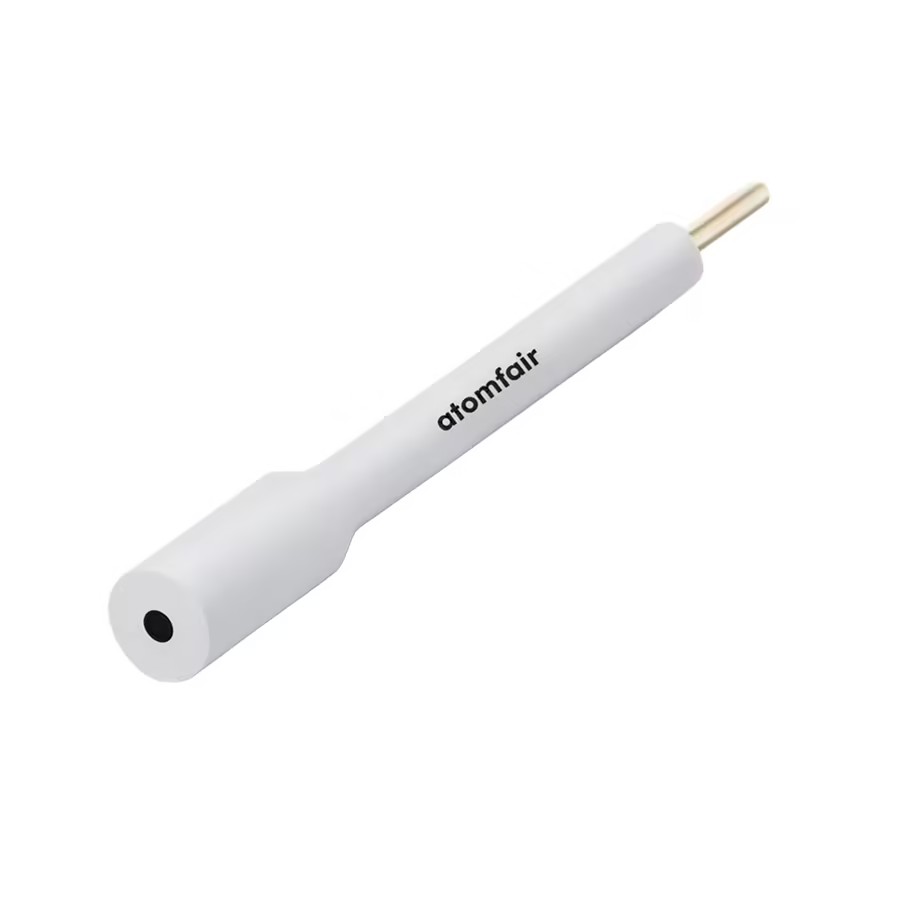
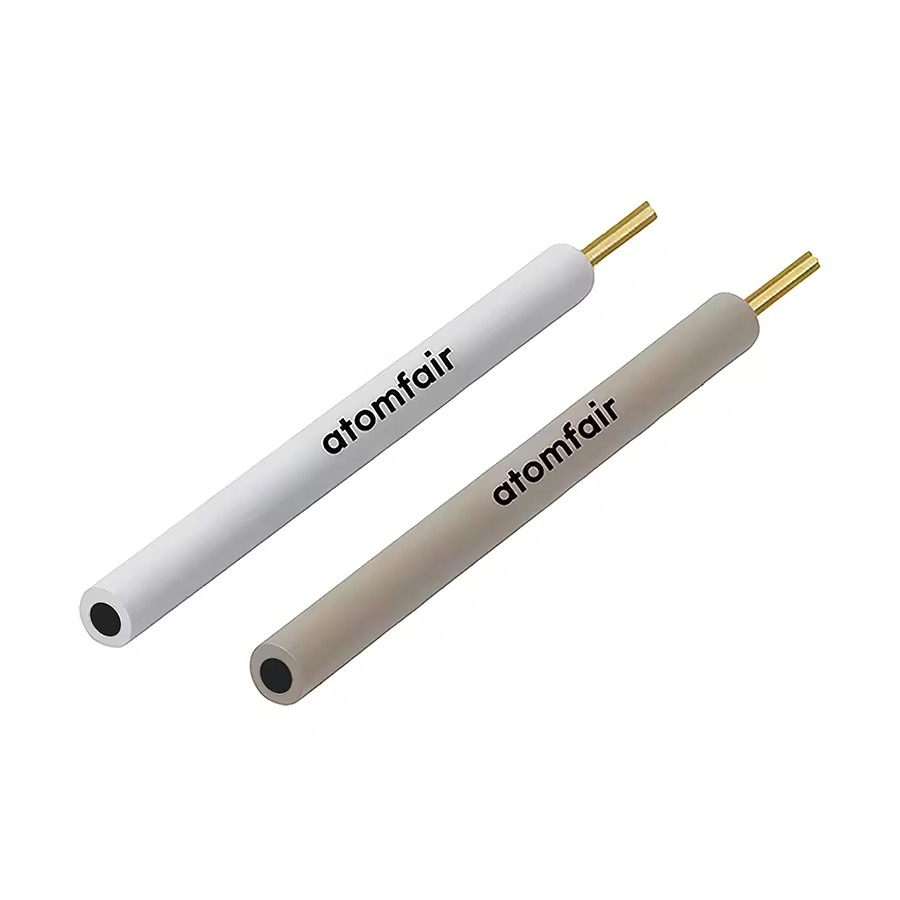
This document outlines the environmental and handling constraints for the ATOMFAIR® RDE rotating disk electrode. The electrode is highly sensitive to surface contamination and requires sealed or inert storage to prevent degradation before electrochemical validation.
- Sealing Requirement: Keep the electrode container tightly sealed to prevent surface contamination.
- Inert Environment Handling: Handle the electrode exclusively within an anhydrous inert environment to prevent phase contamination or degradation.
- Chemical Compatibility: The PTFE encapsulation permits operation in concentrated acid systems.
What are the available disk materials for the ATOMFAIR RDE rotating disk electrode with external thread, and how do they affect electrochemical performance?
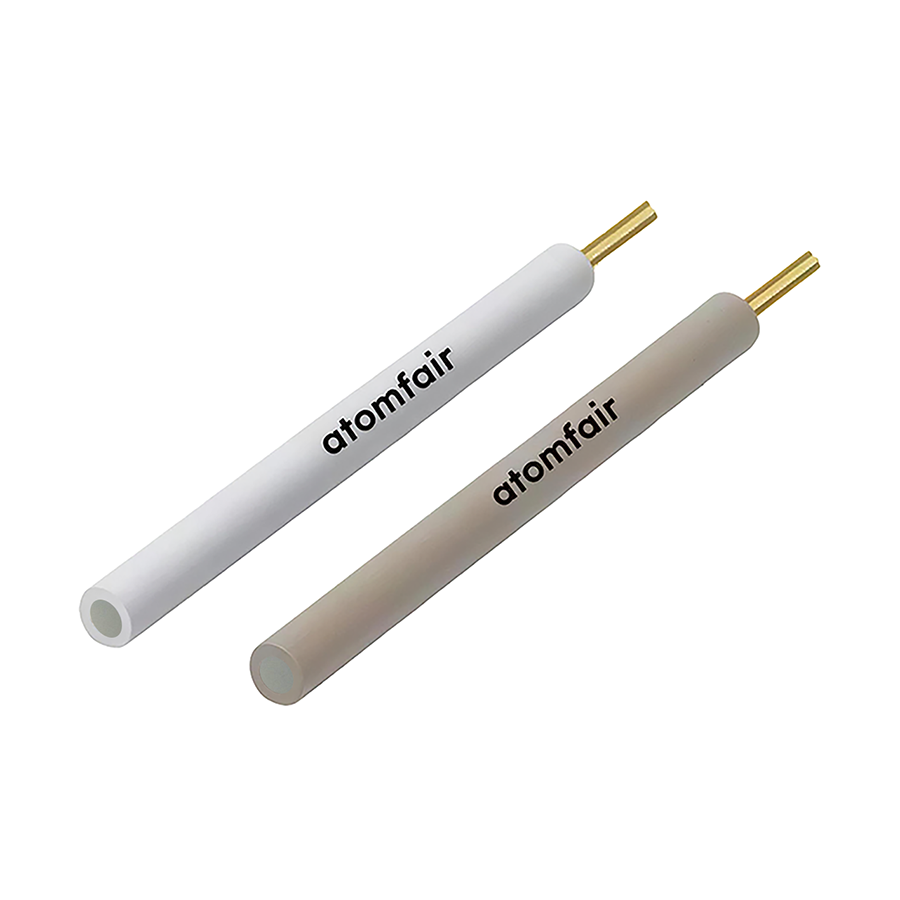
The ATOMFAIR RDE is available in glassy carbon (GC), gold (AU), and platinum (PT). Each material offers uniform density and stable chemical properties, with the choice depending on the potential window and catalytic activity required for your specific hydrodynamic electrochemical study. The 5.0 mm disk diameter is consistent across all material options.
Can the ATOMFAIR RDE with external thread be used in concentrated acid systems?
Yes, the electrode is encapsulated in PTFE (polytetrafluoroethylene), which provides outstanding chemical resistance and enables reliable operation even in concentrated acid systems. The external thread design further ensures superior electrical contact with the rotating shaft, minimizing contact resistance during high-speed rotation in aggressive electrolytes.
What handling precautions are required to prevent surface contamination of the ATOMFAIR RDE before use?
The product is highly sensitive to surface contamination. It is shipped in secure individual research-grade protective containers with shock-absorption parameters, and containers must be kept tightly sealed or the electrode handled exclusively within an anhydrous inert environment to prevent phase contamination or degradation before electrochemical validation.
The ATOMFAIR RDE rotating disk electrode with external thread design minimizes contact resistance for stable high-speed rotation, and PTFE encapsulation enables use in concentrated acids, but surface contamination requires careful inert atmosphere handling.
Positive
- External Thread Electrical Contact: The external thread design ensures superior electrical contact with the rotating shaft, minimizing contact resistance and ensuring stable signal transmission during high-speed rotation.
- PTFE Chemical Resistance: PTFE encapsulation provides outstanding chemical resistance, enabling reliable operation in concentrated acid systems.
Trade-offs
- Surface Contamination Sensitivity: The product is highly sensitive to surface contamination; containers must be kept sealed or handled exclusively within an anhydrous inert environment to prevent phase contamination or degradation before use.
- Incomplete Temperature Specification: The operating temperature range is only partially specified (starting at 10°C), requiring users to verify upper temperature limits from the manufacturer for their specific application.
Every advanced material, component, equipment, and instrument in our catalog is backed by rigorous testing. We maintain strict internal quality management frameworks and align with CE conformity metrics to deliver transparent, reproducible performance data via our public open-science repository.
To request raw batch performance data, submit formal vendor registration paperwork, or execute a fast-turnaround R&D manufacturing loop, contact us at inquiry@atomfair.com.
Item is dispatched under the Atomfair Shipping & Delivery Framework (Free worldwide shipping on orders over $59 USD excl. heavy equipment). Return is governed by the Atomfair Return & Refund Policy (7-day technical return window).