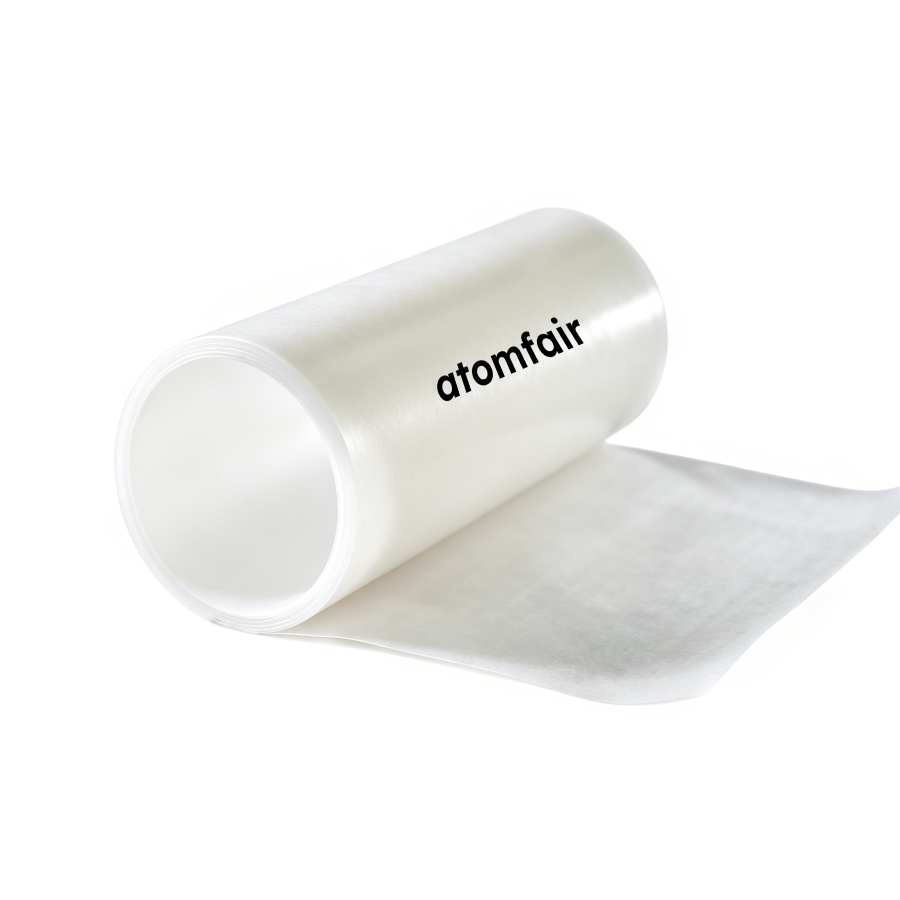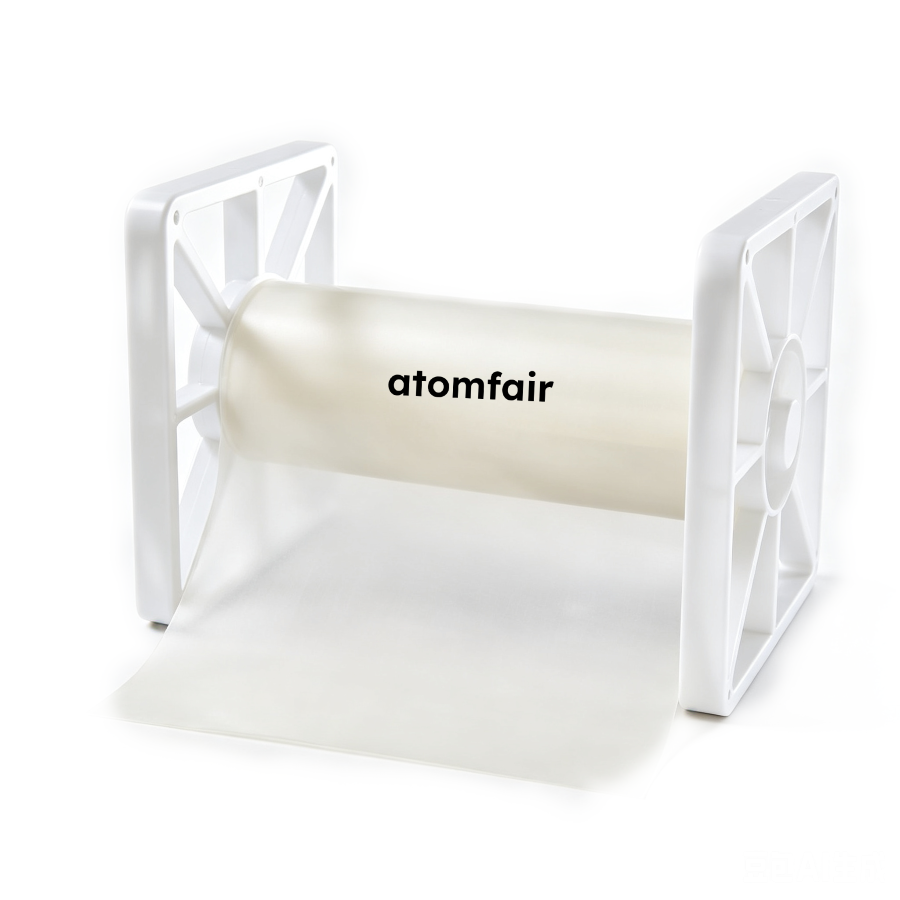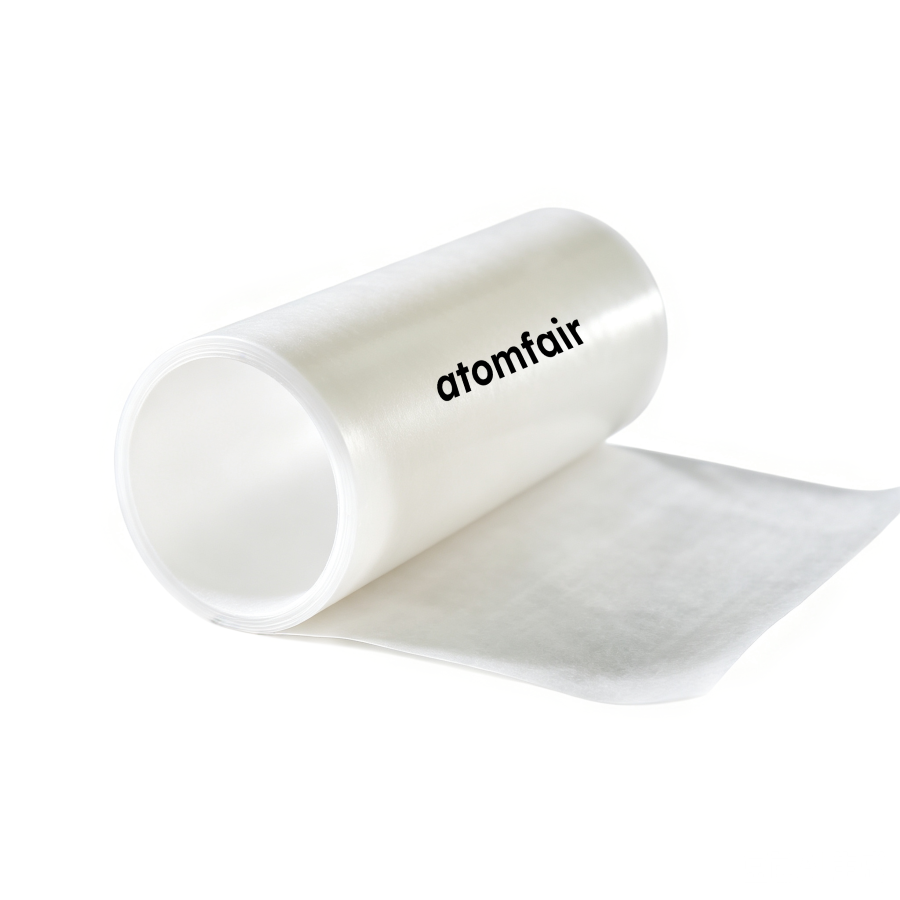
N-417 Perfluorosulfonic Acid Composite Ion Exchange Membrane for Electrolysis or ElectroplatingProduct Type: Composite Ion Exchange Membrane
commercial grade product
|
|||||||||||||||||||||||||||||||||||
|
|||||||||||||||||||||||||||||||||||
|
LABORATORY PROCUREMENT SUPPORT
For model selection, application fit or configuration confirmation, contact our technical sales team.
E-MAIL: inquiry@atomfair.com
|
|||||||||||||||||||||||||||||||||||
|
Manufacturer: Atomfair LLC
Brand: ATOMFAIR®
|
How does the 260 μm thickness of the N-417 membrane affect its dimensional stability under thermal cycling in electrolysis?
The N-417 membrane exhibits ≤5% thickness change at 23°C and ≤10% at 100°C, with linear expansion ≤2% at 23°C and ≤5% at 100°C. This low dimensional change, combined with a tensile strength ≥40 MPa and elongation ≥100%, ensures reliable sealing and mechanical integrity during thermal cycling in electrolytic chlorine dioxide generators and electrodialysis stacks.
Can the N-417 membrane be used in electroplating baths containing strong oxidizing agents like chlorine dioxide?
Yes, the N-417 is specifically designed for electrolytic chlorine dioxide generators and other electrolytic industries. Its perfluorosulfonic acid resin composite structure provides chemical resistance to oxidizing environments, with a conductivity ≥0.100 S/cm and acid capacity of 1.00±0.05 meq/g to maintain consistent ion transport under oxidative stress.
What are the water uptake and handling requirements for the N-417 membrane to avoid performance degradation?
The membrane has a water uptake of 50.0±5.0% and water content of 5.0±3.0%, indicating it must be stored in a controlled humidity environment to prevent excessive swelling or drying. Standard packaging ensures protection during transit, and custom sizes require pre-confirmation to maintain uniform thickness and basis weight (340 g/m²) during handling.
The N-417 perfluorosulfonic acid composite ion exchange membrane (260 μm, 340 g/m²) delivers high tensile strength (≥40 MPa) and conductivity (≥0.100 S/cm) for robust electrolysis and electroplating performance, but its dimensional stability (≤5% thickness change at 23°C, ≤10% at 100°C) and water uptake (50.0±5.0%) impose operational constraints in variable-temperature or high-humidity environments.
Positive
- High mechanical strength: Tensile strength ≥40 MPa and elongation ≥100% provide robust processing and assembly resistance for industrial electrolysis equipment.
- High ionic conductivity: Conductivity ≥0.100 S/cm enables efficient ion transport, critical for electrolytic chlorine dioxide generation and electrodialysis applications.
Trade-offs
- Dimensional stability limits: Thickness change ≤5% at 23°C and ≤10% at 100°C, and linear expansion ≤2% at 23°C and ≤5% at 100°C, require careful thermal management to maintain seal integrity and gasket fit.
- Water uptake sensitivity: Water uptake of 50.0±5.0% and water content of 5.0±3.0% introduce hygroscopic swelling that must be accounted for in assembly tolerances and dry-wet cycling protocols.
Every advanced material, component, equipment, and instrument in our catalog is backed by rigorous testing. We maintain strict internal quality management frameworks and align with CE conformity metrics to deliver transparent, reproducible performance data via our public open-science repository.
To request raw batch performance data, submit formal vendor registration paperwork, or execute a fast-turnaround R&D manufacturing loop, contact us at inquiry@atomfair.com.
Item is dispatched under the Atomfair Shipping & Delivery Framework (Free worldwide shipping on orders over $59 USD excl. heavy equipment). Return is governed by the Atomfair Return & Refund Policy (7-day technical return window).