|
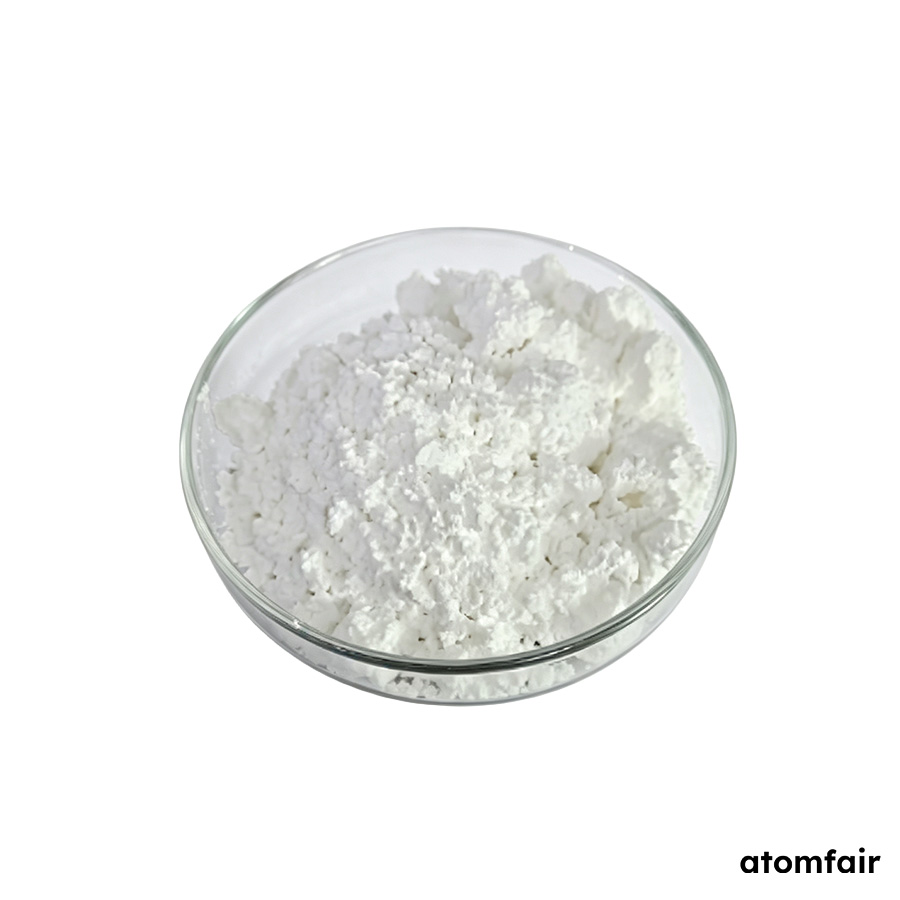
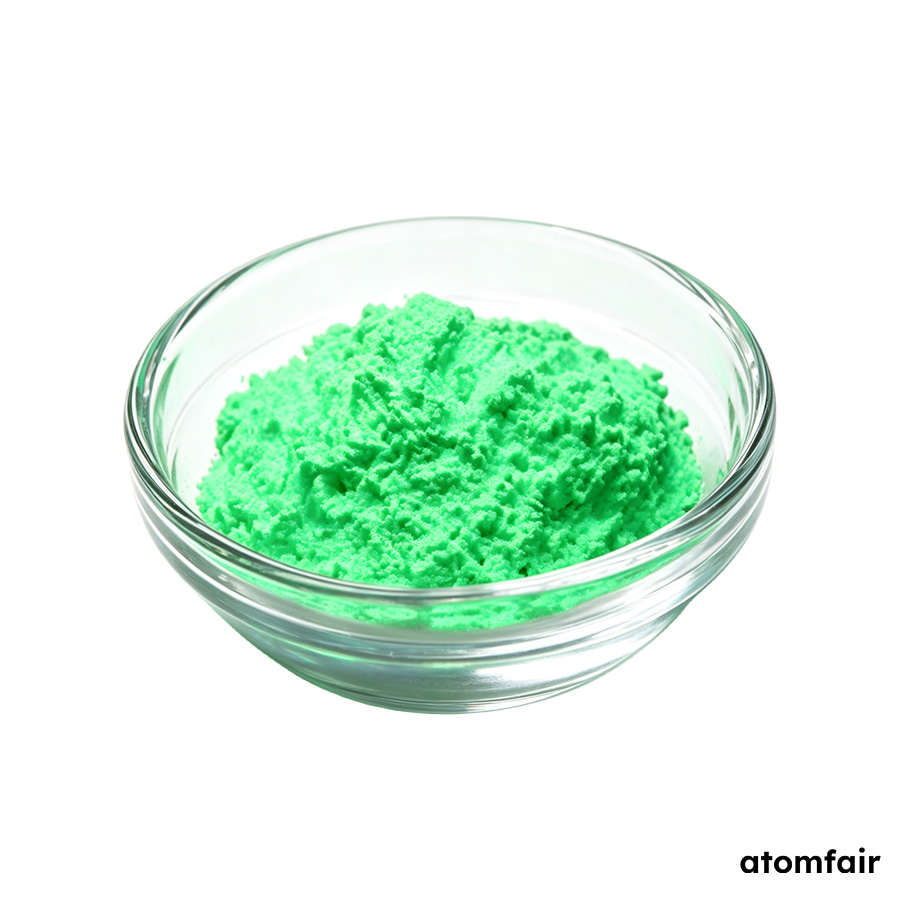
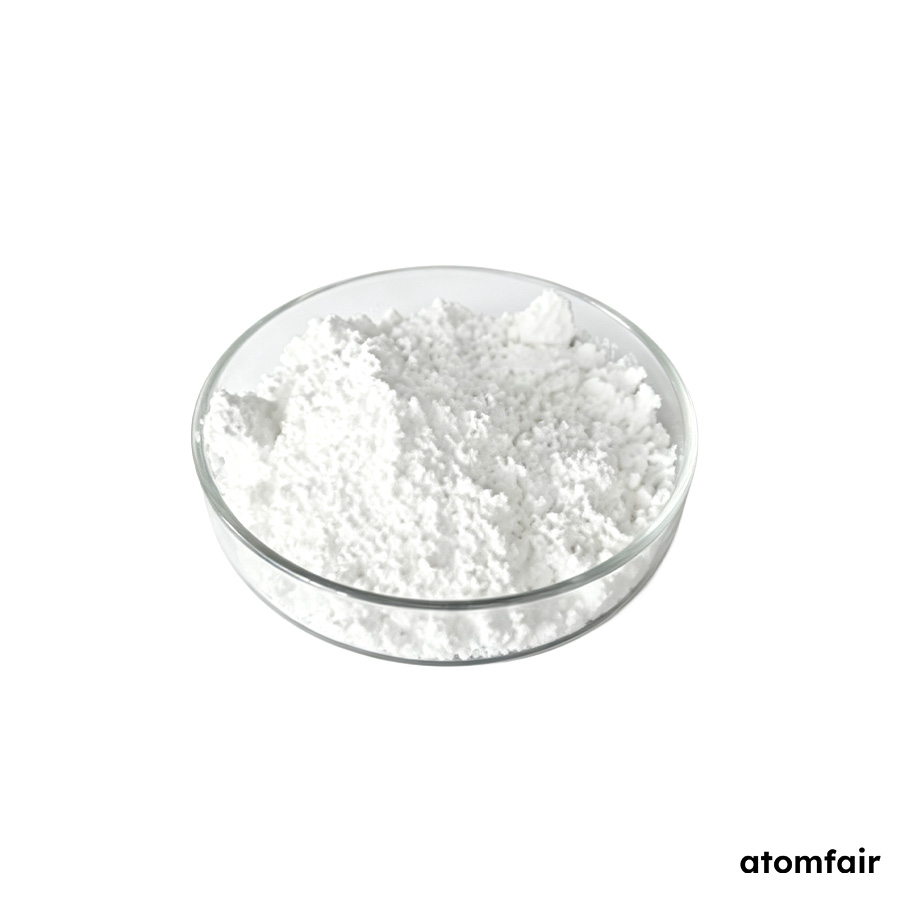
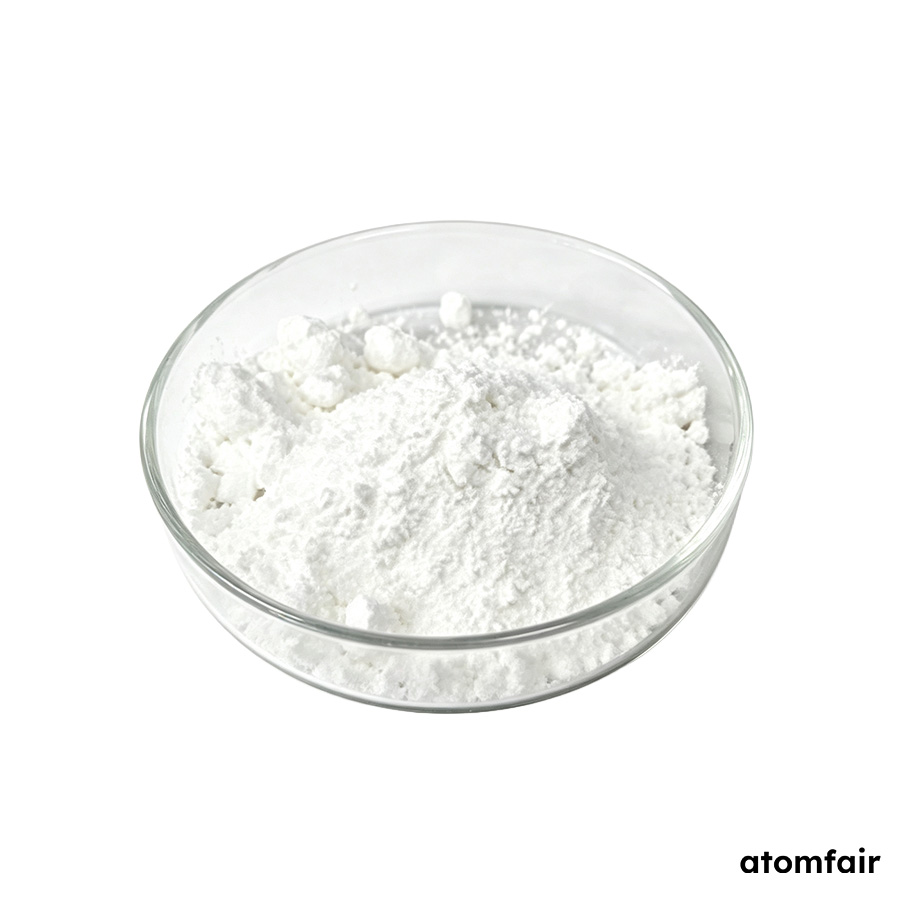
Green-Emitting Oxysulfide Phosphor
Research-grade luminescent powder
|
|||||||||||||||||||||||||||||||
|
|||||||||||||||||||||||||||||||
|
PHOSPHOR SELECTION AND QUOTATION SUPPORT
For wavelength selection, particle-size confirmation and quotation support, contact our technical sales team.
E-MAIL: inquiry@atomfair.com
|
|||||||||||||||||||||||||||||||
|
Manufacturer: Atomfair LLC
Brand: ATOMFAIR®
|
Store the phosphor sealed, dry, and protected from direct light to prevent degradation. Minimize airborne dust during transfer and wear suitable laboratory protective equipment.
- Moisture and Light Sensitivity: Maintain sealed, moisture-resistant packaging and protect from direct light to preserve optical performance.
- Dust Control Requirement: Minimize airborne dust generation during handling to reduce inhalation risk and contamination.
Transfer the phosphor in a well-ventilated area using sealed, moisture-resistant packaging. Use appropriate personal protective equipment to avoid dust inhalation.
Required Equipment: Sealed moisture-resistant container, Laboratory gloves, Dust mask or respirator, Safety goggles
- Review safety documentation
Review the applicable safety data sheet before handling the phosphor. - Prepare workspace
Set up a clean, dry, well-ventilated area with controlled lighting to minimize stray UV exposure. - Don protective equipment
Put on laboratory gloves, safety goggles, and a dust mask or respirator to prevent dermal and inhalation contact. - Open sealed container
Open the sealed, moisture-resistant container inside the prepared workspace, avoiding abrupt movements that could generate dust. - Transfer phosphor
Transfer the required quantity using a clean, dry scoop or spatula, minimizing dust generation. - Reseal storage container
Seal the storage container immediately after removal to maintain dryness and light protection. - Clean workspace
Wipe down work surfaces with a damp cloth to capture any residual phosphor dust before leaving the area.
What is the optimal excitation wavelength range for the AF-OSG545 green-emitting oxysulfide phosphor, and how does it constrain integration into existing X-ray imaging systems?
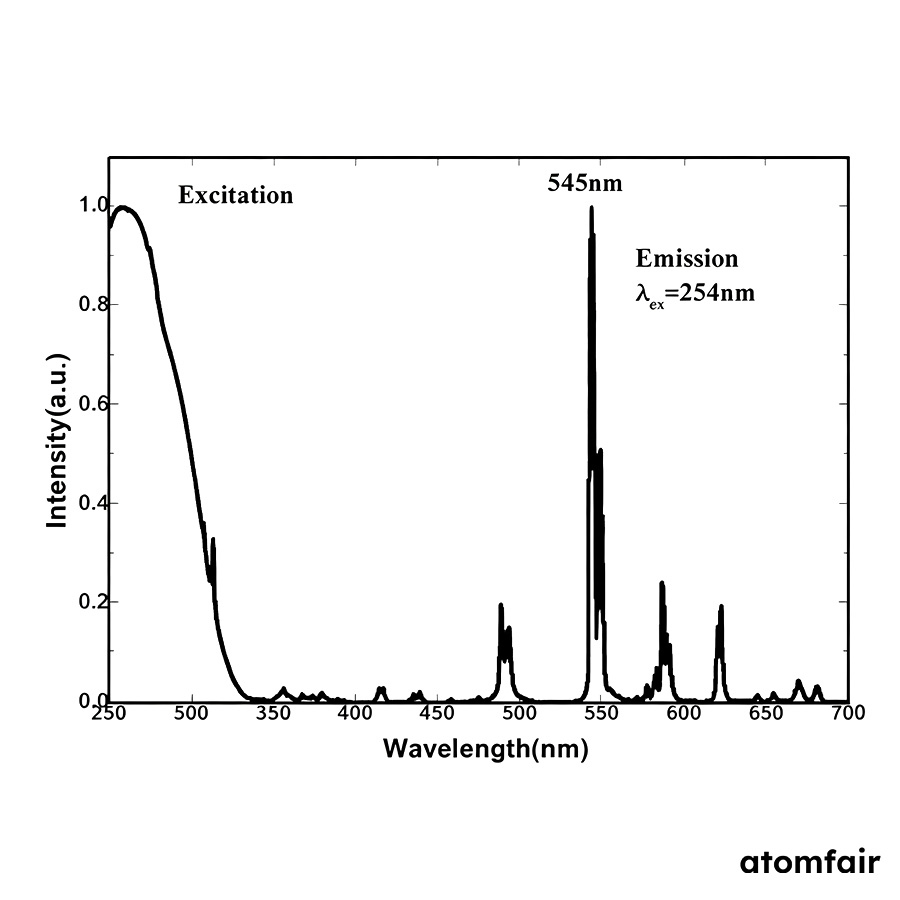
The AF-OSG545 requires excitation within 240–300 nm, which is in the deep UV range. This means the phosphor cannot be directly excited by standard blue or near-UV LEDs; it must be paired with a UV source such as a mercury lamp or UV LED emitting in that specific band. The emission peak is fixed at 545–546 nm, so the system's photodetector must be sensitive to that green wavelength.
How does the median particle size range of 2–20 µm affect the settling behavior and coating uniformity for X-ray intensifying screen fabrication?
The broad d50 range of 2–20 µm allows selection for different screen thickness and resolution trade-offs. Smaller particles (e.g., 2–5 µm) yield finer coatings with higher resolution but may require more binder to prevent agglomeration, while larger particles (e.g., 15–20 µm) settle faster during slurry coating and produce thicker screens with higher light output but lower spatial resolution. The exact particle size must be specified at quotation to match the intended screen manufacturing process.
What handling and storage precautions are required to prevent degradation of the AF-OSG545 phosphor before use?
The phosphor must be kept sealed, dry, and protected from direct light to avoid moisture-induced hydrolysis or UV-induced color center formation. During transfer, minimize airborne dust generation and use suitable laboratory protective equipment. Atomfair offers sealed, moisture-resistant packaging tailored to the optical grade and particle-size requirement, which should be confirmed at the time of quotation.
This green-emitting oxysulfide phosphor (AF-OSG545) delivers a narrow 545–546 nm emission peak under 240–300 nm excitation with tightly controlled CIE coordinates (x: 0.343±0.002, y: 0.569±0.002) and relative brightness of 100±1%, making it suitable for X-ray intensifying screens and fluoroscopy. However, its sensitivity to moisture and light requires sealed, dry storage, and the particle size must be specified at order to match application requirements.
Positive
- Narrow green emission with tight tolerances: Emission peak at 545–546 nm with CIE x/y tolerances of ±0.002 and relative brightness within ±1% ensures reproducible optical performance for X-ray imaging applications.
- Flexible particle size range: Median particle size (d50) available from 2 to 20 µm allows optimization for different screen fabrication methods and resolution requirements.
Trade-offs
- Moisture and light sensitivity: The phosphor must be kept sealed, dry, and protected from direct light to prevent degradation; airborne dust must be minimized during transfer, requiring careful laboratory handling protocols.
- Custom specification required at order: Emission wavelength, particle size, and quantity must be confirmed via RFQ before shipment, adding lead time and requiring technical consultation for proper selection.
Every advanced material, component, equipment, and instrument in our catalog is backed by rigorous testing. We maintain strict internal quality management frameworks and align with CE conformity metrics to deliver transparent, reproducible performance data via our public open-science repository.
To request raw batch performance data, submit formal vendor registration paperwork, or execute a fast-turnaround R&D manufacturing loop, contact us at inquiry@atomfair.com.
Item is dispatched under the Atomfair Shipping & Delivery Framework (Free worldwide shipping on orders over $59 USD excl. heavy equipment). Return is governed by the Atomfair Return & Refund Policy (7-day technical return window).