Multifunctional Combination Iron Working Electrode Series | ATOMFAIRRESEARCH GRADE INSTRUMENT
|
|||||||||||||||||||||||
|
|||||||||||||||||||||||
|
TAILORED SOLUTIONS FOR RESEARCH
Contact our engineering team for technical support or official institutional quotations.
EMAIL: inquiry@atomfair.com
|
|||||||||||||||||||||||
|
Manufacturer: Atomfair LLC
Brand: ATOMFAIR®
|
|||||||||||||||||||||||
The electrode surface is highly sensitive to contamination and requires anhydrous inert atmosphere storage or handling to prevent phase degradation. Gold-plated copper rod provides oxidation resistance but does not eliminate the need for controlled environment during electrochemical validation.
- Surface Contamination Sensitivity: Keep containers tightly sealed or handle exclusively within an anhydrous inert environment to prevent phase contamination or degradation before electrochemical validation.
Initialize the electrode by inspecting the iron disk surface for contamination and verifying the gold-plated copper rod connection. Mount the electrode into the electrochemical cell ensuring proper alignment for conventional or correlative microscopy measurements.
Required Equipment: Anhydrous inert atmosphere glovebox, Electrochemical cell assembly
- Inspect Electrode Surface
Inspect the iron disk surface under inert atmosphere for any visible contamination or oxidation before use. - Verify Electrical Connection
Verify the gold-plated copper rod is securely connected and free of corrosion to ensure stable conductivity. - Mount Electrode in Cell
Mount the electrode head into the electrochemical cell, ensuring the disk is fully immersed in electrolyte without air bubbles. - Perform Electrochemical Measurement
Apply the desired potential or current protocol while monitoring for any anomalous current spikes indicating surface degradation. - Transfer for Microscopy
Transfer the electrode directly to SEM or AFM under inert conditions to correlate electrochemical data with surface topography.
What is the maximum working electrode diameter for the ATOMFAIR iron working electrode when used for combined SEM or AFM imaging?
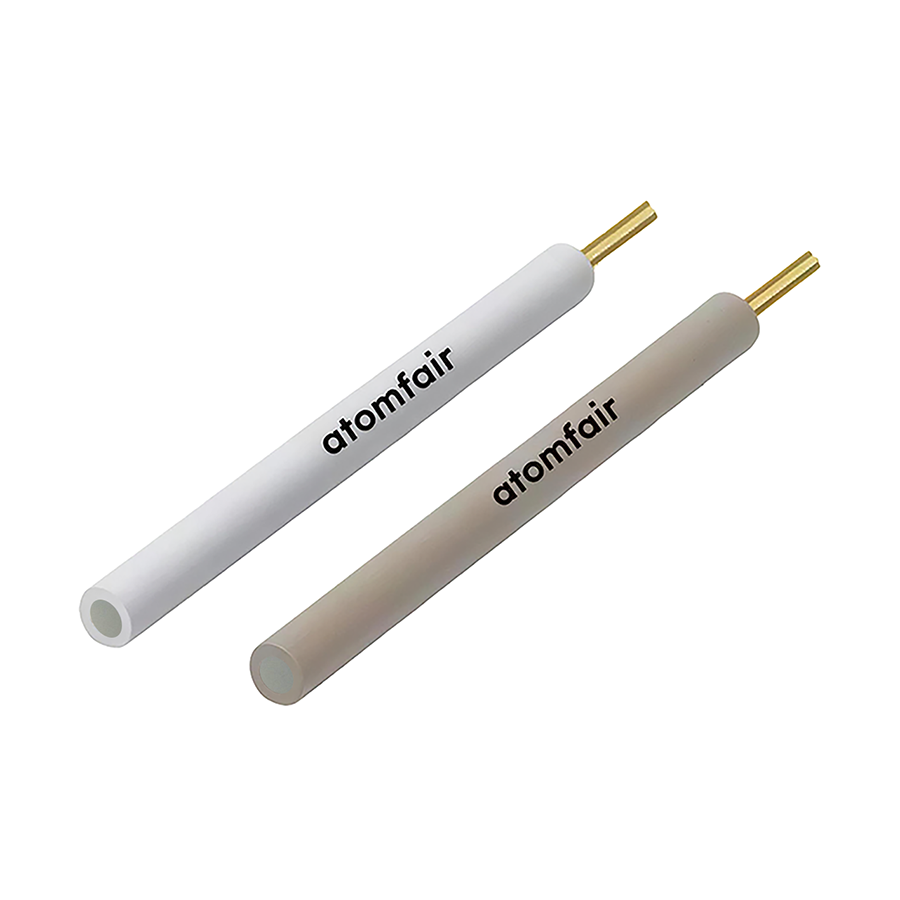
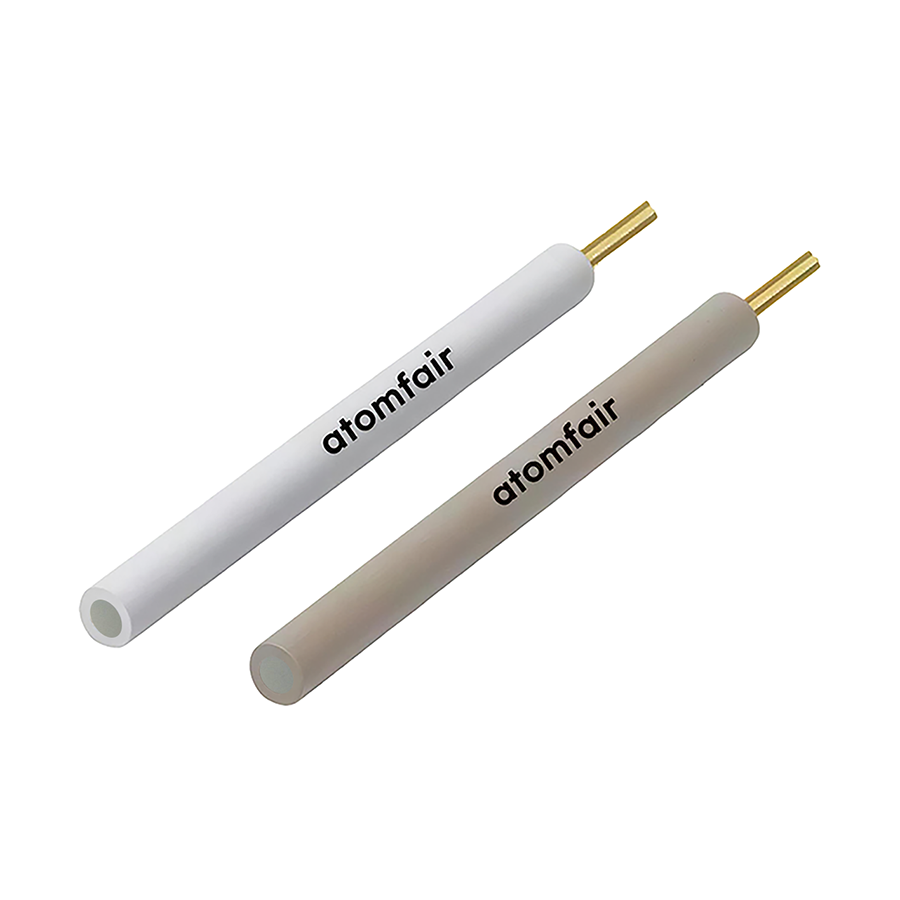
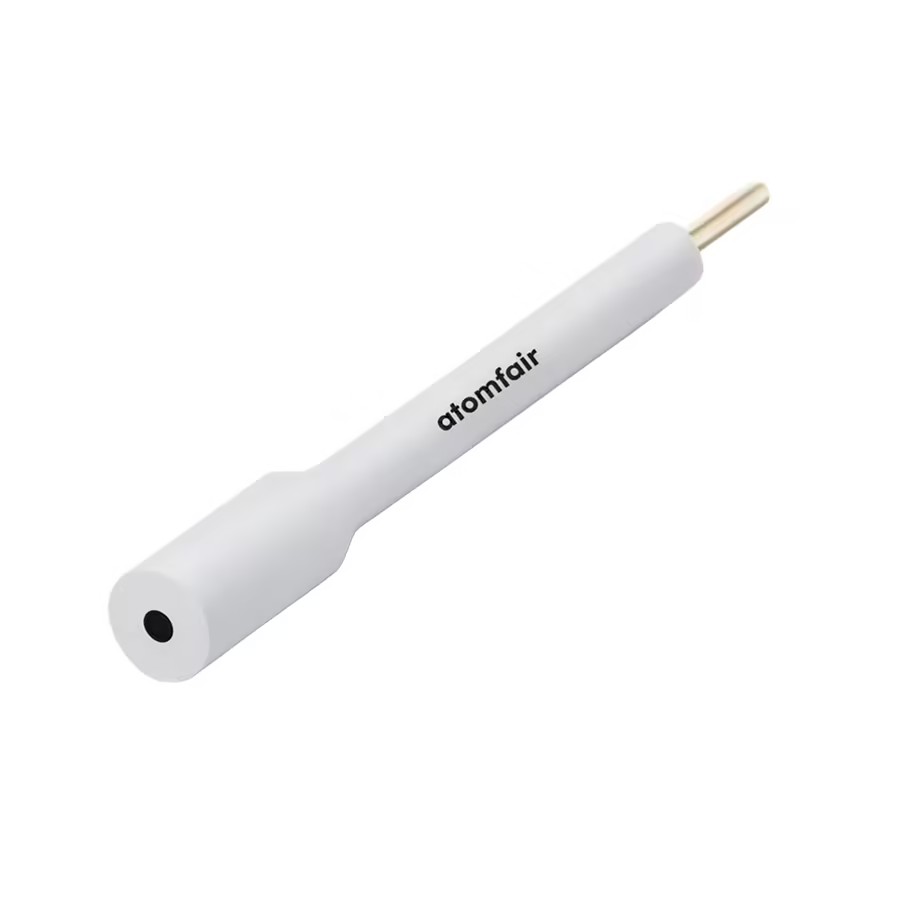
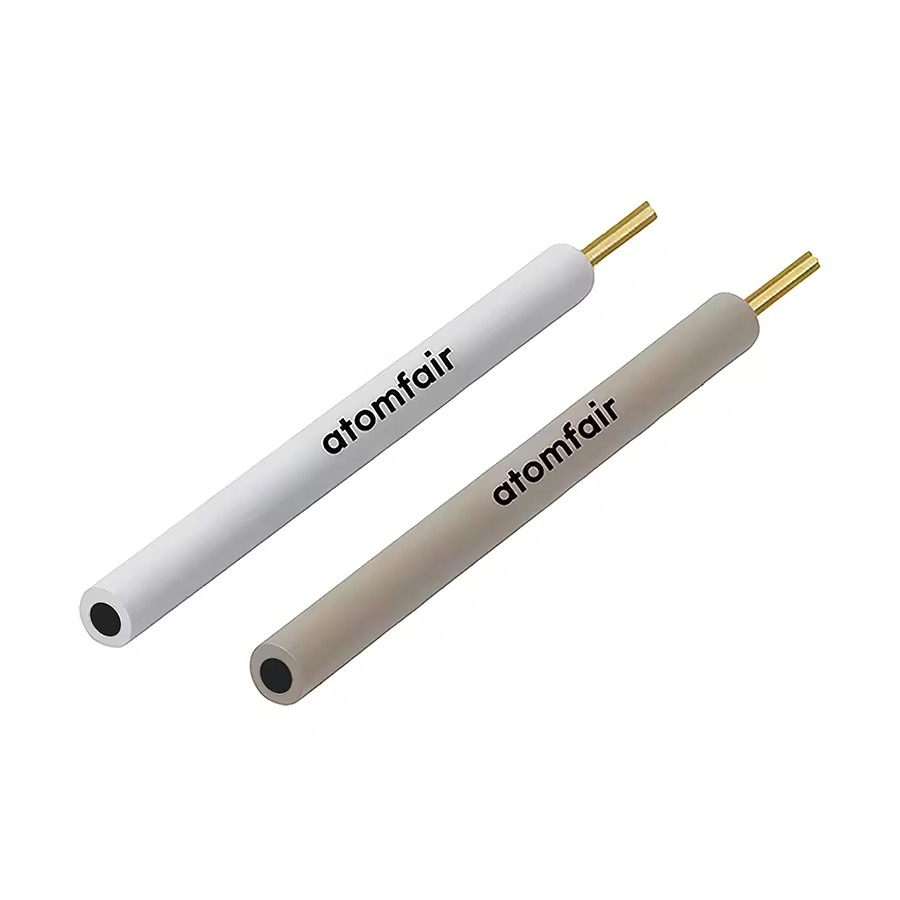
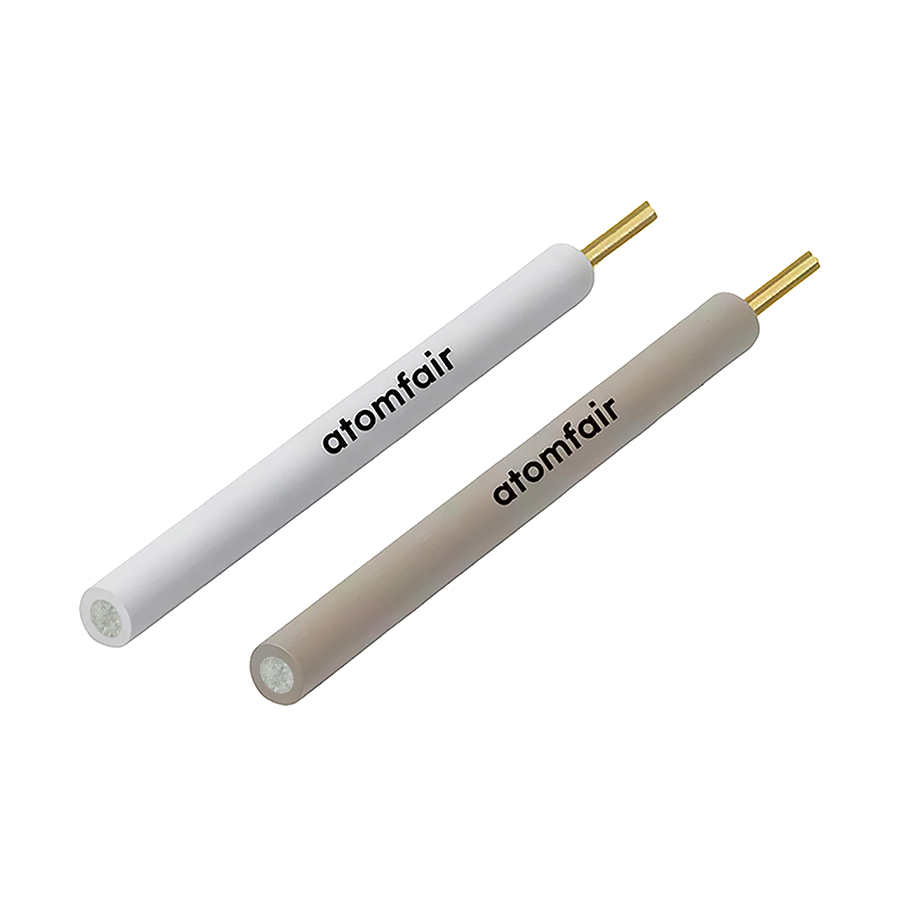
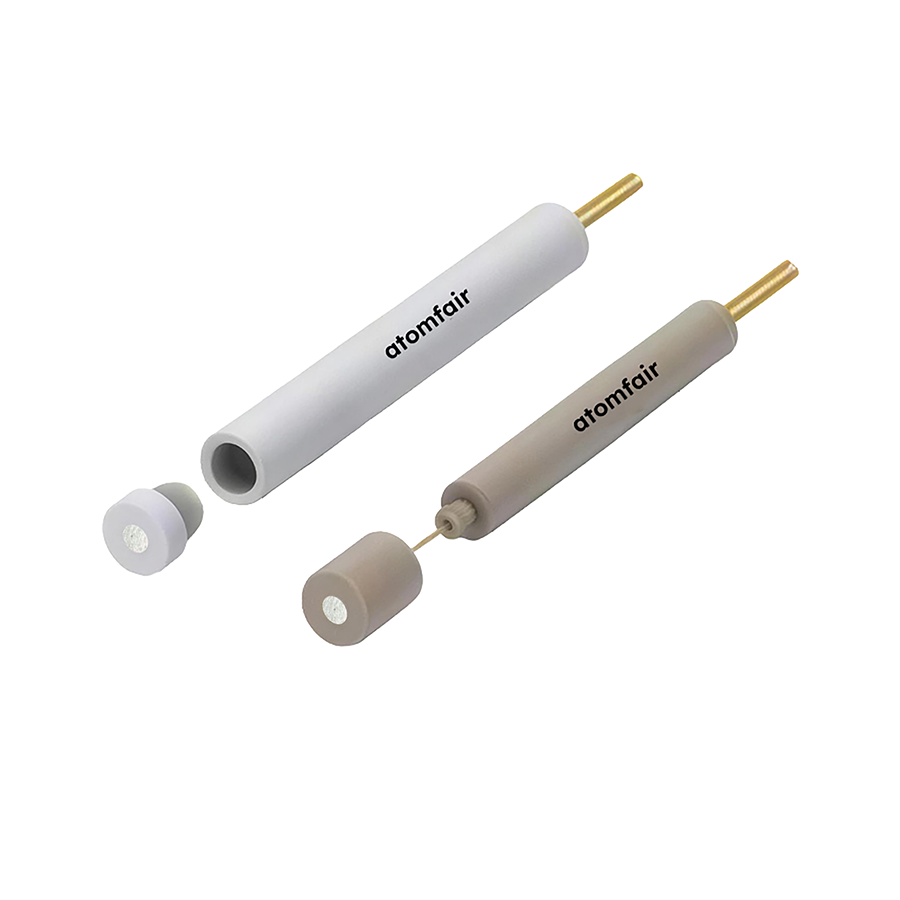
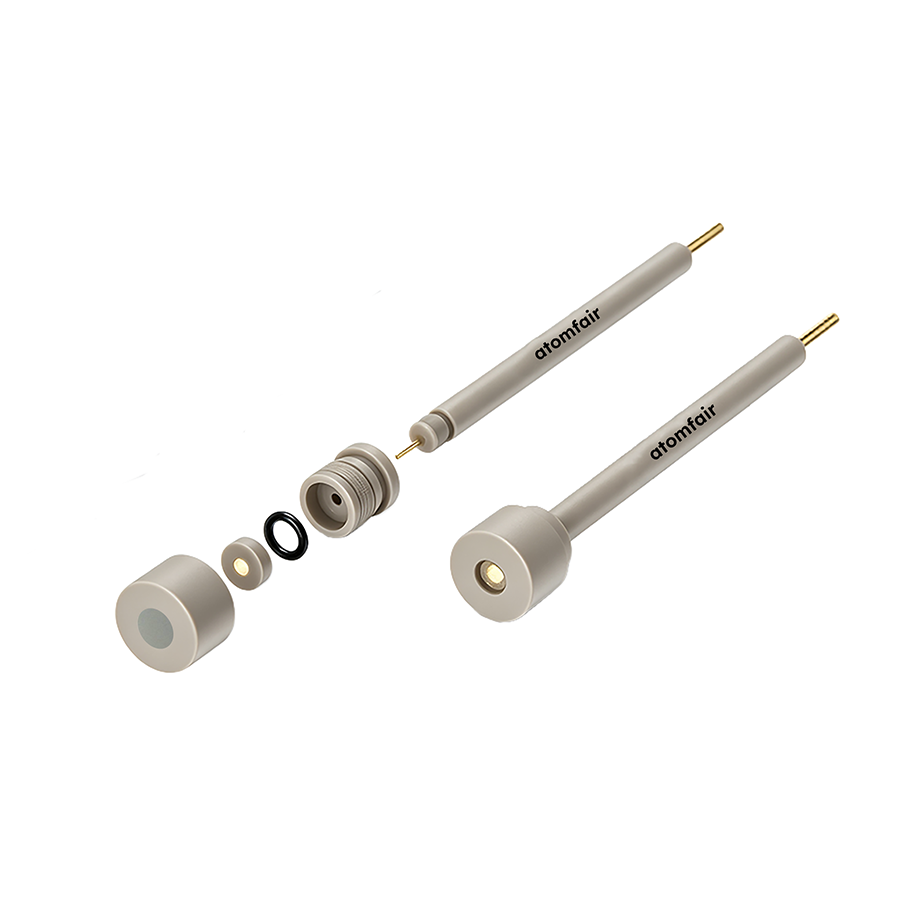
The electrode head thickness of less than 4mm and the embedded disk design allow direct integration with SEM or AFM. However, the iron disk diameters range from 2mm to 4mm, and the source explicitly lists 4mm as the maximum diameter option. For combined electrochemical-microscopic analysis, the 4mm disk is compatible, but larger diameters may reduce image acquisition area or increase sample tilt constraints in the microscope chamber.
Can the ATOMFAIR iron working electrode be used for corrosion studies in aqueous electrolytes without passivation artifacts from the gold-plated copper rod?
Yes. The gold-plated copper rod (1.5x15mm) provides enhanced oxidation resistance and stable conductivity, which minimizes passivation artifacts during corrosion measurements. However, the electrode is highly sensitive to surface contamination and requires handling in an anhydrous inert environment if not used immediately. For aqueous electrolyte work, the iron disk itself will undergo expected corrosion processes, but the rod's gold plating prevents galvanic coupling artifacts from the copper substrate.
The product must be stored in secure research-grade protective containers with shock-absorption parameters. The containers must be kept tightly sealed or the electrode must be handled exclusively within an anhydrous inert environment to prevent phase contamination or degradation. No vacuum or glovebox specification is provided, but an anhydrous inert gas atmosphere (e.g., argon or nitrogen glovebox) is explicitly recommended.
The ATOMFAIR iron working electrode enables direct correlative electrochemical and microscopic analysis on the same electrode surface, but requires strict handling in anhydrous inert environments to prevent surface contamination.
Positive
- Correlative Electrochemical-Microscopic Analysis: The electrode head thickness is less than 4mm, enabling direct integration with SEM or AFM systems for correlating electrochemical performance with structural and topographical features on the identical electrode surface without sample transfer.
- Gold-Plated Copper Rod for Corrosion Resistance: The gold-plated copper rod (1.5x15mm) delivers enhanced oxidation resistance and maintains stable conductivity over extended use, ensuring reliable electrochemical measurements.
Trade-offs
- High Sensitivity to Surface Contamination: The electrode is highly sensitive to surface contamination; containers must be tightly sealed or handled exclusively within an anhydrous inert environment to prevent phase contamination or degradation before electrochemical validation.
Every advanced material, component, equipment, and instrument in our catalog is backed by rigorous testing. We maintain strict internal quality management frameworks and align with CE conformity metrics to deliver transparent, reproducible performance data via our public open-science repository.
To request raw batch performance data, submit formal vendor registration paperwork, or execute a fast-turnaround R&D manufacturing loop, contact us at inquiry@atomfair.com.
Item is dispatched under the Atomfair Shipping & Delivery Framework (Free worldwide shipping on orders over $59 USD excl. heavy equipment). Return is governed by the Atomfair Return & Refund Policy (7-day technical return window).