T-Shaped Titanium Working Electrode series | ATOMFAIRRESEARCH GRADE INSTRUMENT
|
|||||||||||||||||||||||
|
|||||||||||||||||||||||
|
TAILORED SOLUTIONS FOR RESEARCH
Contact our engineering team for technical support or official institutional quotations.
EMAIL: inquiry@atomfair.com
|
|||||||||||||||||||||||
|
Manufacturer: Atomfair LLC
Brand: ATOMFAIR®
|
|||||||||||||||||||||||
This electrode is highly sensitive to surface contamination and requires storage in sealed containers or anhydrous inert environments. Degradation occurs if exposed to moisture or atmospheric contaminants before electrochemical validation.
- Surface Contamination Sensitivity: The electrode surface must remain free of all contaminants to maintain electrochemical performance and prevent measurement artifacts.
- Anhydrous Inert Environment Requirement: Handling must occur exclusively within an anhydrous inert atmosphere to prevent phase contamination or degradation before use.
- Sealed Storage Requirement: When not in use, the electrode must be kept in a tightly sealed, shock-absorbent container to avoid exposure to ambient conditions.
- Degradation Risk from Moisture: Exposure to atmospheric moisture can degrade the electrode surface and compromise experimental reproducibility.
Prepare the electrode in an anhydrous inert environment to prevent contamination. Inspect the electrode surface for any visible contaminants before each use.
Required Equipment: Glovebox or inert gas workstation, Sealed storage container
- Inspect electrode surface
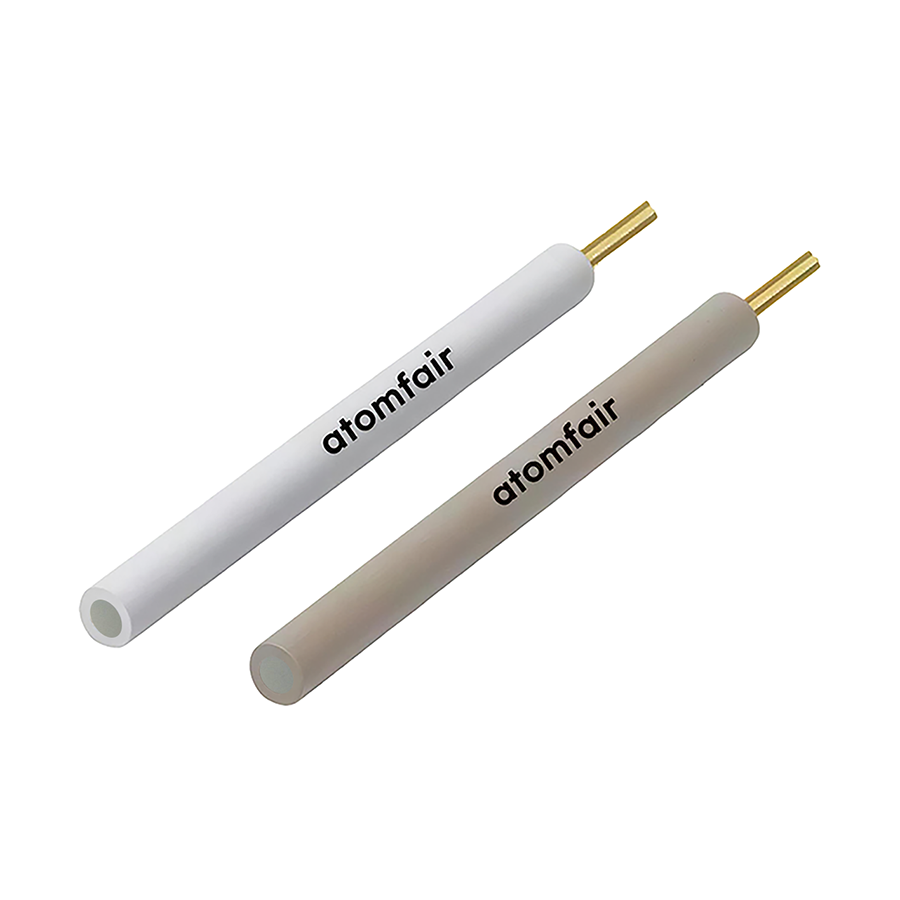
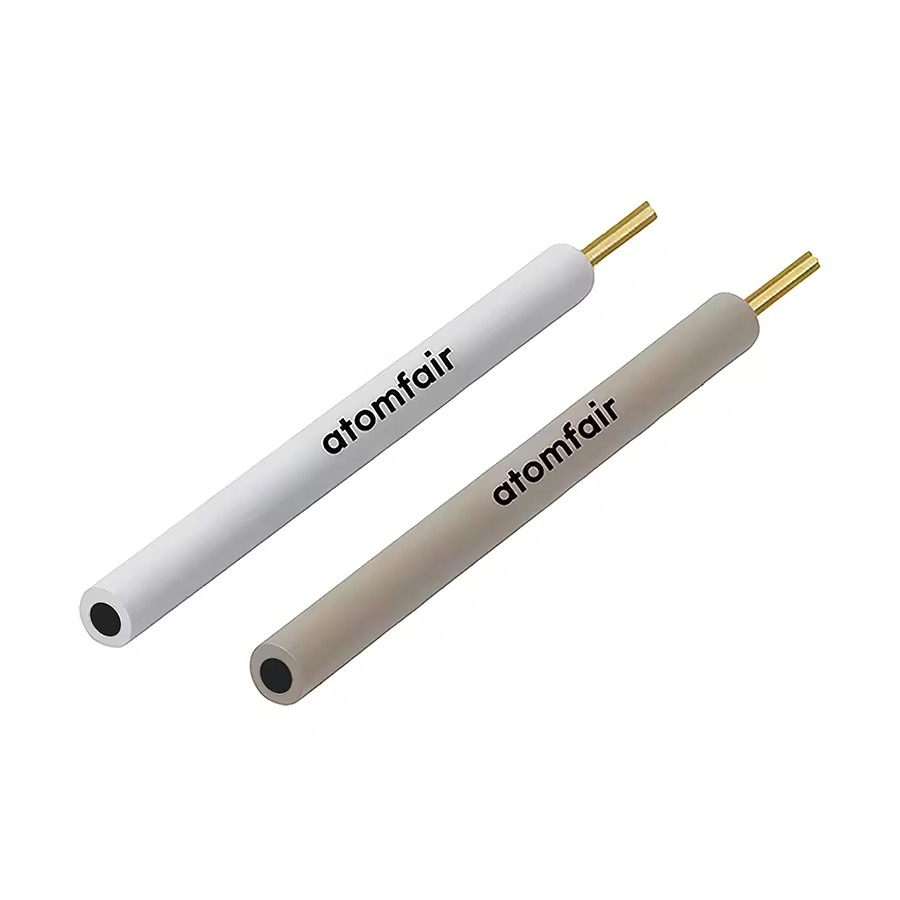
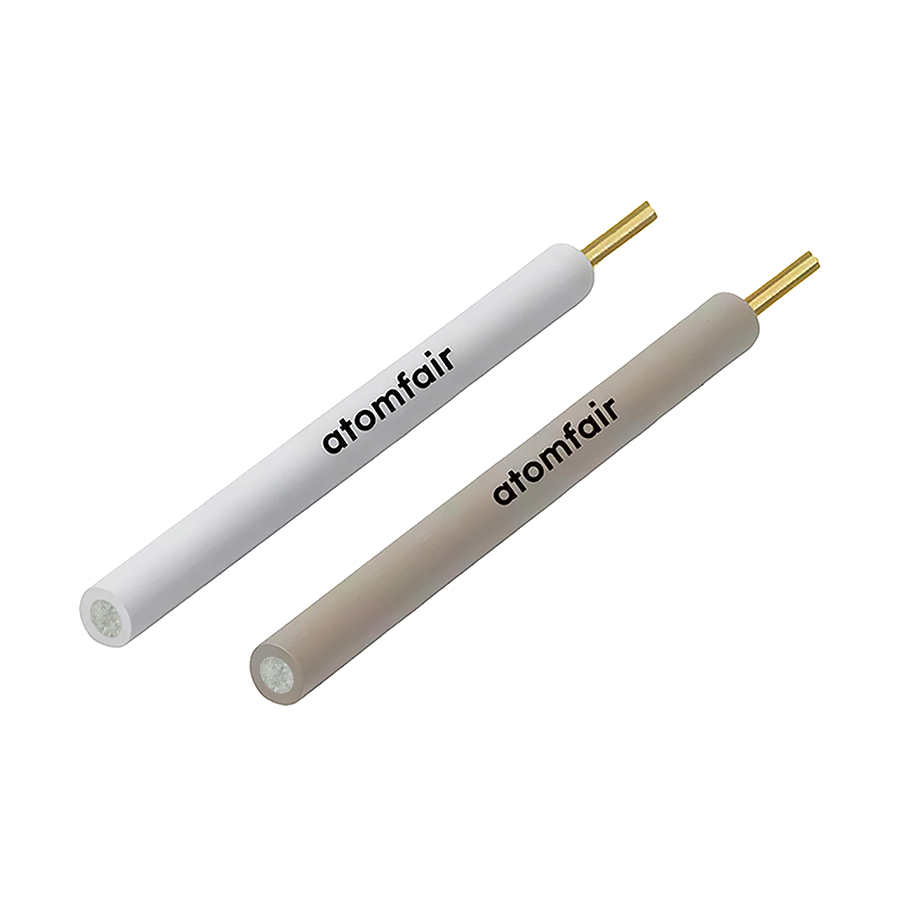
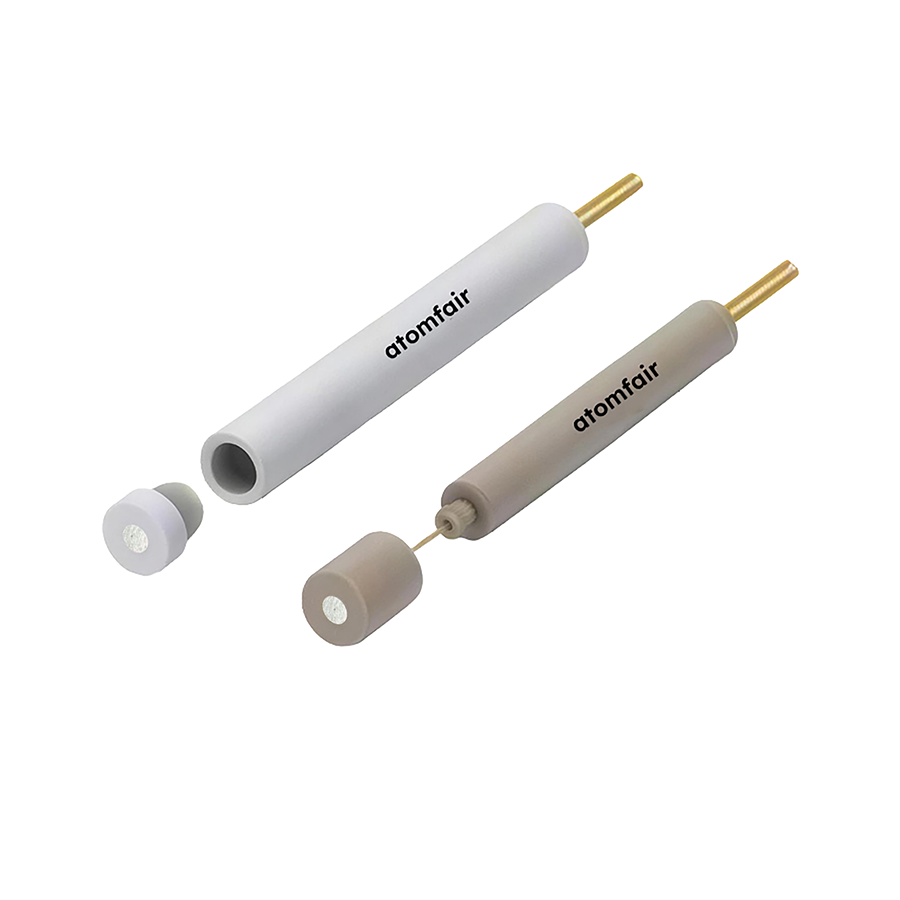
Inspect the titanium disk and PTFE body for visible contaminants, scratches, or residue before handling. - Transfer to inert environment
Transfer the electrode to an anhydrous inert environment, such as a glovebox, to prevent atmospheric exposure. - Verify connector integrity
Verify that the gold-plated copper rod connection is secure and free of oxidation or mechanical damage. - Store sealed when not in use
Store the electrode in its sealed container immediately after use to maintain surface integrity for subsequent experiments.
How does the choice of titanium disk diameter (2 mm versus 4 mm) affect current density and spatial resolution in the T-Shaped Titanium Working Electrode?
The electrode is available with disk diameters from 2 mm to 4 mm, all featuring a standardized embedded T-shaped geometry that promotes reproducible placement and uniform current density distribution across all sizes, as stated in the product description. While the source does not specify quantitative performance differences, a larger diameter inherently provides a greater electrode surface area, which can support higher total current, whereas a smaller diameter can yield higher current density and improved spatial resolution for localized measurements. Researchers should select the diameter based on their specific experimental requirements and cell geometry.
Is the T-Shaped Titanium Working Electrode compatible with non-aqueous or organic electrolyte systems?
The product description indicates that the electrode is suitable for anodic oxidation, corrosion studies, and targeted redox systems, and its titanium material provides excellent stability in aggressive electrolytes. Additionally, the handling notice recommends that the electrode be handled within an anhydrous inert environment to prevent phase contamination, implying compatibility with moisture-sensitive non-aqueous systems when proper inert conditions are maintained. However, the source does not explicitly list compatible solvents or electrolytes; for specific chemical compatibility, contact the manufacturer.
What storage and handling precautions are necessary to prevent contamination of the T-Shaped Titanium Working Electrode?
The product description explicitly states that the electrode is highly sensitive to surface contamination. It must be stored in securely sealed individual research-grade protective containers with shock-absorption parameters, or handled exclusively within an anhydrous inert environment before electrochemical validation to prevent phase contamination or degradation. No specific temperature, humidity, or shelf-life limits are provided in the source.
The ATOMFAIR T-Shaped Titanium Working Electrode provides robust corrosion resistance and stable conductivity for electrochemical research, but requires careful handling in inert environments to prevent surface contamination.
Positive
- Titanium corrosion resistance: High-grade titanium provides exceptional corrosion resistance and specific electrochemical characteristics suitable for anodic oxidation, corrosion studies, and targeted redox systems.
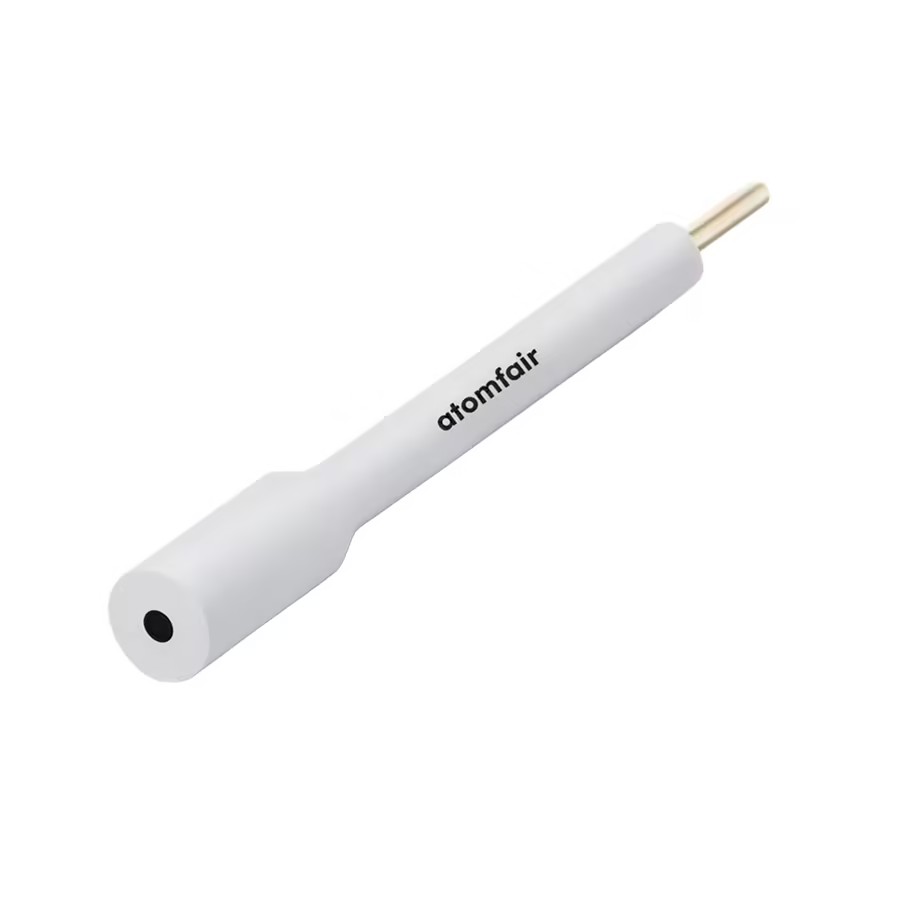
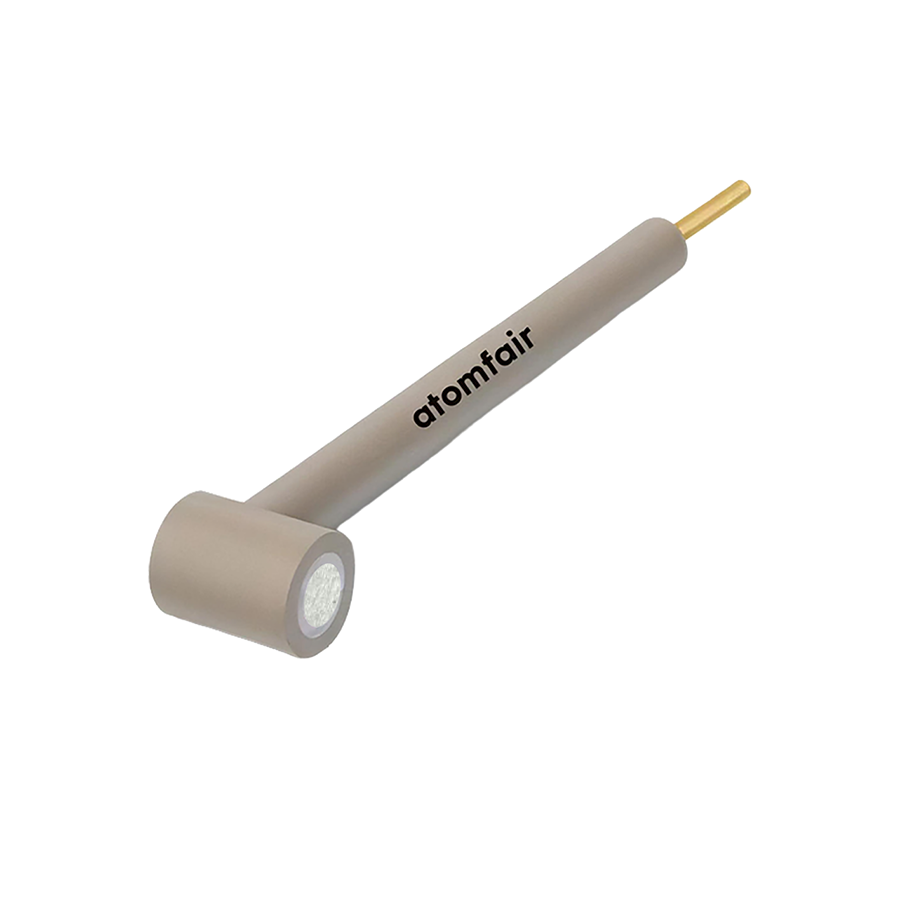
- Precision embedded design: T-shaped cylindrical geometry with standardized disk diameters promotes reproducible electrode placement and uniform current density distribution across all sizes.
Trade-offs
- Surface contamination sensitivity: The electrode is highly sensitive to surface contamination; it must be kept tightly sealed or handled exclusively within an anhydrous inert environment to prevent phase contamination or degradation before use.
Every advanced material, component, equipment, and instrument in our catalog is backed by rigorous testing. We maintain strict internal quality management frameworks and align with CE conformity metrics to deliver transparent, reproducible performance data via our public open-science repository.
To request raw batch performance data, submit formal vendor registration paperwork, or execute a fast-turnaround R&D manufacturing loop, contact us at inquiry@atomfair.com.
Item is dispatched under the Atomfair Shipping & Delivery Framework (Free worldwide shipping on orders over $59 USD excl. heavy equipment). Return is governed by the Atomfair Return & Refund Policy (7-day technical return window).