L-Shaped Titanium Working Electrode series | ATOMFAIRRESEARCH GRADE INSTRUMENT
|
|||||||||||||||||||||
|
|||||||||||||||||||||
|
TAILORED SOLUTIONS FOR RESEARCH
Contact our engineering team for technical support or official institutional quotations.
EMAIL: inquiry@atomfair.com
|
|||||||||||||||||||||
|
Manufacturer: Atomfair LLC
Brand: ATOMFAIR®
|
|||||||||||||||||||||
The electrode surface is highly sensitive to contamination, requiring storage in sealed containers and handling within an anhydrous inert environment. Phase contamination or degradation can occur if exposed to ambient moisture or particulates before electrochemical validation.
- Environmental Sensitivity: Exposure to ambient atmosphere can cause surface contamination that compromises electrochemical performance.
- Infrastructure Requirement: All handling steps must be performed inside an anhydrous inert environment, such as a glovebox, to prevent degradation.
- Storage Condition: Store the electrode in its original sealed container to maintain surface integrity until use.
Follow these steps to safely handle and install the electrode while maintaining surface integrity. All steps must be performed in an anhydrous inert environment to prevent contamination.
Required Equipment: Anhydrous inert atmosphere glovebox
- Inspect electrode surface
Inspect the electrode surface for any visible contamination or damage before use. - Transfer to inert environment
Transfer the sealed container into an anhydrous inert atmosphere glovebox before opening. - Mount electrode in cell
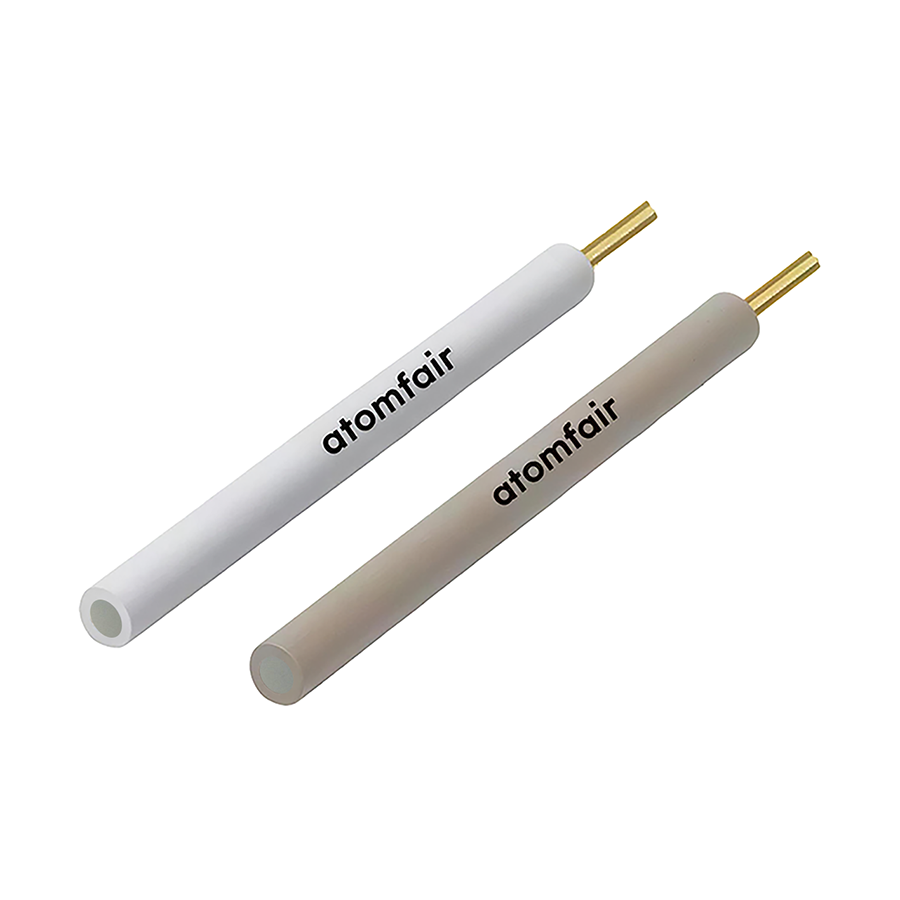
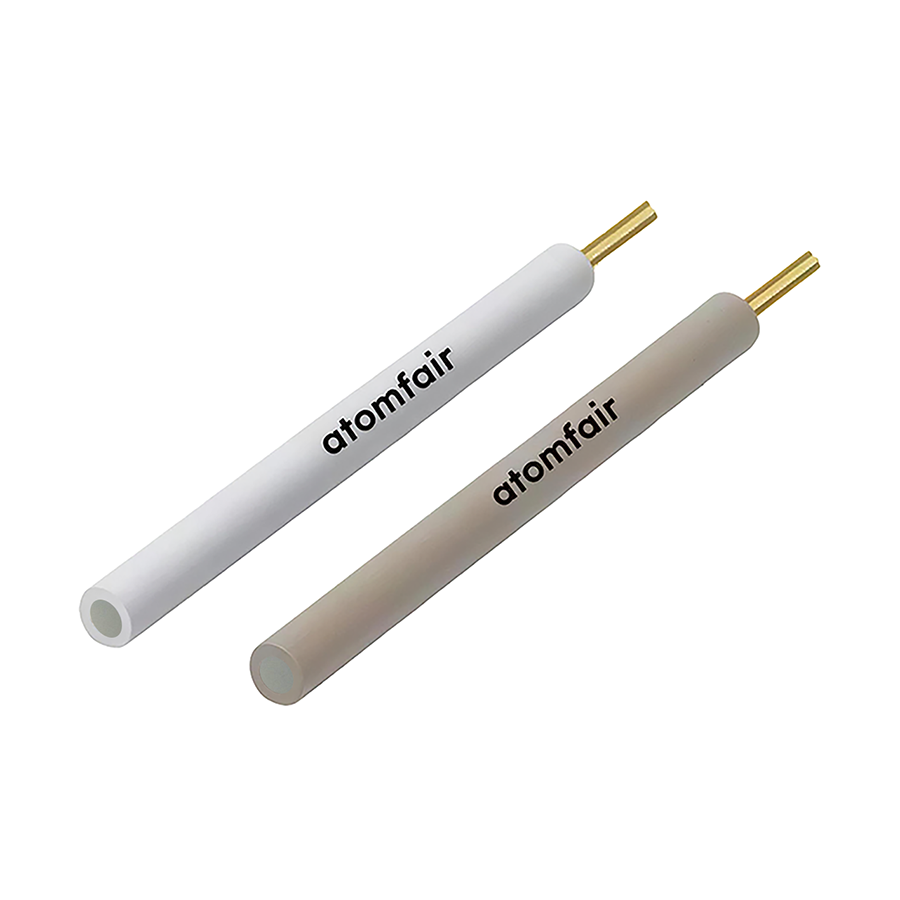
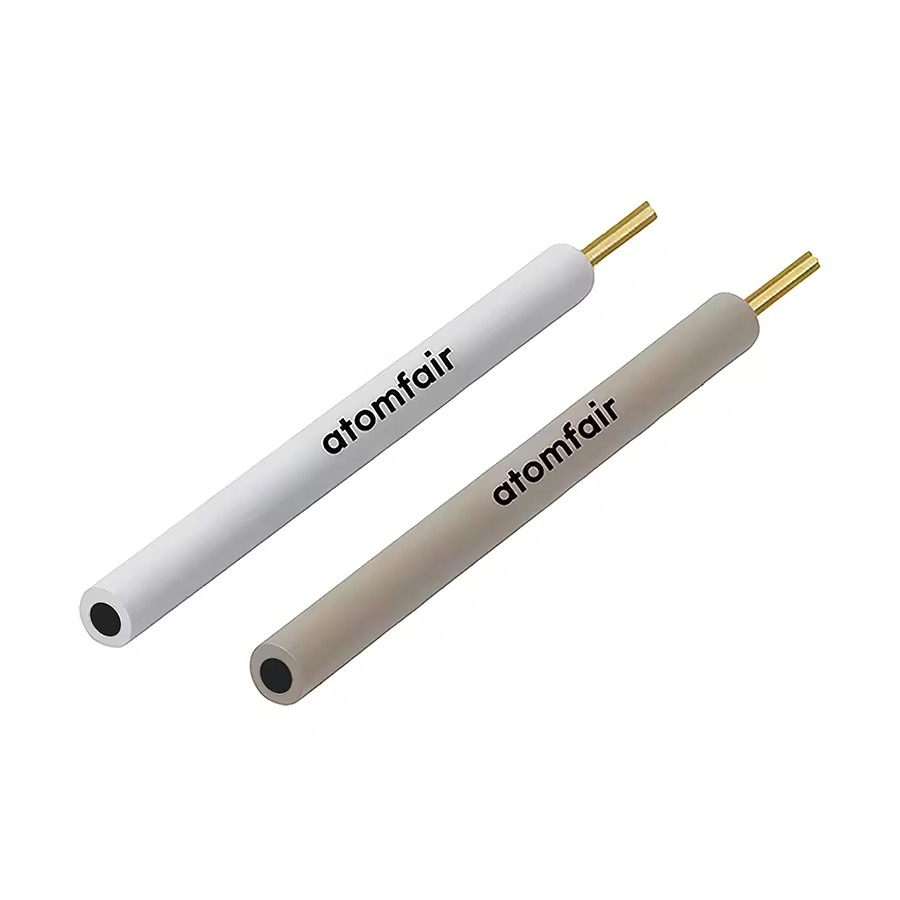
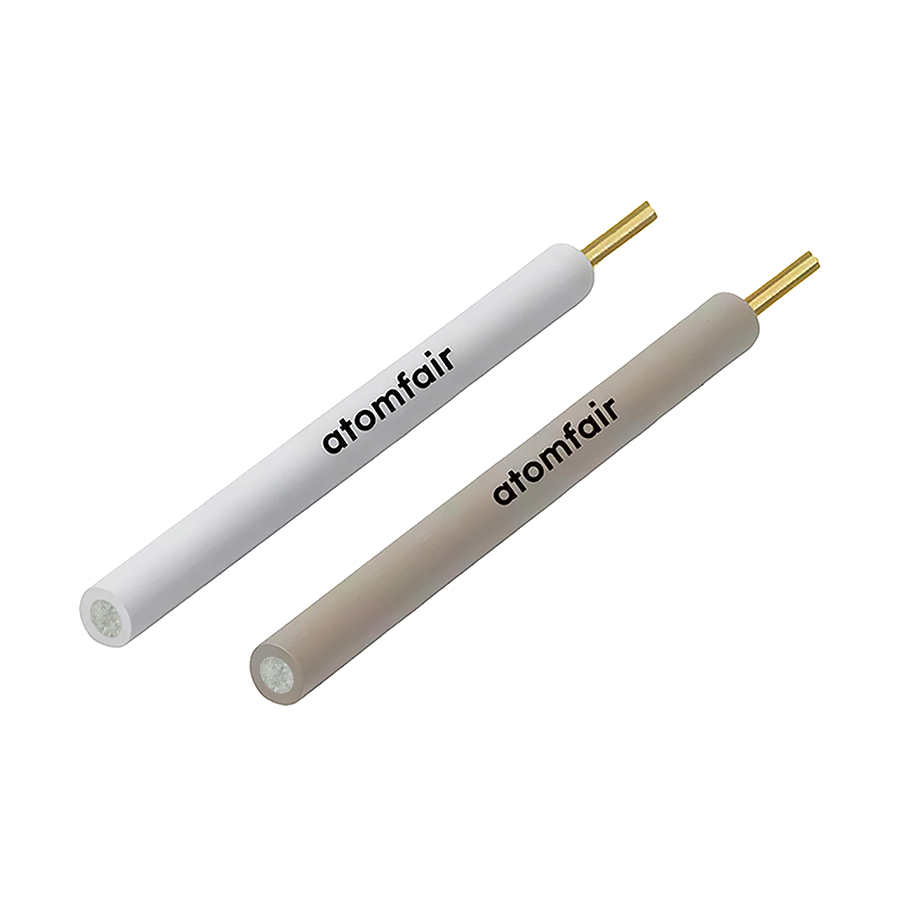
Position the L-shaped electrode in the electrochemical cell to achieve optimal alignment and electrical contact.
How does the choice of diameter (2mm vs 4mm) affect electrochemical performance for the L-Shaped Titanium Working Electrode?
The available 2–4 mm diameter range directly alters the active surface area: a 2 mm disk yields higher current density but lower absolute current, while a 4 mm disk provides larger surface area for higher absolute currents. The optimal size depends on the required sensitivity, mass transport regime, and desired signal magnitude for the specific application.
What electrochemical cell configurations are best suited for the L-Shaped Titanium Working Electrode?
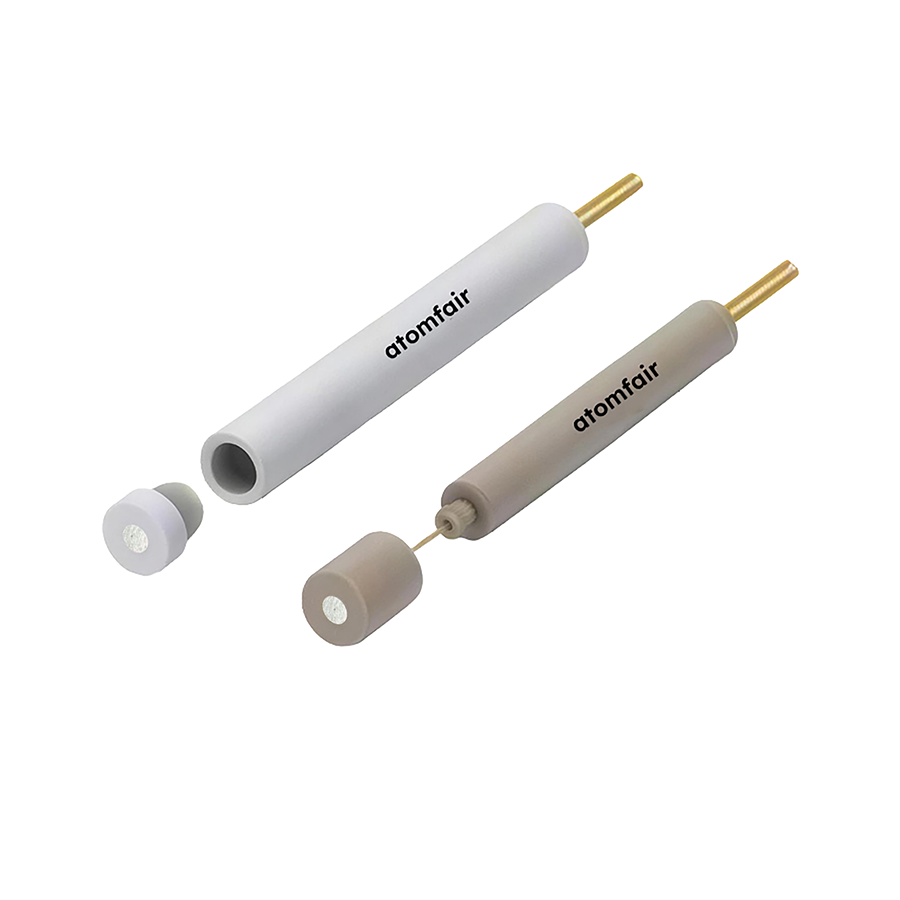
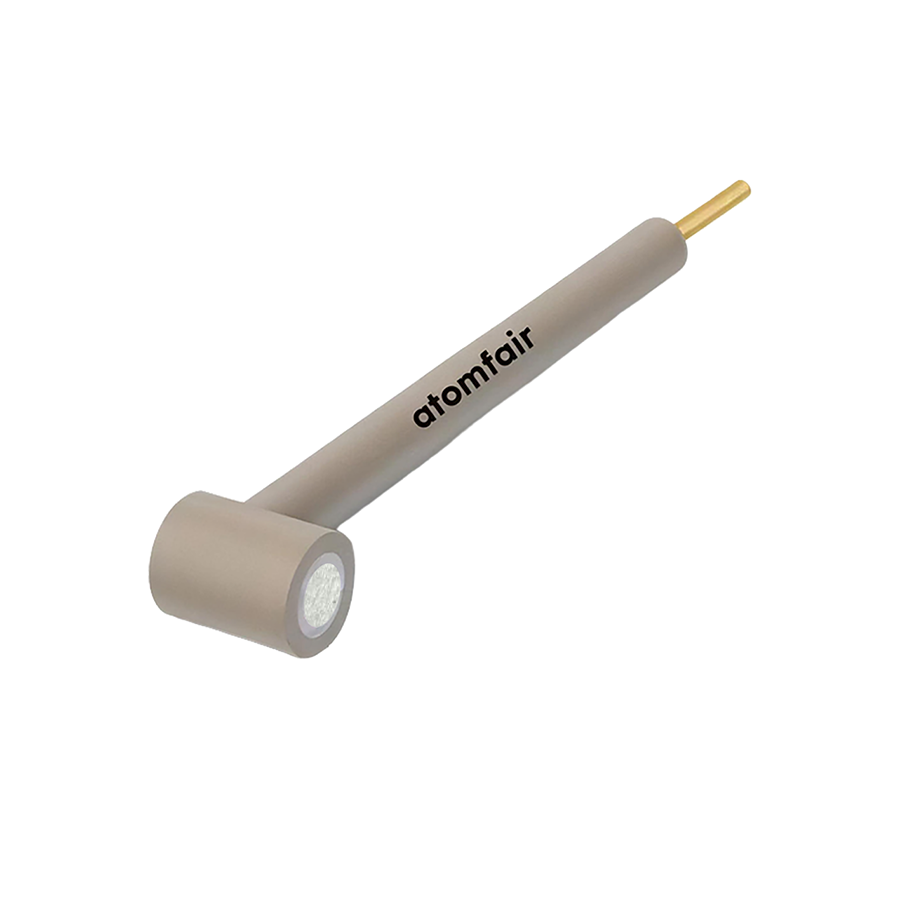
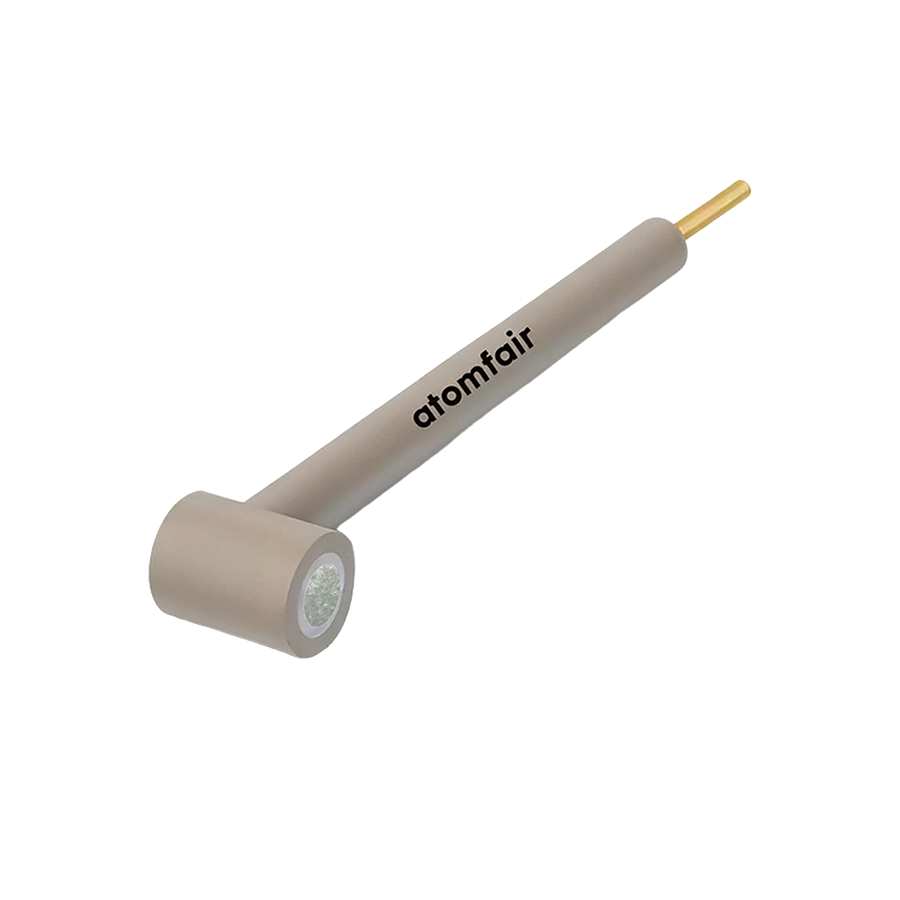
The L-shaped geometry is engineered for specialized cell configurations where standard straight electrodes cannot be accommodated, such as angled mounting or unconventional vessel shapes. The 5 mm head length and 2–4 mm titanium disk must be fully immersed and properly oriented to maintain electrolyte contact, making it ideal for corrosion research, anodic oxidation, and targeted redox systems where titanium's corrosion resistance is leveraged.
What surface contamination risks exist for the Titanium Working Electrode and how should it be stored?
The electrode is highly sensitive to surface contamination, which can degrade baseline stability and reproducibility. Storage in sealed research-grade containers or exclusive handling within an anhydrous inert environment is required to prevent phase contamination or degradation before electrochemical validation.
This L-Shaped Titanium Working Electrode provides corrosion resistance and flexible geometry for specialized electrochemical cell configurations, but requires stringent surface contamination control and anhydrous inert environment handling to preserve performance.
Positive
- Specialized Titanium Material: High-grade titanium construction offers excellent corrosion resistance and tailored electrochemical characteristics for anodic oxidation, corrosion studies, and targeted redox systems.
- Optimized L-Shaped Geometry: Advanced L-shaped engineering enables flexible positioning and lower alignment setup thresholds, promoting ideal electrical contact and compatibility with specialized cell configurations where standard straight electrodes cannot be accommodated.
Trade-offs
- Highly Sensitive to Surface Contamination: The electrode surface is highly sensitive to contamination; containers must remain tightly sealed or handling must be performed exclusively within an anhydrous inert environment to prevent phase contamination or degradation before electrochemical validation.
- Requires Anhydrous Inert Environment Handling: To avoid degradation, the product must be handled exclusively within an anhydrous inert environment, adding infrastructure requirements for typical laboratory workflows.
Every advanced material, component, equipment, and instrument in our catalog is backed by rigorous testing. We maintain strict internal quality management frameworks and align with CE conformity metrics to deliver transparent, reproducible performance data via our public open-science repository.
To request raw batch performance data, submit formal vendor registration paperwork, or execute a fast-turnaround R&D manufacturing loop, contact us at inquiry@atomfair.com.
Item is dispatched under the Atomfair Shipping & Delivery Framework (Free worldwide shipping on orders over $59 USD excl. heavy equipment). Return is governed by the Atomfair Return & Refund Policy (7-day technical return window).