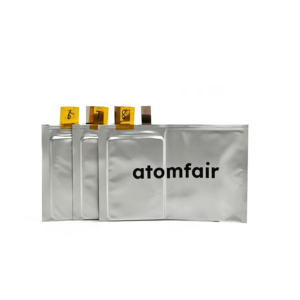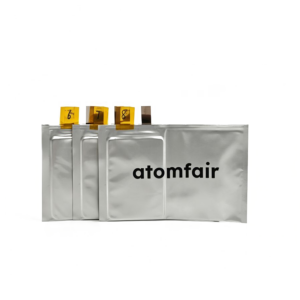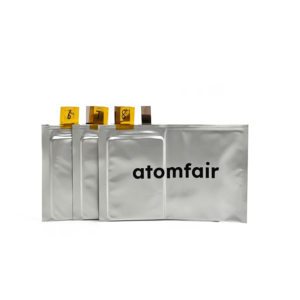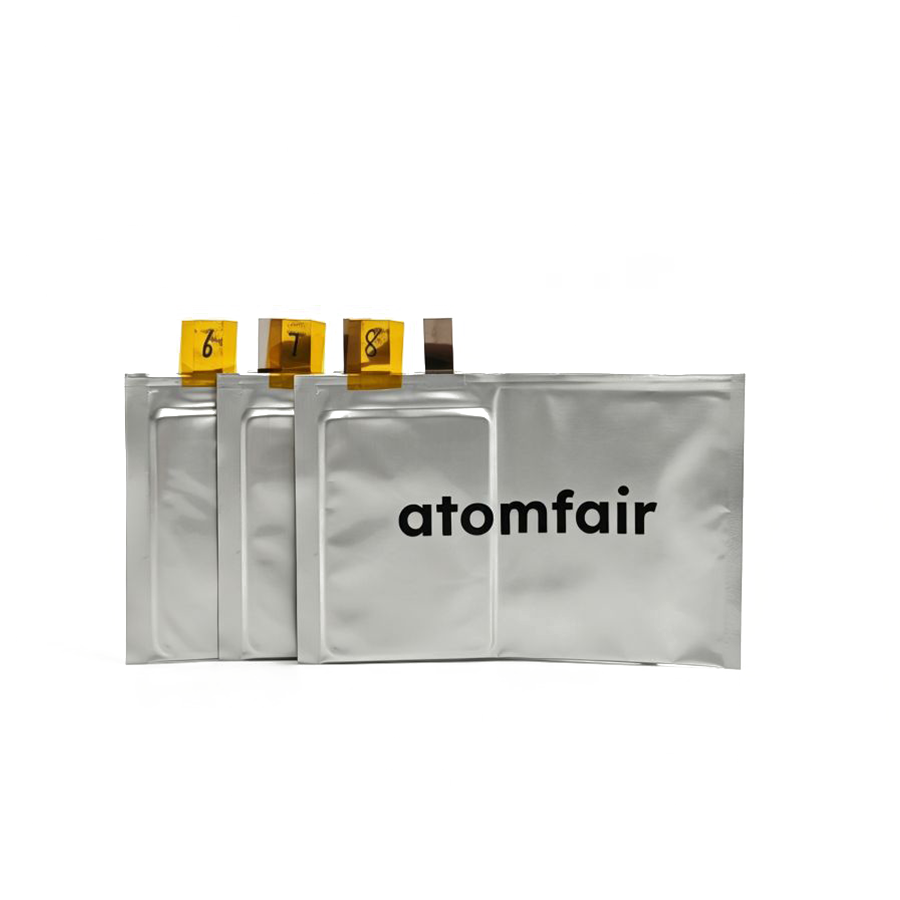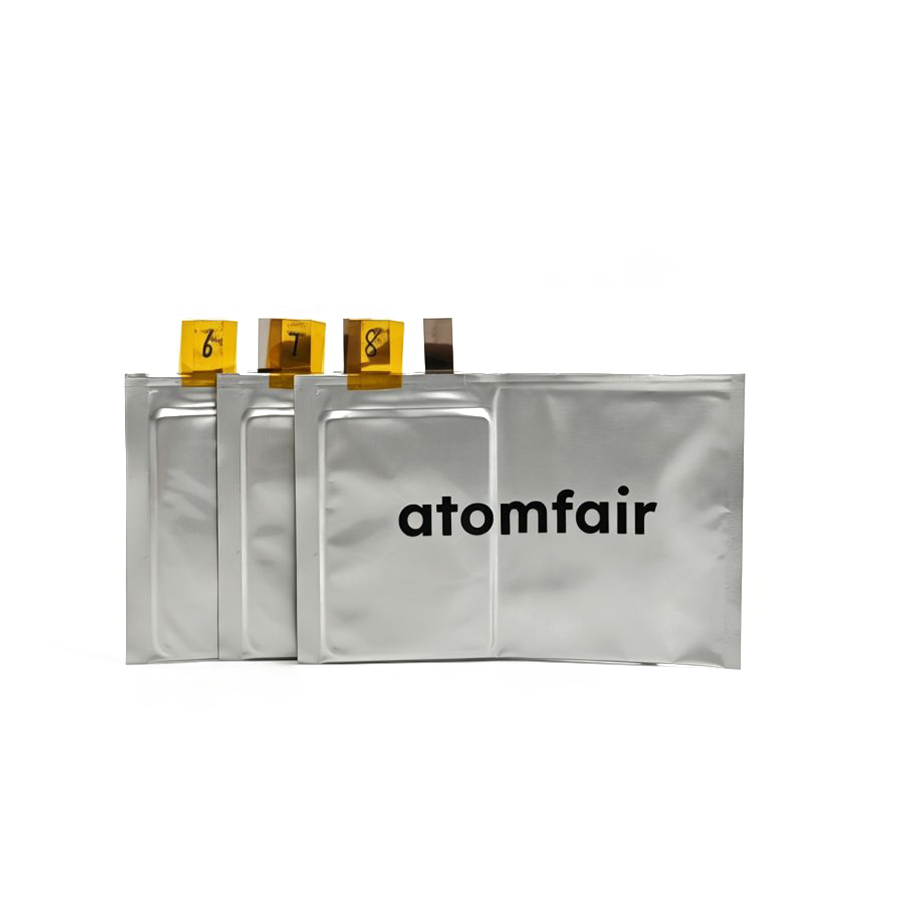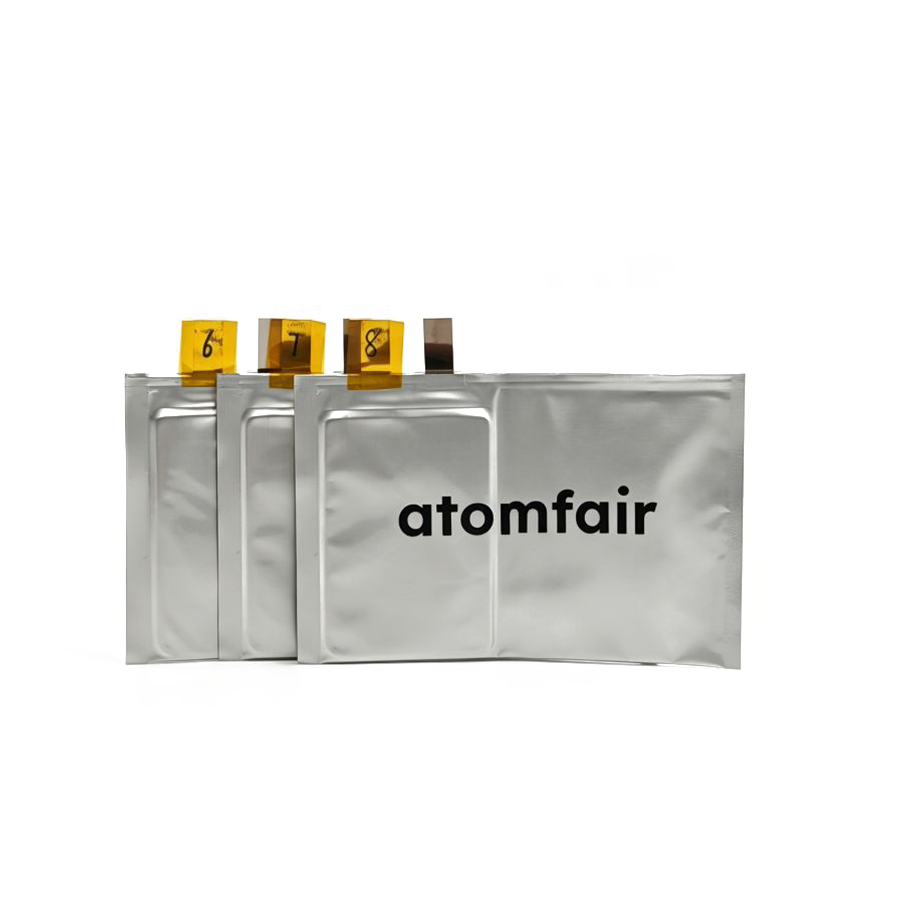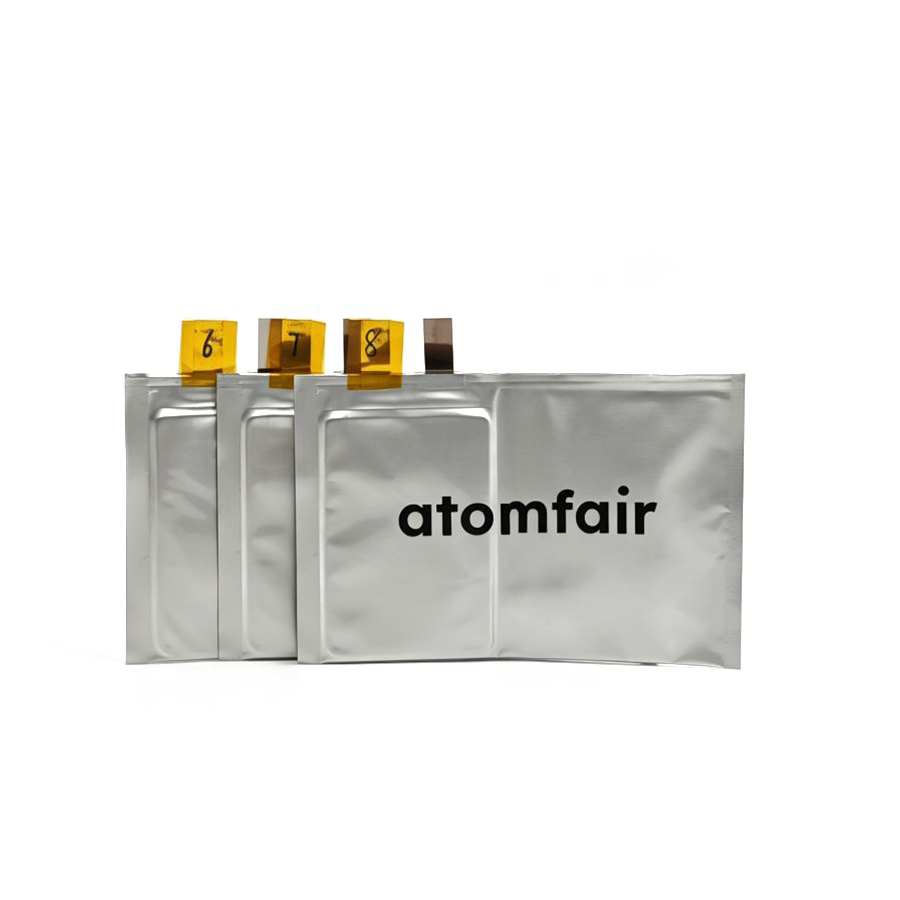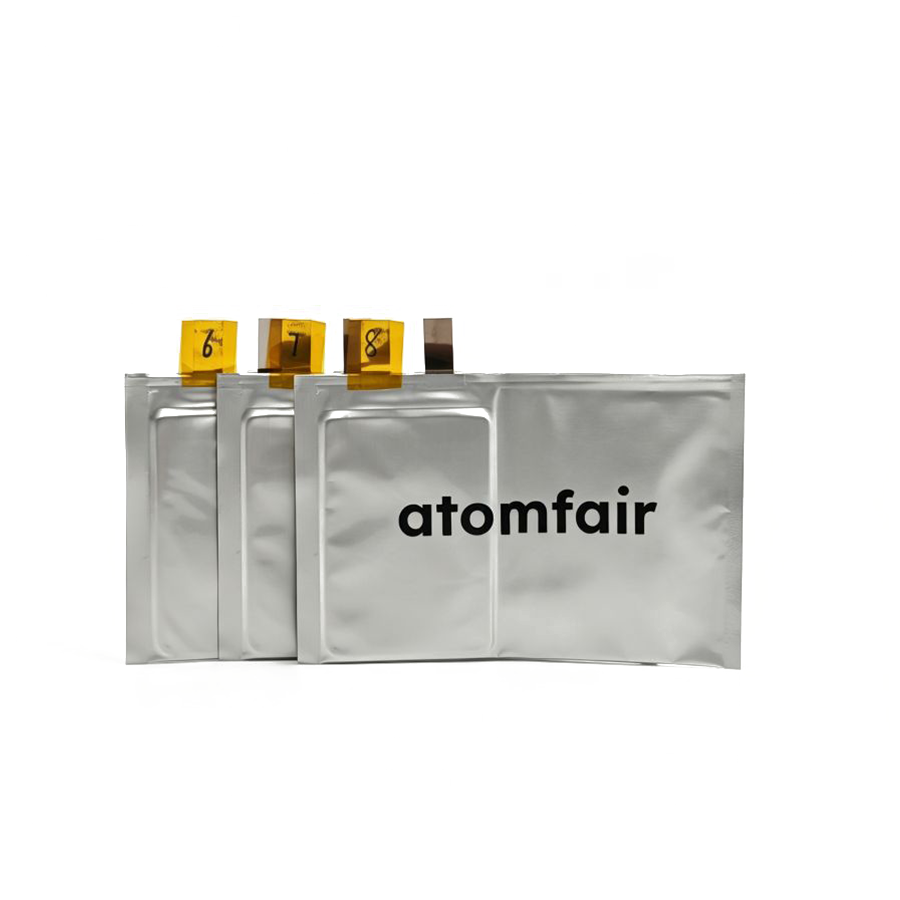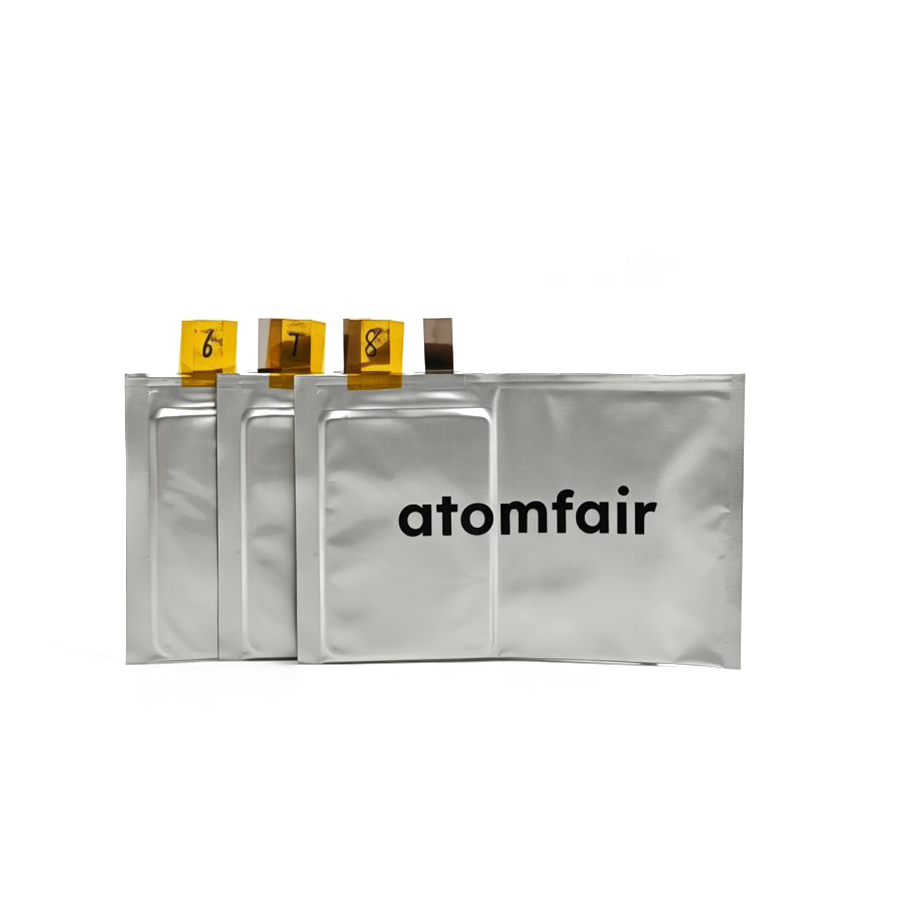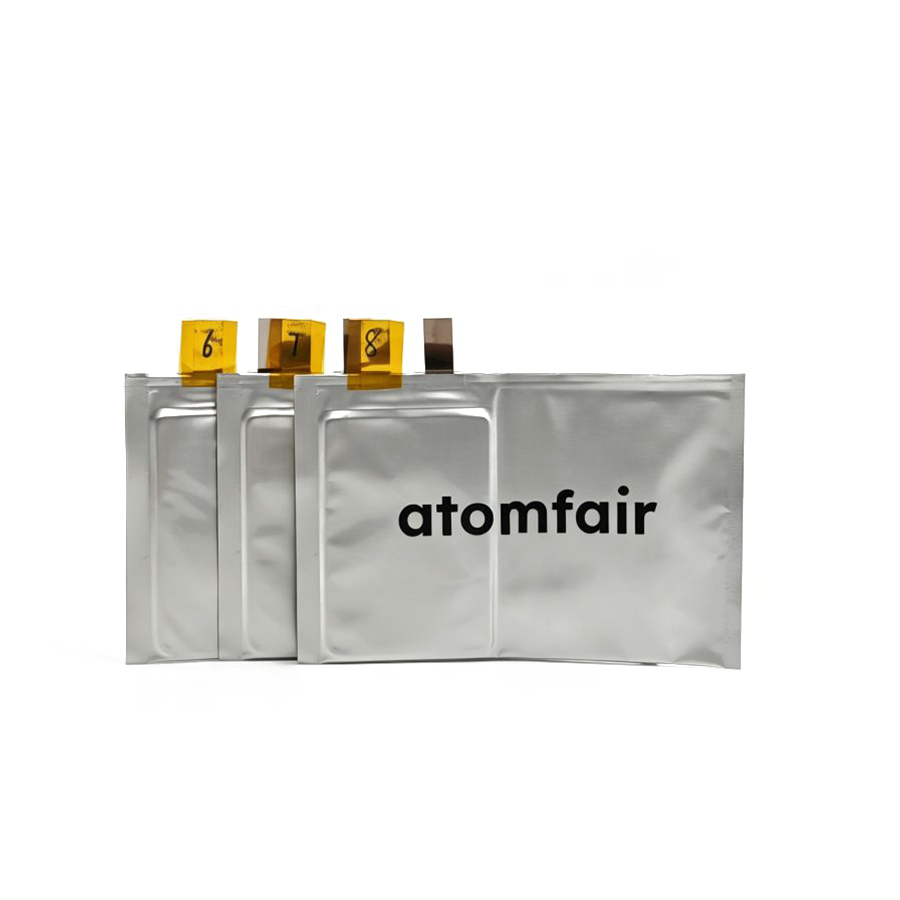
ATOMFAIR® 1AH NCM523 CATHODE LITHIUM METAL POUCH CELLRESEARCH GRADE MATERIAL
|
|||||||||||||||||||||||||||
|
|||||||||||||||||||||||||||
|
TAILORED SOLUTIONS FOR RESEARCH
Contact our engineering team for technical datasheets, custom requirements, or official quotations.
EMAIL: inquiry@atomfair.com
|
|||||||||||||||||||||||||||
|
Manufacturer: Atomfair LLC
Brand: ATOMFAIR®
|
|||||||||||||||||||||||||||
This dry pouch cell contains a lithium metal anode that is highly reactive with moisture and oxygen. Storage must be in an inert atmosphere such as an argon-filled glovebox to prevent degradation and safety hazards.
- Moisture Sensitivity: Store the cell under an inert atmosphere with controlled humidity to avoid oxidation of the lithium metal anode.
- Short Circuit Prevention: Keep the cell terminals insulated to prevent accidental short circuits during storage and handling.
- Electrolyte Compatibility: Use only electrolyte formulations that are compatible with NCM523 cathode and lithium metal chemistry.
- Temperature Constraint: Store and handle the cell at room temperature (20–25 °C) to maintain material stability.
- Mechanical Integrity: Avoid puncturing or bending the pouch to prevent internal short circuits and electrolyte leakage after filling.
This procedure outlines the safe filling and initial activation of the dry pouch cell prior to testing. Proper handling ensures cell integrity and experimental reproducibility.
Required Equipment: Argon-filled glovebox, Microsyringe or pipette, Compatible electrolyte formulation, Cell holder or clamp
- Inspect Cell
Inspect the dry pouch cell visually for any punctures, tears, or other physical damage before proceeding. - Transfer to Glovebox
Transfer the cell into an argon-filled glovebox with moisture and oxygen levels below the detection limit of the monitoring sensors. - Fill Electrolyte
Fill the cell with the chosen electrolyte formulation using a microsyringe through the designated fill port until the separator is fully wetted. - Seal Fill Port
Seal the fill port immediately after electrolyte injection using a heat sealer or pressure-sensitive cover to prevent contamination. - Rest for Wetting
Allow the filled cell to rest for at least 2 hours to ensure complete electrolyte penetration into the electrodes and separator. - Formation Cycle
Charge the cell at a low current rate (e.g., 0.1C) to 4.3 V for the first formation cycle while monitoring voltage stability. - Verify Safety
Verify that the cell remains at ambient temperature and shows no swelling or voltage anomalies before proceeding to further testing.
How does the customizable voltage range of the Atomfair NCM523-Li dry pouch cell influence its achievable specific energy and cycling stability?
The voltage range is customizable from 2.5 V to 4.3 V. Operating at higher cut-off voltages increases specific energy, but may reduce cycling stability depending on the electrolyte formulation. The cell's electrode chemistry is optimized for interfacial stability, ensuring consistent operating voltage and cycle potential across the range when paired with a suitable electrolyte system.
Can the Atomfair NCM523-Li dry pouch cell be used for solid-state electrolyte testing, and what modifications are needed?
Yes, the dry pouch cell is specifically designed for solid-state electrolyte testing. Since the cell is delivered without electrolyte, researchers can directly incorporate solid-state or polymer electrolyte membranes in the cell assembly. No modifications to the pouch cell itself are required; the dry format allows direct integration of user-defined electrolyte systems for next-generation Li-metal battery R&D.
What atmospheric conditions are required for assembling and handling the Atomfair NCM523-Li dry pouch cell?
The cell must be handled and assembled in an inert atmosphere, specifically in a glovebox or dry room, due to the high reactivity of the lithium metal anode with moisture and oxygen. The dry pouch cell format also requires electrolyte filling to be performed under these controlled conditions to prevent contamination and ensure research-grade reproducibility.
This 1Ah NCM523-Li dry pouch cell delivers high energy density via an NCM523 cathode paired with a lithium metal anode, but demands inert-atmosphere handling and user-supplied electrolyte for operation—a trade-off between flexibility and infrastructure requirements.
Positive
- Ultra-high energy density from Li-metal anode: The combination of NCM523 cathode and lithium metal anode enables remarkable specific energy, providing a high-capacity platform for next-generation battery research.
- Dry cell flexibility for custom electrolytes: With no pre-filled electrolyte, researchers can test liquid, polymer, or solid-state electrolyte systems under controlled laboratory conditions, enabling tailored experimental designs.
Trade-offs
- Requires inert atmosphere handling: Assembly and handling must occur in a glovebox or dry room to prevent moisture and oxygen contamination, adding infrastructure demands for labs without dedicated facilities.
- Electrolyte not included, user must supply: The cell is delivered in a dry state without electrolyte, requiring users to have expertise in electrolyte formulation and filling procedures, which may increase setup complexity.
Every advanced material, component, equipment, and instrument in our catalog is backed by rigorous testing. We maintain strict internal quality management frameworks and align with CE conformity metrics to deliver transparent, reproducible performance data via our public open-science repository.
To request raw batch performance data, submit formal vendor registration paperwork, or execute a fast-turnaround R&D manufacturing loop, contact us at inquiry@atomfair.com.
Item is dispatched under the Atomfair Shipping & Delivery Framework (Free worldwide shipping on orders over $59 USD excl. heavy equipment). Return is governed by the Atomfair Return & Refund Policy (7-day technical return window).