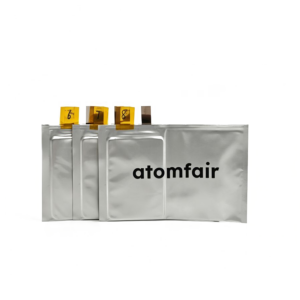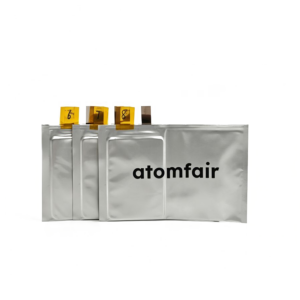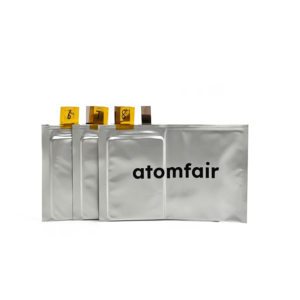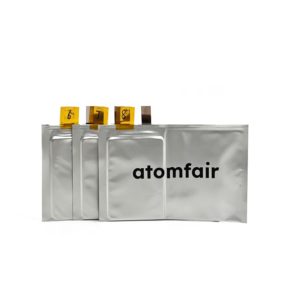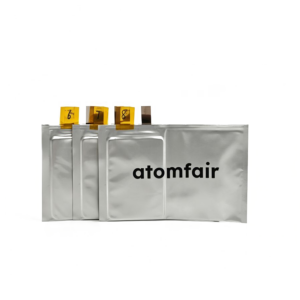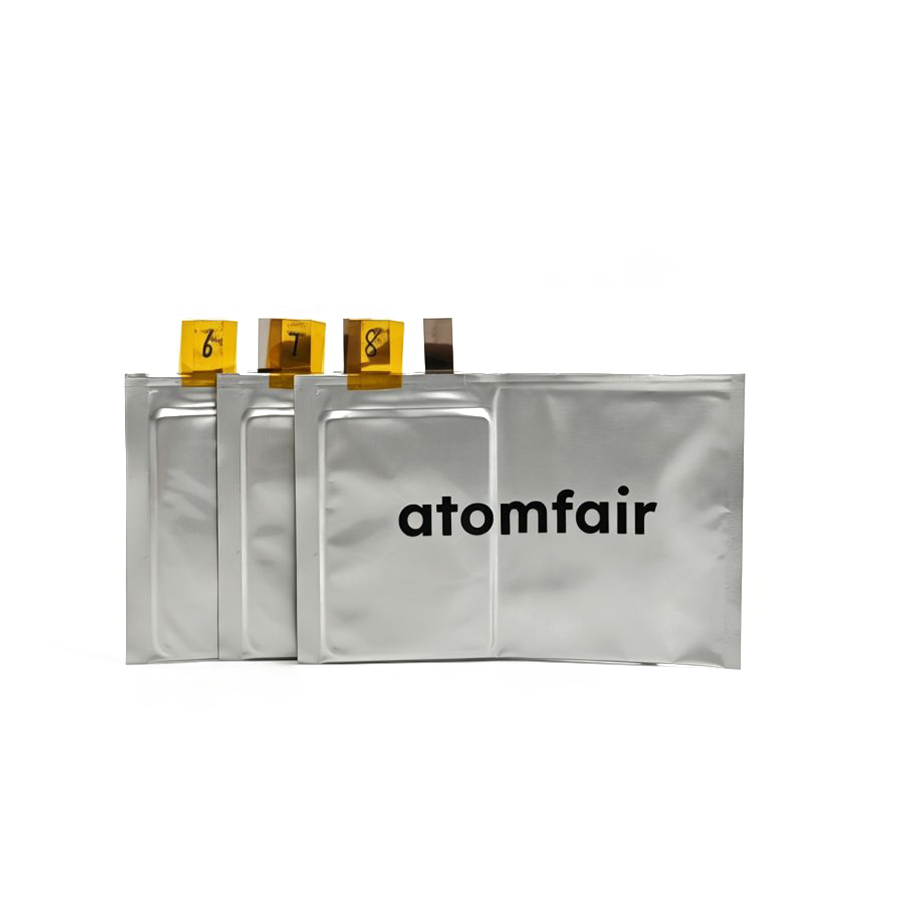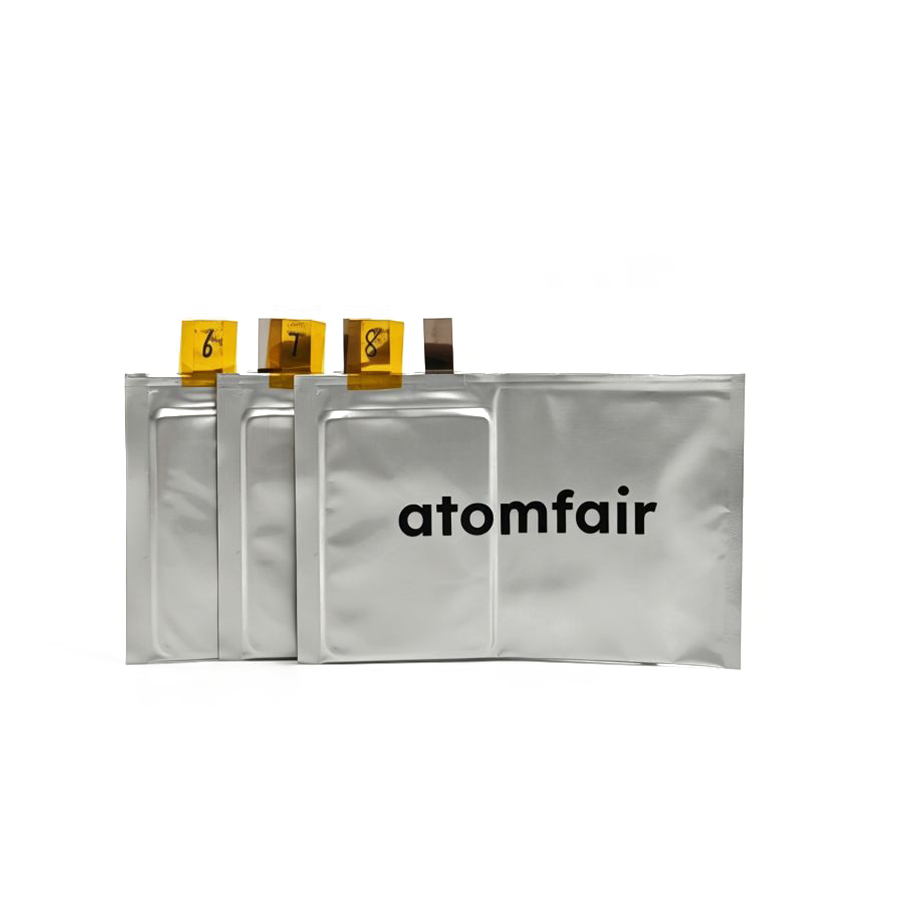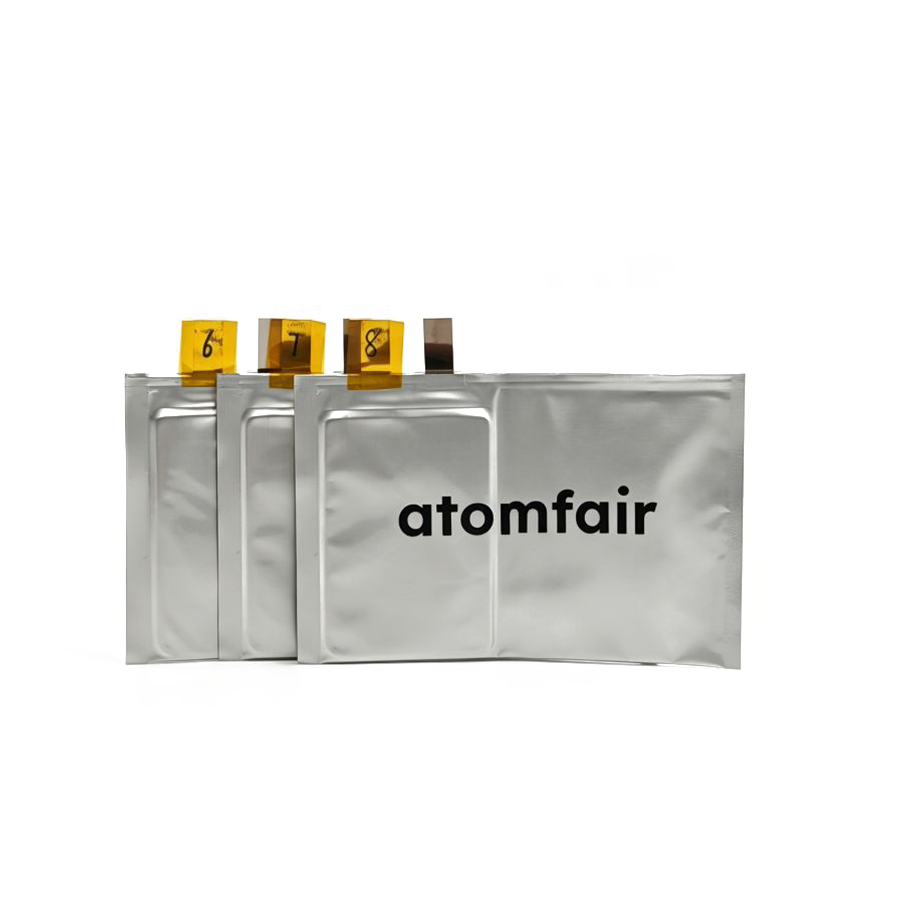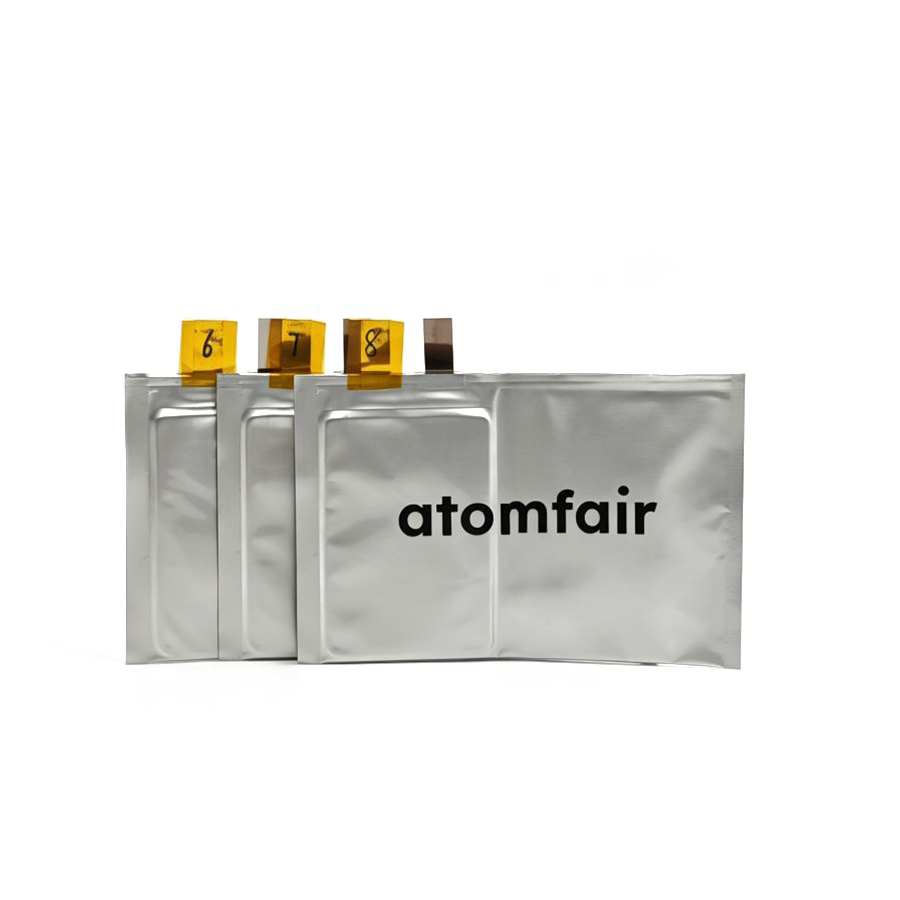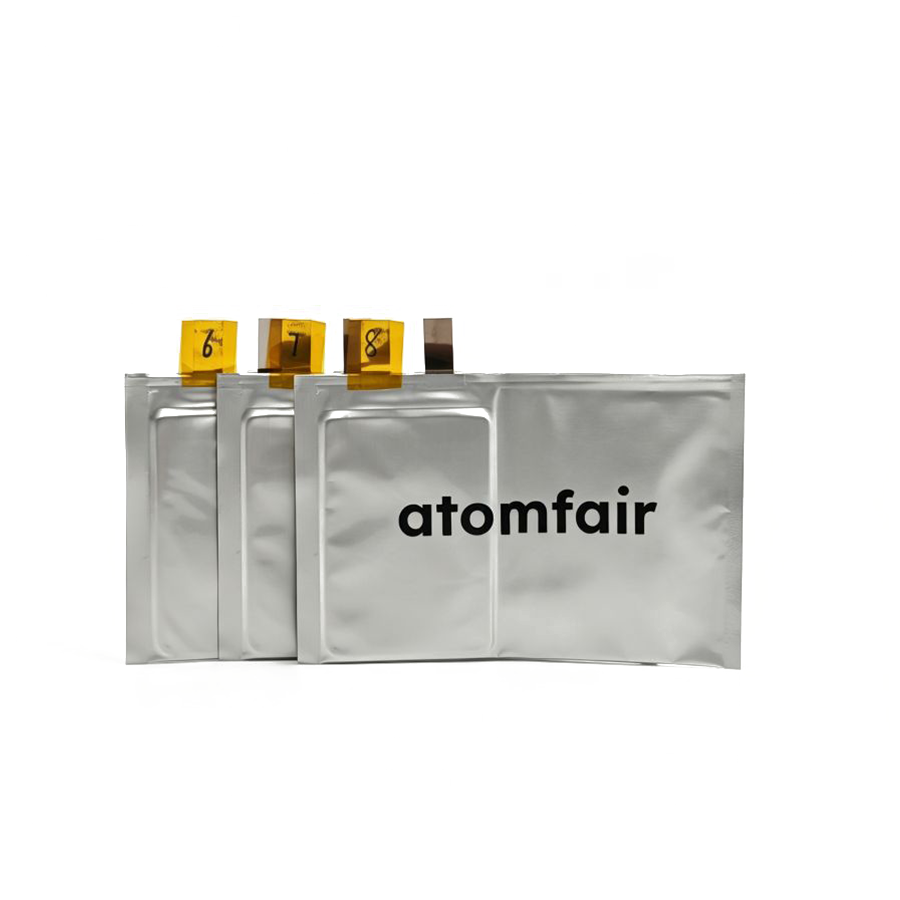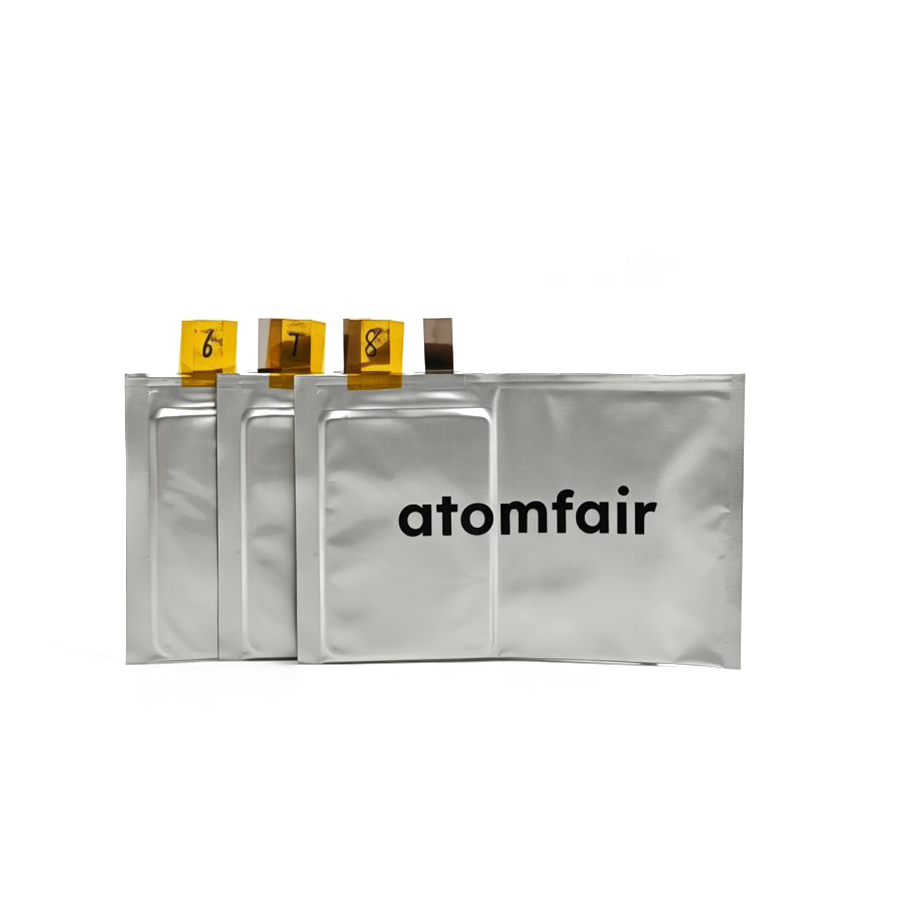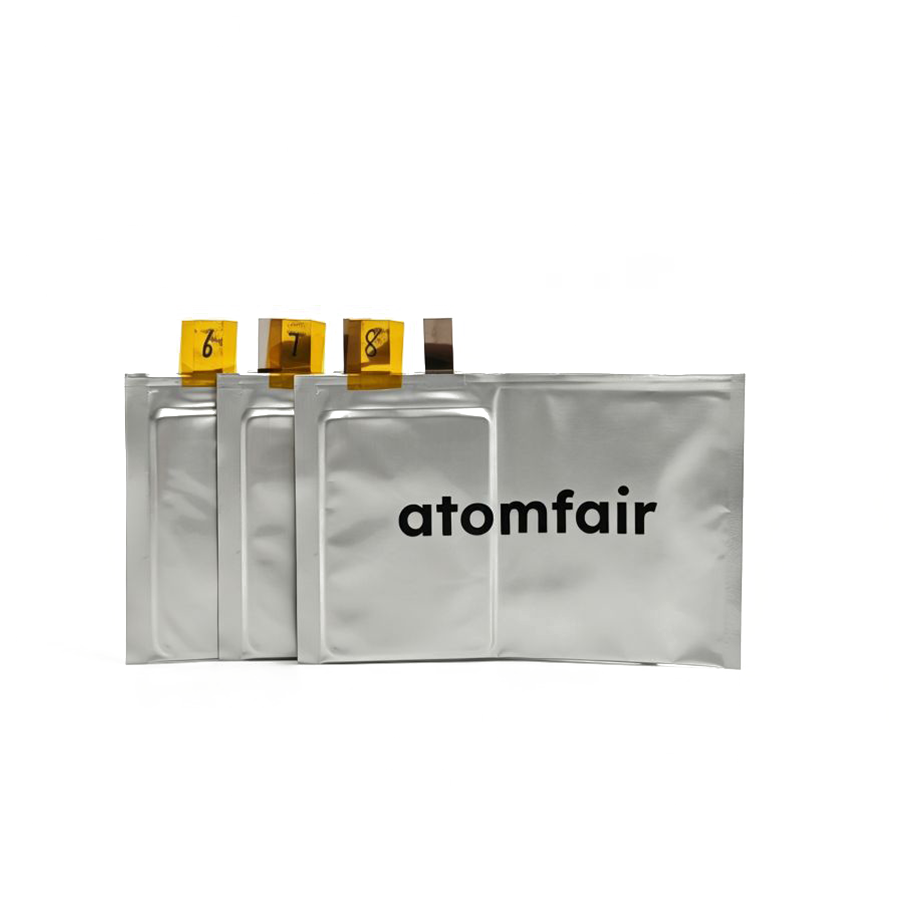
ATOMFAIR® 1AH NCM523 || GRAPHITE DRY POUCH CELLLITHIUM-ION BATTERY | RESEARCH GRADE MATERIAL
|
|||||||||||||||||||||||||
|
|||||||||||||||||||||||||
|
TAILORED SOLUTIONS FOR RESEARCH
Contact our engineering team for technical support or official quotations.
EMAIL: inquiry@atomfair.com
|
|||||||||||||||||||||||||
|
Manufacturer: Atomfair LLC
Brand: ATOMFAIR®
|
|||||||||||||||||||||||||
This dry pouch cell contains active materials and presents electrical and chemical hazards if mishandled. Store in a dry, inert atmosphere and avoid physical damage to prevent short circuits and material degradation.
- Moisture Sensitivity: Store the cell in a dry, inert atmosphere to prevent moisture absorption by the electrode materials.
- Temperature Stability: Maintain storage temperature within a moderate range to avoid thermal degradation of the active materials.
- Short Circuit Prevention: Insulate the cell terminals with non-conductive tape or caps to prevent accidental short circuits.
- Physical Integrity: Handle the pouch cell with care to avoid punctures or tears that could lead to internal short circuits.
- Atmosphere Requirement: Store the cell in an inert gas atmosphere such as argon or nitrogen to protect the dry electrodes from oxidation.
This procedure describes the safe steps to fill and prepare the dry cell for electrochemical testing. All steps must be performed in an inert atmosphere glovebox to avoid contamination and moisture ingress.
Required Equipment: Argon-filled glovebox, Vacuum oven, Heat sealer
- Inspect
Inspect the dry pouch cell for any visible damage or pinholes before proceeding with the filling process. - Transfer
Transfer the cell to an argon-filled glovebox with controlled atmosphere for all subsequent handling steps. - Dry
Dry the cell under vacuum at an elevated temperature to remove any adsorbed moisture from the electrode materials. - Fill
Fill the pouch cell with a predetermined volume of electrolyte using a precision pipette. - Seal
Seal the pouch cell using a heat sealer under vacuum or inert atmosphere to prevent electrolyte leakage. - Rest
Allow the filled cell to rest for a sufficient period to ensure complete electrolyte wetting of the electrodes.
How does the 1Ah capacity of the NCM523||Graphite dry pouch cell compare to commercial cells of similar electrode dimensions?
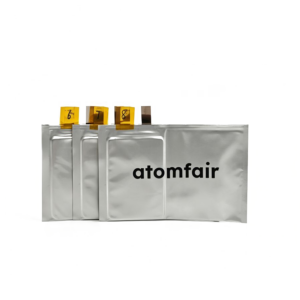
The 1Ah capacity is specified for given positive electrode dimensions of 45.5×64 mm and negative electrode dimensions of 46.5×65 mm. Since the cell is delivered dry without electrolyte, actual achievable capacity depends entirely on the electrolyte formulation and filling process used by the researcher. The NCM523 chemistry provides a high energy density baseline, but final capacity will be determined by the electrolyte system and assembly conditions.
What electrolyte systems are recommended for use with the ATOMFAIR 1Ah NCM523||Graphite dry pouch cell?
The product description states the cell is a dry core with electrolyte not included and no specific electrolyte recommendations are provided. Researchers must select an electrolyte compatible with NCM523 cathode and graphite anode, typically using carbonate-based solvents and LiPF6 salt. The dry configuration enables customization but requires careful electrolyte selection to avoid compatibility issues.
What are the storage requirements for the ATOMFAIR 1Ah NCM523||Graphite dry pouch cell before electrolyte filling?
The product description specifies to store the cell in a cool, dry environment. As a dry cell without electrolyte, it does not pose the same hazards as a wet cell, but moisture exposure can degrade the electrode materials. Sealed packaging should be maintained until ready for electrolyte filling and assembly.
The ATOMFAIR 1Ah NCM523||Graphite dry pouch cell delivers high energy density for advanced battery R&D via a customizable dry core format, but requires separate electrolyte filling and operates with fixed default parameters that necessitate advance inquiry for modifications.
Positive
- High Energy Density NCM523 Chemistry: The NCM523 cathode and graphite anode combination provides exceptional energy storage capacity, enabling high-performance battery research and prototype development.
- Customizable Dry Cell Configuration: Delivered as a dry core without electrolyte, allowing researchers to optimize electrolyte composition and filling protocols for specific experimental needs.
Trade-offs
- Electrolyte Not Included: The cell requires separate electrolyte procurement and must be filled in inert atmosphere (e.g., glovebox) prior to testing, adding handling complexity.
- Fixed Default Design Parameters: Customization of electrode dimensions, capacity, or other variables requires prior inquiry and approval; off-the-shelf units are limited to standard specifications.
Every advanced material, component, equipment, and instrument in our catalog is backed by rigorous testing. We maintain strict internal quality management frameworks and align with CE conformity metrics to deliver transparent, reproducible performance data via our public open-science repository.
To request raw batch performance data, submit formal vendor registration paperwork, or execute a fast-turnaround R&D manufacturing loop, contact us at inquiry@atomfair.com.
Item is dispatched under the Atomfair Shipping & Delivery Framework (Free worldwide shipping on orders over $59 USD excl. heavy equipment). Return is governed by the Atomfair Return & Refund Policy (7-day technical return window).