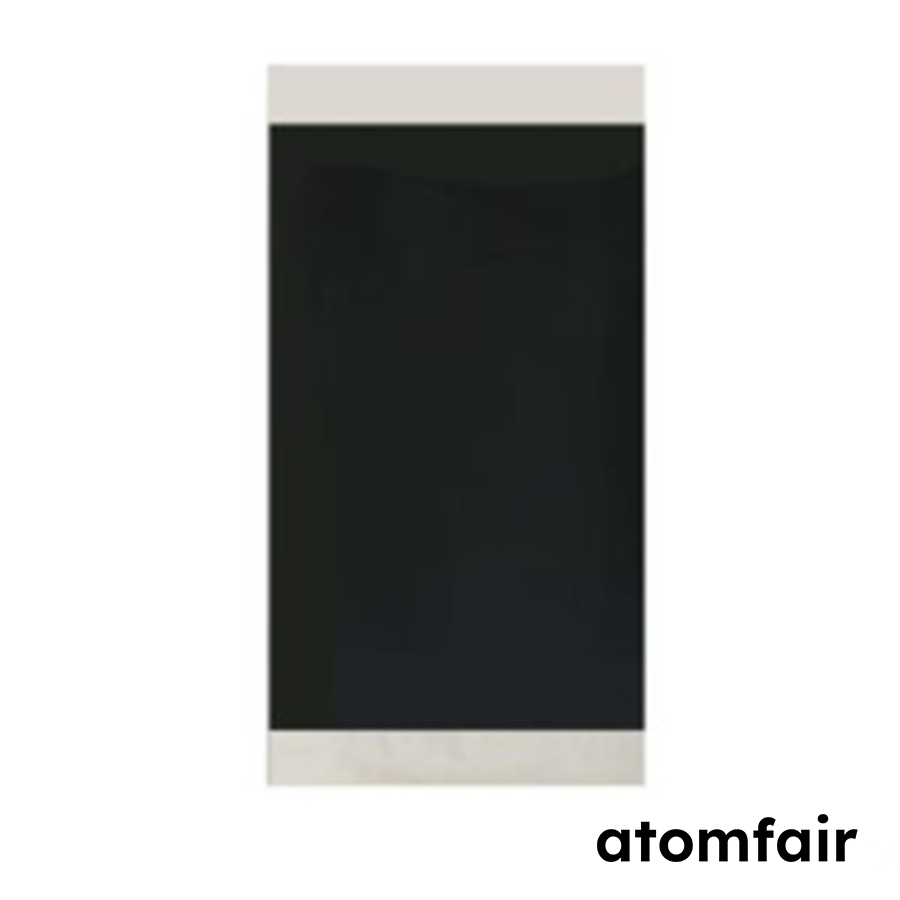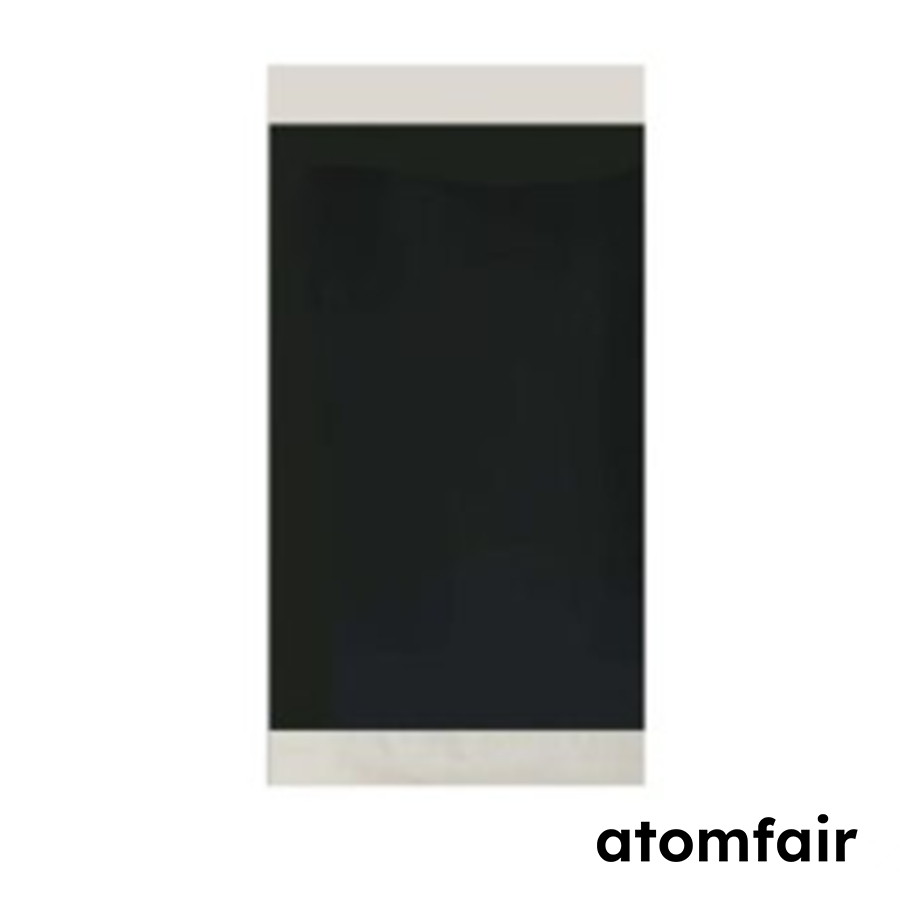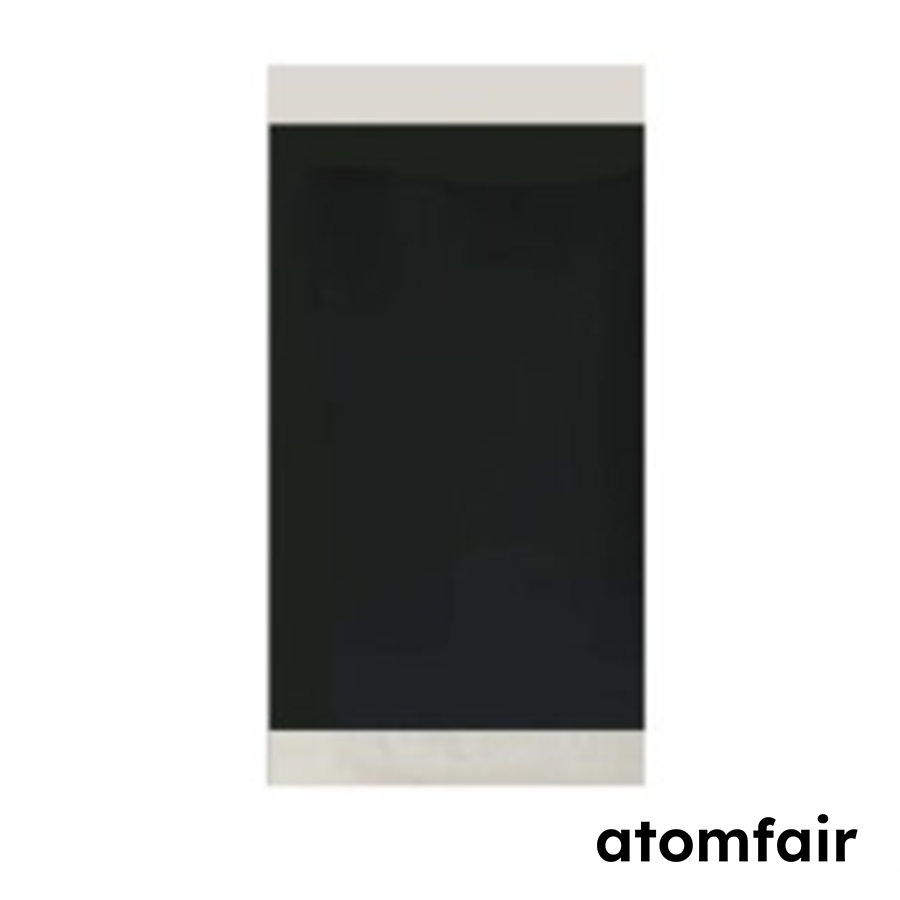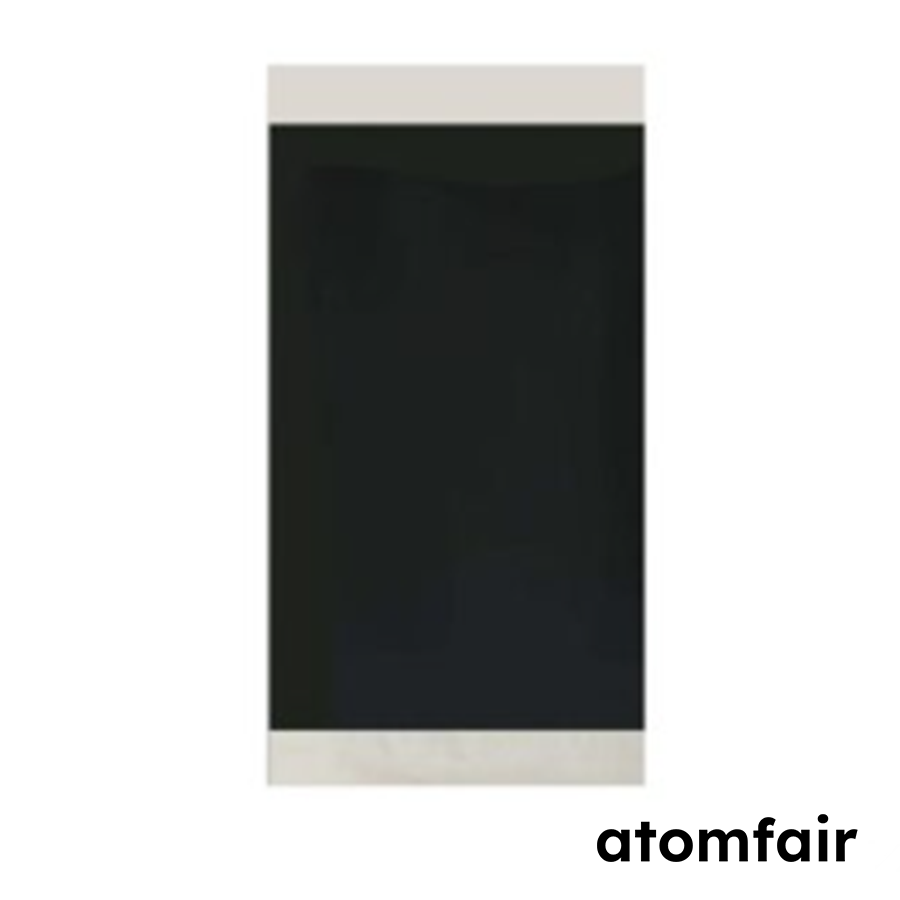
ATOMFAIR® NFM111-S04 SODIUM NICKEL IRON MANGANESE OXIDE ELECTRODE SHEETRESEARCH GRADE | SINGLE-SIDED WET PROCESS
|
|||||||||||||||||||||||||||||||||||||
|
|||||||||||||||||||||||||||||||||||||
|
TAILORED ENERGY SOLUTIONS
Speak to our technical sales team for sample requests or custom specifications.
EMAIL: inquiry@atomfair.com
|
|||||||||||||||||||||||||||||||||||||
|
Manufacturer: Atomfair LLC
Brand: ATOMFAIR®
|
|||||||||||||||||||||||||||||||||||||
This sodium-ion cathode electrode sheet requires inert atmosphere storage to prevent moisture degradation. All handling must be conducted in a dry environment to preserve coating integrity.
- Storage Requirement: Store sealed under inert gas with desiccant to avoid exposure to ambient moisture.
How does the compaction density of 2.08 g/cm³ in the NFM111-S04 cathode affect its rate capability and trade-off between energy and power density?
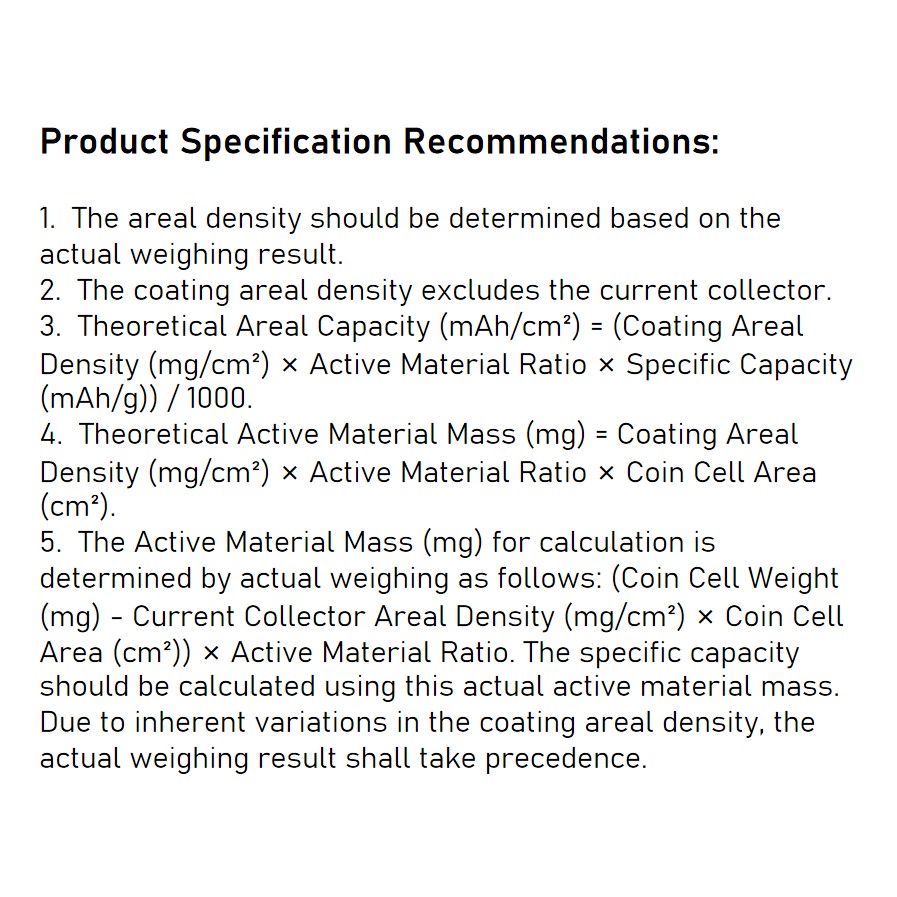
The compaction density of 2.08 g/cm³, combined with a high active material ratio of 95.3% and coating density of 18 mg/cm², yields a nominal capacity of 125 mAh/g. This dense electrode microstructure enhances volumetric energy density but may restrict electrolyte penetration and sodium-ion diffusion, leading to potential rate capability limitations at high C-rates.
What are the recommended punching dimensions and assembly considerations for integrating the NFM111-S04 single-sided cathode into standard 2032 coin cells?
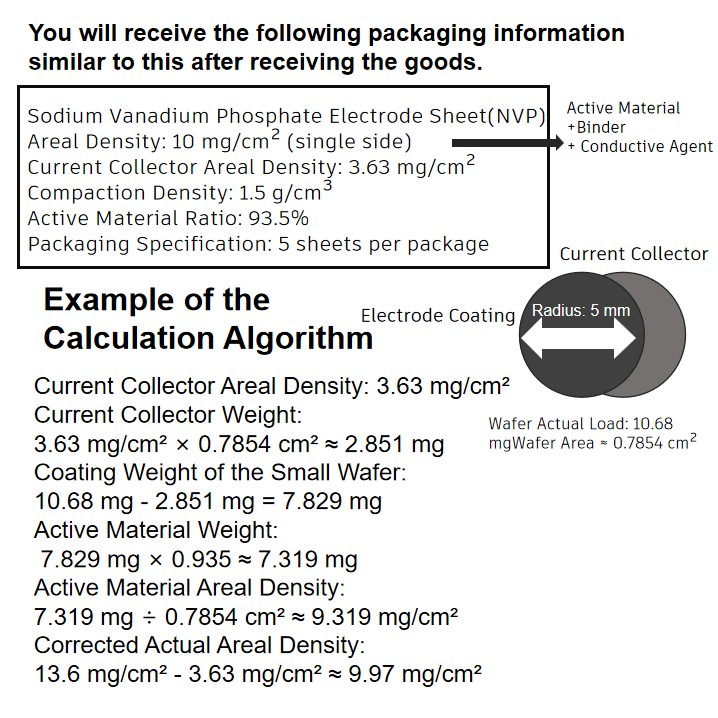
The NFM111-S04 sheets have a coating area of 150 x 110 mm on a 184 x 110 mm substrate, allowing researchers to punch cathodes that fit standard coin cell components. Typically, 12–15 mm diameter disks are punched and assembled in 2032 coin cells with a sodium metal anode, glass fiber separator, and compatible electrolyte. The single-sided coating ensures proper orientation, with the carbon-coated aluminum foil side contacting the stainless steel spacer.
What is the recommended pre-treatment protocol for NFM111-S04 electrode sheets before cell assembly to ensure optimal electrochemical performance?
The manufacturer specifies a baking protocol of 12 hours under vacuum at 100°C to remove residual moisture and optimize electrochemical performance. This step is critical for achieving the nominal capacity of 125 mAh/g and ensuring consistent results across tests. Electrodes should be transferred directly from the vacuum oven to an inert atmosphere for cell assembly without exposure to ambient air.
This NFM111 single-sided cathode sheet provides a high active material ratio of 95.30% and a nominal capacity of 125 mAh/g, making it well-suited for sodium-ion battery R&D. However, the electrode requires a mandatory 12-hour vacuum bake at 100°C before use, and the carbon-coated aluminum substrate demands careful handling during cell assembly.
Positive
- High active material loading: At 95.30% active material ratio, the electrode maximizes electrochemical utilization for sodium-ion testing, providing reliable capacity measurements.
- Precision wet process coating: Single-sided coating at 18 mg/cm² with a compaction density of 2.08 g/cm³ ensures reproducible electrode performance across sheets.
Trade-offs
- Mandatory vacuum baking protocol: The electrode must be baked under vacuum at 100°C for 12 hours prior to use, requiring dedicated oven time and delaying immediate deployment.
- Delicate substrate handling: The carbon-coated aluminum foil (12 + 0.5 + 0.5 μm) is thin and the coating may be prone to damage if not handled with care during cutting or cell assembly.
Every advanced material, component, equipment, and instrument in our catalog is backed by rigorous testing. We maintain strict internal quality management frameworks and align with CE conformity metrics to deliver transparent, reproducible performance data via our public open-science repository.
To request raw batch performance data, submit formal vendor registration paperwork, or execute a fast-turnaround R&D manufacturing loop, contact us at inquiry@atomfair.com.
Item is dispatched under the Atomfair Shipping & Delivery Framework (Free worldwide shipping on orders over $59 USD excl. heavy equipment). Return is governed by the Atomfair Return & Refund Policy (7-day technical return window).