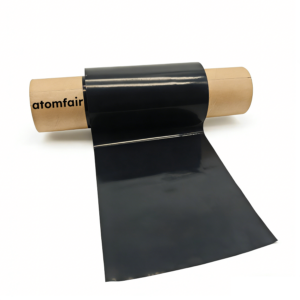
ATOMFAIR® NVP-D04 SODIUM VANADIUM PHOSPHATE ELECTRODE SHEETRESEARCH GRADE MATERIAL
|
|||||||||||||||||||||||||||||||||||||||||
|
|||||||||||||||||||||||||||||||||||||||||
|
TAILORED SOLUTIONS FOR RESEARCH
Contact our engineering team for technical support or official quotations.
EMAIL: inquiry@atomfair.com
|
|||||||||||||||||||||||||||||||||||||||||
|
Manufacturer: Atomfair LLC
Brand: ATOMFAIR®
|
|||||||||||||||||||||||||||||||||||||||||
The double-sided coating requires careful handling to maintain structural integrity and avoid delamination. Storage in a dry, inert environment is recommended to prevent moisture-induced degradation of the active material.
- Coating Integrity: Avoid bending or scratching the coated surface to preserve the active material layer and ensure reliable electrochemical performance.
How does the double-side coating density of 26 mg/cm² on the NVP-D04 affect rate performance compared to lower loading electrodes?
The high double-side coating density of 26 mg/cm² increases active material loading per area but may introduce ionic transport limitations at high C-rates. This trade-off is balanced by the 92% active material ratio and carbon-coated aluminum foil substrate, which enhances electronic conductivity to mitigate polarization. For rate-sensitive studies, researchers typically adjust electrolyte volume or calendaring conditions based on the specified compaction density of 1.9 g/cm³.
Is the NVP-D04 electrode directly compatible with hard carbon anodes in full cell battery testing?
Yes, the double-side coated NVP cathode is designed for full cell sodium-ion battery R&D, pairing with anodes like hard carbon. The carbon-coated aluminum foil substrate provides a compatible current collector, and the specified 110 mAh/g capacity offers a baseline for capacity balancing. Researchers must confirm electrolyte compatibility and cell assembly conditions within their own infrastructure.
What are the critical handling or vacuum drying requirements for this NVP electrode sheet to ensure electrochemical performance?
The NVP-D04 must be baked under vacuum at 100°C for 12 hours prior to use to remove adsorbed moisture and residual solvents from the wet process coating. This protocol is explicitly recommended by the manufacturer to prevent decomposition or side reactions that could compromise the carbon-coated aluminum substrate and active material integrity. Store in an inert, dry atmosphere after drying.
The NVP-D04 electrode sheet delivers a high active material loading of 26 mg/cm² with 92% NVP on a carbon-coated aluminum substrate, enabling robust sodium-ion intercalation for R&D applications. However, users must account for a mandatory 12-hour vacuum bake at 100°C prior to use and note that the product is restricted to laboratory research only.
Positive
- High active material ratio: A 92.00% active material ratio maximizes sodium-ion intercalation capacity, providing robust electrochemical performance for battery evaluation.
- Carbon-coated substrate enhances conductivity: The carbon-coated aluminum foil current collector minimizes internal resistance and improves cycling stability, contributing to reliable long-term testing data.
Trade-offs
- Required vacuum baking before use: The electrode sheet must be baked under vacuum at 100°C for 12 hours prior to use, adding preparation time and requiring appropriate oven infrastructure.
- Limited to laboratory research only: This product is sold exclusively for laboratory research and is not intended for commercial or production-scale deployment, restricting its operational scope.
Every advanced material, component, equipment, and instrument in our catalog is backed by rigorous testing. We maintain strict internal quality management frameworks and align with CE conformity metrics to deliver transparent, reproducible performance data via our public open-science repository.
To request raw batch performance data, submit formal vendor registration paperwork, or execute a fast-turnaround R&D manufacturing loop, contact us at inquiry@atomfair.com.
Item is dispatched under the Atomfair Shipping & Delivery Framework (Free worldwide shipping on orders over $59 USD excl. heavy equipment). Return is governed by the Atomfair Return & Refund Policy (7-day technical return window).