ATOMFAIR® SODIUM VANADIUM PHOSPHATE (NVP) ELECTRODE SHEETRESEARCH GRADE MATERIAL
|
|||||||||||||||||||||||||||
|
|||||||||||||||||||||||||||
|
TAILORED SOLUTIONS FOR RESEARCH
Contact our engineering team for technical support or official institutional quotations.
EMAIL: inquiry@atomfair.com
|
|||||||||||||||||||||||||||
|
Manufacturer: Atomfair LLC
Brand: ATOMFAIR®
|
|||||||||||||||||||||||||||
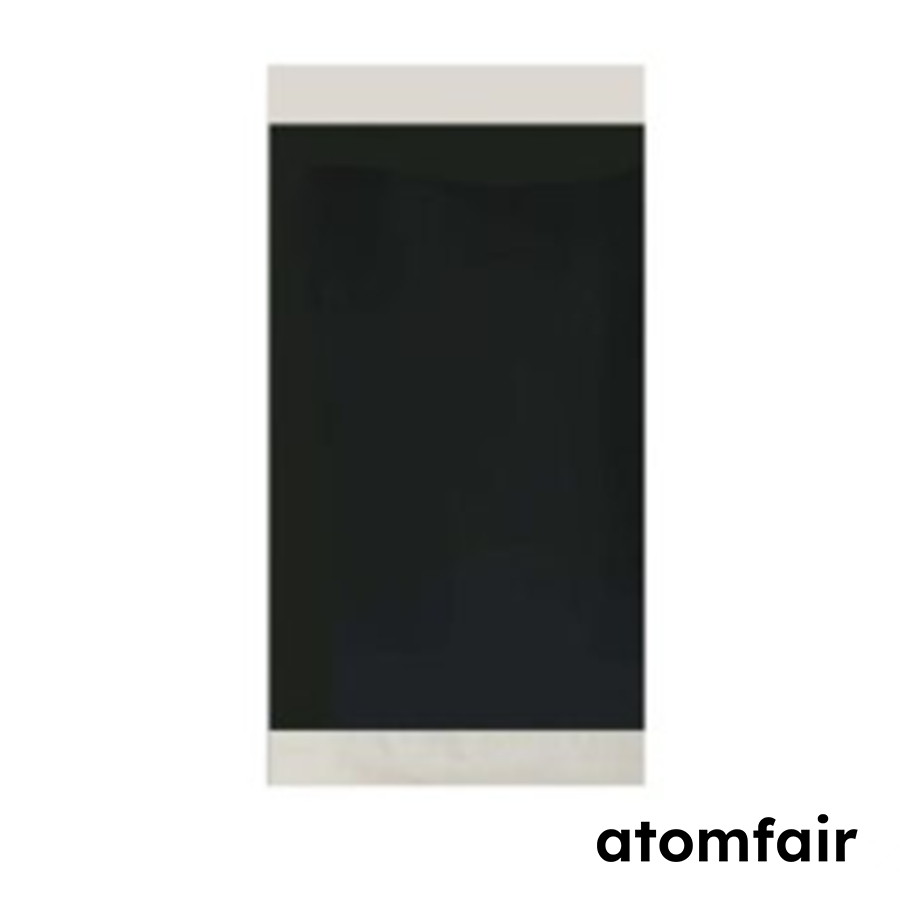
This electrode sheet requires vacuum drying at 100°C for 12 hours to remove residual solvent from the wet coating process. The single-side coated aluminum current collector must be handled with care to prevent coating damage during cell assembly.
- Vacuum Drying Requirement: The electrode must be dried under vacuum at 100°C for 12 hours prior to use to eliminate residual solvent and ensure electrochemical performance.
How is the electrode sheet baking time determined?
It is 12 hours under vacuum baking at 100°C.
How does the 8 mg/cm² areal density impact the rate capability and cycle life compared to lower loadings?
Higher areal density (8 mg/cm²) increases active material per area, boosting energy density but increasing ion diffusion length and resistance, which can reduce rate capability. The 93% active material ratio helps mitigate this, but cycle life may be affected at high C-rates due to increased mechanical stress.
Is this NVP electrode suitable for use in a full-cell configuration with a hard carbon anode?
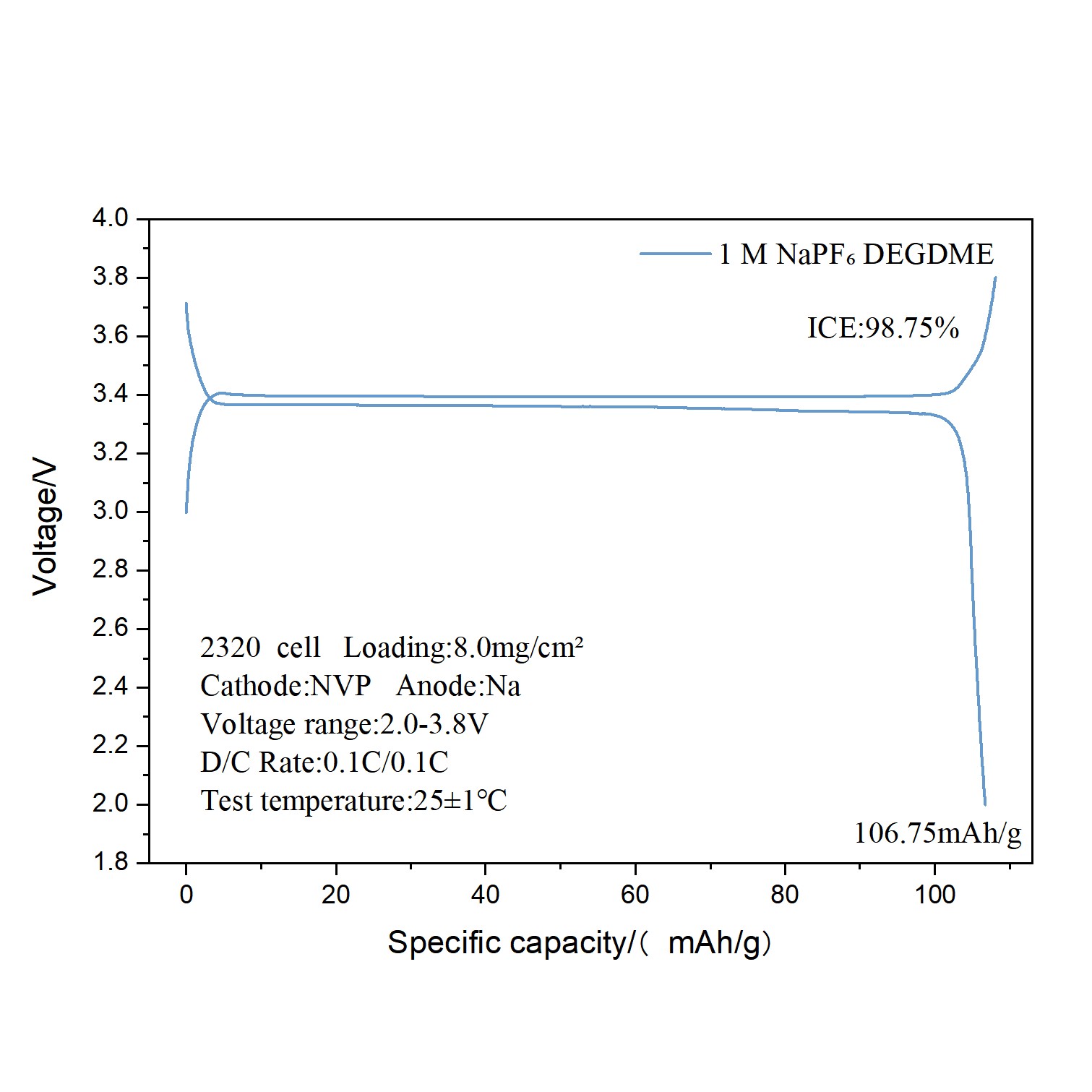
This NVP cathode is designed for sodium-ion battery R&D and is compatible with hard carbon anodes. The wet coating process and aluminum current collector are appropriate for typical NVP voltage operation (3.4 V vs Na/Na+). However, the anode to cathode capacity ratio must be balanced, and the electrolyte formulation should be optimized for both electrodes.
This NVP electrode sheet provides a consistent 8 mg/cm² areal density with 93% active material ratio via wet coating, making it suitable for sodium-ion battery R&D; however, it necessitates a 12-hour vacuum bake at 100°C and is supplied as single-side coated aluminum foil.
Positive
- High active material ratio: 93% active material loading ensures efficient electrochemical performance analysis with minimal binder and conductive additive interference.
- Consistent areal density via wet coating: Precise wet process yields a uniform 8 mg/cm² coating, enabling reproducible test conditions and reliable material comparisons.
Trade-offs
- Extended vacuum baking required: The electrode must be baked under vacuum at 100°C for 12 hours prior to use, adding significant preparation time to experimental workflows.
- Single-side coated format: The active material is applied only to one side of the aluminum foil, which may restrict electrode stacking or cell configurations for certain coin or pouch cell designs.
Every advanced material, component, equipment, and instrument in our catalog is backed by rigorous testing. We maintain strict internal quality management frameworks and align with CE conformity metrics to deliver transparent, reproducible performance data via our public open-science repository.
To request raw batch performance data, submit formal vendor registration paperwork, or execute a fast-turnaround R&D manufacturing loop, contact us at inquiry@atomfair.com.
Item is dispatched under the Atomfair Shipping & Delivery Framework (Free worldwide shipping on orders over $59 USD excl. heavy equipment). Return is governed by the Atomfair Return & Refund Policy (7-day technical return window).