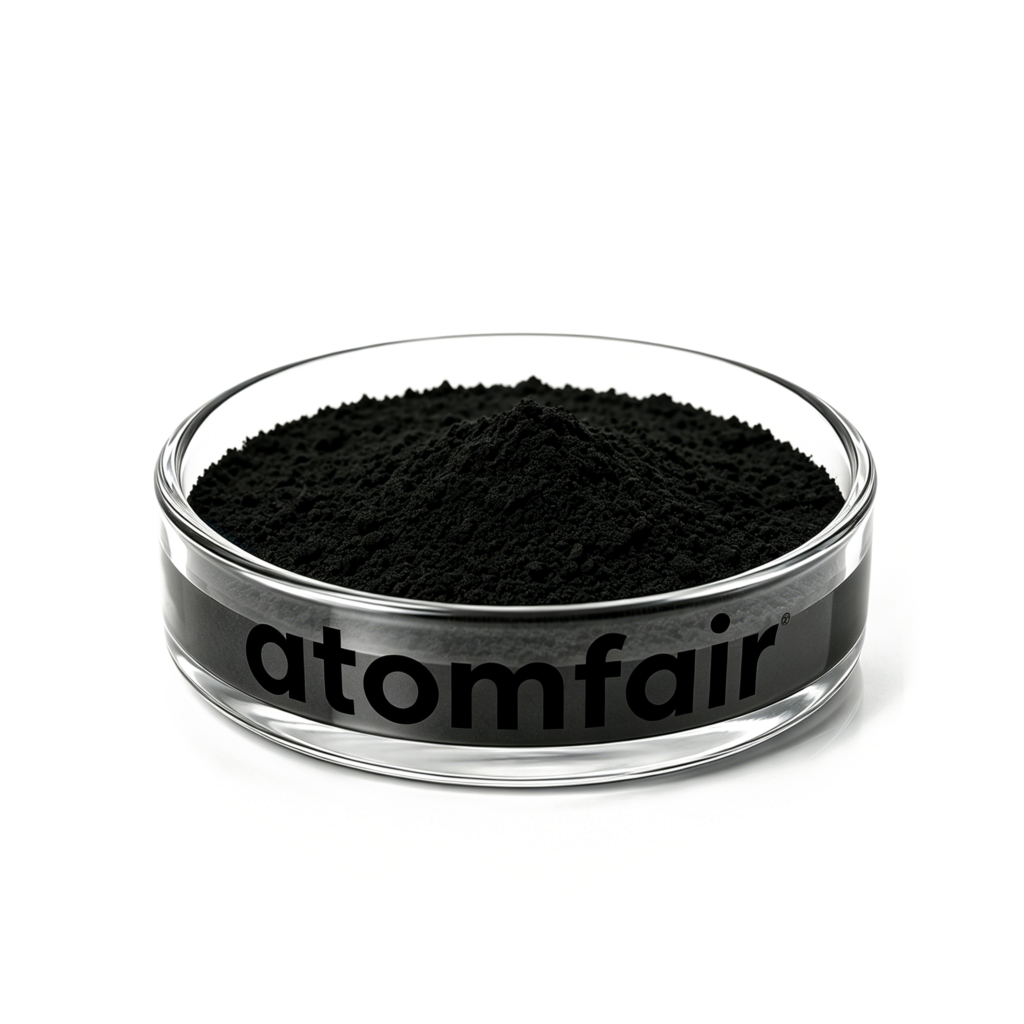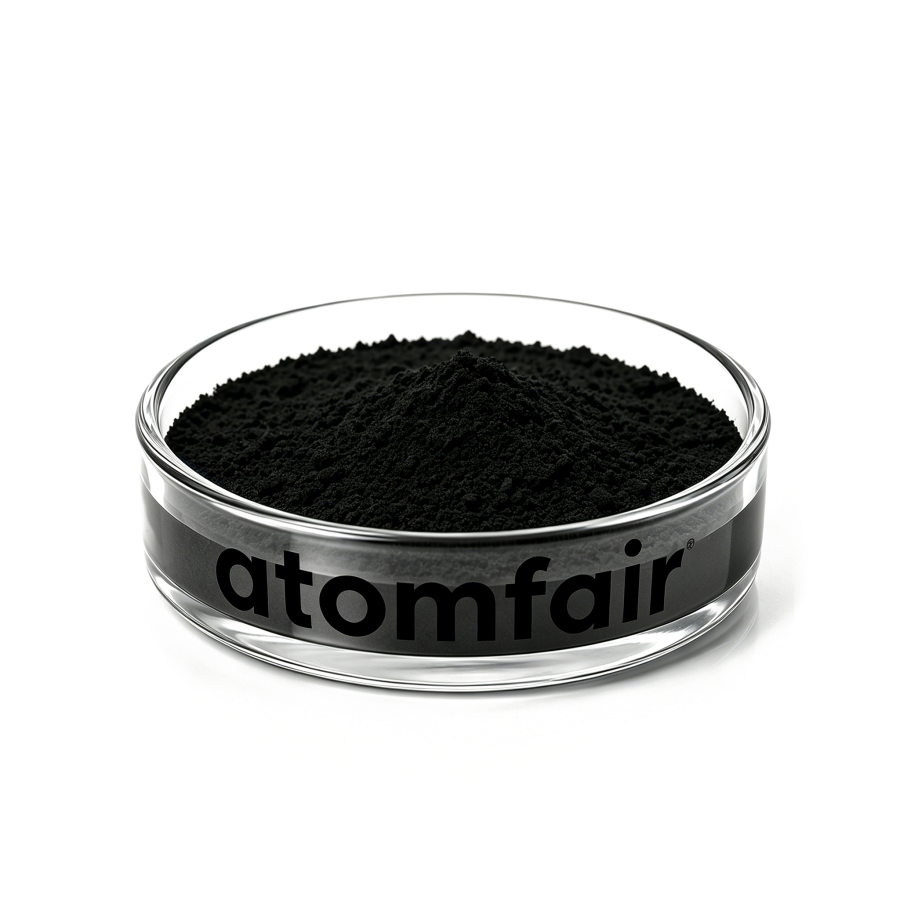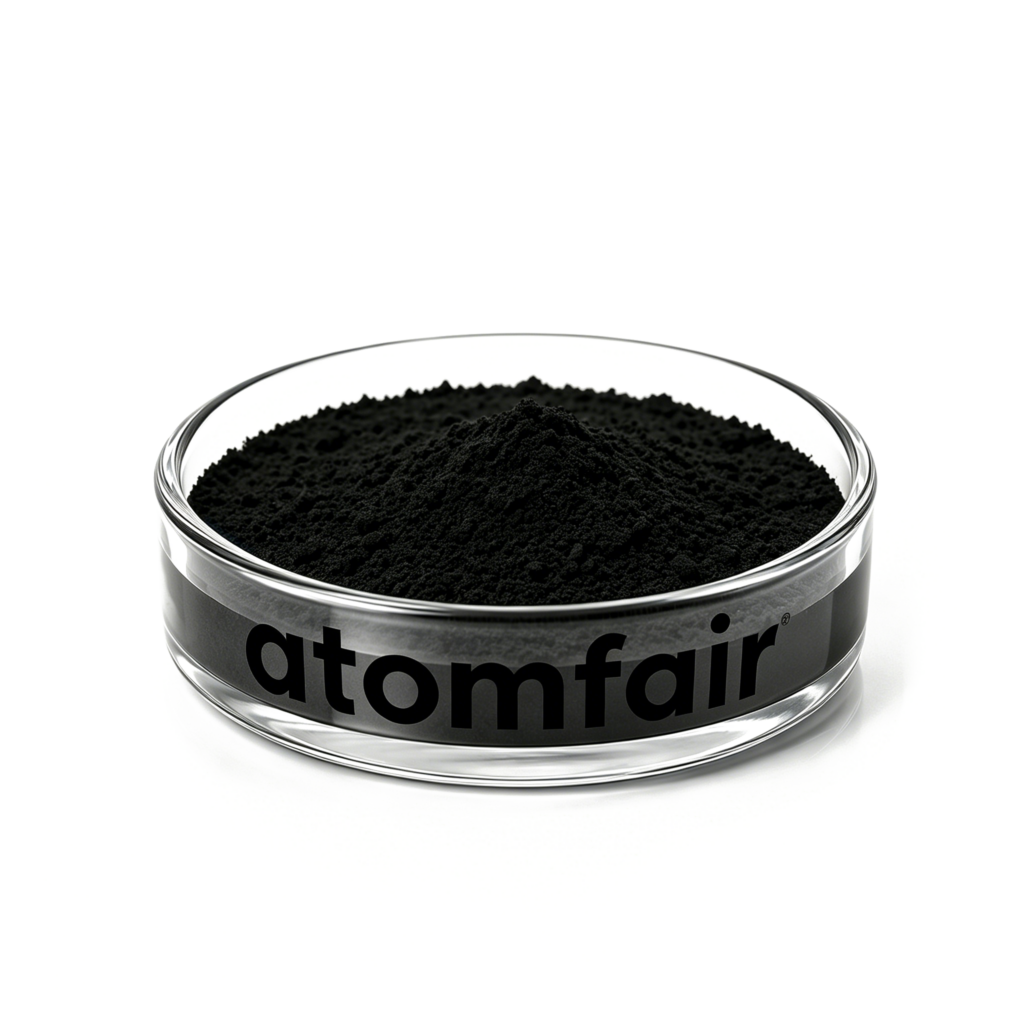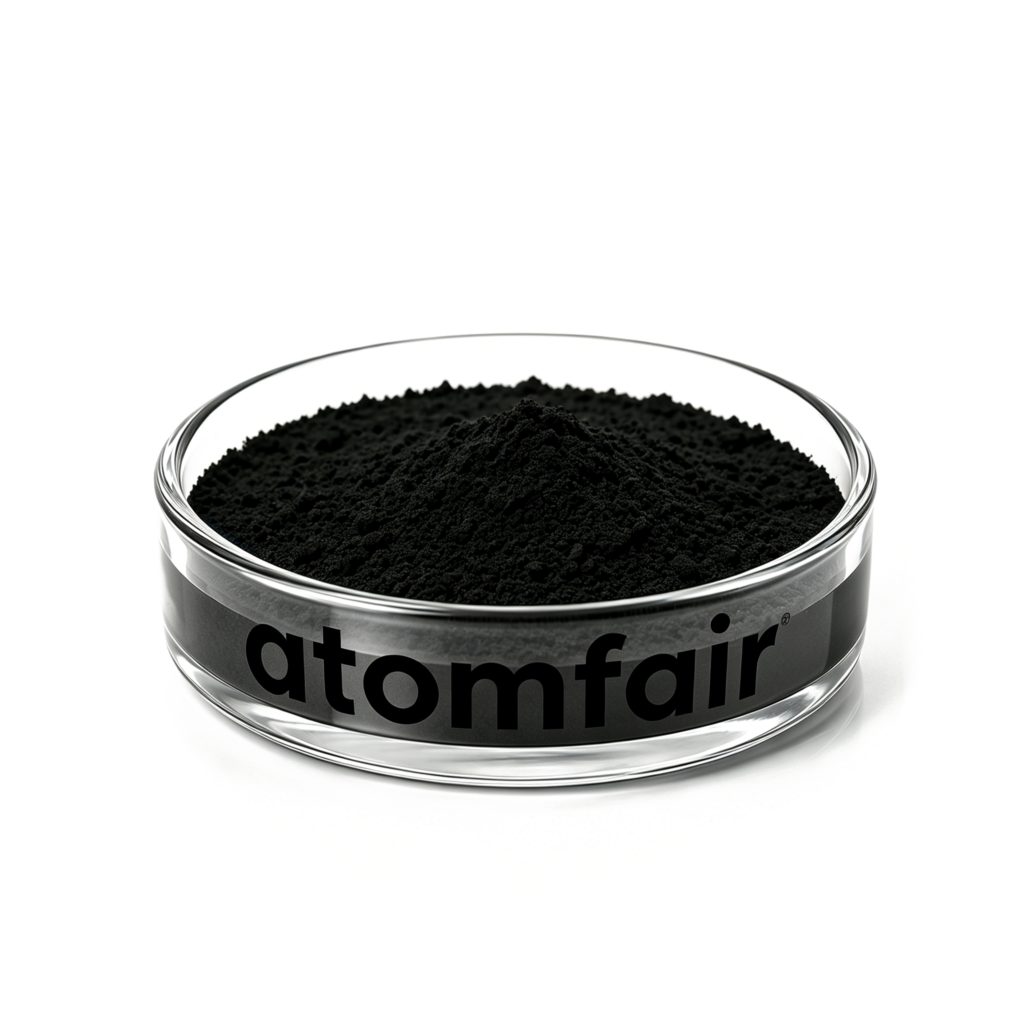
ATOMFAIR® SWCNTS CARBON NANOTUBESRESEARCH GRADE MATERIAL
|
||||||||||||||||||||||||||||||||||
|
||||||||||||||||||||||||||||||||||
|
|||
|
TAILORED SOLUTIONS FOR RESEARCH
Contact our engineering team for technical support or official institutional quotations.
EMAIL: inquiry@atomfair.com
|
|||
|
Manufacturer: Atomfair LLC
Brand: ATOMFAIR®
|
The bent morphology requires optimized matrix blending conditions to achieve uniform dispersion in composite formulations. Handling in controlled environments is necessary to prevent agglomeration of the high-surface-area nanoparticles.
- Dispersion Guidance: Calibrate blending parameters such as solvent choice, surfactant type, and sonication energy to the bent morphology to avoid bundle formation.
How does the 15% metal impurity level in ATOMFAIR SWCNTs affect their electrical conductivity for composite applications?
The presence of <15% metal impurities, primarily residual catalyst particles, can introduce dopant states and scattering centers that reduce intrinsic electrical conductivity compared to ultra-high purity SWCNTs. With >85% carbon purity, these nanotubes offer a cost-effective balance for conductive composite formulations where moderate conductivity is acceptable, but for applications requiring maximum conductivity (e.g., transparent conductive films), higher purity grades should be specified.
What matrix materials are compatible with the bent morphology and high surface area (>300 m²/g) of these SWCNTs for uniform dispersion?
The bent morphology and specific surface area exceeding 300 m²/g enable strong interfacial interactions with polar polymers like epoxy, polyurethane, and polyamide, as well as with non-polar solvents such as toluene or NMP. However, the ultra-fine 1–2 nm diameter and 6 μm length require optimized sonication or high-shear mixing protocols to prevent reaggregation, and compatibility with high-crystallinity or viscous matrices may be limited without surface functionalization.
What safety precautions are required when handling SWCNTs with bulk density as low as 0.02 g/cm³?
The extremely low bulk density (0.02–0.1 g/cm³) makes these SWCNTs highly respirable and prone to airborne dispersion, necessitating handling in a certified fume hood or glovebox with HEPA filtration. Operators must wear N95 or higher respirators, nitrile gloves, and lab coats, and all equipment should be grounded to mitigate static discharge, which can cause ignition of fine powders or electrostatic loss of material.
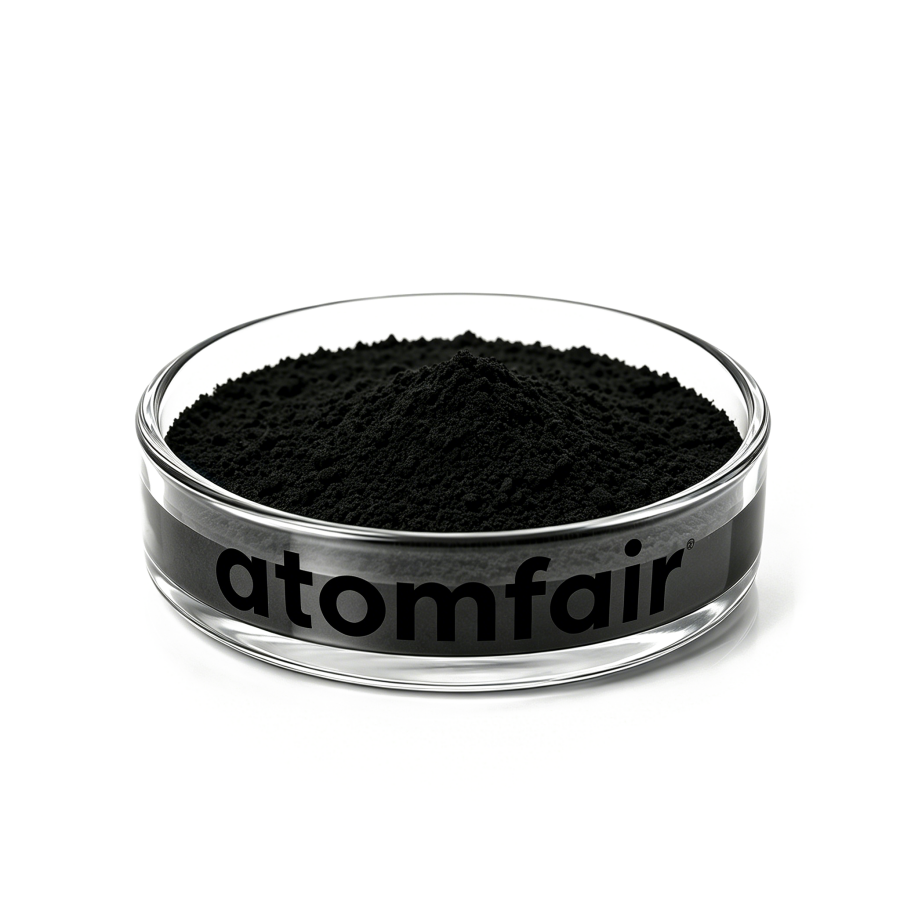
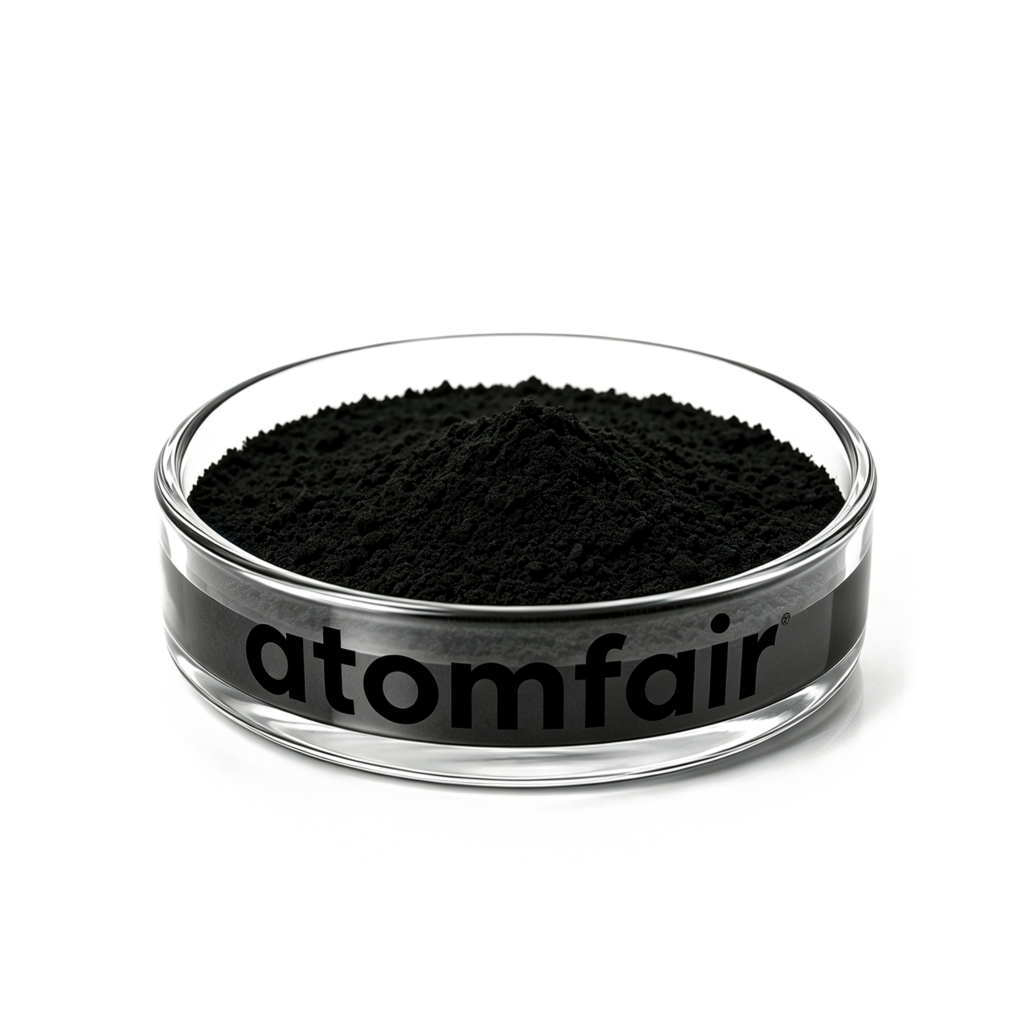
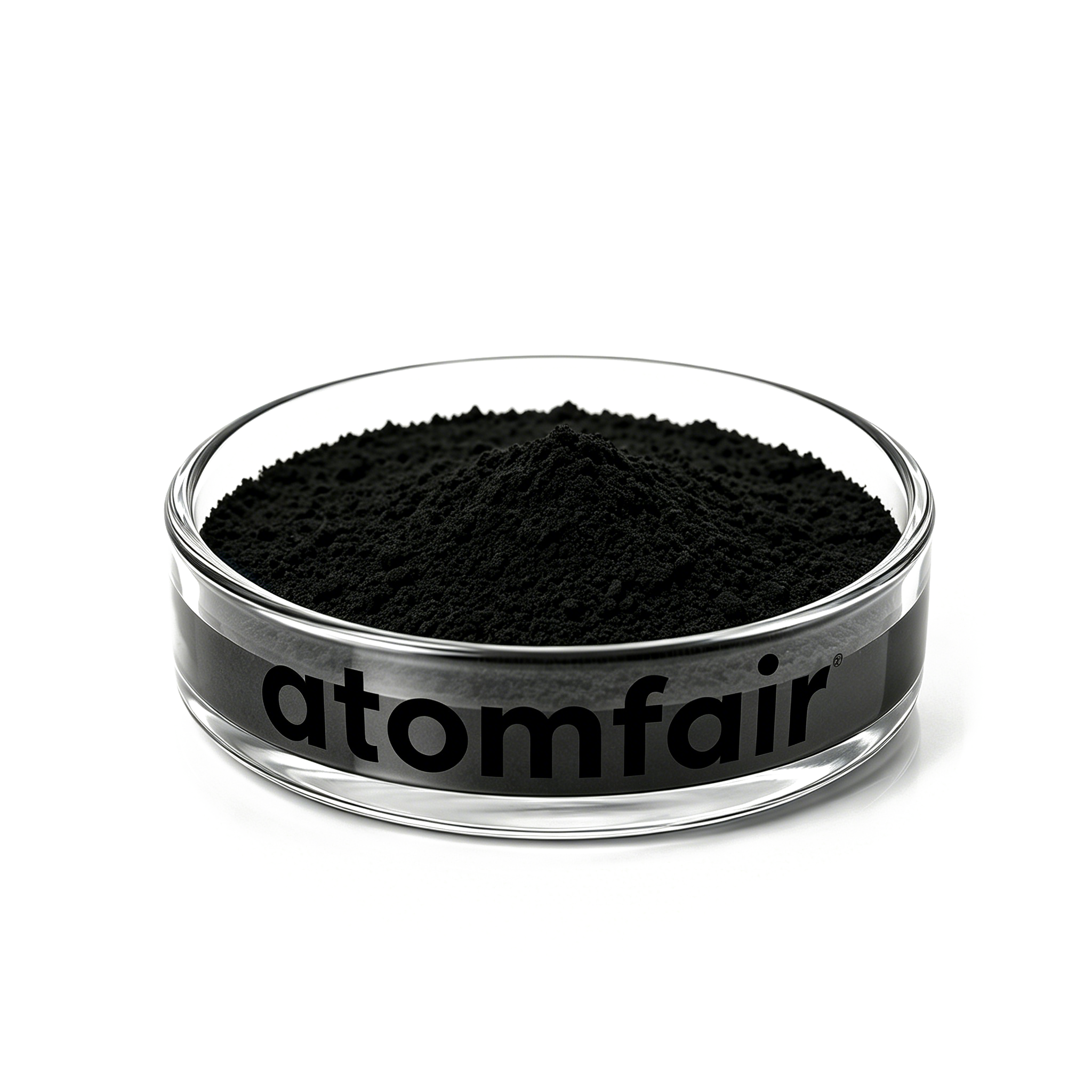
This single-wall carbon nanotube powder offers a 1–2 nm diameter and >300 m²/g specific surface area for high-surface-energy composite and electroanalytical research, though its low bulk density (0.02–0.1 g/cm³) and up to 15% metal impurities introduce handling and purity constraints.
Positive
- Ultra-fine single-wall diameter: The 1–2 nm diameter maximizes localized molecular network dynamics, enabling advanced interactions in composite and thin-film matrices.
- Extremely high specific surface area: A surface area exceeding 300 m²/g provides exceptional host–guest interaction capacity for electroanalytical and reinforcement applications.
Trade-offs
- Low bulk density handling challenge: Bulk density of 0.02–0.1 g/cm³ indicates a lightweight, fluffy powder prone to airborne dispersion and requiring careful containment and anti-static handling.
- Significant metal impurity content: Metal impurities up to 15% (purity >85%) may interfere with electronic or catalytic performance in high-purity research applications.
Every advanced material, component, equipment, and instrument in our catalog is backed by rigorous testing. We maintain strict internal quality management frameworks and align with CE conformity metrics to deliver transparent, reproducible performance data via our public open-science repository.
To request raw batch performance data, submit formal vendor registration paperwork, or execute a fast-turnaround R&D manufacturing loop, contact us at inquiry@atomfair.com.
Item is dispatched under the Atomfair Shipping & Delivery Framework (Free worldwide shipping on orders over $59 USD excl. heavy equipment). Return is governed by the Atomfair Return & Refund Policy (7-day technical return window).