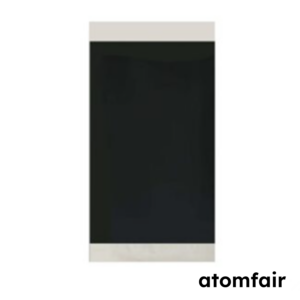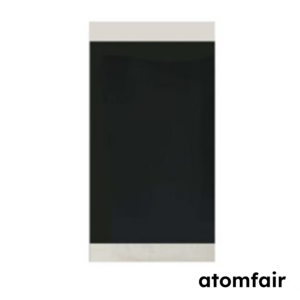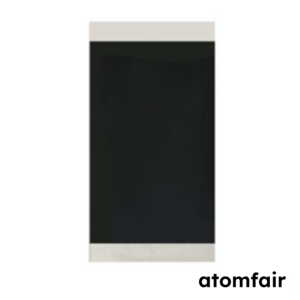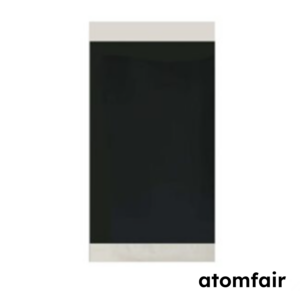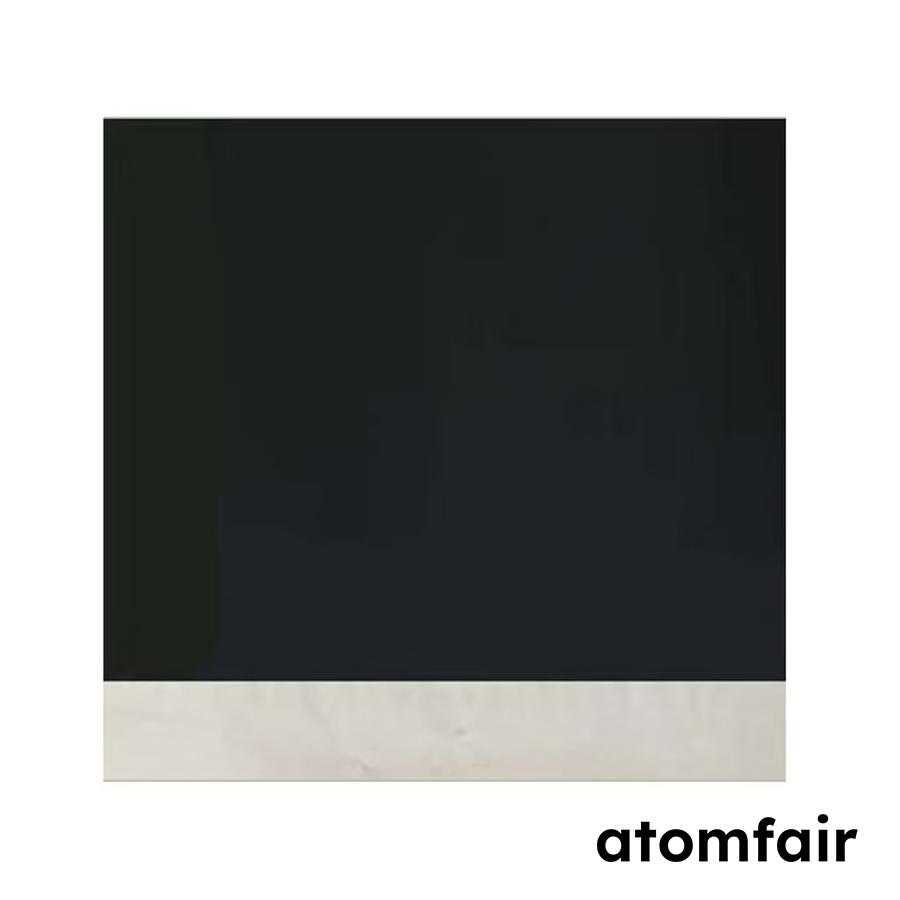
ATOMFAIR® NVP-D03 SODIUM VANADIUM PHOSPHATE (NVP) ELECTRODE SHEETRESEARCH GRADE MATERIAL
|
|||||||||||||||||||||||||||||||||||||||||||||||||
|
|||||||||||||||||||||||||||||||||||||||||||||||||
|
TAILORED SOLUTIONS FOR RESEARCH
If you’re interested, have any questions, or have specific customization requirements, please feel free to contact us.
EMAIL: INQUIRY@ATOMFAIR.COM
|
|||||||||||||||||||||||||||||||||||||||||||||||||
|
Manufacturer: Atomfair LLC
Brand: ATOMFAIR®
|
|||||||||||||||||||||||||||||||||||||||||||||||||
This electrode sheet requires storage in a dry, inert atmosphere to prevent moisture-induced degradation. Processing should occur in an argon-filled glovebox with oxygen and moisture levels below 0.1 ppm.
- Moisture Sensitivity: Exposure to ambient humidity can cause structural degradation of the NVP coating and compromise electrochemical performance.
How does the high areal loading of 58.2 mg/cm² and active material ratio of 94.5% affect the electrode's rate capability and cycle life?
The NVP-D03 electrode is specified with a specific capacity of 110 mAh/g at a compaction density of 1.5 g/cm³. The dry process and high active material loading may restrict electrolyte wetting and increase resistance at high rates, but no specific rate or cycle life data is provided in the specifications. Performance trade-offs must be evaluated under target test conditions.
Can the NVP-D03 double-side coated electrode be used directly in sodium-ion pouch cells without additional calendaring?
The electrode is supplied with a compaction density of 1.5 g/cm³, indicating it is already compressed to target density and can be used directly. The substrate thickness tolerance of ±0.5 μm on the 12 μm carbon-coated aluminum foil should be accounted for in cell stacking alignment. Customization of coating thickness and substrate dimensions is available to match specific assembly requirements.
What drying protocol is specified for the NVP-D03 electrode before cell assembly?
The electrode sheet requires vacuum baking at 100°C for 12 hours to remove residual moisture prior to use. This step is essential to prevent water contamination in sodium-ion cells, as stated in the product documentation.
The NVP-D03 electrode sheet provides a high areal loading of 58.2 mg/cm² with 94.5% active material via a dry coating process, enabling high-energy-density sodium-ion battery evaluations. However, it requires strict 12-hour vacuum baking at 100°C and the 12 μm aluminum foil substrate carries a ±0.5 μm thickness tolerance that may affect handling consistency.
Positive
- High areal loading and active ratio: Double-sided coating at 58.2 mg/cm² with 94.5% active material ratio delivers high electrode loading for realistic energy density assessments in sodium-ion coin or pouch cells.
- Dry coating process: Solvent-free dry process eliminates slurry preparation and drying steps, reducing processing complexity and environmental overhead in laboratory electrode fabrication.
Trade-offs
- Required vacuum baking protocol: Sheets must be vacuum-baked at 100°C for 12 hours prior to use, demanding a vacuum oven and careful scheduling to avoid delays.
- Substrate thickness tolerance: Aluminum foil thickness is specified as 12 μm with ±0.5 μm tolerance, which can introduce variability in electrode alignment and manual handling.
Every advanced material, component, equipment, and instrument in our catalog is backed by rigorous testing. We maintain strict internal quality management frameworks and align with CE conformity metrics to deliver transparent, reproducible performance data via our public open-science repository.
To request raw batch performance data, submit formal vendor registration paperwork, or execute a fast-turnaround R&D manufacturing loop, contact us at inquiry@atomfair.com.
Item is dispatched under the Atomfair Shipping & Delivery Framework (Free worldwide shipping on orders over $59 USD excl. heavy equipment). Return is governed by the Atomfair Return & Refund Policy (7-day technical return window).