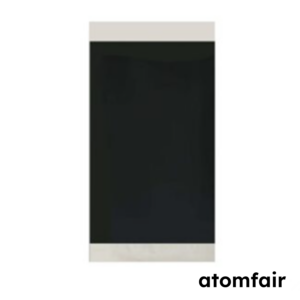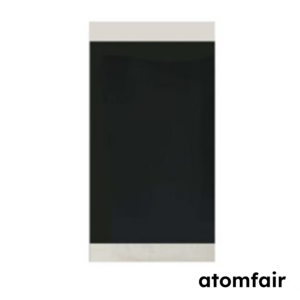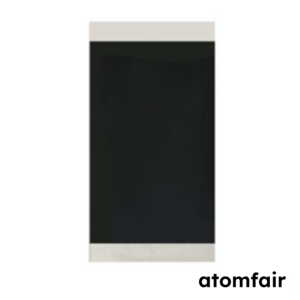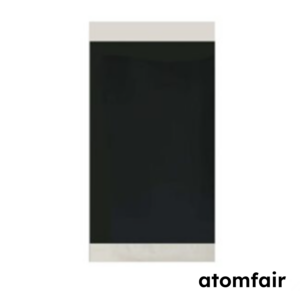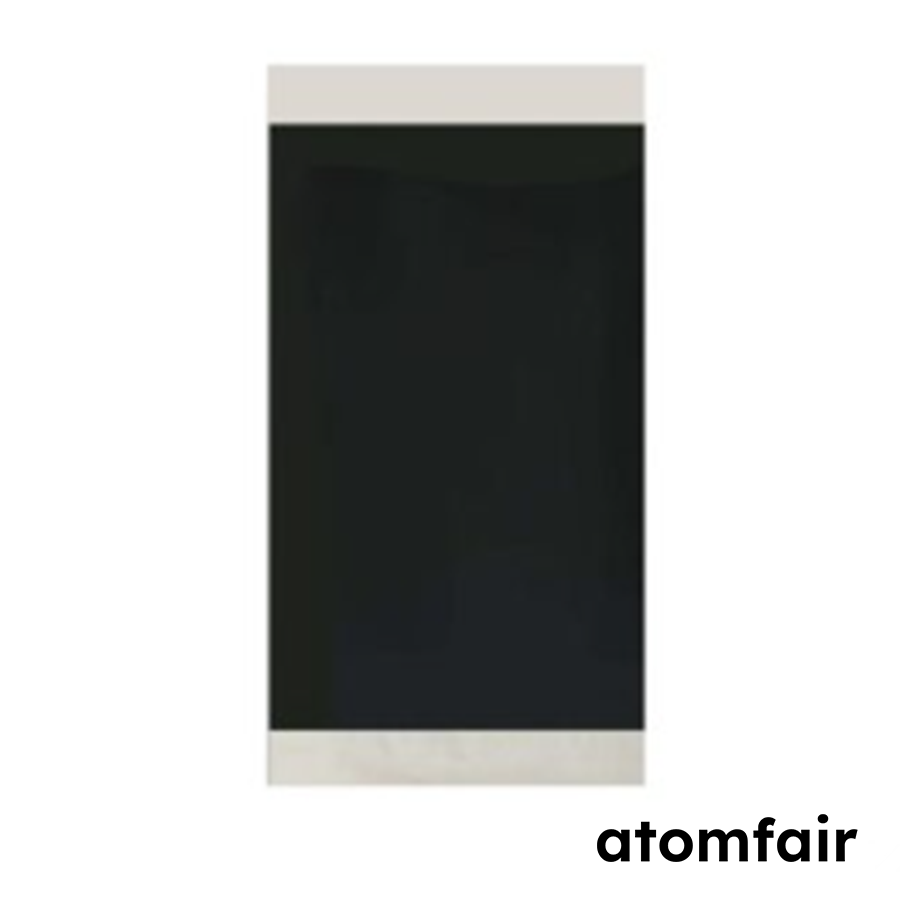
ATOMFAIR® NFPP-S05 SODIUM IRON PHOSPHATE PYROPHOSPHATE (NFPP) ELECTRODE SHEETRESEARCH GRADE MATERIAL
|
||||||||||||||||||||||||||||||||||||||||||||||
|
||||||||||||||||||||||||||||||||||||||||||||||
|
|||
|
TAILORED SOLUTIONS FOR RESEARCH
Contact our engineering team for technical support or official institutional quotations.
EMAIL: inquiry@atomfair.com
|
|||
|
Manufacturer: ATOMFAIR LLC
Brand: ATOMFAIR®
|
Store the electrode sheet in a dry, inert atmosphere to prevent moisture-induced degradation and oxidation. Handle with clean, non-abrasive tools to avoid mechanical damage and contamination.
- Moisture Sensitivity: Exposure to ambient humidity can degrade the active material and reduce electrochemical performance.
- Mechanical Integrity: Avoid bending or creasing the sheet to prevent cracking of the coating or delamination from the substrate.
These steps outline the safe handling and preparation of the single-side coated NFPP electrode for electrochemical testing. Proper sequence minimizes contamination and ensures reliable data.
Required Equipment: Clean die-cutter or scissors, Argon-filled glovebox, Vacuum oven
- Inspect
Inspect the electrode sheet for visible defects such as pinholes, scratches, or edge damage. - Cut
Cut the electrode sheet to the desired dimensions using a clean, dry die-cutter or precision scissors. - Transfer
Transfer the cut electrode promptly to an argon-filled glovebox with controlled moisture and oxygen levels. - Dry
Vacuum dry the electrode at an elevated temperature to remove residual moisture and solvents. - Assemble
Assemble the coin cell using the dried NFPP electrode as the cathode, a sodium metal anode, and compatible electrolyte.
How does the 94.5% active material ratio in this NFPP electrode balance capacity against mechanical cohesion during cycling?
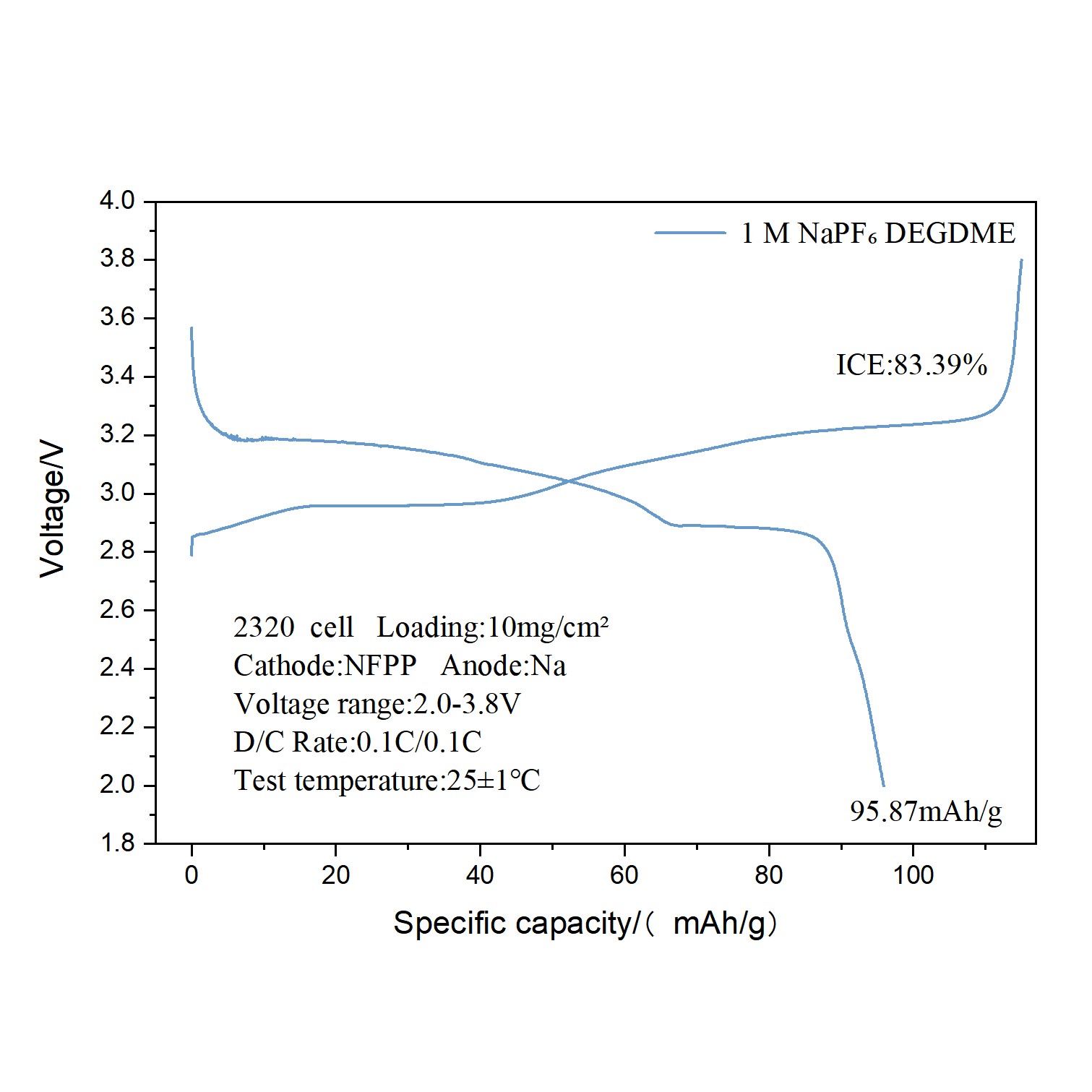
The 94.5% active material ratio maximizes the practical specific capacity of 95 mAh/g by minimizing inactive binder and conductive additives. However, the low binder content could compromise mechanical cohesion, but the wet process and carbon-coated aluminum foil substrate provide sufficient adhesion for laboratory testing. The compaction density of 1.33 g/cm³ further balances particle contact without requiring excessive calendering.
Can this single-side coated NFPP electrode on carbon-coated aluminum foil be directly used in standard sodium-ion coin cell assemblies?
Yes, this electrode is designed for standard coin cell testing. The carbon-coated aluminum foil current collector with 12 ±0.5 μm thickness ensures low contact resistance and compatibility with typical cell housings. The single-side coating requires careful orientation: the coated side facing the separator and the bare foil side contacting the current collector.
What is the recommended vacuum baking protocol for these NFPP electrode sheets before use in a glovebox or cell assembly?
The electrode sheets must be vacuum baked at 100°C for exactly 12 hours to remove adsorbed moisture. This protocol is explicitly specified to ensure optimal electrochemical performance and prevent degradation during sodium-ion cell assembly. Baking should be performed in a vacuum oven without air exposure afterward.
This NFPP-S05 electrode sheet delivers a high active material ratio of 94.5% and a consistent single-sided coating on carbon-coated aluminum foil, making it well-suited for sodium-ion battery R&D and electrochemical performance analysis. However, it necessitates a 12-hour vacuum bake at 100°C prior to use, which requires dedicated oven infrastructure and scheduling.
Positive
- High active material loading: An active material ratio of 94.5% minimizes binder and conductive additive content, maximizing gravimetric capacity and enabling more accurate electrochemical evaluation of the NFPP cathode.
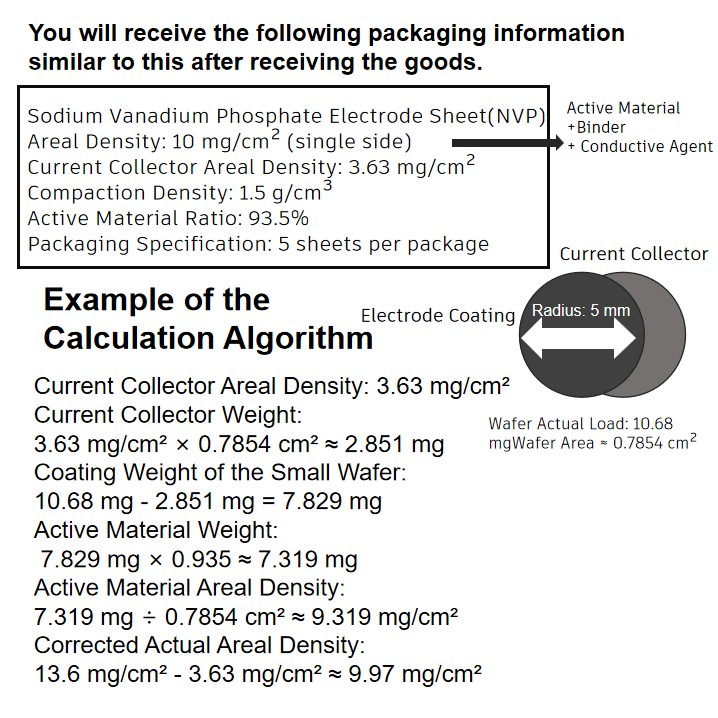
- Consistent single-side coating architecture: Single-side wet coating on carbon-coated aluminum foil provides a well-defined electrode geometry (152×110 mm) with uniform 10 mg/cm² loading, ideal for reproducible half-cell and full-cell testing.
Trade-offs
- Required vacuum bake at 100°C: The electrode sheet must be vacuum-baked at 100°C for 12 hours before use to remove residual solvent and moisture, demanding a vacuum oven and careful scheduling in a typical lab workflow.
- Single-side coating limits areal capacity: Single-sided coating restricts the total active material per unit area compared to double-sided designs, potentially reducing cell-level energy density in devices that could accommodate two-sided electrodes.
Every advanced material, component, equipment, and instrument in our catalog is backed by rigorous testing. We maintain strict internal quality management frameworks and align with CE conformity metrics to deliver transparent, reproducible performance data via our public open-science repository.
To request raw batch performance data, submit formal vendor registration paperwork, or execute a fast-turnaround R&D manufacturing loop, contact us at inquiry@atomfair.com.
Item is dispatched under the Atomfair Shipping & Delivery Framework (Free worldwide shipping on orders over $59 USD excl. heavy equipment). Return is governed by the Atomfair Return & Refund Policy (7-day technical return window).