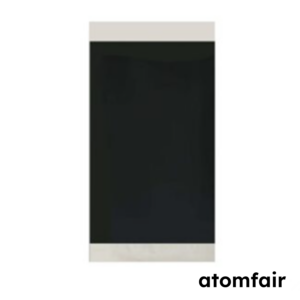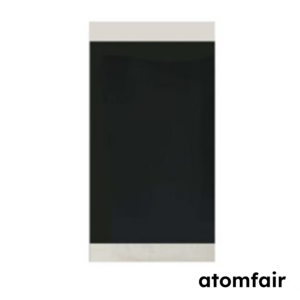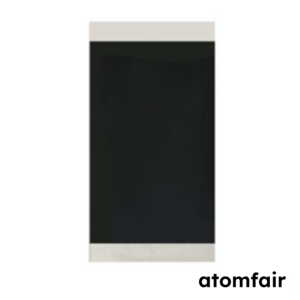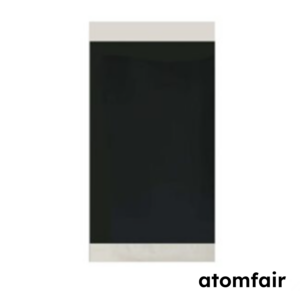
ATOMFAIR® SODIUM NICKEL IRON MANGANESE OXIDE (NFM111) CATHODE SHEETRESEARCH GRADE MATERIAL
|
||||||||||||||||||||||||||||
|
||||||||||||||||||||||||||||
|
|||
|
TAILORED SOLUTIONS FOR RESEARCH
Contact our engineering team for technical support or official institutional quotations.
EMAIL: inquiry@atomfair.com
|
|||
|
Manufacturer: ATOMFAIR LLC
Brand: ATOMFAIR®
Disclaimer: Sold exclusively for laboratory research.
|
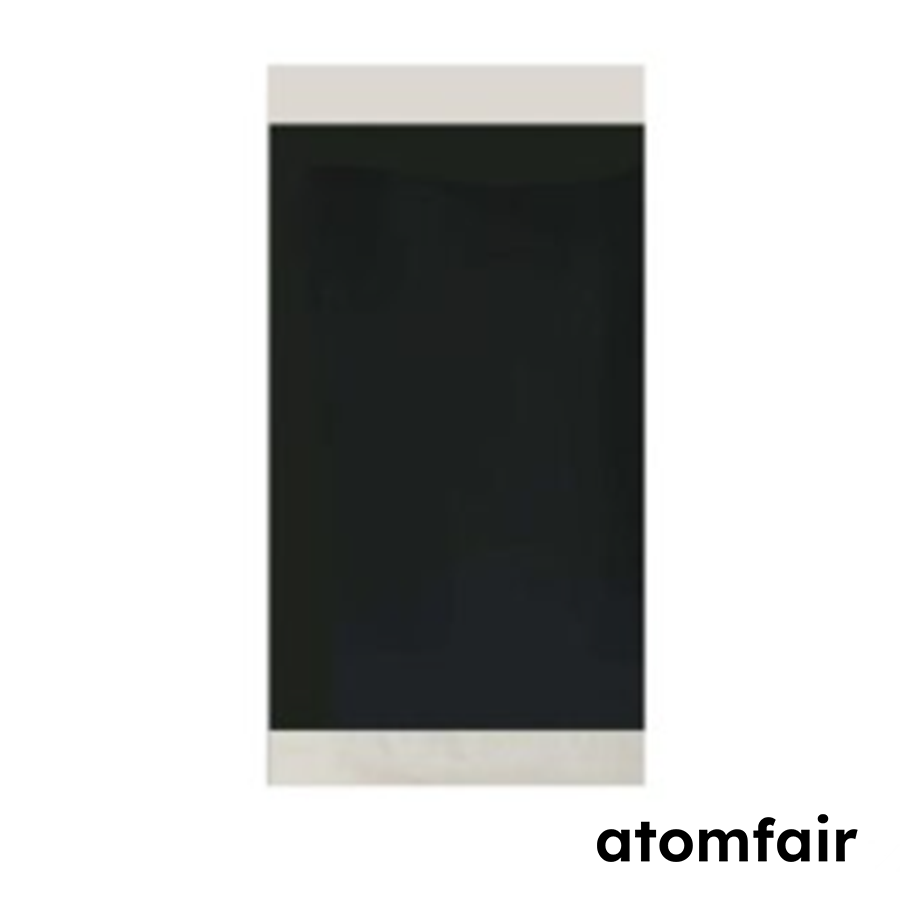
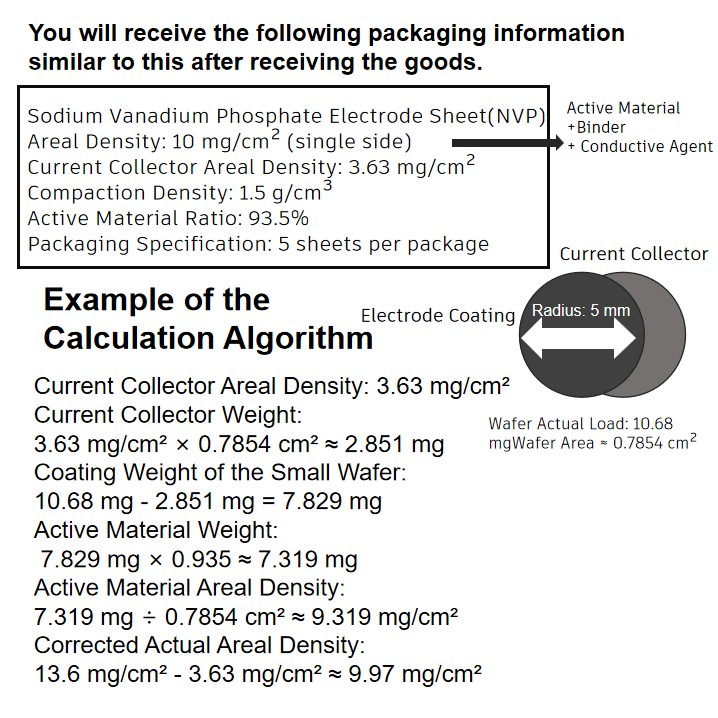
The cathode sheet has a defined uncoated tab area that must be used for current collector welding. The double-side coating design requires careful assembly alignment for both stacked and wound cell configurations.
- Tab Welding Processing: The uncoated tab area must be precisely welded to the current collector for electrical connection.
How does the 95.3% active material loading ratio in the NFM111 cathode sheet influence the trade-off between specific capacity and mechanical stability?
The high active material ratio of 95.3% in the dry coating maximizes specific capacity and energy density, but reduces the relative fraction of binder and conductive additives, which can compromise electrode adhesion and mechanical integrity during repeated cycling. The carbon-coated aluminum foil substrate mitigates this by enhancing conductivity and adhesion at the interface, maintaining reliable performance.
Can the NFM111 cathode sheet be directly integrated into both stacked and wound sodium-ion cell configurations without further modification?
Yes, the cathode sheet is designed with a well-defined uncoated tab area that facilitates easy welding for both stacked and wound cell configurations. The carbon-coated aluminum foil substrate ensures low interfacial resistance and good adhesion, making it process-ready for standard manufacturing lines.
What are the mandatory drying and handling requirements for the NFM111 cathode sheet prior to cell assembly?
The cathode sheet must be vacuum dried at 120°C for at least 12 hours to remove adsorbed moisture before use. All welding operations must be performed exclusively on the uncoated tab area, and assembly steps should be carried out in a dry room or argon-filled glove box to prevent moisture and oxygen contamination.
This NFM111 double-side cathode sheet on carbon-coated aluminum foil delivers a high active material ratio of 95.3% and strict areal density control, making it suitable for sodium-ion battery R&D and prototyping. However, it requires vacuum drying at 120°C for ≥12 hours and assembly in a dry room or glove box, adding preprocessing steps and environmental constraints.
Positive
- Pre-coated carbon interface: The carbon-coated aluminum foil substrate enhances electrical conductivity and adhesion of the active layer, improving electrode integrity and rate performance.
- High active material loading: With 95.3% NFM111 in the dry coating and optimized specific capacity, the sheet supports high energy density in sodium-ion cells.
Trade-offs
- Mandatory vacuum drying step: The cathode sheet must be vacuum dried at 120°C for at least 12 hours before use to remove moisture, adding time and equipment requirements to the cell assembly workflow.
- Controlled atmosphere assembly needed: Assembly in a dry room or glove box is recommended to prevent moisture exposure, which can degrade sodium-ion cathode performance and necessitate specialized infrastructure.
Every advanced material, component, equipment, and instrument in our catalog is backed by rigorous testing. We maintain strict internal quality management frameworks and align with CE conformity metrics to deliver transparent, reproducible performance data via our public open-science repository.
To request raw batch performance data, submit formal vendor registration paperwork, or execute a fast-turnaround R&D manufacturing loop, contact us at inquiry@atomfair.com.
Item is dispatched under the Atomfair Shipping & Delivery Framework (Free worldwide shipping on orders over $59 USD excl. heavy equipment). Return is governed by the Atomfair Return & Refund Policy (7-day technical return window).