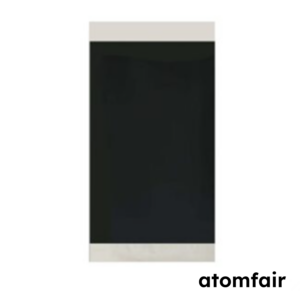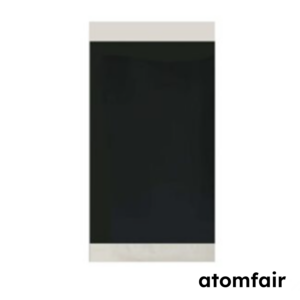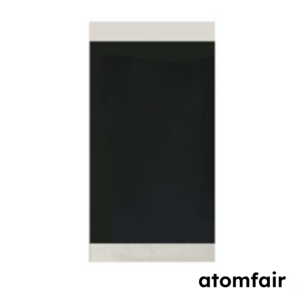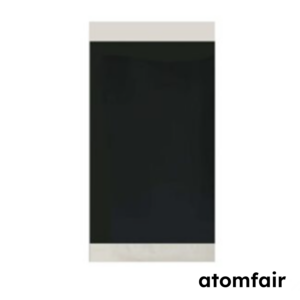
ATOMFAIR® HC-S01 HARD CARBON (HC) ELECTRODE SHEETRESEARCH GRADE MATERIAL
|
||||||||||||||||||||||||||||||||||||||||||||||
|
||||||||||||||||||||||||||||||||||||||||||||||
|
|||
|
TAILORED SOLUTIONS FOR RESEARCH
Contact our engineering team for technical support or official institutional quotations.
EMAIL: inquiry@atomfair.com
|
|||
|
Manufacturer: ATOMFAIR LLC
Brand: ATOMFAIR®
Disclaimer: Sold exclusively for laboratory research.
|
How does the compaction density of 0.91 g/cm³ influence the trade-off between rate capability and volumetric capacity for sodium-ion full cells?
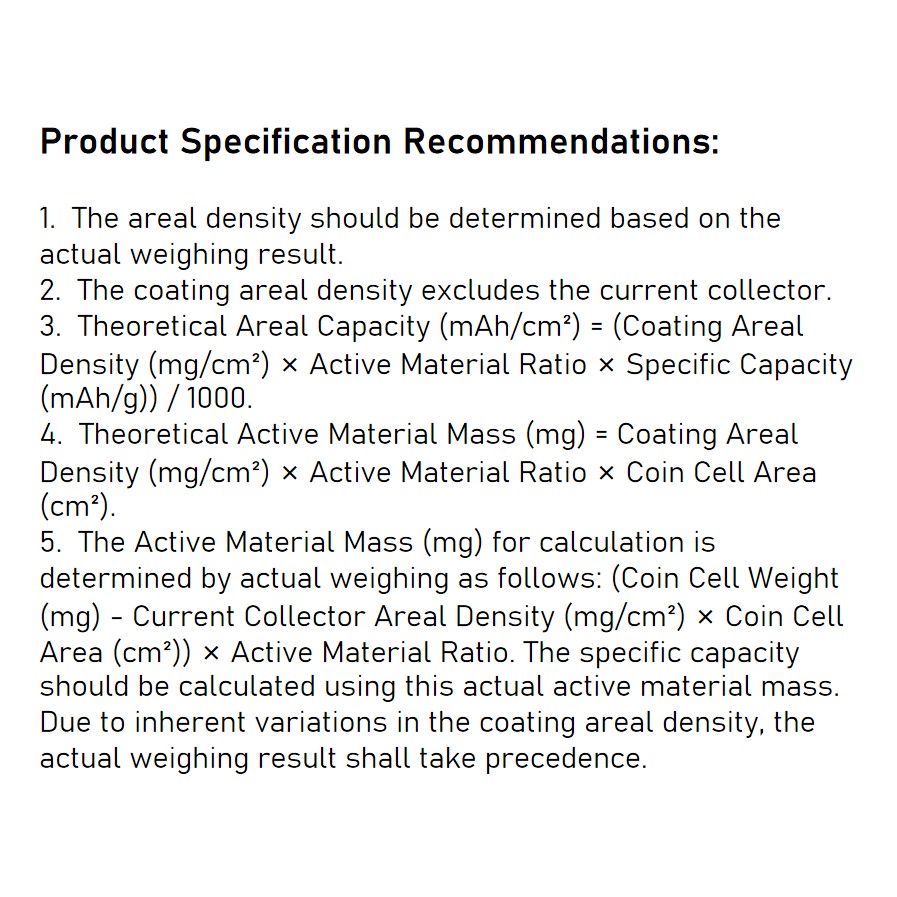
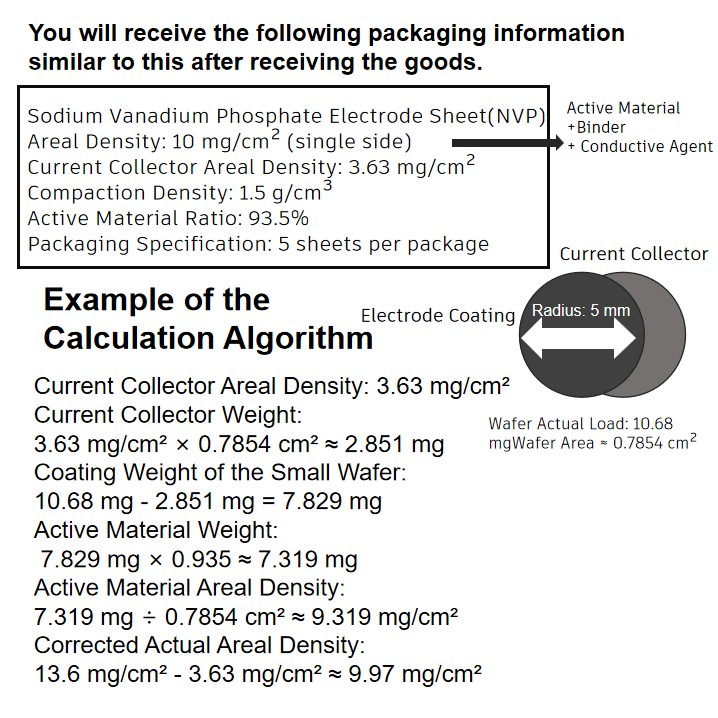
The low compaction density of 0.91 g/cm³ enhances electrolyte penetration and rate capability by maintaining a porous electrode structure, but it reduces volumetric energy density. At a coating density of 5 mg/cm² and a capacity of 300 mAh/g, the areal capacity is 1.5 mAh/cm², reflecting this trade-off between high-rate performance and packed energy storage.
Is this hard carbon anode compatible with standard sodium-ion electrolytes such as 1 M NaPF6 in EC/DEC, or does the carbon-coated aluminum substrate impose any electrolyte compatibility constraints?
Yes, this electrode is fully compatible with common sodium-ion electrolytes like NaPF6 in EC/DEC. The carbon-coated aluminum foil substrate prevents direct aluminum exposure, improving interfacial stability and adhesion without introducing electrolyte incompatibilities, as the carbon layer is chemically stable under typical cycling conditions.
How should these electrodes be stored and handled after opening the pack to preserve the vacuum-baked condition?
After opening, store the electrodes in an argon-filled glovebox (H2O and O2 < 0.1 ppm) and use within 24 hours to avoid moisture adsorption. The supplied electrodes were vacuum-baked at 100°C for 12 hours to remove residual solvents and moisture, and they are moisture-sensitive due to the porous hard carbon structure.
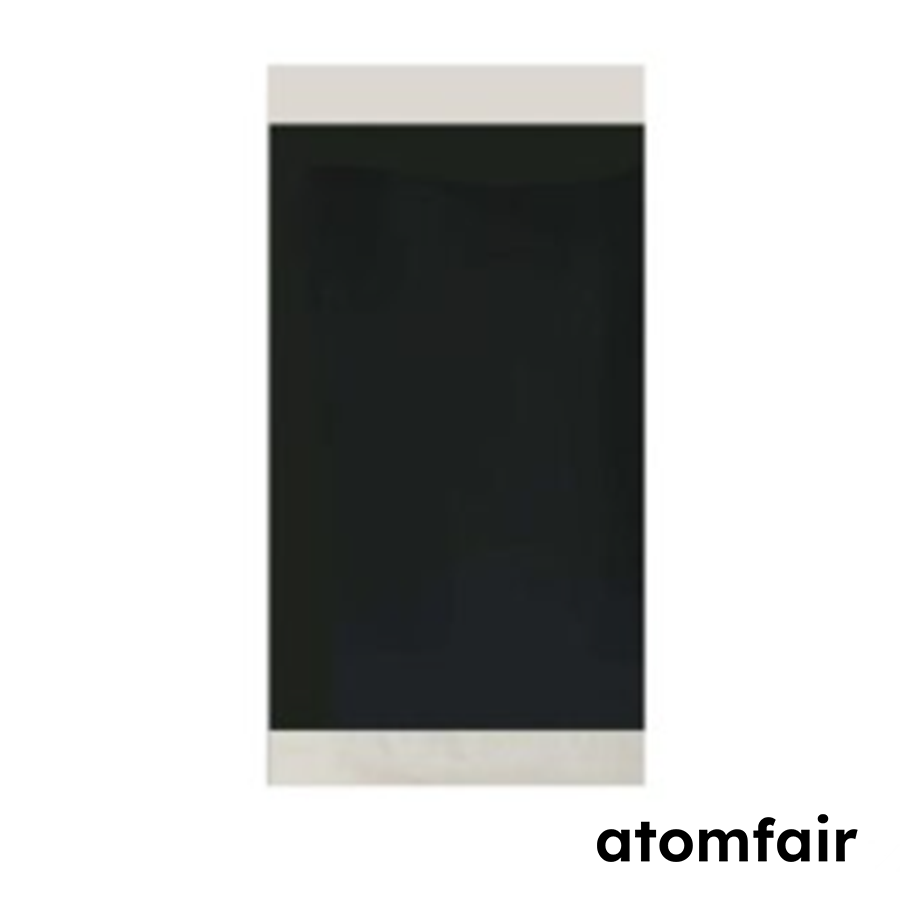
The HC-S01 Hard Carbon anode sheet offers a high active material ratio and carbon-coated aluminum substrate for improved adhesion, but its single-sided coating and research-only designation constrain its use to laboratory sodium-ion battery evaluation rather than production-scale deployment.
Positive
- High active material loading: With 94.50% active material ratio and 5 mg/cm² coating density, the electrode maximizes hard carbon content for efficient sodium-ion storage and consistent electrochemical testing.
- Carbon-coated current collector: The carbon-coated aluminum foil enhances adhesion between coating and substrate, reducing contact resistance and improving electrode durability under cycling.
Trade-offs
- Research-use only restriction: Sold exclusively for laboratory research, this product is not intended for pilot or production-scale battery manufacturing, limiting its applicability beyond R&D.
- Single-sided coating design: The single-sided coating on a fixed 152×110 mm footprint necessitates additional cell assembly steps (e.g., pairing with a counter electrode or cutting) for full-cell configurations, increasing preparation time.
Every advanced material, component, equipment, and instrument in our catalog is backed by rigorous testing. We maintain strict internal quality management frameworks and align with CE conformity metrics to deliver transparent, reproducible performance data via our public open-science repository.
To request raw batch performance data, submit formal vendor registration paperwork, or execute a fast-turnaround R&D manufacturing loop, contact us at inquiry@atomfair.com.
Item is dispatched under the Atomfair Shipping & Delivery Framework (Free worldwide shipping on orders over $59 USD excl. heavy equipment). Return is governed by the Atomfair Return & Refund Policy (7-day technical return window).