Description
ATOMFAIR® HC-D03 HARD CARBON (HC) ELECTRODE SHEETRESEARCH GRADE MATERIAL
|
||||||||||||||||||||||||||||||||||||||||||||||
|
||||||||||||||||||||||||||||||||||||||||||||||
|
|||
|
TAILORED SOLUTIONS FOR RESEARCH
Contact our engineering team for technical support or official institutional quotations.
EMAIL: inquiry@atomfair.com
|
|||
|
Manufacturer: ATOMFAIR LLC
Brand: ATOMFAIR®
Disclaimer: Sold exclusively for laboratory research.
|
How does the 20 mg/cm² double-side coating density of the HC-D03 affect its electrode performance compared to lower-loading alternatives?
The HC-D03 has a coating density of 20 mg/cm² per side, totaling 40 mg/cm², with an active material ratio of 94.5% and compaction density of 0.90 g/cm³. This high loading provides increased areal capacity but may lead to higher internal resistance at high rates. Customization of coating thickness is available for researchers needing different trade-offs.
Is the HC-D03 hard carbon electrode suitable for use in sodium-ion full cells with common cathode chemistries?
The HC-D03 is designed for sodium-ion battery R&D and uses a carbon-coated aluminum foil substrate compatible with typical cathode chemistries. The electrode's specific capacity of 300 mAh/g and double-side coating allow pairing with cathodes of similar areal loading. Researchers should confirm electrolyte compatibility and electrode matching due to the high active material ratio and compaction density.
What handling precautions are necessary when working with the HC-D03 electrode given its substrate thickness and coating dimensions?
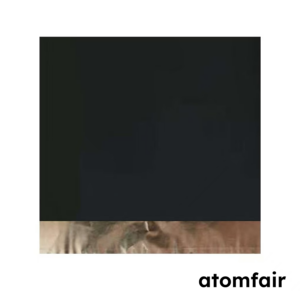
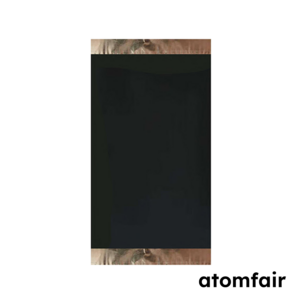
The substrate is 130×80 mm with a coating area of 110×80 mm, leaving a 10 mm uncoated aluminum edge on each length side for safe handling. The substrate thickness is 12+0.5+0.5 μm, making it delicate; avoid bending and store flat. Use sharp cutting tools to prevent delamination of the double-side coating.
This double-side coated hard carbon electrode with 20 mg/cm² loading on carbon-coated aluminum foil is optimized for sodium-ion battery R&D, offering high areal capacity but requiring careful handling due to thin substrate and moderate compaction density.
Positive
- High areal loading for advanced testing: The 20 mg/cm² double-side coating provides high active material loading, enabling realistic electrochemical evaluation at practical current densities for sodium-ion battery research.
- Carbon-coated substrate for improved adhesion: The carbon coating on both sides of the aluminum foil enhances electrical contact and mechanical adhesion between the active layer and current collector, reducing interfacial resistance and improving cycle stability.
Trade-offs
- Thin carbon-coated aluminum foil substrate: The substrate consists of a 12 μm aluminum foil with 0.5 μm carbon coatings on each side, resulting in a total thickness of 13 μm that is mechanically delicate and requires careful handling during cell assembly to avoid wrinkling or tearing.
- Moderate compaction density: A compaction density of 0.90 g/cm³ indicates a relatively porous electrode structure, which may limit volumetric energy density in full cells and influence electrolyte wetting behavior.
Every advanced material, component, equipment, and instrument in our catalog is backed by rigorous testing. We maintain strict internal quality management frameworks and align with CE conformity metrics to deliver transparent, reproducible performance data via our public open-science repository.
To request raw batch performance data, submit formal vendor registration paperwork, or execute a fast-turnaround R&D manufacturing loop, contact us at inquiry@atomfair.com.
Item is dispatched under the Atomfair Shipping & Delivery Framework (Free worldwide shipping on orders over $59 USD). Return is governed by the Atomfair Return & Refund Policy (7-day technical return window).