Mercuric Oxide Reference Electrode – Standard, Extended and Slim Series | ATOMFAIRProduct Type: Mercuric oxide reference electrode
Research-grade laboratory product
|
|||||||||||||||||||||
|
|||||||||||||||||||||
|
LABORATORY PROCUREMENT SUPPORT
For model selection, accessory matching, platform compatibility or configuration confirmation, contact our technical sales team.
E-MAIL: inquiry@atomfair.com
|
|||||||||||||||||||||
|
Manufacturer: Atomfair LLC
Brand: ATOMFAIR®
|
Manufacturer: Atomfair LLC
Brand: ATOMFAIR®
Mercuric oxide reference electrodes contain mercuric oxide and an alkaline potassium hydroxide electrolyte and must be handled as chemically hazardous laboratory items. Storage and use conditions determine electrode stability and service life.
- Storage and hydration requirement: Store the electrode with its sensing element immersed in the designated potassium hydroxide fill solution and never allow the internal electrolyte to dry out.
- Atmosphere and contamination exposure: Minimize exposure to carbon dioxide and acidic vapors, which can degrade the alkaline electrolyte and alter reference potential.
- Mechanical and containment precautions: Protect the electrode body from mechanical shock and contain any leaked electrolyte or mercuric oxide waste in a compatible chemical waste container.
- Temperature and handling limits: Operate within the manufacturer-recommended temperature range for the selected configuration and avoid thermal shock during transfer.
- Alkaline solution compatibility: Use a compatible salt bridge when measuring strongly alkaline solutions to prevent junction potential errors and electrolyte contamination.
This procedure covers the initial inspection, wetting, and deployment of a mercuric oxide reference electrode in an alkaline electrochemical cell. Proper conditioning and safety checks minimize drift, contamination, and exposure risk.
Required Equipment: Mercuric oxide reference electrode, Compatible salt bridge, Personal protective equipment (PPE)
- Inspect the electrode
Inspect the electrode body and junction for cracks, crystallization, or dryness before use. - Top up the electrolyte
Fill or top up the electrode with the specified potassium hydroxide electrolyte if the internal level is low. - Soak the sensing junction
Soak the sensing junction in the same alkaline fill solution for the period recommended by the manufacturer. - Connect a salt bridge
Connect a compatible salt bridge when measurements are planned in strongly alkaline solutions. - Verify the reference potential
Verify the reference potential against a fresh standard or a known stable reference before beginning the experiment. - Store the electrode
Rinse and store the electrode in the recommended storage solution immediately after measurement.
What type of electrolyte is used in the Atomfair AF-MO-STD mercuric oxide reference electrode and why is it suitable for alkaline systems?
The electrode uses a potassium hydroxide (KOH) internal electrolyte. This alkaline electrolyte is specifically designed for use in alkaline systems, ensuring compatibility and stable reference potential in such environments.
When using the Atomfair mercuric oxide reference electrode in strongly alkaline solutions, is a salt bridge necessary?
Yes, for strongly alkaline solutions, the electrode must be used with a compatible salt bridge to prevent damage or contamination. The product selection note explicitly states this requirement.
What laboratory configurations are available for the Atomfair AF-MO-STD mercuric oxide reference electrode?
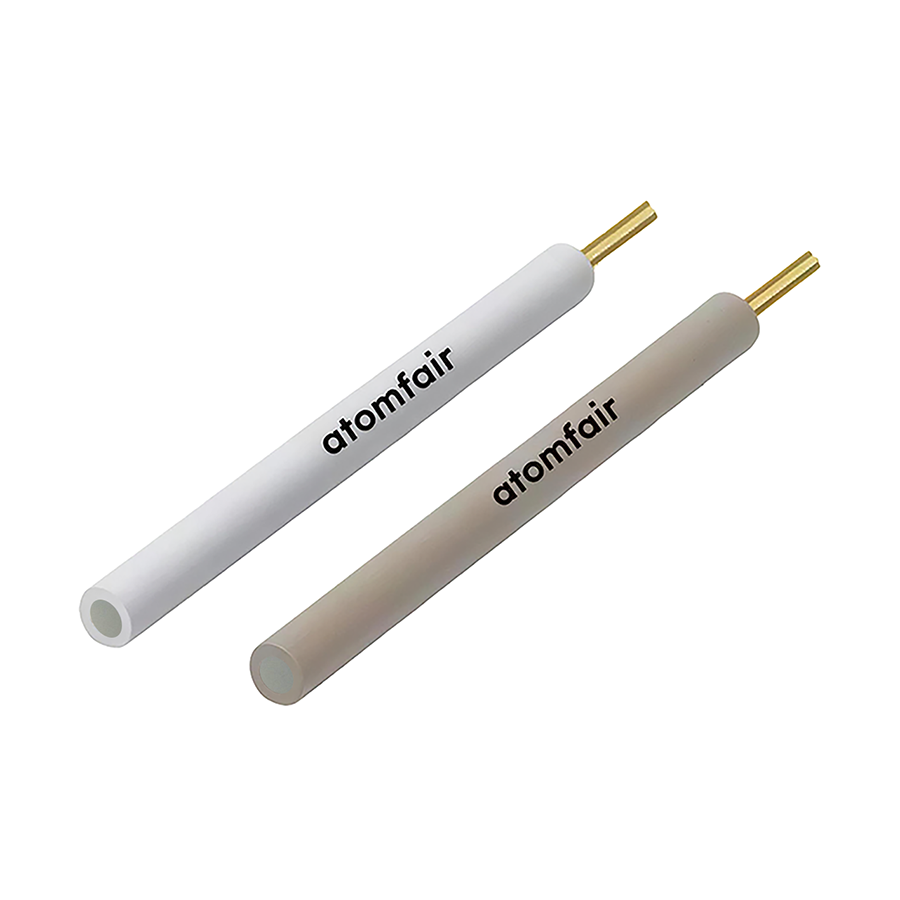
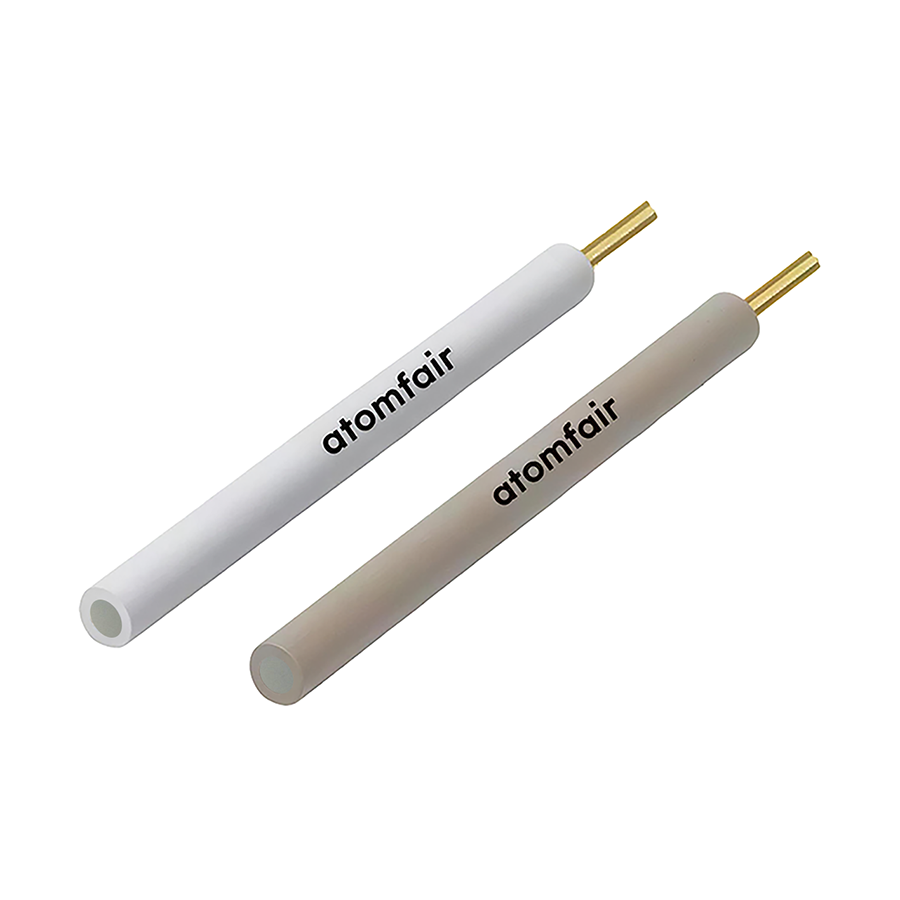
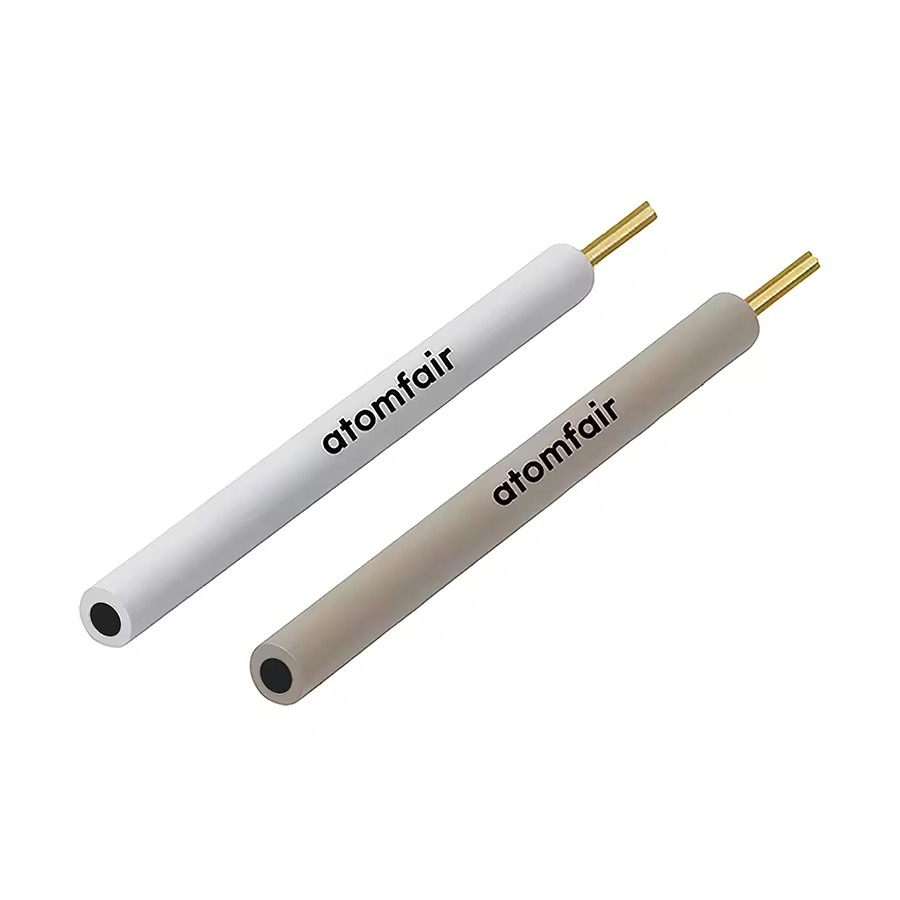
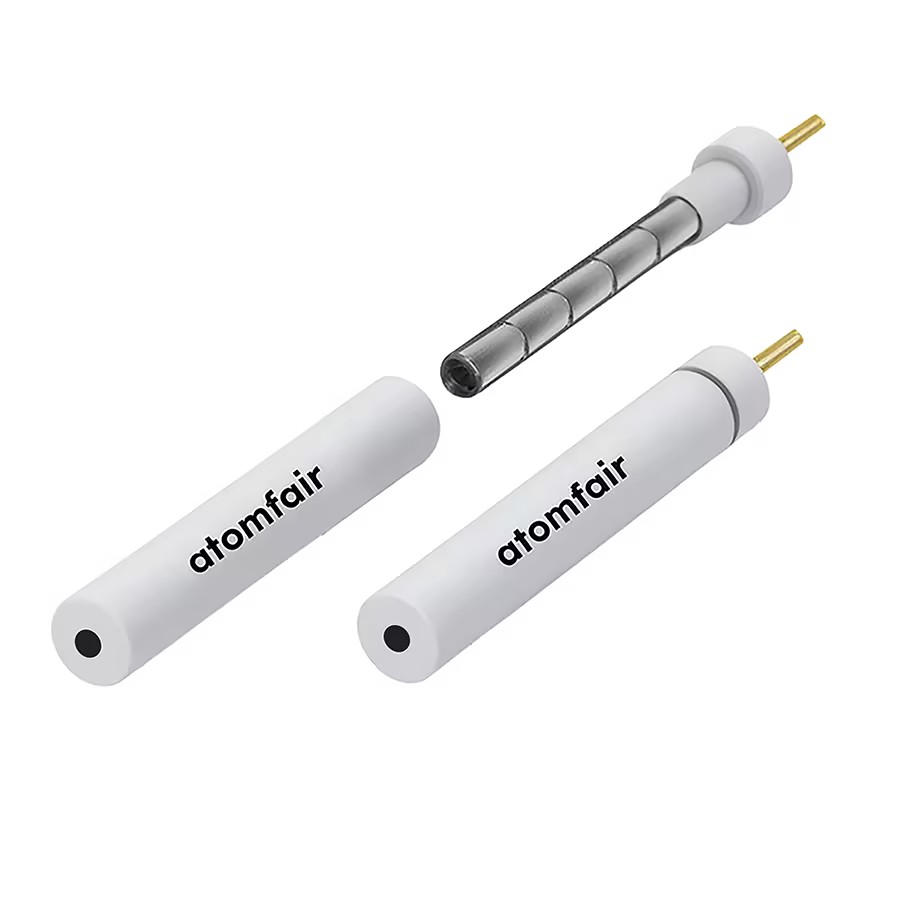
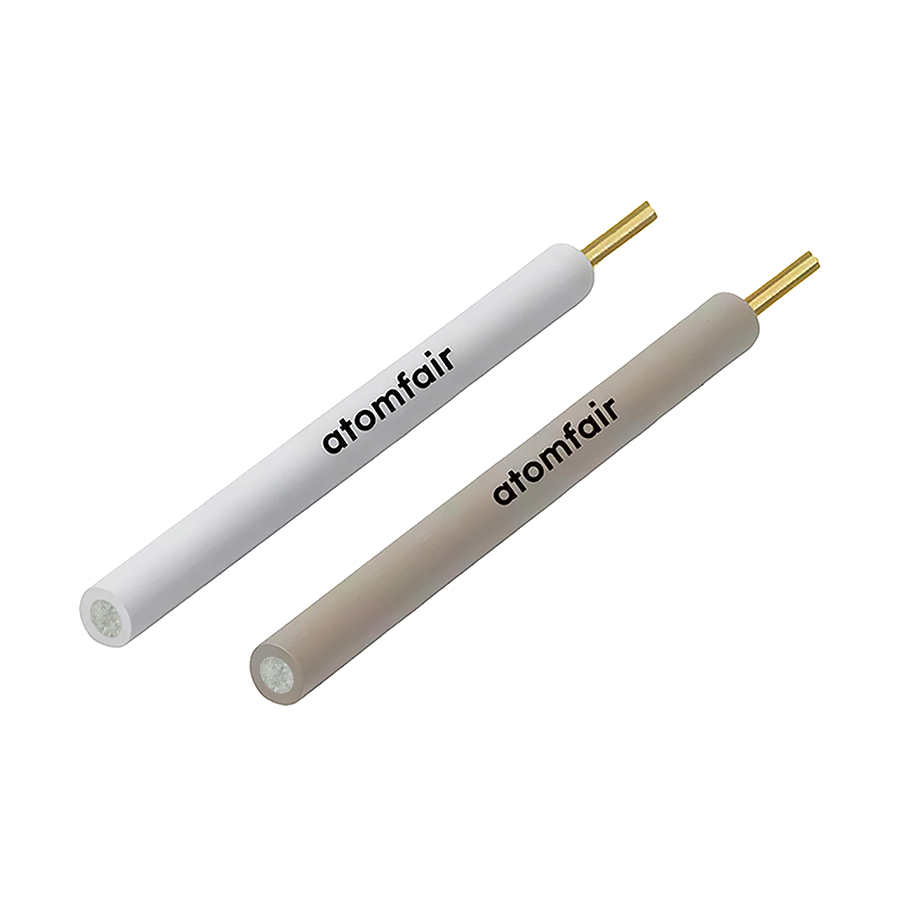
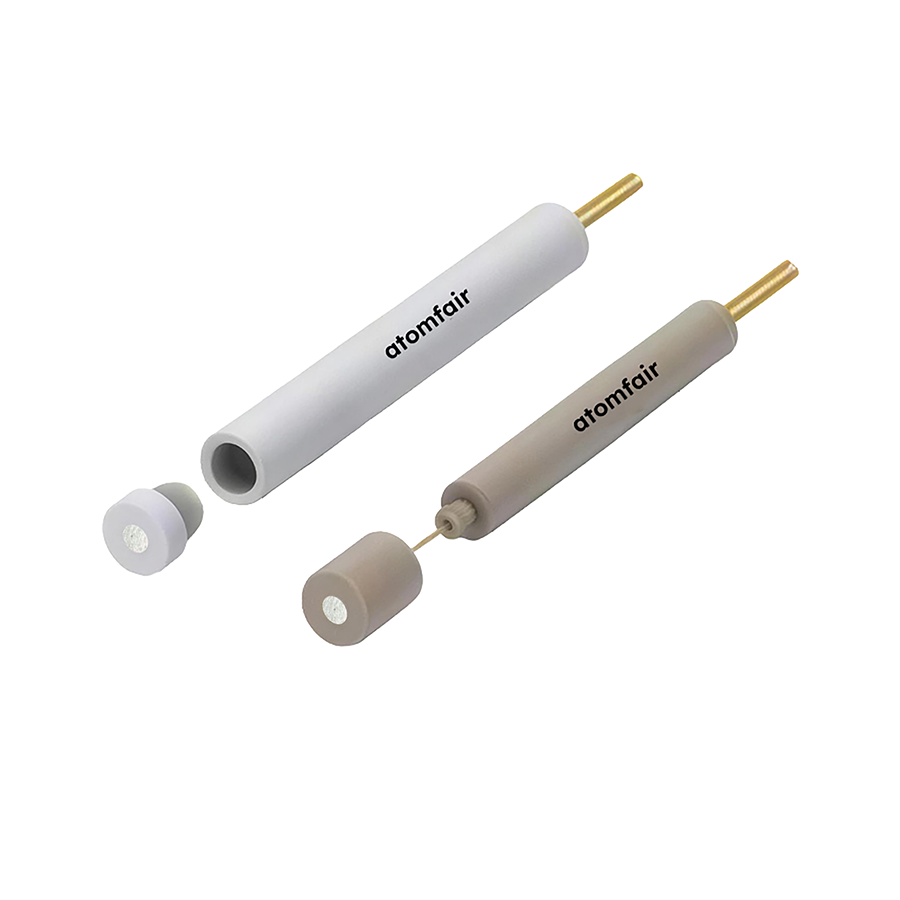
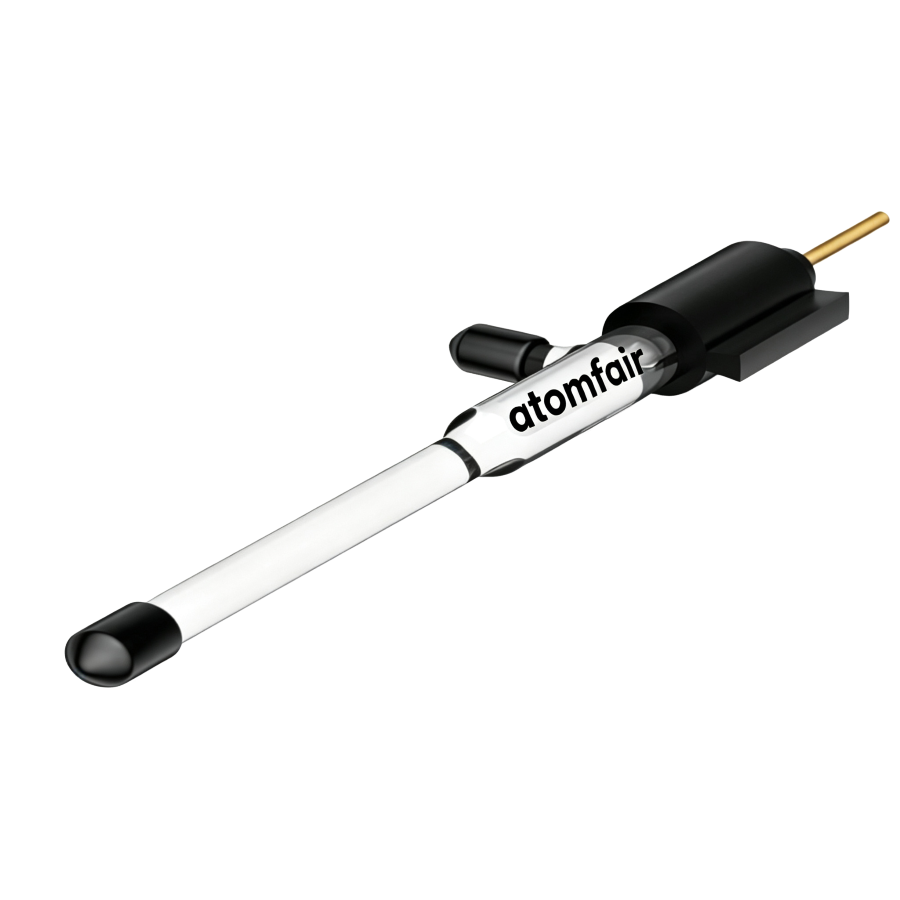
The electrode is available in standard, extended, and slim configurations. These different form factors accommodate various electrochemical cell setups, such as deep or narrow vessels.
The Atomfair AF-MO-STD mercuric oxide reference electrode is designed for alkaline electrochemical systems, utilizing an internal potassium hydroxide electrolyte and offering standard, extended, and slim configurations. Its primary application advantage is compatibility with strongly alkaline solutions when paired with a salt bridge, but users must manage the handling constraints of mercury-containing reference systems and ensure proper electrolyte matching.
Positive
- Alkaline system compatibility: Designed specifically for alkaline electrochemical systems with an internal potassium hydroxide electrolyte, providing stable reference potential in high-pH environments.
- Multiple configuration options: Available in standard, extended, and slim configurations to accommodate varied laboratory setups, enhancing deployment flexibility in confined or remote measurement positions.
Trade-offs
- Salt bridge required for strongly alkaline solutions: For strongly alkaline solutions, a compatible salt bridge is required to prevent junction potential effects and maintain measurement accuracy.
- Mercury content handling constraints: As a mercuric oxide reference system, this electrode contains mercury, requiring specialized disposal procedures and careful handling per laboratory safety protocols.
Every advanced material, component, equipment, and instrument in our catalog is backed by rigorous testing. We maintain strict internal quality management frameworks and align with CE conformity metrics to deliver transparent, reproducible performance data via our public open-science repository.
To request raw batch performance data, submit formal vendor registration paperwork, or execute a fast-turnaround R&D manufacturing loop, contact us at inquiry@atomfair.com.
Item is dispatched under the Atomfair Shipping & Delivery Framework (Free worldwide shipping on orders over $59 USD excl. heavy equipment). Return is governed by the Atomfair Return & Refund Policy (7-day technical return window).