ATOMFAIR® LINICOMNO₂ (NCM) DRY-PROCESS ELECTRODERESEARCH GRADE MATERIAL
|
|||||||||||||||||||||||
|
|||||||||||||||||||||||
|
TAILORED SOLUTIONS FOR RESEARCH
Contact our engineering team for technical support or official institutional quotations.
EMAIL: inquiry@atomfair.com
|
|||||||||||||||||||||||
|
Manufacturer: Atomfair LLC
Brand: ATOMFAIR®
|
|||||||||||||||||||||||
This document outlines the critical environmental and handling constraints for the ATOMFAIR® LINICOMNO₂ (NCM) dry-process electrode to prevent moisture degradation and contamination. Compliance with these constraints is essential for maintaining electrode integrity prior to validation testing.
- Humidity Sensitivity: The uncalendered pore network is highly sensitive to ambient humidity, so keep containers tightly sealed or handle exclusively within an anhydrous inert gas environment to prevent phase contamination or moisture degradation.
- Storage Conditions: Store in a cool, dry place away from direct sunlight and heat sources to maintain electrode stability.
- Handling and Disposal: Use appropriate personal protective equipment (PPE) during handling and follow local regulations for chemical disposal.
This procedure provides the essential steps for safely handling and storing the dry-process electrode to avoid moisture exposure and contamination. Follow these steps to maintain the electrode's uncalendered pore network and prevent phase contamination.
Required Equipment: Inert gas glovebox
- Don PPE
Don appropriate personal protective equipment (PPE) before handling the electrode. - Transfer to Inert Environment
Transfer the electrode container into an anhydrous inert gas environment, such as a glovebox. - Seal Container
Keep the container tightly sealed when not in use to prevent ambient humidity exposure.
How does the dry-process electrode's uncalendered pore network affect its handling and storage requirements?
The uncalendered pore network is highly sensitive to ambient humidity. The electrode must be stored in tightly sealed containers or handled exclusively within an anhydrous inert gas environment to prevent moisture contamination and phase degradation before validation testing. Standard PPE should be used, and storage should be in a cool, dry place away from heat sources, following local chemical disposal regulations.
What are the performance advantages of the dry-process NCM electrode compared to conventional wet-process electrodes?
The dry-process electrode offers enhanced electrochemical performance due to uniform active material distribution from the binder-fibrillated network, elimination of solvent residues, and improved thermal stability. This results in high energy density, long cycle life with minimal capacity fade, elevated voltage plateaus, and cost-effective production by reducing solvent handling and material waste.
Can the NCM composition ratios be customized for specific battery applications?
Yes, the NCM electrode composition can be tailored with specific ratios of nickel, cobalt, and manganese to optimize performance for targeted applications, such as electric vehicles, grid storage, or portable electronics. Custom thickness dimensions are also available upon request by contacting the engineering team for official institutional quotations.
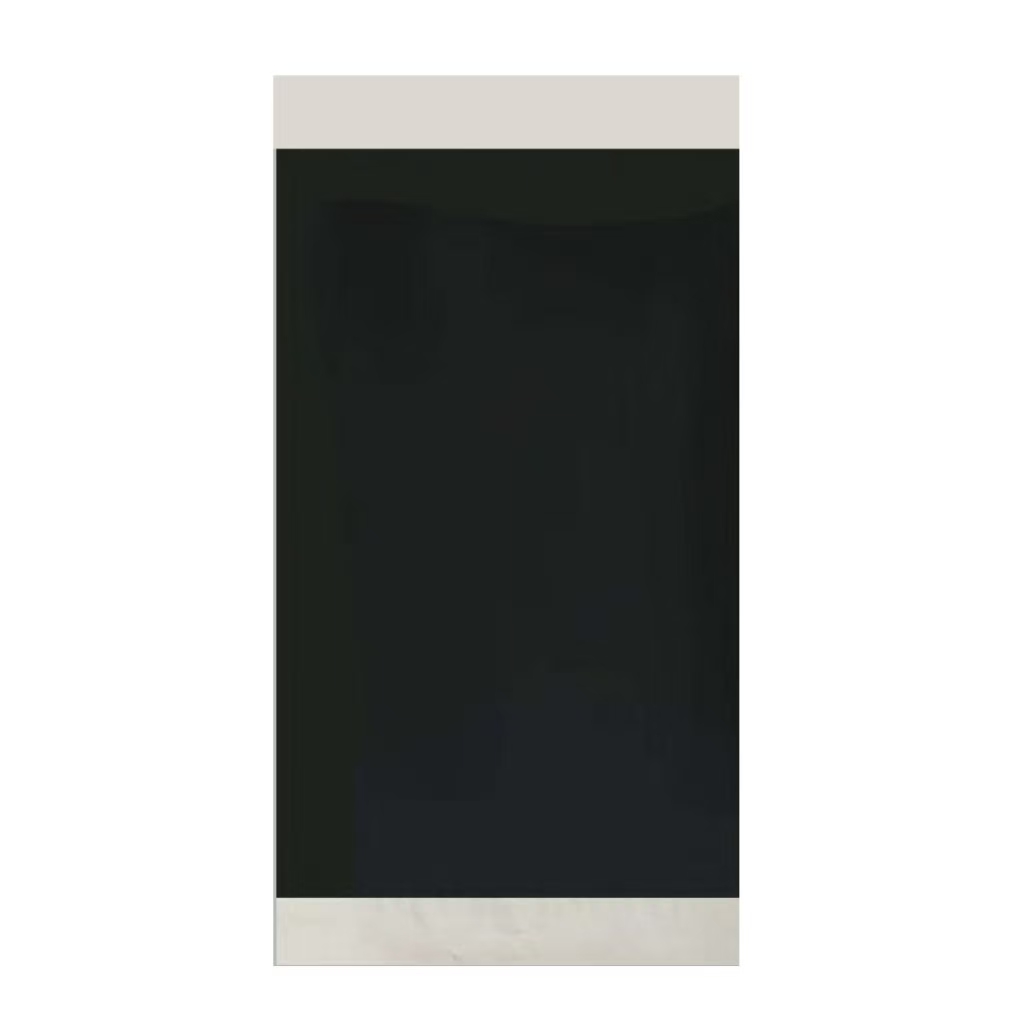
This LiNiCoMnO₂ (NCM) dry-process electrode sheet offers a solvent-free, binder-fibrillated architecture that eliminates solvent residues and provides uniform active material distribution, making it suitable for high-performance lithium-ion battery research. However, the uncalendered pore network requires strict anhydrous handling to prevent moisture-induced degradation.
Positive
- Dry-Process Solvent-Free Coating: The binder-fibrillated dry network eliminates solvent residues, ensuring cell-to-cell consistency and baseline testing control for high-performance lithium-ion batteries.
- High Energy Density and Long Cycle Life: The NCM composition delivers high reversible capacity, elevated voltage plateaus, and structural stability to withstand numerous charge-discharge cycles with minimal capacity fade.
Trade-offs
- Humidity-Sensitive Uncalendered Pore Network: The dry-process electrode retains an uncalendered pore structure that is highly sensitive to ambient humidity; handling must be performed in an anhydrous inert gas environment to prevent moisture degradation before validation testing.
Every advanced material, component, equipment, and instrument in our catalog is backed by rigorous testing. We maintain strict internal quality management frameworks and align with CE conformity metrics to deliver transparent, reproducible performance data via our public open-science repository.
To request raw batch performance data, submit formal vendor registration paperwork, or execute a fast-turnaround R&D manufacturing loop, contact us at inquiry@atomfair.com.
Item is dispatched under the Atomfair Shipping & Delivery Framework (Free worldwide shipping on orders over $59 USD excl. heavy equipment). Return is governed by the Atomfair Return & Refund Policy (7-day technical return window).