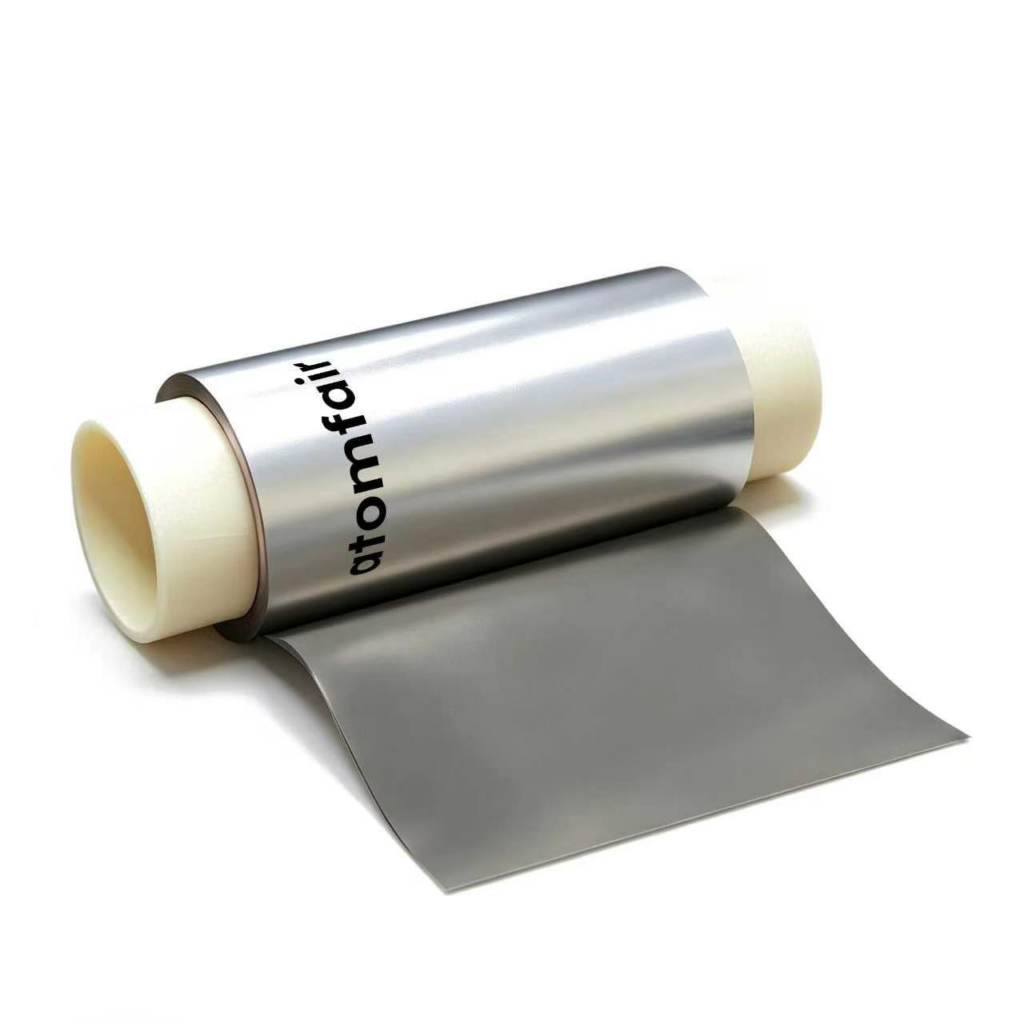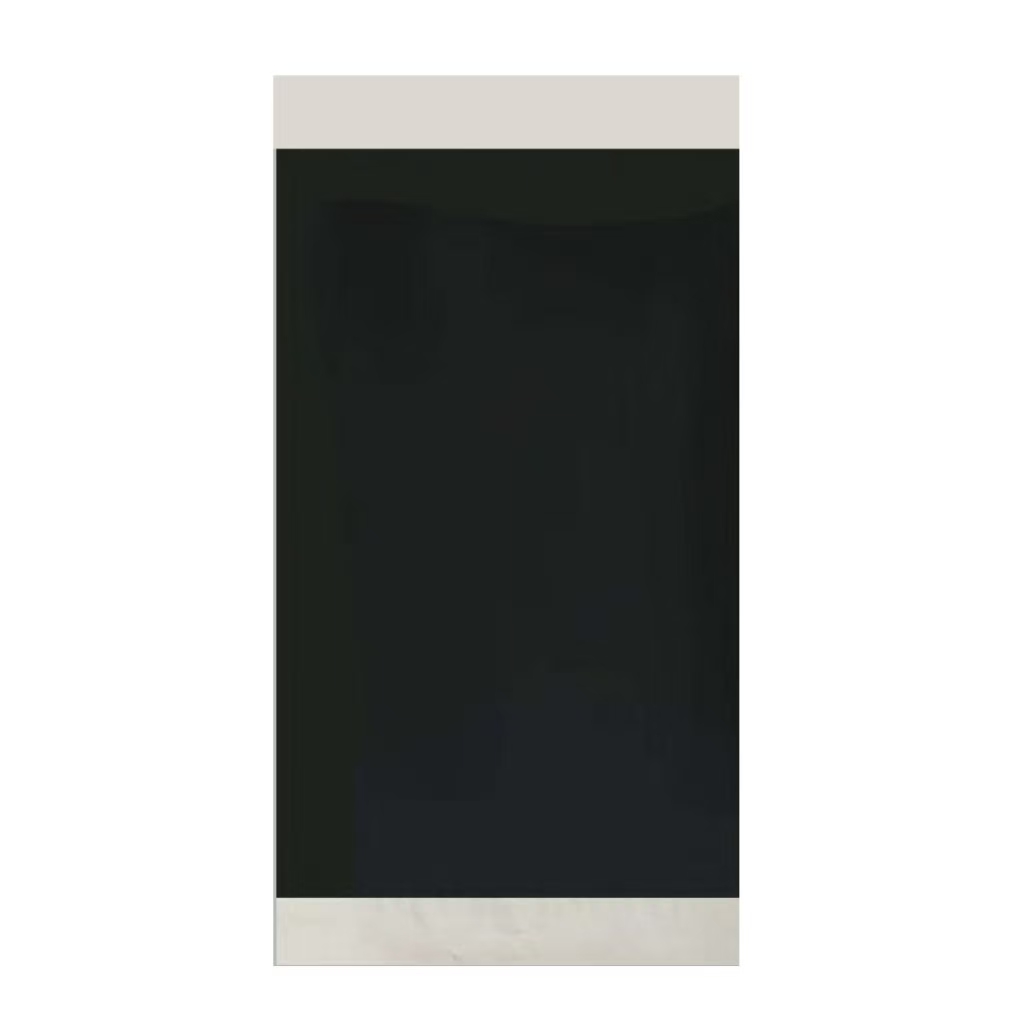
ATOMFAIR® NCM811-D05 LITHIUM NICKEL COBALT MANGANESE OXIDE ELECTRODE SHEETRESEARCH GRADE MATERIAL | DRY PROCESS
|
|||||||||||||||||||||||||||||||||||||||||
|
|||||||||||||||||||||||||||||||||||||||||
|
TAILORED SOLUTIONS FOR RESEARCH
Contact our engineering team for technical support or official quotations.
EMAIL: inquiry@atomfair.com
|
|||||||||||||||||||||||||||||||||||||||||
|
Manufacturer: Atomfair LLC
Brand: ATOMFAIR®
|
|||||||||||||||||||||||||||||||||||||||||
This electrode sheet is prone to moisture uptake due to the high reactivity of NCM811 active material. Storage in a dry atmosphere (dew point below -40°C) is required to preserve electrochemical integrity and prevent degradation.
- Moisture Sensitivity: Store the electrode sheet in a sealed container with desiccant or inside an argon-filled glovebox to minimize exposure to ambient humidity.
Does the ultra-high coating density of 80 mg/cm² on the NCM811-D05 electrode compromise its specific capacity?
No, the NCM811-D05 electrode maintains a specific capacity of 200 mAh/g at 80 mg/cm² coating density, supported by a 96.0% active material ratio and dry process that ensures excellent active material distribution.
Can the NCM811-D05 double-side coated electrode be used in standard coin cell assembly for high-loading studies?
Yes, the electrode's coating area of 90×120 mm and substrate size of 90×140 mm are compatible with typical coin cell punching for high-loading studies. The carbon-coated aluminum foil substrate reduces contact resistance, but users must follow the recommended baking protocol (12 hours at 100°C under vacuum) before cell assembly.
What are the required storage and pre-treatment conditions for the NCM811-D05 dry-process electrode before use?
The NCM811-D05 electrode requires vacuum baking at 100°C for 12 hours prior to use to remove residual moisture. Storage should be in a dry, inert atmosphere to prevent degradation of the dry-process coating and carbon-coated foil interface. The electrode is sold exclusively for laboratory research and should be handled accordingly.
This engineering assessment evaluates the NCM811-D05 electrode sheet's dry-processed 80 mg/cm² double-sided coating on carbon-coated aluminum foil, noting its high active material ratio and capacity, while documenting the mandatory vacuum baking protocol and research-only designation.
Positive
- Ultra-high areal density via dry process: The advanced dry process achieves a coating density of 80 mg/cm² with excellent active material distribution, enabling high-mass-loading electrode studies for next-generation battery R&D.
- 96% active material ratio with high capacity: With a 96.0% active material loading and a specific capacity of 200 mAh/g, these electrodes deliver maximum energy density for high-capacity benchmarking and performance analysis.
Trade-offs
- Required vacuum pre-baking step: The manufacturer mandates a 12-hour vacuum baking at 100°C to remove residual moisture before use, adding a mandatory preparation step to the electrochemical testing workflow.
- Restricted to laboratory research use: These electrodes are explicitly sold for laboratory research only, limiting their deployment to R&D environments and excluding pilot or production-scale battery manufacturing.
Every advanced material, component, equipment, and instrument in our catalog is backed by rigorous testing. We maintain strict internal quality management frameworks and align with CE conformity metrics to deliver transparent, reproducible performance data via our public open-science repository.
To request raw batch performance data, submit formal vendor registration paperwork, or execute a fast-turnaround R&D manufacturing loop, contact us at inquiry@atomfair.com.
Item is dispatched under the Atomfair Shipping & Delivery Framework (Free worldwide shipping on orders over $59 USD excl. heavy equipment). Return is governed by the Atomfair Return & Refund Policy (7-day technical return window).