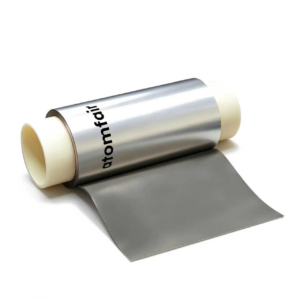
ATOMFAIR® NCM811-D02 LITHIUM NICKEL COBALT MANGANESE OXIDE ELECTRODE SHEETRESEARCH GRADE MATERIAL
|
||||||||||||||||||||||||||||||||||||||||||||||
|
||||||||||||||||||||||||||||||||||||||||||||||
|
|||
|
TAILORED SOLUTIONS FOR RESEARCH
Contact our engineering team for technical support or official institutional quotations.
EMAIL: inquiry@atomfair.com
|
|||
|
Manufacturer: ATOMFAIR LLC
Brand: ATOMFAIR®
Disclaimer: Sold exclusively for laboratory research.
|
Store this electrode sheet in an inert atmosphere to prevent moisture and oxygen exposure that degrades electrochemical performance. Handle the sheet with non-metallic tools to avoid short circuits and physical damage.
- Storage Requirement: Always store the electrode sheet in an argon-filled glovebox or dry room with controlled humidity.
- Handling Precautions: Use only PTFE or plastic tweezers when handling the sheet to prevent electrical shorts.
Follow these steps to safely handle and store the electrode sheet for optimal performance. This procedure ensures minimal contamination and damage during preparation.
Required Equipment: Argon-filled glovebox, PTFE tweezers
- Inspect Package
Inspect the sealed packaging for any punctures or tears that might indicate air exposure. - Transfer to Glovebox
Transfer the entire package into an argon-filled glovebox before opening to maintain inert atmosphere. - Store Properly
Store the electrode sheet in a sealed container within the glovebox to protect from light and moisture.
How does the 96.5% active material ratio in the NCM811-D02 electrode affect electrical conductivity and interfacial stability compared to lower loading formulations?
The 96.5% active material ratio maximizes specific capacity but reduces the proportion of binder and conductive additive. To compensate, Atomfair uses a carbon-coated aluminum foil substrate, which product literature states enhances electrical conductivity and interfacial bonding stability. This design maintains mechanical integrity and low resistance at high active material content, enabling the specified 200 mAh/g capacity without compromising cycling stability.
Does the NCM811-D02 electrode's substrate size provide sufficient uncoated area for tab welding in pouch cell assembly?
Yes, the substrate dimensions (186×100 mm) are 17 mm larger on each side than the coating area (152×100 mm), leaving an uncoated margin for tab attachment. This uncoated foil region allows direct ultrasonic or laser welding of aluminum current collector tabs without damaging the active material coating, which is essential for pouch cell integration.
What is the mandatory pre-drying procedure for the NCM811-D02 electrode before use in lithium-ion cell assembly?
The product specifies a standard baking protocol of 12 hours under vacuum at 100°C. This step must be performed prior to cell assembly to remove any moisture absorbed during storage or handling. The electrodes are supplied vacuum-sealed and should remain sealed until ready to bake to preserve the active material state and consistency.
This NCM811 double-side coated cathode (48 mg/cm²) delivers a reliable specific capacity of 200 mAh/g on a carbon-coated aluminum foil substrate, ensuring consistent batch quality for advanced Li-ion R&D. The electrode requires a mandatory vacuum drying step at 100°C for 12 hours prior to use and is vacuum-sealed to preserve its active state, necessitating controlled handling and storage conditions.
Positive
- High specific capacity: Optimized NCM811 formulation delivers a reliable 200 mAh/g for advanced energy studies and electrochemical characterization.
- Carbon-coated aluminum substrate: The carbon-coated aluminum foil enhances electrical conductivity and interfacial bonding stability, improving electrode performance and reproducibility.
Trade-offs
- Requires vacuum baking before use: A standard baking protocol of 12 hours under vacuum at 100°C is mandatory to remove residual solvents and moisture, which adds preparation time and requires dedicated vacuum oven infrastructure.
- Sensitive to ambient environment: The electrode is vacuum-sealed to preserve its active material state; once opened, it must be handled in a dry or inert atmosphere to prevent moisture-induced degradation.
Every advanced material, component, equipment, and instrument in our catalog is backed by rigorous testing. We maintain strict internal quality management frameworks and align with CE conformity metrics to deliver transparent, reproducible performance data via our public open-science repository.
To request raw batch performance data, submit formal vendor registration paperwork, or execute a fast-turnaround R&D manufacturing loop, contact us at inquiry@atomfair.com.
Item is dispatched under the Atomfair Shipping & Delivery Framework (Free worldwide shipping on orders over $59 USD excl. heavy equipment). Return is governed by the Atomfair Return & Refund Policy (7-day technical return window).