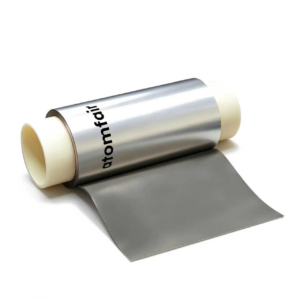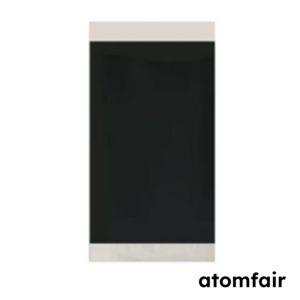
ATOMFAIR® LMR-S01 LITHIUM-RICH MANGANESE-BASED CATHODE (LMR) ELECTRODE SHEETRESEARCH GRADE MATERIAL
|
||||||||||||||||||||||||||||||||||||||||||||||
|
||||||||||||||||||||||||||||||||||||||||||||||
|
|||
|
TAILORED SOLUTIONS FOR RESEARCH
Contact our engineering team for technical support or official institutional quotations.
EMAIL: inquiry@atomfair.com
|
|||
|
Manufacturer: ATOMFAIR LLC
Brand: ATOMFAIR®
Disclaimer: Sold exclusively for laboratory research.
|
This lithium-rich manganese oxide electrode sheet undergoes rapid surface carbonate formation upon exposure to ambient air, compromising electrochemical performance. Storage under inert atmosphere is required to preserve active material integrity and prevent moisture-induced degradation.
- Atmospheric Sensitivity: Prolonged contact with atmospheric carbon dioxide and humidity causes irreversible surface conversion of the lithium-rich phase.
- Substrate Constraints: The carbon-coated aluminum current collector exhibits reduced adhesion strength when exposed to elevated humidity or certain organic solvents.
- Thermal Stability Limit: Heating above 80°C under ambient atmosphere initiates oxygen release from the lattice and structural collapse of the layered phase.
This protocol ensures safe transfer and preparation of the LMR-S01 electrode sheet for coin cell or pouch cell assembly under controlled atmosphere. Strict exclusion of moisture and oxygen during handling is critical to preserve the reactive lithium-rich surface and achieve rated capacity.
Required Equipment: Argon-filled glovebox (H₂O, O₂ < 0.1 ppm), Vacuum oven capable of 120°C, Precision ceramic scissors or electrode punch, Analytical balance (0.1 mg resolution)
- Transfer to Controlled Atmosphere
Transfer the sealed electrode pouch directly into an argon-filled glovebox without intermediate air exposure to prevent moisture and CO₂ contamination. - Vacuum Drying
Place the electrode sheet in a vacuum oven at 80°C for 12 hours under dynamic vacuum to remove physisorbed water from the porous coating. - Dimensional Cutting
Cut the dried sheet to the desired electrode dimensions using ceramic scissors or a precision punch to avoid delamination at the cut edges. - Mass Determination
Weigh the cut electrode on an analytical balance and calculate the active material loading using the known 94.7% active ratio and the measured area. - Electrode Isolation
Store the prepared electrode inside a sealed glass vial within the glovebox until cell assembly to prevent prolonged exposure to glovebox trace contaminants.
How does the 15 mg/cm² coating density of the LMR-S01 electrode affect areal capacity and rate performance in half-cell tests?
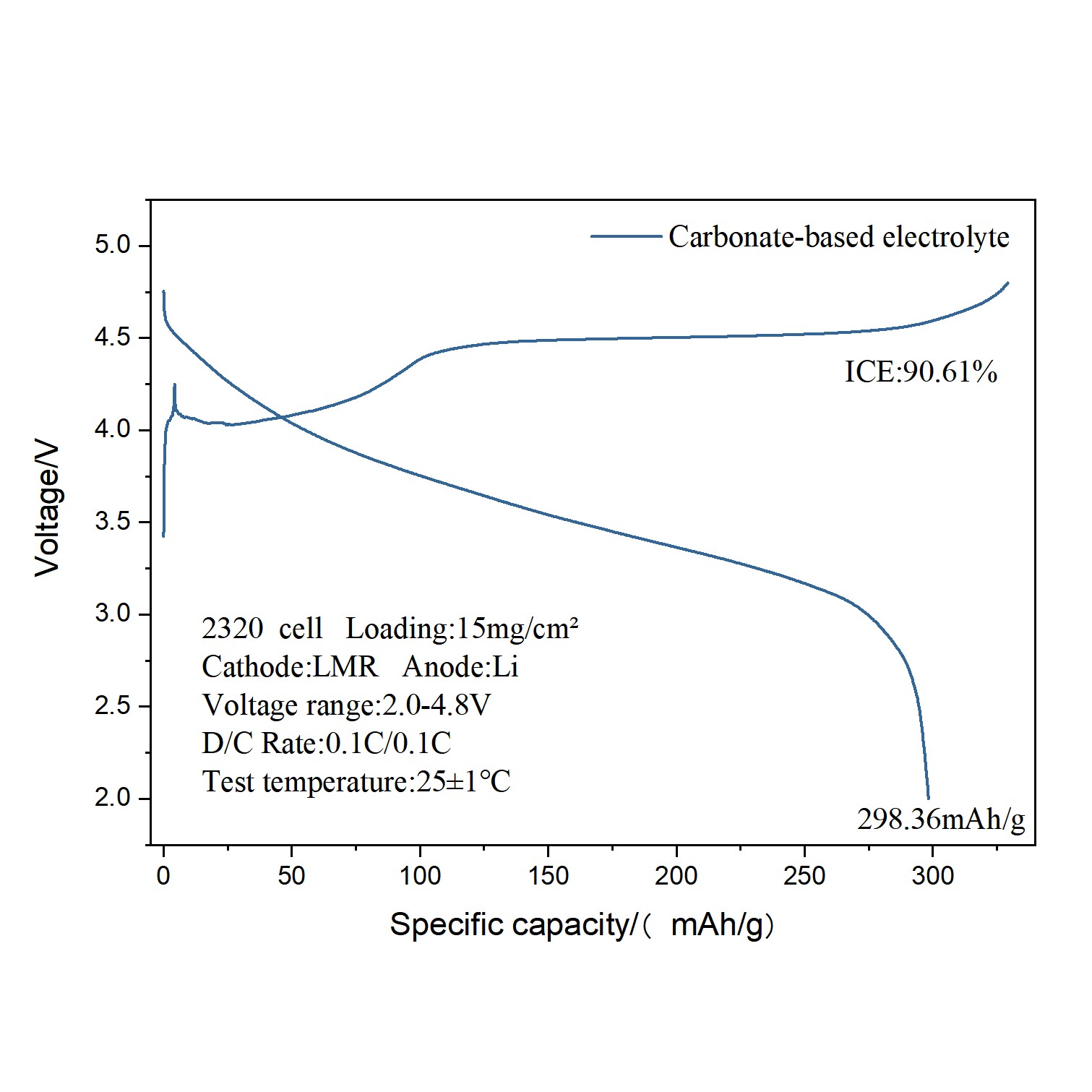
The 15 mg/cm² coating density provides a practical areal loading for half-cell coin cells, balancing sufficient active material for reliable capacity measurements with manageable electrode thickness to avoid electrolyte wetting issues. At a nominal capacity of 300 mAh/g, this yields an areal capacity of approximately 4.5 mAh/cm², but rate performance will depend on the compaction density of 2.11 g/cm³ and the single-sided architecture—higher loadings can introduce diffusion limitations at elevated C-rates.
What coin cell hardware and electrode punching specifications are compatible with the LMR-S01 coating area?
The single-sided coating area is 152 × 100 mm on a 186 × 100 mm carbon-coated aluminum foil substrate. This format is designed for laboratory R&D and can be punched into multiple smaller electrodes for standard coin cells (e.g., CR2032 with Ø12–15 mm electrodes). The 12 μm aluminum foil plus 0.5 μm carbon coating per side makes the substrate thin; handle carefully to avoid tearing during punching.
Why is a 12-hour vacuum bake at 100°C required for the LMR-S01 electrode before cell assembly?
The recommended vacuum bake at 100°C for 12 hours removes residual moisture and solvent trapped in the wet-process coating. For LMR cathodes, even trace water can cause hydrogen fluoride formation and irreversible capacity loss, especially given the high active material ratio of 94.7% and the sensitivity of lithium-rich surfaces. Vacuum drying ensures consistent first-cycle efficiency and stable electrochemical data.
The LMR-S01 cathode sheet offers a 94.7% active material ratio and carbon-coated aluminum substrate for consistent half-cell evaluations, though it requires a 12-hour vacuum bake and is limited to single-sided coating for research-scale testing.
Positive
- High Active Material Loading: 94.7% active material ratio maximizes electrochemical capacity per unit mass, enabling specific capacity evaluations up to 300 mAh/g in coin cells.
- Carbon-Coated Aluminum Substrate: The carbon-coated foil current collector reduces interfacial resistance and enhances adhesion of the LMR coating, promoting more consistent cycling performance.
Trade-offs
- Mandatory Vacuum Baking Protocol: Electrodes require 12-hour vacuum drying at 100°C prior to cell assembly, adding processing time and necessitating compatible vacuum oven equipment.
- Single-Sided Coating Format: The electrode is coated on one side only, which limits areal loading per cell and may require stacking or double-sided electrodes for higher capacity full-cell configurations.
Every advanced material, component, equipment, and instrument in our catalog is backed by rigorous testing. We maintain strict internal quality management frameworks and align with CE conformity metrics to deliver transparent, reproducible performance data via our public open-science repository.
To request raw batch performance data, submit formal vendor registration paperwork, or execute a fast-turnaround R&D manufacturing loop, contact us at inquiry@atomfair.com.
Item is dispatched under the Atomfair Shipping & Delivery Framework (Free worldwide shipping on orders over $59 USD excl. heavy equipment). Return is governed by the Atomfair Return & Refund Policy (7-day technical return window).