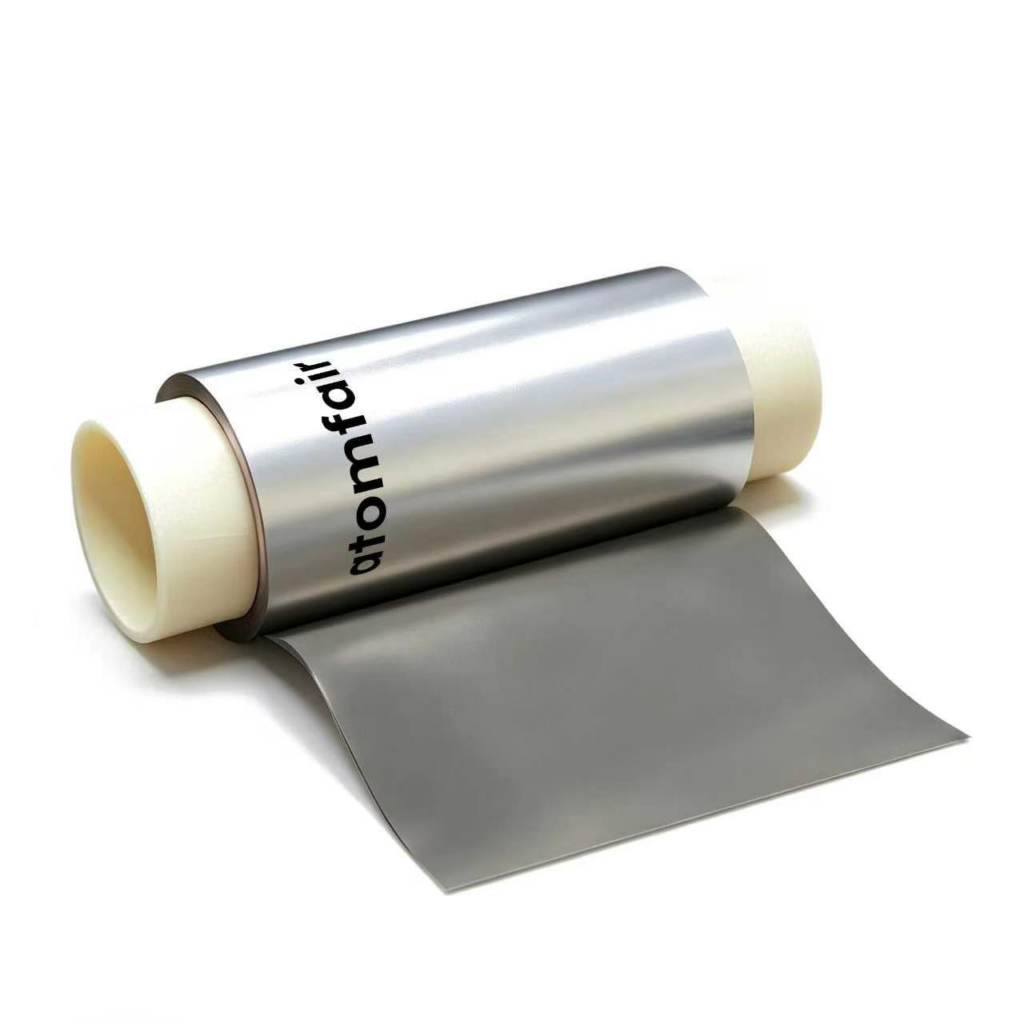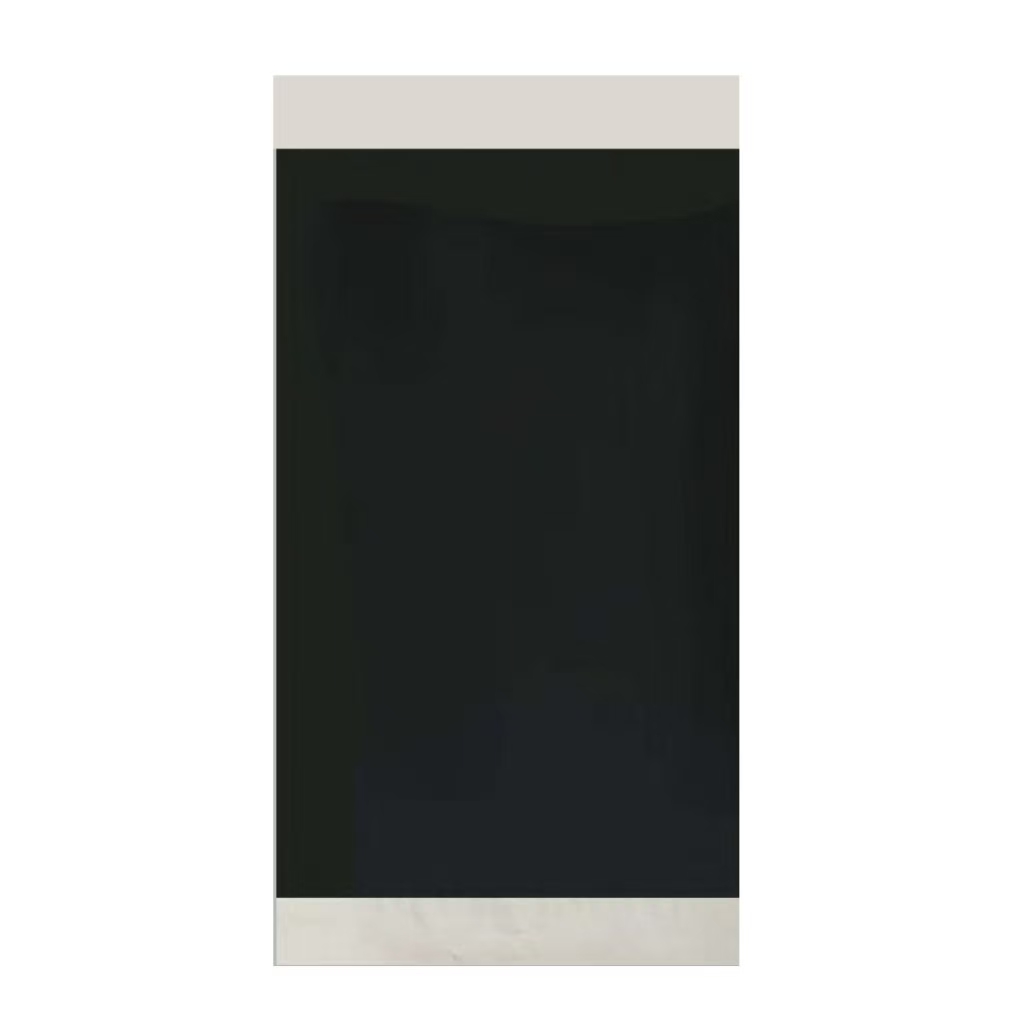
ATOMFAIR® LMR-D03 LITHIUM-RICH MANGANESE-BASED CATHODE (LMR) ELECTRODE SHEETRESEARCH GRADE MATERIAL
|
||||||||||||||||||||||||||||||||||||||||||||||
|
||||||||||||||||||||||||||||||||||||||||||||||
|
|||
|
TAILORED SOLUTIONS FOR RESEARCH
Contact our engineering team for technical support or official institutional quotations.
EMAIL: inquiry@atomfair.com
|
|||
|
Manufacturer: ATOMFAIR LLC
Brand: ATOMFAIR®
Disclaimer: Sold exclusively for laboratory research.
|
Store the electrode sheets in an inert gas environment to prevent moisture and oxygen uptake. Maintain room temperature conditions and isolate from conductive surfaces to avoid electrical short circuits.
- Inert atmosphere storage: Store in an argon or nitrogen atmosphere to prevent moisture and oxygen adsorption.
- Moisture sensitivity: Minimize exposure to ambient humidity to preserve the lithium-rich active material integrity.
- Electrical isolation: Keep the electrode sheets insulated from conductive surfaces to prevent accidental short circuits.
- Dry handling environment: Handle only within a dry room or glovebox to maintain material stability.
- Temperature stability: Store at room temperature and avoid elevated thermal conditions to minimize degradation.
What performance advantages does the dry-process coating offer over traditional slurry methods for high-loading LMR cathodes?
Dry-process coating ensures superior electrode film cohesion and robust structure, enabling a consistent 69.6 mg/cm² double-side loading with a 96.00% active material ratio. This reduces binder segregation and improves mechanical integrity, which is critical for maintaining the rated 300 mAh/g capacity in long cycling studies.
How does the carbon-coated aluminum substrate influence the electrode's compatibility with high-voltage electrolytes?
The carbon-coated substrate minimizes interfacial contact resistance and contact polarization, promoting long-term cycling stability. With a substrate thickness of 12 +0.5 +0.5 μm and an areal density of 4.2 mg/cm², it provides reliable current collection for the 300 mAh/g LMR chemistry while reducing side reactions at high operating potentials.
What drying protocol is required before using this LMR cathode sheet in battery assembly?
Standard electrode conditioning requires vacuum baking at 100°C for 12 hours prior to cell assembly to remove residual moisture and solvent. This step is essential to prevent electrolyte decomposition and capacity fade in the 69.6 mg/cm² high-loading electrode.
The LMR-D03 double-side cathode sheet delivers a high 96% active material loading and 300 mAh/g capacity via dry processing, making it suitable for high-energy-density battery research, though it requires a 12-hour vacuum bake at 100°C and is confined to a fixed 90×120 mm coating area for lab use.
Positive
- High active material ratio and capacity: 96.00% active material and 300 mAh/g capacity provide a high-energy-density matrix for advanced lithium-ion battery R&D and electrochemical diagnostics.
- Superior film cohesion via dry process: The specialized dry coating ensures robust electrode film integrity and consistent 69.6 mg/cm² loading across the double-sided profile, enhancing structural stability.
Trade-offs
- Mandatory vacuum baking protocol: Standard conditioning requires 12 hours of vacuum baking at 100°C, adding pre-experiment preparation time and infrastructure demands.
- Fixed coating area for lab use only: The 90×120 mm coating area is optimized for laboratory research and not directly scalable to production formats without custom geometry adjustments.
Every advanced material, component, equipment, and instrument in our catalog is backed by rigorous testing. We maintain strict internal quality management frameworks and align with CE conformity metrics to deliver transparent, reproducible performance data via our public open-science repository.
To request raw batch performance data, submit formal vendor registration paperwork, or execute a fast-turnaround R&D manufacturing loop, contact us at inquiry@atomfair.com.
Item is dispatched under the Atomfair Shipping & Delivery Framework (Free worldwide shipping on orders over $59 USD excl. heavy equipment). Return is governed by the Atomfair Return & Refund Policy (7-day technical return window).