
Conductive Agents, Binders & Processing Additives
ATOMFAIR Conductive Agents, Binders & Processing Additives supports lithium-ion, sodium-ion, supercapacitor, silicon-anode, high-nickel cathode, solid-state, and dry-electrode research workflows. This category brings together conductive carbon powders, carbon nanotubes, vapor-grown carbon fibers, graphene nanoplatelets, aqueous and NMP-based CNT dispersions, and polymer binder systems used to build stable electrode networks and repeatable slurry formulations.
For electrode development teams, the right additive is not selected by material name alone. Conductive agents should be matched by surface area, morphology, impurity profile, loading target, dispersion route, and electrode chemistry. Binder selection should follow solvent system, active material expansion, adhesion requirement, viscosity window, drying process, and compatibility with current collectors, separators, and electrolyte systems.
This category is especially useful for labs comparing carbon black, CNT, SWCNT, MWCNT, VGCF, graphene, PVDF, CMC, SBR, PAA, PTFE, and lithium-modified binder systems across early formulation screening, coin-cell validation, pouch-cell prototyping, and pilot-scale slurry development.
Show More Conductive Additives, Binder Systems & Slurry Processing Guide
I. Main Product Families
| Product Family | Typical Materials | Best-Fit Use Cases | Key Selection Factors |
|---|---|---|---|
| Conductive carbon black | Super P-type carbon black, high-BET carbon black, low-ash carbon powders | General Li-ion cathode and anode formulations, baseline conductive networks, high-rate electrode research | BET surface area, DBP/oil absorption, particle size, ash, moisture, metal impurities, dosage level |
| CNT, SWCNT, MWCNT & VGCF | Single-wall CNTs, multi-wall CNTs, graphitized CNTs, vapor-grown carbon fibers, CNT dispersions | Low-loading conductive networks, silicon-rich anodes, high-energy-density electrodes, conductive composites | Diameter, length, purity, morphology, dispersion medium, viscosity, solid content, metal residue |
| Graphene & platelet carbons | Graphene nanoplatelets, graphitized carbons, hybrid carbon additives | Conductive reinforcement, thermal/electrical network enhancement, composite electrodes | Thickness, lateral size, surface area, oxygen content, compatibility with mixing process |
| Fluoropolymer binders | PVDF, PVDF HSV grades, PVDF 5130, PTFE | NMP-based cathode binders, high-voltage electrodes, dry-electrode or solvent-resistant systems | Molecular weight, viscosity, density, melting point, solvent compatibility, dry-film strength |
| Aqueous binders | CMC, CMC-Li, SBR, PAA, PAA-Li | Graphite anodes, silicon anodes, water-based slurry systems, flexible electrode coatings | Viscosity, substitution/neutralization type, pH range, adhesion, elasticity, swelling resistance |
| Processing additives | Dispersing aids, wetting aids, rheology modifiers, defoamers, specialty fibers | Slurry stabilization, coating uniformity, sedimentation control, process troubleshooting | Solvent system, active material surface, shear sensitivity, foaming risk, coating speed |
II. Choosing Conductive Agents by Electrode Requirement
High surface area conductive carbon black can reduce percolation threshold and improve electronic contact, but may increase slurry viscosity and solvent demand. Lower surface area carbon black can be easier to process at higher solids content, especially in conventional graphite or LFP-type formulations.
CNTs, SWCNTs, MWCNTs, and VGCF materials are typically selected when the electrode needs a long-range conductive network at low loading. They are especially relevant for silicon-containing anodes, thick electrodes, high-rate cathodes, and formulations where mechanical reinforcement is also useful. Pre-dispersed CNT products can reduce dispersion risk when the solvent system, CNT content, viscosity, and moisture level match the slurry route.
Graphene nanoplatelets and graphitized carbon materials can support conductive and structural reinforcement, but selection should be application-dependent. Buyers should compare platelet size, thickness, surface chemistry, and compatibility with the mixing process before substituting them directly for carbon black or CNTs.
III. Binder Selection by Slurry System
PVDF binders are commonly used in NMP-based cathode formulations and high-voltage electrode systems. Selection should focus on viscosity grade, dissolution behavior, adhesion strength, chemical resistance, and drying process compatibility. Higher-viscosity PVDF grades may support stronger film formation but require careful solvent and mixing control.
CMC, SBR, PAA, and lithium-modified binder systems are generally used in aqueous electrode processing, especially graphite and silicon-anode research. CMC can support thickening and dispersion stability, SBR can add elasticity and adhesion, and PAA/PAA-Li systems can be useful where stronger interaction with silicon or oxide surfaces is needed.
PTFE should be selected carefully. In conventional wet slurry workflows, PTFE is not a direct substitute for PVDF, CMC, or SBR. It is most relevant when positioned as a dry-electrode binder, fibrillation aid, chemically resistant additive, or specialty binder for solvent-sensitive processing.
IV. Application Paths
| Application Path | Recommended Starting Point | Notes for Buyers |
|---|---|---|
| Standard Li-ion cathode slurry | Carbon black + PVDF | Match carbon surface area and PVDF viscosity to solids content, coating method, and electrode density target. |
| Graphite anode slurry | Carbon black or CNT + CMC/SBR | Balance adhesion, elasticity, viscosity, and water-based dispersion stability. |
| Silicon-rich anode slurry | CNT or SWCNT dispersion + PAA/PAA-Li/CMC/SBR | Prioritize binder elasticity, strong surface interaction, and low-loading conductive network formation. |
| Thick or high-rate electrodes | CNT/VGCF + carbon black hybrid | Hybrid conductive networks can improve long-range contact while maintaining processability. |
| Supercapacitor electrodes | Activated carbon + conductive carbon + binder | Confirm whether activated carbon is being used as active material or as an auxiliary conductive additive. |
| Dry-electrode development | PTFE or fibrillating binder + conductive carbon | Verify dry mixing, fibrillation behavior, calendering compatibility, and solvent-free process requirements. |
V. Buyer Checklist Before Ordering
Confirm the electrode chemistry, solvent system, active material particle size, target solids content, coating method, drying temperature, and desired additive loading before selecting a material. For conductive carbons and CNTs, compare surface area, particle or tube morphology, purity, ash, moisture, and dispersion form. For binders, compare viscosity, molecular structure, pH compatibility, elasticity, adhesion, and whether the product is intended for aqueous, NMP-based, or dry processing.
For custom electrode formulations, it is often useful to test two or three additive levels rather than only one nominal recipe. Conductive agents and binders interact strongly with active material surface chemistry, mixing energy, dispersant choice, and coating thickness, so the final dosage should be validated by slurry rheology, coating uniformity, adhesion, conductivity, and cell performance testing.
FAQ
What is the difference between carbon black and CNT conductive additives?
Carbon black is often used as a general conductive additive with broad process compatibility. CNTs can form long-range conductive networks at lower loading, but they usually require more careful dispersion control.
When should I choose a CNT dispersion instead of CNT powder?
CNT dispersions are useful when the buyer wants to reduce dust handling and dispersion variability. The dispersion medium, CNT concentration, viscosity, moisture level, and compatibility with the target slurry must be checked first.
Is PVDF suitable for water-based slurry?
Standard PVDF is typically used in NMP-based systems. Water-based formulations usually rely on CMC, SBR, PAA, PAA-Li, or related aqueous binder systems unless a specialized PVDF dispersion is specified.
Which binder is suitable for silicon anodes?
PAA, PAA-Li, CMC, SBR, alginate-type binders, and hybrid binder systems are commonly evaluated for silicon-containing anodes. The best choice depends on silicon content, expansion level, adhesion target, and cycling requirements.
Can PTFE be used as a battery binder?
PTFE can be relevant for dry-electrode processing or chemically resistant binder systems, but it should not be treated as a direct replacement for PVDF or CMC/SBR in every wet slurry process.
How do I compare high-BET and low-BET carbon black?
High-BET carbon black can improve conductive network formation at low loading but may increase viscosity and solvent demand. Lower-BET grades may be easier to process in high-solids slurries.
Are graphene nanoplatelets a replacement for carbon black?
Not automatically. Graphene nanoplatelets may improve conductivity or reinforcement in some systems, but performance depends on platelet size, thickness, dispersion quality, and compatibility with the electrode formulation.
What specifications should be requested for binder or additive RFQs?
Useful RFQ details include chemistry, purity, viscosity, particle size or tube diameter, surface area, moisture, ash, metal impurities, solvent medium, solid content, package size, and intended electrode system.
Showing 17–32 of 35 results
-
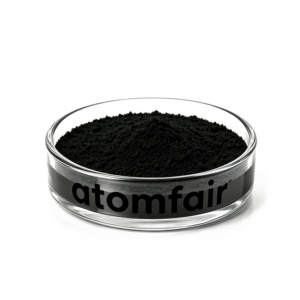
High-Conductivity Lithium Carbon Powder 400g 62m²/g ATOMFAIR®
$276.00 -
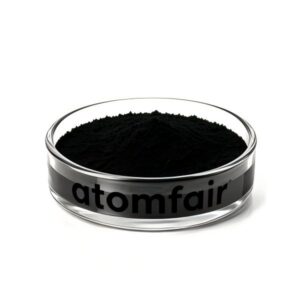
High-Porosity Conductive Carbon Black 600 m²/g ATOMFAIR®
$279.00 -
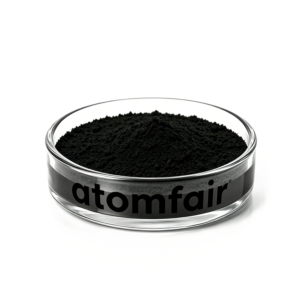
LH Whisker Carbon Nanotube 50g >99.95% Purity ATOMFAIR®
$460.00 -
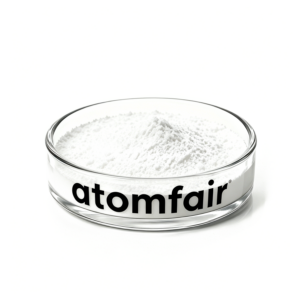
Lithium Carboxymethyl CMC-Li Battery Grade 500g ATOMFAIR®
$330.00 -
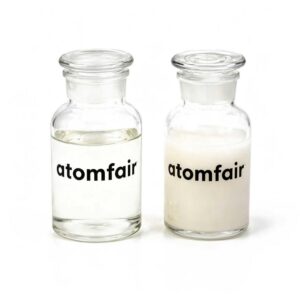
Lithium-Modified Polyacrylic Acid (PAA-Li) 1kg ATOMFAIR®
$276.00 -
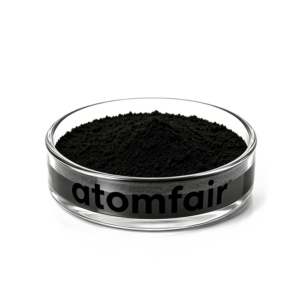
Nano Carbon Black Super P 400g Research Grade ATOMFAIR®
$266.00 -
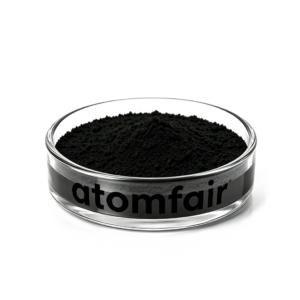
Nano Conductive Carbon Black 63.2 m²/g 400g ATOMFAIR®
$240.00 -
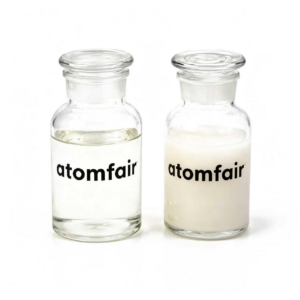
Polyacrylic Acid (PAA) Research Grade 1kg ATOMFAIR®
$275.00 -
Polytetrafluoroethylene (PTFE) 400g Research Grade ATOMFAIR®
$350.00 -
Polyvinylidene Fluoride (PVDF) 400g Research Grade ATOMFAIR®
$323.00 -
Polyvinylidene Fluoride (PVDF) 5130 Powder 200g ATOMFAIR®
$159.00 -
PVDF HSV900 Binder 200g High Purity Research Grade ATOMFAIR®
$159.00 -
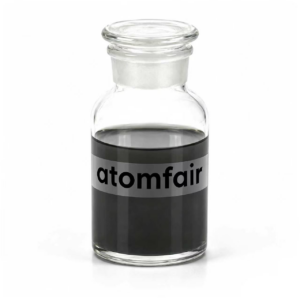
SC041S Single-Wall CNT Dispersion 0.4% 400g ATOMFAIR®
$250.00 -
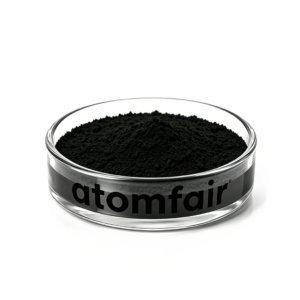
Single-Wall Carbon Nanotubes SWCNTs >85% Purity ATOMFAIR®
$2,257.00 -
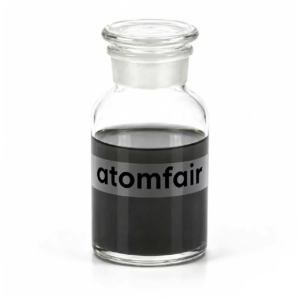
Single-Wall CNT NMP Dispersion SC041Y 0.4% ATOMFAIR®
$295.00 -
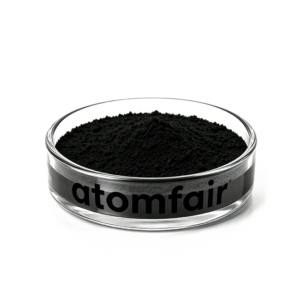
SR Single-Wall Carbon Nanotube >75% Purity 25g ATOMFAIR®
$471.00