
Battery Equipment
ATOMFAIR Battery Equipment is designed for battery materials research, electrode preparation, cell assembly, and pilot-scale process development. This category covers key equipment for slurry mixing, slurry filtration, electrode coating, drying, film forming, calendaring, slitting, die cutting, stacking, welding, electrolyte filling, vacuum sealing, cylindrical cell assembly, pouch cell preparation, lithium metal handling, solid-state battery preparation, and controlled-atmosphere operation.
This category supports universities, battery laboratories, materials R&D teams, corporate research centers, and pilot-line users who need to build complete or partial battery fabrication workflows. Equipment can be selected as individual machines or combined into process lines for pouch cells, cylindrical cells, coin cells, lithium metal batteries, sodium-ion batteries, and solid-state battery development.
When selecting battery equipment, buyers should focus on the process step, compatible battery format, sample size, batch volume, pressure range, temperature range, vacuum capability, atmosphere requirement, operating mode, throughput target, and future scale-up path. For research users, flexibility and adjustable parameters are often critical; for pilot-line users, repeatability, process stability, automation compatibility, and scale-up capability become more important.
Show More Battery Fabrication, Cell Assembly & Process Equipment
I. Choose Battery Equipment by Manufacturing Workflow
| Process Stage | Typical Equipment | Selection Focus |
|---|---|---|
| Material & Slurry Preparation | Vacuum mixers, V-type mixers, automatic weighing and feeding systems, slurry filtration devices, fibrillation equipment | Batch volume, slurry viscosity, mixing uniformity, filtration precision, de-ironing capability, cleaning convenience |
| Electrode Coating & Film Forming | Laboratory coating machines, pilot coating machines, automatic film coaters, multi-roll film forming systems, composite laminating machines | Coating width, film thickness range, thickness accuracy, drying temperature, substrate compatibility, continuous or intermittent coating mode |
| Calendaring & Densification | Manual rolling mills, electric rolling mills, heated rolling mills, hydraulic balanced rolling mills | Roll diameter, roll hardness, roll-gap precision, pressure range, temperature control, electrode width |
| Electrode Cutting & Conversion | Slitting machines, die cutting machines, disc cutters, lithium metal anode slitters, tab punching and trimming equipment | Cutting accuracy, burr control, electrode size, lithium foil compatibility, defect recognition capability |
| Cell Assembly | Stacking machines, coin cell crimpers, ultrasonic welders, tab riveting and forming machines, cell case loading equipment | Cell format, alignment accuracy, welding strength, operating cycle time, fixture compatibility |
| Electrolyte Filling & Sealing | Pouch cell filling and sealing machines, vacuum pre-sealers, heat sealers, secondary sealers, cylindrical grooving machines, sealing machines, crimping machines | Filling method, vacuum level, sealing head length, temperature control accuracy, sealing consistency, changeover convenience |
| Environment & Thermal Processing | Glove boxes, vacuum ovens, drying ovens, vacuum standing chambers | Oxygen and moisture control, vacuum range, temperature range, chamber size, sample transfer method |
II. Choose Equipment by Cell Format
| Cell Format | Recommended Equipment Direction | Typical Use |
|---|---|---|
| Coin Cells | Disc cutters, powder tablet presses, coin cell crimpers, small mixing and dosing tools | Material screening, basic electrochemical sample preparation, small-batch experiments |
| Pouch Cells | Coaters, rolling mills, die cutters, stackers, aluminum-plastic film forming machines, vacuum sealers, filling and sealing systems | Pouch cell R&D, pilot validation, process parameter development |
| Cylindrical Cells | Grooving machines, case loading machines, welding machines, crimping machines, sealing machines, wrapping machines, cleaning machines | Assembly of 18650, 21700, 26650, and related cylindrical cell formats |
| Prismatic Cells | Stacking machines, tab processing equipment, case forming and assembly equipment, welding equipment | Prismatic lithium battery and supercapacitor structure assembly |
| Lithium Metal Batteries | Lithium metal slitters, glove boxes, low-pressure assembly tools, inert-atmosphere transfer equipment | Lithium metal anode handling and moisture-sensitive material assembly |
| Solid-State Batteries | Dry-process film forming equipment, multi-nozzle preparation systems, composite laminating equipment, roll-to-roll solid-state platforms | Solid electrolyte membranes, composite electrodes, and all-solid-state cell structure validation |
III. Choose Equipment by Development Stage
| Stage | Equipment Characteristics | Suitable Users |
|---|---|---|
| Laboratory R&D | Compact footprint, flexible parameters, convenient manual or semi-automatic operation | University labs, materials research teams, early formulation screening groups |
| Process Development | Higher precision, stronger repeatability, support for larger sample dimensions | Corporate R&D centers, pilot laboratories, process scale-up teams |
| Pilot Validation | Higher automation level, stronger connection with upstream and downstream workflow steps | Trial production lines, pre-production validation teams, equipment introduction teams |
| Special Battery R&D | Support for lithium metal, solid-state electrolytes, electrolyte membranes, and composite electrodes | Solid-state battery, sodium-ion battery, and lithium metal battery development teams |
IV. Typical Battery Fabrication Paths
Pouch Cell Preparation Path
Slurry mixing → slurry filtration → coating → drying → calendaring → slitting or die cutting → stacking → tab welding → aluminum-plastic film forming → electrolyte filling → vacuum pre-sealing → standing → secondary sealing.
Cylindrical Cell Assembly Path
Electrode preparation → winding or core insertion → case loading → grooving → welding → electrolyte filling → crimping → sealing → cleaning → film wrapping.
Coin Cell Experiment Path
Material mixing → powder pressing or electrode cutting → disc punching → electrolyte addition → coin cell crimping.
Solid-State Battery Preparation Path
Solid electrolyte or composite electrode preparation → dry or wet film forming → lithium metal slitting → multilayer lamination or printing → pressure-assisted forming → inert-atmosphere assembly.
V. Battery Equipment Selection Checklist
| Selection Question | What to Check |
|---|---|
| Which process problem needs to be solved first? | Poor slurry dispersion, unstable coating, insufficient electrode densification, high cutting burrs, weak tab welding, or inconsistent sealing may require different equipment choices. |
| What are the sample size and batch volume? | Small laboratory samples, medium-format electrodes, and continuous pilot lines require different working widths, chamber sizes, fixtures, and throughput levels. |
| Will the material system change frequently? | Multi-formulation R&D benefits from equipment that is easy to clean, easy to adjust, and convenient for recipe or fixture changeover. |
| Is the material sensitive to oxygen or moisture? | Lithium metal, some solid electrolytes, and highly reactive materials may require controlled-atmosphere handling and careful sample transfer planning. |
| Is the bottleneck precision or throughput? | Precision issues point to roll gap, temperature control, alignment, thickness control, and burr control; throughput issues point to cycle time, automation, and continuous operation capability. |
| Will the process later scale to pilot validation? | If scale-up is planned, consider equipment with expandable workflows, linkable process steps, stable parameters, and traceable operating conditions. |
FAQ
1. We are starting pouch cell experiments. Which equipment should be prioritized first?
A practical starting workflow usually includes slurry mixing, coating, drying, calendaring, cutting, stacking, welding, aluminum-plastic film forming, vacuum sealing, and electrolyte filling equipment. If the budget is limited, start with the minimum process path needed to make repeatable samples, then add automation and consistency-improvement equipment later.
2. How should we choose between laboratory equipment and pilot-scale equipment?
Choose laboratory equipment when the goal is formulation screening, small sample preparation, and flexible parameter exploration. Choose pilot-scale equipment when the goal is process stability, batch consistency, larger electrode dimensions, automation compatibility, or preparation for production transfer.
3. What is commonly overlooked when selecting a coating machine?
Beyond coating width and speed, confirm slurry viscosity range, coating method, drying capability, substrate holding method, film thickness adjustment precision, and cleaning convenience. Many coating issues are related not only to the coating head, but also to slurry condition and drying behavior.
4. For rolling mills, should we focus more on pressure or roll-gap precision?
Both matter. In research use, roll-gap adjustment, roll surface precision, and repeatability are often critical. In pilot use, pressure stability, electrode width, web handling stability, and long-run consistency also become important.
5. What equipment considerations are important for lithium metal or solid-state battery work?
Focus on inert-atmosphere operation, lithium foil slitting compatibility, low-contamination contact materials, pressure control, thin-film forming capability, and sample transfer method. For moisture-sensitive systems, plan the relationship between glovebox operation, material handling, and downstream assembly before purchasing equipment.
6. How can we judge whether a pouch cell sealing machine fits our sample?
Check sealing head length, seal width, temperature range, temperature control accuracy, vacuum level, compatible pouch film size, tab position compatibility, and whether the machine supports pre-sealing, final sealing, or secondary sealing workflows.
7. Can cylindrical cell equipment support multiple cell sizes?
Some machines can support different formats through fixtures or molds, but grooving, sealing, crimping, case loading, and wrapping equipment must be checked against diameter, height, case structure, and cycle-time requirements. Confirm the target format, such as 18650, 21700, or 26650, before selection.
8. Can one machine create a complete battery fabrication workflow?
Most machines solve one process step. A complete workflow usually requires multiple machines for mixing, coating, calendaring, cutting, assembly, sealing, and post-processing. Equipment selection is usually more effective when planned from the full process path instead of a single machine parameter.
Showing 1–16 of 115 results
-
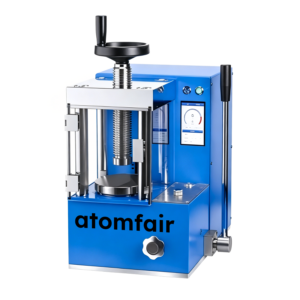
20-Ton Electric Tablet Press 0-20T 99% Qualified Rate ATOMFAIR®
$2,966.00 -
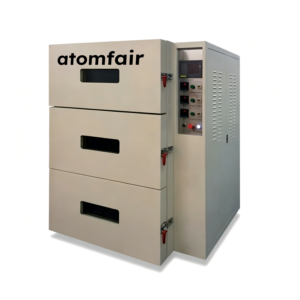
3-Chamber Vacuum Oven 150°C Lithium Battery
$15,566.00 -
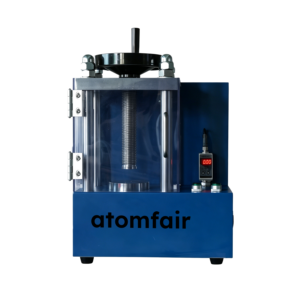
40T Electric Tablet Press Digital Display ATOMFAIR®
$2,000.00 -
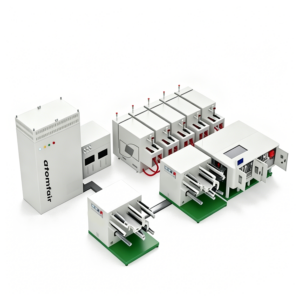
AF-5RFFE 5-Roll Film Forming Equipment 250mm
$50,000.00 -
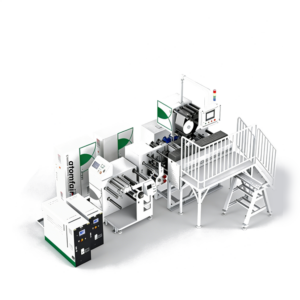
AF-6RFFE 6-Roll Double-Sided Film Forming System
$50,000.00 -
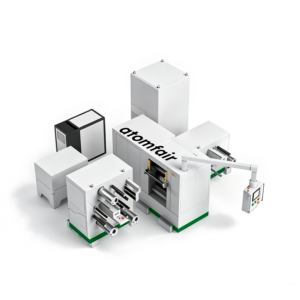
AF-CLM Composite Laminating Machine 250mm
$50,000.00 -
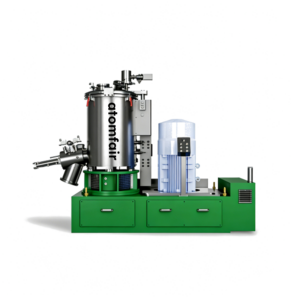
AF-FE230L Fibrillation Unit 230L Industrial
$50,000.00 -
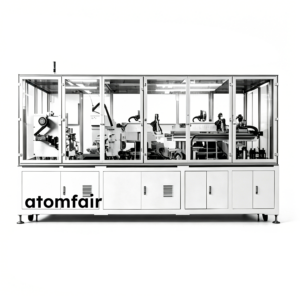
AF-ROLL-SSB All-Solid-State Battery Platform
$10,000.00 -
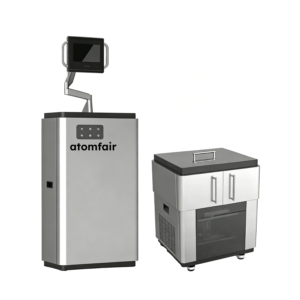
All-Solid-State Battery Prep System 4-Nozzle
$10,000.00 -
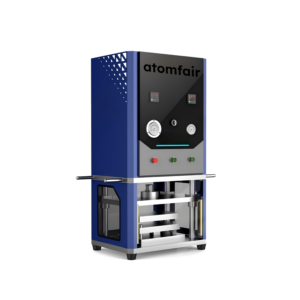
Aluminum-Plastic Film Forming Machine APF260
$6,059.00 -
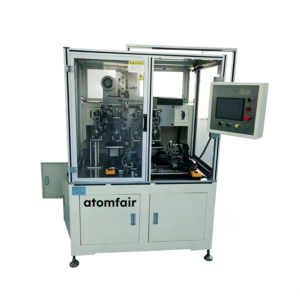
ASM-815 Automatic Stacking Machine Z-shape ±0.3mm
$5,000.00 -
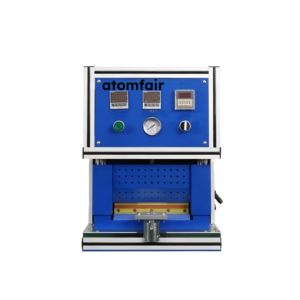
ATOMFAIR® Heat Sealing Machine, 300mm Pouch Cell
$1,734.00 -
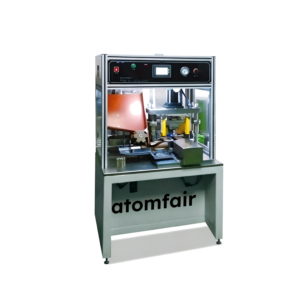
Auto Cylindrical Battery Sealer 18mm ATOMFAIR® 45-55 pcs/min
$73,472.00 -
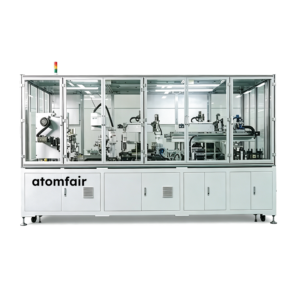
Automated Solid-State Battery Electrode Platform
$10,000.00 -
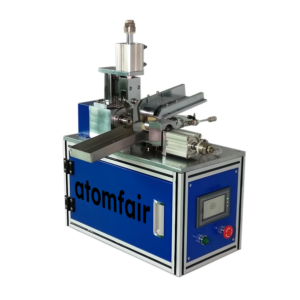
Automatic Battery Grooving Machine 30-40pcs/min
$16,230.00 -
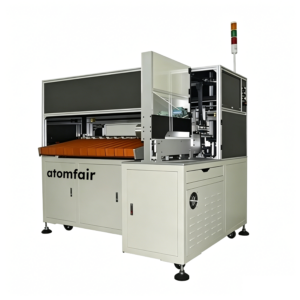
Automatic Battery OCV Tester OCV-736 ≥8PPM
$5,000.00