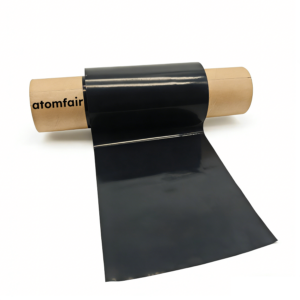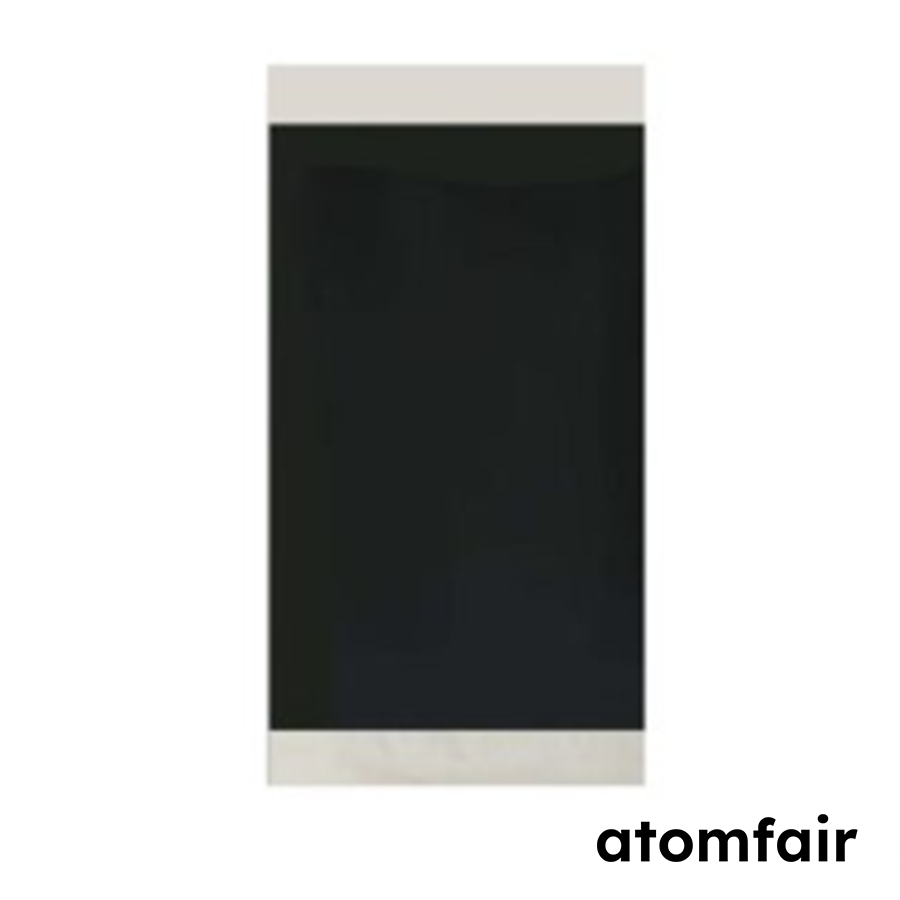
ATOMFAIR® LTO-D02-SN3 LITHIUM TITANATE (LTO) ELECTRODE SHEETRESEARCH GRADE MATERIAL
|
||||||||||||||||||||||||||||||||||||||||||||||
|
||||||||||||||||||||||||||||||||||||||||||||||
|
|||
|
TAILORED SOLUTIONS FOR RESEARCH
Contact our engineering team for technical support or official institutional quotations.
EMAIL: inquiry@atomfair.com
|
|||
|
Manufacturer: ATOMFAIR LLC
Brand: ATOMFAIR®
Disclaimer: Sold exclusively for laboratory research.
|
This double-side coated LTO electrode sheet requires moisture- and oxygen-free storage to preserve electrochemical stability. Avoid mechanical compression beyond the specified compaction density to prevent coating damage.
- Compaction Density Limit: Do not apply pressure exceeding 1.9 g/cm³ during cell assembly to maintain electrode integrity.
These steps outline proper handling to prevent contamination and physical damage. Follow sequentially to ensure electrode reliability before cell fabrication.
Required Equipment: Clean, lint-free gloves, Flat, rigid storage tray
- Inspect for Defects
Visually examine the electrode sheet for cracks, wrinkles, or coating delamination before use. - Transfer to Controlled Atmosphere
Place the sheet in an argon-filled glovebox with oxygen and moisture levels below 0.1 ppm within 10 minutes of opening the sealed package. - Store Flat
Keep the electrode sheet flat on the storage tray, avoiding stacking to prevent mechanical stress on the double-side coating.
How does the compaction density of 1.9 g/cm³ affect the rate capability and cycle life of LTO-D02-SN3 compared to lower density electrodes?
The compaction density of 1.9 g/cm³ balances volumetric energy density with rate capability. At this density, the LTO-D02-SN3 retains a nominal capacity of 300 mAh/g with a 93.5% active material ratio, but higher compaction would reduce porosity and limit lithium-ion diffusion at high C-rates, potentially accelerating capacity fade.
Can LTO-D02-SN3 be directly integrated into full cells with NMC cathodes without adjusting the N/P ratio, given its areal density of 24 mg/cm²?
Integration requires careful N/P ratio adjustment because the LTO anode's areal loading of 24 mg/cm² (double-side) and nominal capacity of 300 mAh/g yield a specific areal capacity that must be matched to the cathode to prevent lithium plating. The carbon-coated aluminum substrate (12+0.5+0.5 μm foil) provides stable electrical contact, but cell balancing is essential for safe operation.
What are the specific storage and handling requirements for the LTO-D02-SN3 electrode sheets to prevent moisture uptake and maintain electrochemical performance?
LTO-D02-SN3 sheets must be stored in a dry, inert atmosphere to avoid moisture absorption that can degrade LTO structure and performance. The required baking protocol under vacuum at 100°C for 12 hours, as specified, removes adsorbed water and ensures the electrode is ready for cell assembly.
The LTO-D02-SN3 electrode sheet offers a high active material ratio of 93.5% and a double-side coated carbon-coated aluminum substrate, but requires a 12-hour vacuum bake at 100°C prior to use and is restricted to laboratory research applications.
Positive
- High Active Material Ratio: At 93.5% active material, this LTO electrode maximizes capacity per unit mass, supporting higher energy density in research cells.
- Double-Side Coated Carbon Substrate: The carbon-coated aluminum foil substrate on both sides enhances electronic conductivity and adhesion, enabling consistent electrochemical performance at 24 mg/cm² loading.
Trade-offs
- Mandatory Vacuum Baking Protocol: The electrode requires a 12-hour vacuum bake at 100°C before use, adding significant preprocessing time and demanding compatible oven infrastructure.
- Laboratory-Use Only Restriction: Sold exclusively for laboratory research, this product is not qualified for commercial production, limiting scalability and deployment in pilot or manufacturing lines.
Every advanced material, component, equipment, and instrument in our catalog is backed by rigorous testing. We maintain strict internal quality management frameworks and align with CE conformity metrics to deliver transparent, reproducible performance data via our public open-science repository.
To request raw batch performance data, submit formal vendor registration paperwork, or execute a fast-turnaround R&D manufacturing loop, contact us at inquiry@atomfair.com.
Item is dispatched under the Atomfair Shipping & Delivery Framework (Free worldwide shipping on orders over $59 USD excl. heavy equipment). Return is governed by the Atomfair Return & Refund Policy (7-day technical return window).