
Liquid Handling
Liquid Handling instruments support accurate transfer, dispensing, aspiration, titration, and repeated reagent delivery across research, QC, teaching, and assay preparation workflows. This category brings together manual pipettes, electronic pipettes, multichannel pipettes, bottle-top dispensers, repeating pipettes, vacuum aspiration systems, and related bench instruments for routine laboratory liquid control.
Buyers typically select by volume range, channel count, operation mode, sterilization requirement, calibration reference, tip or bottle compatibility, and workflow throughput. For plate-based work, 8-, 12-, and 16-channel pipettes help accelerate ELISA, PCR, microplate loading, and repeated parallel transfers. For reagent bottles and larger-volume liquid delivery, bottle-top dispensers and electronic dispensers support controlled mL-range dispensing.
Many listed pipettes reference ISO 8655-2 calibration data, volume increments, systematic error, random error, and autoclavability information on the product detail page. Final selection should always confirm compatible tips, bottle threads, sterilization method, calibration needs, and chemical compatibility before ordering.
Show More: How to Choose Liquid Handling Instruments
Choose by Liquid Handling Task
| Task | Recommended Product Family | Selection Notes |
|---|---|---|
| Single sample transfer | Single-channel manual or electronic pipettes | Match volume range and increment to the protocol’s working volume. |
| Microplate loading | 8-, 12-, or 16-channel pipettes | Choose channel count based on plate format, throughput, and tip compatibility. |
| Repeated reagent dispensing | Bottle-top dispensers or repeating pipettes | Confirm mL range, bottle compatibility, and chemical resistance. |
| Digital dispensing or reduced hand fatigue | Electronic pipettes and electronic bottle-top dispensers | Useful for repeated transfers, programmable workflows, and operator comfort. |
| Liquid waste removal | Vacuum aspiration systems | Compare bottle capacity, vacuum level, benchtop footprint, and contamination control. |
| Controlled titration | Electronic titrators | Confirm dosing range, resolution, and reagent compatibility. |
Volume Range and Channel Count
For microliter-scale work, choose a pipette whose normal working range sits close to the protocol volume. A 20-200 µL pipette is usually better for 100 µL transfers than a much broader-range instrument, while low-volume PCR setup may require 0.1-2.5 µL, 0.5-10 µL, or 2-20 µL coverage. For plate workflows, multichannel pipettes reduce repeated hand motion and help keep timing consistent across rows or columns.
For milliliter-scale liquid delivery, bottle-top dispensers, repeating pipettes, pipette pumps, and aspiration systems are often more practical than standard air-displacement pipettes. Confirm whether the workflow requires sterile transfer, chemical resistance, waste collection, or repeated dispensing into tubes, bottles, flasks, or microplates.
Manual vs Electronic Operation
Manual pipettes are suitable for everyday sample preparation, teaching labs, assay setup, and general transfer work. They are simple to deploy, easy to share across benches, and available in many fixed and adjustable volume ranges.
Electronic pipettes and dispensers are better suited when protocols require repeated transfers, consistent dispensing rhythm, reduced operator fatigue, or finer control over repeated operation. For electronic units, confirm charging method, battery support, calibration workflow, and whether the lower half or full instrument is autoclavable.
Sterilization, Calibration, and Compatibility
Before selecting a liquid handling instrument, review whether the instrument is fully autoclavable, partially autoclavable, or requires surface cleaning only. Full autoclavability can be important for microbiology, cell culture, and contamination-sensitive workflows, while partial autoclavability may still be adequate for routine analytical work.
Calibration should be matched to the protocol’s tolerance. Product detail pages may provide test volumes, systematic error, random error, and ISO 8655-2 references. Tip compatibility, bottle thread fit, reagent compatibility, and accessory availability should be checked before purchase, especially for multichannel pipettes and bottle-top dispensers.
FAQ
What is included in the Liquid Handling category?
This category includes manual pipettes, electronic pipettes, multichannel pipettes, fixed-volume pipettes, bottle-top dispensers, repeating pipettes, vacuum aspiration systems, pipette pumps, and electronic titration instruments.
How do I choose the right pipette volume range?
Choose a pipette whose working range closely matches your common transfer volume. For best routine performance, avoid using a pipette only at the extreme low end of its stated range when tighter accuracy is required.
When should I choose a multichannel pipette?
Use an 8-, 12-, or 16-channel pipette for microplates, PCR plates, ELISA workflows, serial dilutions, and repeated parallel transfers where speed and consistency matter.
When is an electronic pipette useful?
Electronic pipettes are useful for repeated transfers, long assay setup sessions, programmable dispensing, and workflows where reducing hand fatigue improves consistency.
Are bottle-top dispensers suitable for all reagents?
Not automatically. Confirm chemical compatibility, bottle thread fit, volume range, sterilization requirements, and any required adapters before ordering.
What does ISO 8655-2 mean for pipettes?
ISO 8655-2 is a common reference for piston-operated volumetric apparatus calibration. When a product lists this reference, buyers should still review the stated test volumes, systematic error, random error, and calibration instructions.
Do I need fully autoclavable liquid handling instruments?
Fully autoclavable instruments are useful for sterile or contamination-sensitive work. For routine analytical transfer, partially autoclavable or cleanable designs may be acceptable depending on the protocol.
What accessories should I confirm before buying?
Confirm compatible pipette tips, filter tips, bottle adapters, charging accessories, waste bottles, tubing, calibration needs, and any replacement parts required for your workflow.
Showing 17–32 of 152 results
-
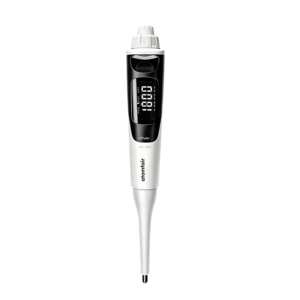
dPette Single-Channel Pipette 30-300 μL ISO 8655 ATOMFAIR®
$214.00 -
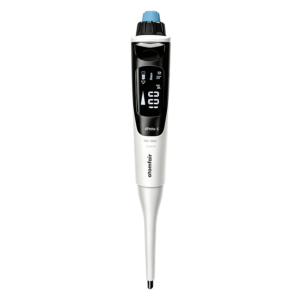
dPette-S Single-Channel 5-50 µL 0.1 µL Pipette ATOMFAIR®
$214.00 -
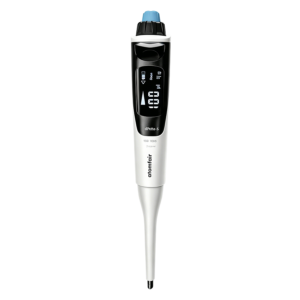
dPette-S Single-Channel Pipette 100-1000μL ATOMFAIR®
$214.00 -
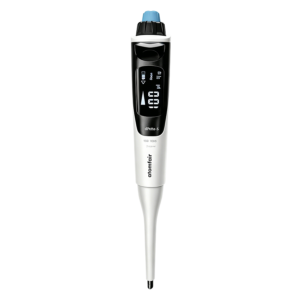
dPette-S Single-Channel Pipette 30-300 μL ATOMFAIR®
$214.00 -
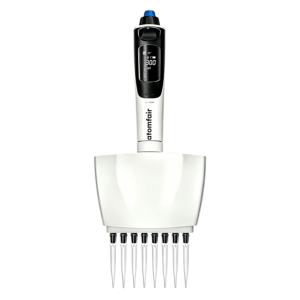
dPette+ 8-Channel 0.5-10 μL Electronic Pipette ATOMFAIR®
$531.00 -
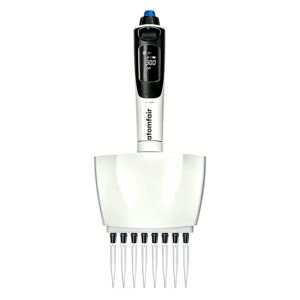
dPette+ 8-Channel 10-100 μL Electronic Pipette ATOMFAIR®
$531.00 -
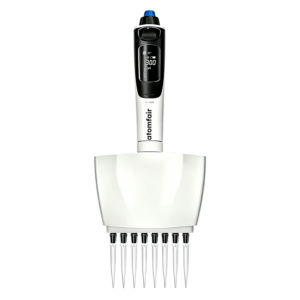
dPette+ 8-Channel 15-300 µL Electronic Pipette ATOMFAIR®
$531.00 -
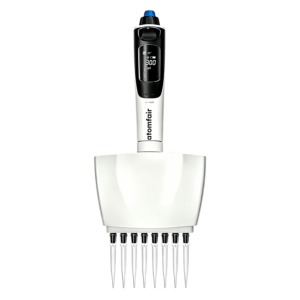
dPette+ 8-Channel Electronic Pipette 20-200 μL ATOMFAIR®
$531.00 -
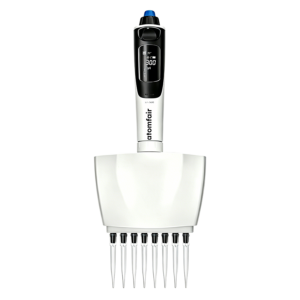
dPette+ 8-Channel Pipette 30-300 μL, 1 μL Step ATOMFAIR®
$531.00 -
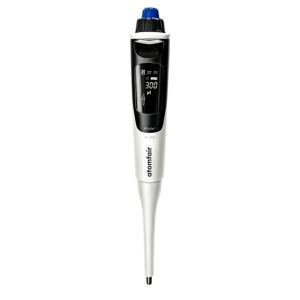
dPette+ Single-Channel Pipette 0.5-10 μL ISO 8655 ATOMFAIR®
$252.00 -
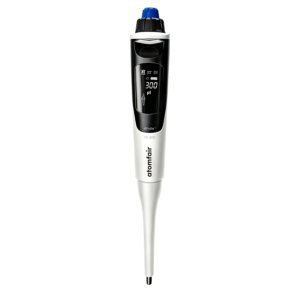
dPette+ Single-Channel Pipette 100-1000μL ATOMFAIR®
$252.00 -
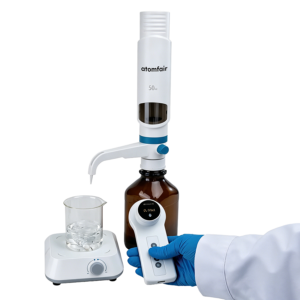
dTitre-S Electronic Titrator 0.010-99.999 mL ATOMFAIR®
$827.00 -
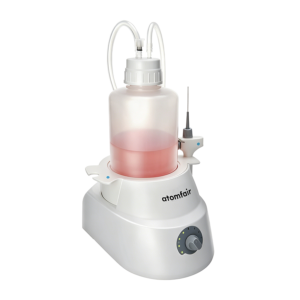
EcoVac Vacuum Aspiration System 2 L 500 mbar ATOMFAIR®
$322.00 -
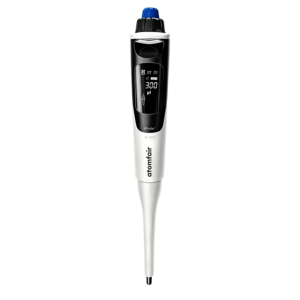
Electronic Single-Channel Pipette 5-50 μL ATOMFAIR®
$252.00 -
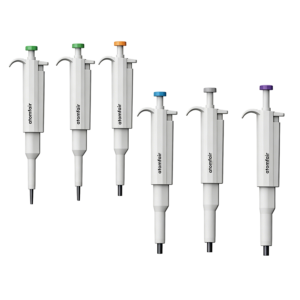
Fixed-Volume 200μL Mini TopPette Pipette ATOMFAIR®
$4.00 -
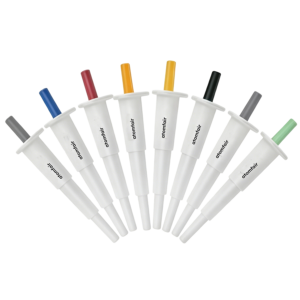
Fixed-Volume Mini Pipette 100 μL ISO 8655-2 ATOMFAIR®
$2.00