
Lab Storage & Component Carriers
Lab Storage & Component Carriers include protective boxes, trays, bags, and wafer containers for delicate research components that need organized handling during inspection, transfer, short-term storage, or packaging preparation. This category supports fragile optical parts, chips, wafers, ceramic parts, crystals, miniature assemblies, and other precision samples where direct contact, shifting, dust exposure, or electrostatic risk may affect handling quality.
The current selection includes membrane boxes for suspended non-clamping protection, sticky boxes for adhesive positioning, vacuum release trays for indexed component retention and controlled release, optical protect bags for clean protective packaging, and wafer containers for substrate storage. Buyers can choose by component size, retention method, visibility requirement, grid layout, adhesion level, shell material, and workflow compatibility.
For sensitive components, confirm usable inner dimensions, surface finish, release force, electrostatic sensitivity, and packaging environment before ordering. Custom shell colors, latch options, anti-static materials, mesh densities, tray layouts, and project-specific packaging formats may be available upon request.
Show More
Choose by Retention Method
| Product Family | Best For | Selection Notes |
|---|---|---|
| Membrane Boxes | Fragile, polished, irregular, or display-ready parts | Check usable inner size, membrane pressure, latch need, and sharp-edge risk. |
| Sticky Boxes | Small parts that need simple surface positioning | Confirm adhesive compatibility, component finish, cavity depth, and clean handling needs. |
| Vacuum Release Trays | Chips, MEMS, thin films, micro devices, mapped samples | Choose grid count, adhesion level, mesh density, and compatible release equipment. |
| Wafer Containers | Single wafers or multi-wafer storage | Match wafer diameter, capacity, material compatibility, and clean transfer workflow. |
| Optical Protect Bags | Optical parts and clean packaged components | Select bag size, pack quantity, cleanroom expectation, and abrasion sensitivity. |
Component Size and Layout Planning
For single large or irregular parts, membrane boxes and open-cavity sticky boxes usually provide easier loading and visual inspection. For many small components, indexed vacuum release trays help preserve position, batch identity, and retrieval order. For wafer-shaped substrates, wafer containers are more appropriate than general-purpose boxes because they reduce edge handling and improve storage organization.
When selecting a box or tray, compare the outer size, usable inner dimensions, height clearance, retention surface, and closure style. A component should fit without excessive membrane pressure, adhesive overload, sharp-edge damage, or uncontrolled movement inside the package.
Clean Handling and Sensitive Surfaces
Delicate optics, crystals, chips, ceramic components, coated samples, and miniature assemblies may require non-clamping storage to reduce surface rubbing and edge impact. Clear shells support inspection without unpacking, while black or anti-static configurations may be preferred for contrast, light-sensitive components, or ESD-aware workflows.
For electrostatic-sensitive or contamination-sensitive parts, confirm whether anti-static materials, conductive trays, cleanroom packaging, or custom closure options are needed. For vacuum release trays, also verify mesh density, adhesion level, and release-system compatibility before final batch selection.
Typical Application Paths
| Application | Recommended Starting Point |
|---|---|
| Optical lens, crystal, or polished part transfer | Membrane box or optical protect bag |
| Chip, MEMS, ceramic part, or miniature assembly storage | Sticky box or membrane box |
| Mapped micro-components or batch inspection | Vacuum release tray with suitable grid count |
| Wafer storage and lab transfer | Single-wafer or multi-wafer container |
| Clean short-term packaging for optical samples | Optical protect bags or clear component boxes |
FAQ
How do I choose between a membrane box and a sticky box?
Choose a membrane box when the component should be suspended with minimal hard contact. Choose a sticky box when the component can safely rest on an adhesive positioning surface and needs simple non-clamping retention.
What should I check before ordering a membrane box?
Check the usable inner dimensions, component height, edge sharpness, pressure points, closure style, and whether anti-static material or latch closure is required.
When is a vacuum release tray better than a sticky box?
A vacuum release tray is better for indexed arrays, repeated pick-and-place workflows, mapped samples, or delicate micro-components that require controlled release. Sticky boxes are simpler for open-cavity short-term storage.
Do vacuum release trays require additional equipment?
Many vacuum release tray workflows require a compatible vacuum station and pump system. Confirm the release method and system compatibility before ordering trays for production or repeated lab use.
Are these carriers suitable for optical components?
Yes, many listed formats are intended for optical parts, crystals, polished components, and other fragile precision items. Select the format based on surface sensitivity, required visibility, and packaging cleanliness.
Can I use these products for ESD-sensitive chips or devices?
Some tray and box configurations may support anti-static or conductive materials, but ESD requirements should be confirmed for the specific SKU or custom option before use.
What information should I provide for a custom inquiry?
Provide component dimensions, weight, surface sensitivity, ESD or cleanroom requirements, preferred closure, quantity, packaging method, and whether indexed layout or visual inspection is required.
Showing 1–16 of 82 results
-
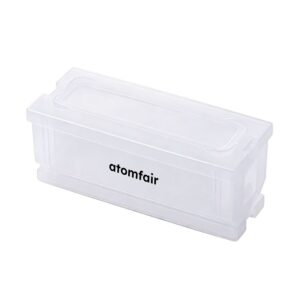
2 inch 25-Wafer Container
Price range: $37.00 through $65.00 -
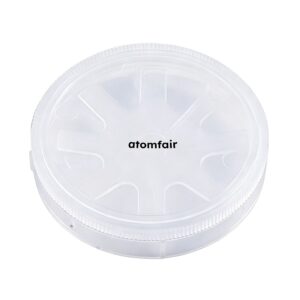
2 inch Single-Wafer Container
$39.00 -
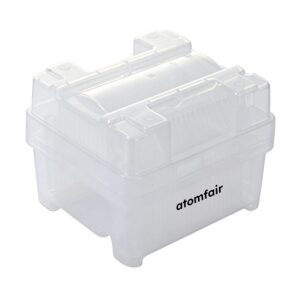
4 inch 25-Wafer Container
Price range: $54.00 through $96.00 -
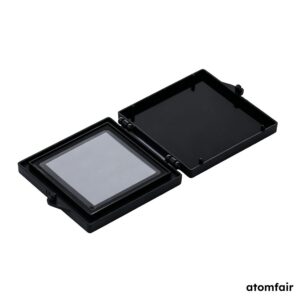
LID-TYPE VACUUM RELEASE TRAY 100 GRID HIGH ADHESION
$75.00 -
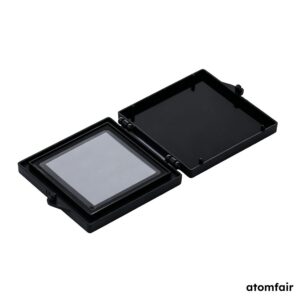
LID-TYPE VACUUM RELEASE TRAY 100 GRID LOW ADHESION
$75.00 -
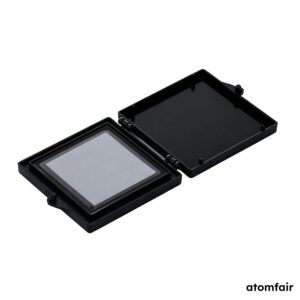
LID-TYPE VACUUM RELEASE TRAY 100 GRID MEDIUM ADHESION
$75.00 -
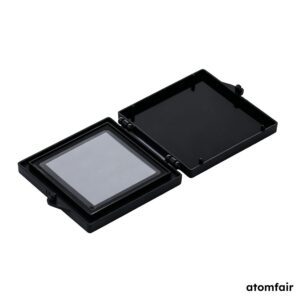
LID-TYPE VACUUM RELEASE TRAY 100 GRID ULTRA-LOW ADHESION
$75.00 -
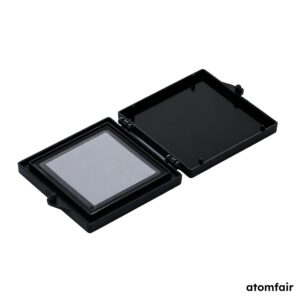
LID-TYPE VACUUM RELEASE TRAY 30 GRID HIGH ADHESION
$75.00 -
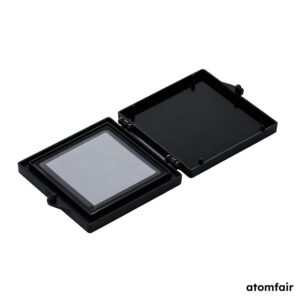
LID-TYPE VACUUM RELEASE TRAY 30 GRID LOW ADHESION
$75.00 -
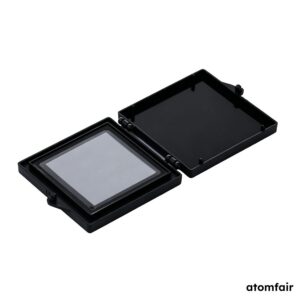
LID-TYPE VACUUM RELEASE TRAY 30 GRID MEDIUM ADHESION
$75.00 -
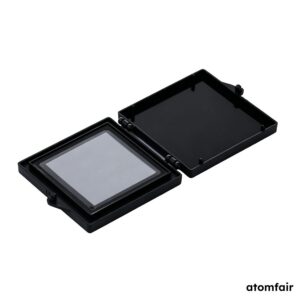
LID-TYPE VACUUM RELEASE TRAY 30 GRID ULTRA-LOW ADHESION
$75.00 -
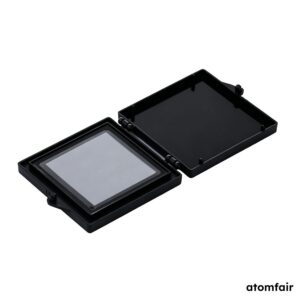
LID-TYPE VACUUM RELEASE TRAY 400 GRID HIGH ADHESION
$75.00 -
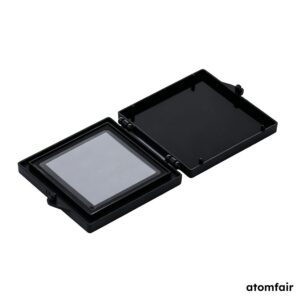
LID-TYPE VACUUM RELEASE TRAY 400 GRID LOW ADHESION
$75.00 -
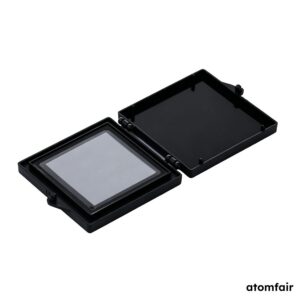
LID-TYPE VACUUM RELEASE TRAY 400 GRID MEDIUM ADHESION
$75.00 -
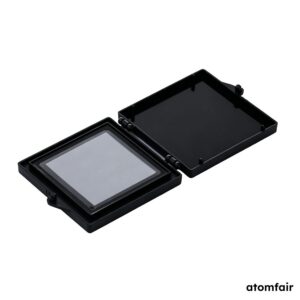
LID-TYPE VACUUM RELEASE TRAY 400 GRID ULTRA-LOW ADHESION
$75.00 -
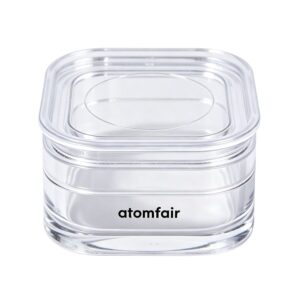
Membrane Box 100 x 100 x 30 mm
$48.00