
Description
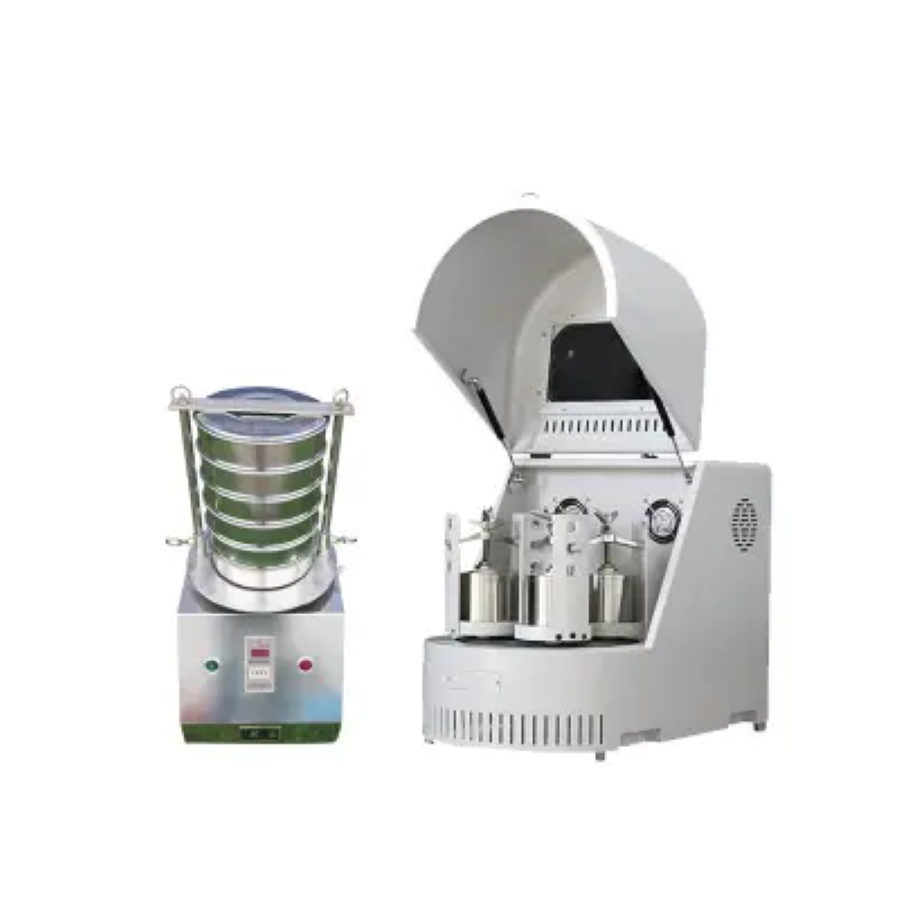
PBM-20 PLANETARY BALL MILL 4KW SOIL GRINDER 20L HEAVY METAL ANALYSISLABORATORY GRADE EQUIPMENT
|
|||||||||||||||||||||||||||||||||||||||||||||||||||||||||||||||||||||||||||||||||||||||||||||||||||||||||||||||||||||||||||||||||||||||||||||||||||
|
|||||||||||||||||||||||||||||||||||||||||||||||||||||||||||||||||||||||||||||||||||||||||||||||||||||||||||||||||||||||||||||||||||||||||||||||||||
|
TAILORED SOLUTIONS FOR RESEARCH
Contact our engineering team for technical support or official quotations.
EMAIL: inquiry@atomfair.com
|
|||||||||||||||||||||||||||||||||||||||||||||||||||||||||||||||||||||||||||||||||||||||||||||||||||||||||||||||||||||||||||||||||||||||||||||||||||
|
Manufacturer: Atomfair LLC
Brand: ATOMFAIR®
|
The PBM-20 is a 4KW planetary ball mill with rotating and electrical hazards requiring controlled operation. Grinding jars and balls must be ordered separately and selected for material compatibility to avoid cross-contamination and mechanical failure.
- Electrical Hazard: Operate the mill only with a properly grounded 220V AC supply and adhere to the 48-hour continuous full-load limit to prevent motor overload.
- Mechanical Hazard: Ensure the grinding jars are securely sealed with the graduated scale adjusted to the recommended pressure to prevent spillage and mechanical imbalance.
- Feed Size Constraint: Do not exceed a feed particle size of 10 mm for soil samples or 3 mm for other materials to avoid jamming and excessive wear.
- Material Compatibility: Select grinding jar and ball materials such as WC-Co, Al2O3, agate, YSZ, or SS that are chemically and physically compatible with the target sample to avoid contamination and chemical reaction.
- Operational Mode: Dry, wet, and vacuum grinding modes are supported; ensure the system is configured correctly for the chosen mode to prevent damage from incompatible conditions.
This procedure describes the safe initialization and operation of the PBM-20 planetary ball mill for soil grinding. Following these steps ensures correct configuration, sample loading, and commencement of grinding with appropriate safety measures.
Required Equipment: Grinding jars and balls, Graduated scale on jar holder, Variable frequency controller, Electric screener with sieves
- Inspect the mill and accessories
Inspect the main grinding unit, electric screener, and all included sieves for any visible damage or loose connections before connecting to power. - Connect power and set controller parameters
Connect the mill to a properly grounded 220V AC outlet and configure the variable frequency controller with the desired forward-reverse timing and continuous run duration up to 48 hours. - Adjust jar sealing pressure
Adjust the sealing pressure of the grinding jars using the graduated scale to ensure a secure seal appropriate for the grinding mode (dry, wet, or vacuum). - Load sample and grinding media
Load the sample (feed size ≤10 mm for soil) and grinding balls (filling 40% of jar capacity) into the grinding jars, ensuring the jar and ball material are compatible with the sample. - Start the grinding cycle
Start the mill using the controller and monitor the process for the set duration; the mill will automatically stop with the forward-reverse commutation if programmed. - Unload and screen the ground material
After the mill stops, unload the ground material and transfer it to the electric screener fitted with the desired mesh sieves (20–200 mesh) for particle size classification.
What is the trade-off in using stainless steel versus agate grinding jars for trace heavy metal soil analysis in the PBM-20?
For trace heavy metal analysis, agate jars (natural SiO₂) are explicitly labeled for zero-metal analysis, making them the preferred choice to avoid contamination. Stainless steel jars are a common alternative but may introduce Fe, Cr, and Ni from jar wear. The product's standard configuration lists both materials and advises selecting jar materials compatible with the target material to avoid cross-contamination.
Can the PBM-20 process materials other than soil, and what feed size constraints apply?
Yes, the PBM-20 can process other materials, but feed particle size constraints differ: ≤10 mm for soil samples and ≤3 mm for other materials. The mill supports dry, wet, and vacuum grinding modes, and can operate with two or four 5 L jars simultaneously for flexible processing.
What are the electrical and spatial requirements for installing the PBM-20 in a laboratory?
The PBM-20 requires a 220V AC power supply, weighs 392 kg, and measures 1200 mm × 790 mm × 930 mm. It features an adjustable jar sealing pressure via a graduated scale. These specifications, along with the 4KW motor's 48-hour continuous operation, demand adequate floor loading capacity, bench space, and electrical infrastructure.
The PBM-20 planetary ball mill is a 4 kW, 20 L capacity system designed for heavy metal analysis in soil, capable of ultrafine grinding to 0.1 μm with integrated electric screening. Its 48-hour continuous operation and three grinding modes support high-throughput soil sample preparation.
Positive
- Integrated grinding and screening system: Combines a planetary ball mill with a seven-layer electric screener (20–200 mesh) in one unit, enabling direct soil sample preparation without separate sieving equipment.
- Ultrafine output with adjustable sealing: Produces sub-micron particles (down to 0.1 μm) from soil feed up to 10 mm, with graduated jar sealing pressure for reproducible particle refinement.
Trade-offs
- Grinding jars and balls ordered separately: Base main unit does not include grinding jars or balls; these must be selected and purchased separately, adding logistical steps and material compatibility decisions.
- Requires 220V AC single-phase supply: Operation is limited to 220V AC mains; facilities with different voltage standards need a step-down transformer, and the 4 kW motor draws significant current at this voltage.
Every advanced material, component, equipment, and instrument in our catalog is backed by rigorous testing. We maintain strict internal quality management frameworks and align with CE conformity metrics to deliver transparent, reproducible performance data via our public open-science repository.
To request raw batch performance data, submit formal vendor registration paperwork, or execute a fast-turnaround R&D manufacturing loop, contact us at inquiry@atomfair.com.
Item is dispatched under the Atomfair Shipping & Delivery Framework (Free worldwide shipping on orders over $59 USD). Return is governed by the Atomfair Return & Refund Policy (7-day technical return window).
