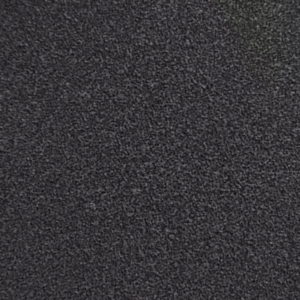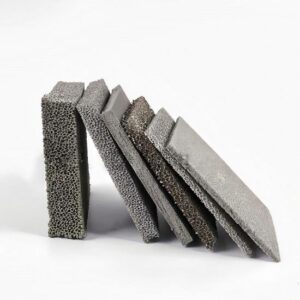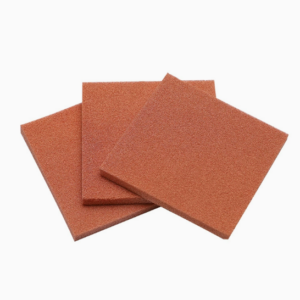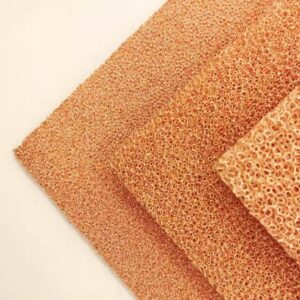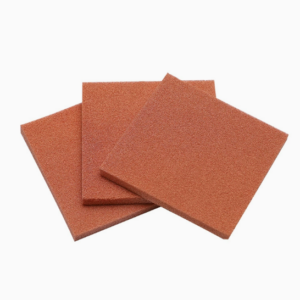
Foam Nickel-Molybdenum (Ni-Mo Foam)
I. Core Product Introduction
Ni-Mo Foam Dimension Table
II. Main Specifications
III. Overview and Key Properties of Ni-Mo Foam Alloy
1. Material Overview
2. Key Properties
If you’re interested, have any questions, or have specific customization requirements, please feel free to contact us at inquiry@atomfair.com.
What is the advantage of using a nickel-molybdenum alloy over pure nickel for hydrogen evolution electrodes in terms of overpotential and durability?
The Ni-Mo alloy with 85% Ni and 15% Mo creates a synergistic effect that provides superior hydrogen evolution activity and lower hydrogen evolution overpotential compared to pure nickel. The product maintains stable activity for over 10,000 hours under electrolysis conditions, indicating enhanced durability.
What range of electrode dimensions are available for Ni-Mo foam to fit different electrolyzer configurations?
Ni-Mo foam electrodes are available in widths from 100 mm to 960 mm in roll or sheet form and thicknesses from 1.0 mm to 4.0 mm, with customizable cutting. Standard lengths include 100 mm and 200 mm as shown in the dimension table, and custom specifications are available upon request for integration into various electrolyzer designs.
What manufacturing process ensures the structural integrity and uniform porosity of Ni-Mo foam for long-term hydrogen evolution?
The foam is manufactured through a multi-step process: vacuum PVD of a Ni thin film on polyurethane foam, followed by electrodeposition of a uniform Ni coating, Ni-Mo alloy deposition, and sintering reduction. This ensures strong bonding between the deposit layer and substrate, excellent material consistency, and stable quality control for mass production, supporting the electrode's ultra-long stable operation exceeding 10,000 hours.
Foam Ni-Mo electrode offers high porosity (>95%) and large surface area for enhanced electrocatalytic hydrogen evolution, with alloy synergy reducing overpotential and ensuring >10,000 hour operational stability, though its multi-step fabrication imposes processing constraints.
Positive
- Optimized pore structure for high activity: Precisely engineered pore size and surface roughness expand real surface area and multiply catalytic active sites, significantly boosting apparent catalytic activity.
- Ultra-long stable operation >10,000 hours: Rigorously tested to maintain stable hydrogen evolution activity for over 10,000 hours under electrolysis conditions without degradation, enabled by alloy synergy and continuous electrodeposition process.
Trade-offs
- Multi-step precision fabrication required: Manufactured via vacuum PVD, electrodeposition, and sintering reduction steps, requiring specialized equipment and strict process control, which may limit supply flexibility and increase lead time.
- Porous structure sensitive to fouling: Open pore rate >95% and high porosity maximize surface area but also render the electrode susceptible to pore blockage by particulates or gas bubbles in non-ideal electrolyte conditions, requiring clean operating environments.
Every advanced material, component, equipment, and instrument in our catalog is backed by rigorous testing. We maintain strict internal quality management frameworks and align with CE conformity metrics to deliver transparent, reproducible performance data via our public open-science repository.
To request raw batch performance data, submit formal vendor registration paperwork, or execute a fast-turnaround R&D manufacturing loop, contact us at inquiry@atomfair.com.
Item is dispatched under the Atomfair Shipping & Delivery Framework (Free worldwide shipping on orders over $59 USD excl. heavy equipment). Return is governed by the Atomfair Return & Refund Policy (7-day technical return window).