NICKEL FOAM 5-130PPI ACID ALKALI 98% OPEN RATE SOLID-LIQUID SEPARATIONADVANCED POROUS METAL MATERIAL
|
||||||||||||||||||||||||||||||||||||||||||||||||||||||||||||||||||
|
||||||||||||||||||||||||||||||||||||||||||||||||||||||||||||||||||
|
TAILORED SOLUTIONS FOR RESEARCH
Contact our engineering team for technical support or official quotations.
EMAIL: inquiry@atomfair.com
|
||||||||||||||||||||||||||||||||||||||||||||||||||||||||||||||||||
|
Manufacturer: Atomfair LLC
Brand: ATOMFAIR®
|
How does varying the PPI (pores per inch) from 5 to 130 affect the filtration performance and mechanical integrity of this nickel foam?
Higher PPI increases filtration precision but reduces pore size and may lower mechanical strength. The foam offers a PPI range of 5–130 with tensile strength 8–50 MPa and compressive strength ≥250 KPa. For solid-liquid separation of lubricating oil, a balance between pore size and strength is required; the product's through-hole rate ≥98% ensures minimal flow resistance.
Is this nickel foam suitable for use as an electrode substrate in alkaline electrolysis for hydrogen production?
Yes, it is acid and alkali resistant and listed for electrochemical engineering applications including electrolytic hydrogen production. The foam's high porosity (60–98%) and open rate (≥98%) provide large surface area for electrocatalysis, and its operating temperature exceeds 500°C, suitable for alkaline electrolysis conditions.
What are the recommended methods for cutting and shaping this nickel foam without collapsing its porous structure?
The foam can be cut, bent, and simply pasted without special tools due to its lightweight nature (specific gravity 0.2–0.3) and mechanical strength of ≥2–7 MPa. It is fireproof and high temperature resistant, so standard workshop cutting methods are acceptable; however, avoid excessive compression that could reduce porosity below the specified 60% minimum.
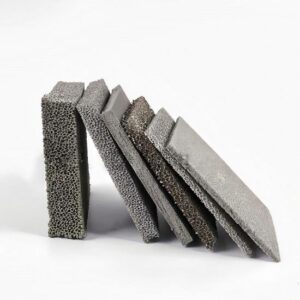
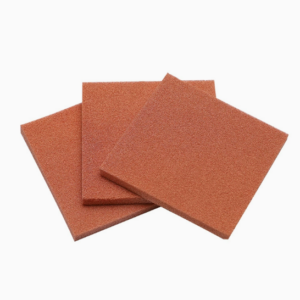
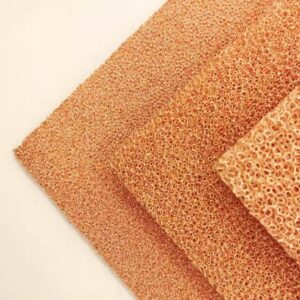
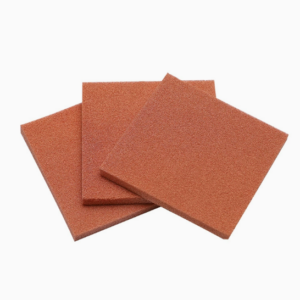
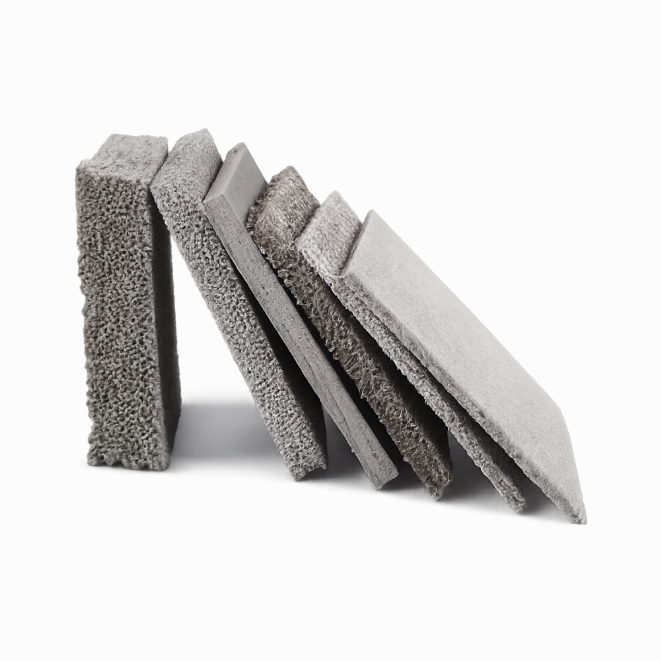
Atomfair nickel foam (5-130 PPI, 150x200x5mm) offers high porosity (98% open rate) and thermal stability up to 1100°C, suitable for solid-liquid separation and catalytic applications. Its porous structure provides excellent air permeability and corrosion resistance, though mechanical strength is limited.
Positive
- High Porosity and Open Rate: The 60-98% porosity and ≥98% through-hole rate enable efficient fluid filtration and gas-liquid flow with minimal pressure drop, ideal for separation and catalytic processes.
- Thermal and Chemical Stability: Withstands operating temperatures ≥500°C (up to 1100°C) and resists acids and alkalis, allowing deployment in corrosive environments and high-temperature applications.
Trade-offs
- Moderate Mechanical Strength: Tensile strength of 8-50 MPa and compressive strength ≥250 KPa reflect inherent trade-offs of porous metal foams, limiting use in load-bearing structural applications.
Every advanced material, component, equipment, and instrument in our catalog is backed by rigorous testing. We maintain strict internal quality management frameworks and align with CE conformity metrics to deliver transparent, reproducible performance data via our public open-science repository.
To request raw batch performance data, submit formal vendor registration paperwork, or execute a fast-turnaround R&D manufacturing loop, contact us at inquiry@atomfair.com.
Item is dispatched under the Atomfair Shipping & Delivery Framework (Free worldwide shipping on orders over $59 USD excl. heavy equipment). Return is governed by the Atomfair Return & Refund Policy (7-day technical return window).