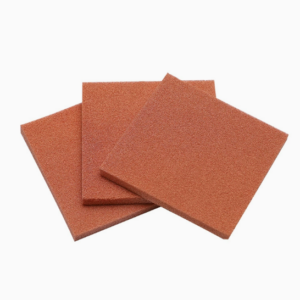
Foam Cobalt Product Information
I. Basic Technical Specifications
Available Standard Sizes (Pure Foam Cobalt)
II. Core Features
III. Main Application Fields
How does the specific surface area of Foam Cobalt (99.9% purity, 95-98% porosity) compare to other metal foams, and what trade-off exists between pore density and areal density for catalytic applications?
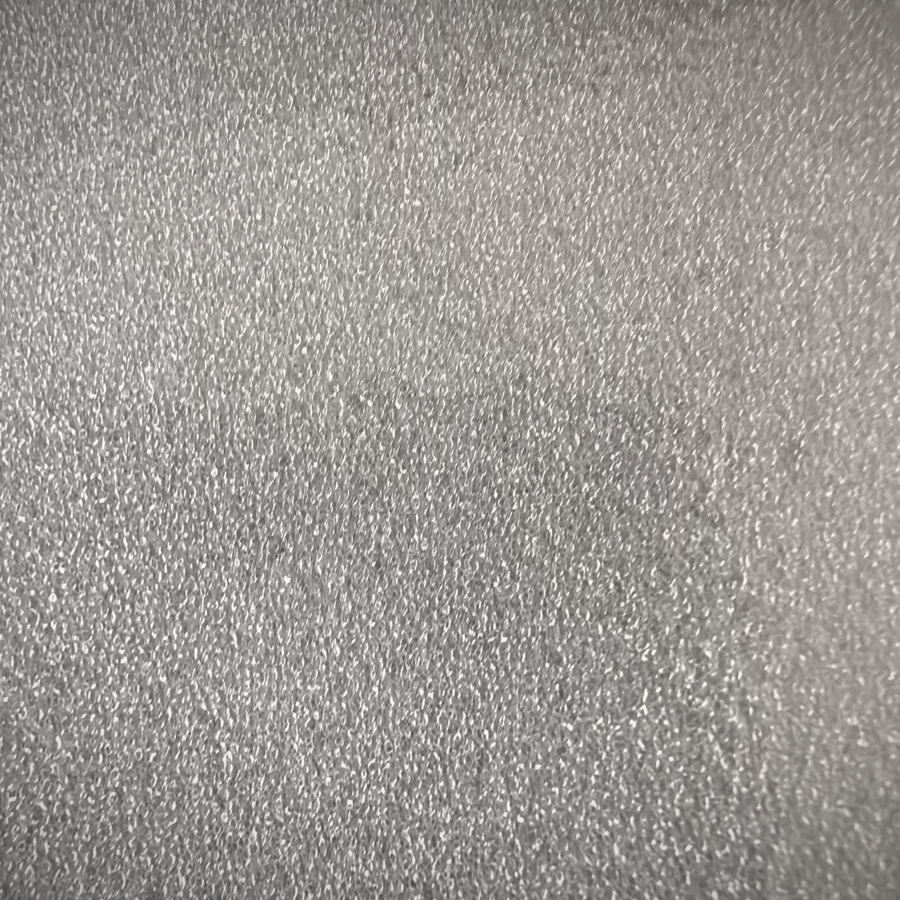
Foam Cobalt achieves an ultra-high specific surface area that outperforms other porous materials at the same open pore rate (>98%). The pore density (110–130 ppi) and areal density (100–2000 g/m²) can be adjusted to balance surface area and flow resistance, though specific comparative data is not provided. The high porosity ensures excellent permeability, making it suitable for catalyst carriers.
What are the integration considerations when using Foam Cobalt as an electrode material in a PEM fuel cell or water electrolyzer?
Foam Cobalt is applicable as a fuel cell electrode material and for water electrolysis. Its high porosity (95-98%) and open pore structure (>98%) facilitate gas diffusion and fluid flow. However, its compatibility with specific membrane-electrode assemblies or electrolyte systems should be verified, as no direct data on electrochemical performance under operating conditions is provided. The material's corrosion resistance to acids and alkalis supports use in various electrochemical environments.
Can Foam Cobalt be mechanically processed (cut, stamped, bent) without compromising its pore structure or high-temperature resistance?
Yes, Foam Cobalt is designed for easy processability, including cutting, stamping, and bending, without degrading its porous architecture. The material maintains structural stability above 1100°C and is non-flammable, so standard machining operations are safe. However, to preserve the open pore rate (>98%) and prevent contamination, clean cutting tools and minimal lubricant are recommended.
This foam cobalt product offers a high specific surface area and exceptional thermal stability up to 1100°C, but its fixed pore size range (0.2–0.3 mm) and maximum sheet dimensions (300mm×500mm) impose constraints on application flexibility and scale-up.
Positive
- Ultra-High Specific Surface Area: Outperforms other porous materials in specific surface area under the same open pore rate, critical for catalysis and electrode applications.
- Exceptional High-Temperature Stability: Maintains structural stability above 1100°C and is non-flammable, suitable for extreme thermal environments.
Trade-offs
- Fixed Pore Size Range: Pore size is fixed at 0.2–0.3 mm corresponding to 110–130 PPI, limiting flexibility for applications requiring larger or smaller pores.
- Maximum Sheet Size Constraint: The maximum available sheet dimensions are 300mm×500mm, which may constrain large-area deployment or require joining multiple pieces.
Every advanced material, component, equipment, and instrument in our catalog is backed by rigorous testing. We maintain strict internal quality management frameworks and align with CE conformity metrics to deliver transparent, reproducible performance data via our public open-science repository.
To request raw batch performance data, submit formal vendor registration paperwork, or execute a fast-turnaround R&D manufacturing loop, contact us at inquiry@atomfair.com.
Item is dispatched under the Atomfair Shipping & Delivery Framework (Free worldwide shipping on orders over $59 USD excl. heavy equipment). Return is governed by the Atomfair Return & Refund Policy (7-day technical return window).