
Separators & Current Collectors
ATOMFAIR Separators & Current Collectors brings together the thin films, coated membranes, metal foils, composite foils, and pre-cut formats used to build research and pilot-scale battery cells. This category covers conventional Li-ion separator rolls, coin-cell separator discs, ceramic and polymer coated separators, solid-state compatible membranes, and current collector substrates for cathode and anode preparation.
For separator selection, buyers should compare thickness, porosity, air permeability, puncture strength, thermal shrinkage, electrolyte wettability, coating chemistry, and cell format. For current collectors, the key decision points are foil material, thickness, surface treatment, coating layer, width, adhesion requirement, corrosion resistance, and compatibility with the cathode or anode chemistry.
This category is especially useful for lithium-ion, sodium-ion, lithium-metal, zinc-based, metal-air, solid-state, semi-solid-state, and supercapacitor research workflows where separator stability and current collector interface quality directly affect repeatability, safety, impedance, and cycle performance.
Show More Separators, Coated Membranes & Current Collector Selection Guide
I. Main Product Families
| Product Family | Typical Options | Selection Focus | Common Applications |
|---|---|---|---|
| PE / PP Battery Separators | Wet-process PE, dry-process PP, PP/PE/PP trilayer rolls | Thickness, porosity, Gurley value, puncture strength, shutdown behavior, shrinkage | Li-ion pouch, cylindrical, coin-cell, and lab-scale cell assembly |
| Coated Separators | Al2O3 coated, PVDF coated, LATP coated, dual-layer ceramic/electrolyte coated films | Thermal stability, electrolyte wettability, interfacial resistance, coating side and thickness | High-safety Li-ion, solid-state transition cells, high-voltage cathode systems |
| Pre-Cut Separator Discs | PP/PE, PP, glass fiber, Whatman-style discs | Diameter, thickness, absorbency, pore structure, coin-cell compatibility | CR20XX coin-cell testing and rapid material screening |
| Specialty Separators | PTFE, glass microfiber, cellulose diaphragm, LAGP ceramic separator | Chemical resistance, liquid retention, ion conductivity, rigidity, temperature tolerance | Metal-air, zinc/magnesium-ion, lithium-metal, ceramic separator testing |
| Current Collector Foils | Copper foil, aluminum foil, carbon-coated Cu/Al, PET composite Cu/Al, nickel-plated Cu | Foil thickness, surface roughness, conductivity, coating adhesion, weight reduction | Anode/cathode substrates, lightweight collectors, high-adhesion electrode coating |
| Coating & Interface Materials | Boehmite powder and ceramic coating precursors | Particle size, purity, slurry dispersibility, ceramic layer design | Separator ceramic coating, thermal barrier layers, safety-focused separator development |
II. How to Choose Battery Separators
Use PE separators when thin, low-resistance polyolefin films are needed for conventional lithium-ion research. Wet-process PE options are typically selected for high energy density cells where uniform pore structure and low thickness are important.
Use PP separators when thermal stability, mechanical strength, and dry-process film behavior are priorities. PP and PP/PE/PP trilayer separators are common choices for general Li-ion testing, consumer-cell style development, and coin-cell workflows.
Use coated separators when the cell design requires stronger thermal safety, improved electrolyte affinity, or better interfacial behavior. Ceramic coated separators can support improved dimensional stability, while PVDF or LATP coatings can support electrolyte wetting, bonding, or solid-state transition studies.
Use glass fiber, cellulose, PTFE, or ceramic separators when the electrolyte system or battery chemistry is outside conventional Li-ion conditions. These materials may be selected for metal-air cells, aqueous batteries, high liquid retention, corrosion resistance, or rigid solid electrolyte separation.
III. How to Choose Current Collectors
Copper foil is generally used for anode current collectors in lithium-ion and related rechargeable battery systems. Buyers should compare thickness, surface roughness, purity, tensile behavior, and whether the surface is smooth, roughened, coated, or laminated.
Aluminum foil is generally used for cathode current collectors. Standard aluminum foil supports common cathode coating workflows, while carbon-coated aluminum can improve electrode coating contact and interface consistency in application-dependent formulations.
Carbon-coated copper or aluminum foils are useful when electrode adhesion, contact resistance, or interface uniformity is a concern. PET composite copper and aluminum foils can support lightweight and safety-focused collector designs, but buyers should confirm mechanical handling, coating compatibility, and process temperature limits.
Specialty metal foils such as nickel, titanium, zinc, sodium-related formats, and alloy strips should be selected according to chemistry-specific use. Some may function as battery substrates or metal electrodes rather than conventional current collectors, so the intended electrochemical role should be confirmed before ordering.
IV. Selection Checklist
| Question | Why It Matters |
|---|---|
| Is the product for a coin cell, pouch cell, cylindrical cell, or custom fixture? | Determines roll width, disc diameter, thickness, and handling format. |
| Is the separator for liquid electrolyte, semi-solid, or solid-state testing? | Determines whether PE/PP, coated polyolefin, glass fiber, ceramic, or solid electrolyte separator is appropriate. |
| What thickness and porosity range is required? | Affects ionic resistance, mechanical strength, wetting, and safety margin. |
| Does the cell require improved thermal stability? | Points toward ceramic coated, trilayer, glass fiber, cellulose, or high-temperature specialty separators. |
| Is the foil being used for cathode, anode, metal electrode, or test substrate? | Determines whether aluminum, copper, nickel, zinc, titanium, or carbon-coated foil is appropriate. |
| Is surface coating required? | Carbon, ceramic, PVDF, LATP, or other coatings can change adhesion, wetting, conductivity, and interface behavior. |
FAQ
What is the difference between PE and PP battery separators?
PE separators are often selected for thin, low-resistance lithium-ion cell designs and shutdown behavior, while PP separators are often selected for mechanical strength and higher melting temperature. The best choice depends on cell chemistry, safety design, and testing format.
When should I choose a ceramic coated separator?
Choose a ceramic coated separator when improved thermal dimensional stability, puncture resistance, or separator safety margin is required. Al2O3 and related coatings are commonly used for high-safety lithium-ion separator designs.
Are LATP coated PE separators suitable for solid-state batteries?
LATP coated PE separators can support solid-state or semi-solid-state interface studies, but they are not a universal replacement for a fully dense solid electrolyte. Confirm electrolyte system, cathode/anode compatibility, and test pressure conditions.
Which current collector should I use for lithium-ion anodes?
Copper foil is the standard current collector family for many lithium-ion anode systems. Thickness, surface roughness, coating, and purity should be selected based on electrode loading, coating process, and cycle-life target.
Which current collector should I use for cathodes?
Aluminum foil is commonly used for lithium-ion cathode current collectors. Carbon-coated aluminum foil may be selected when improved contact or adhesion is needed, depending on slurry chemistry and electrode formulation.
Do you offer pre-cut separator discs for coin cells?
The category includes pre-cut separator discs in PP/PE, PP, trilayer, and glass fiber formats for CR20XX-style coin-cell research. Diameter, thickness, pore structure, and electrolyte compatibility should be checked before ordering.
Are glass fiber separators the same as PE/PP separators?
No. Glass fiber separators are thicker, more absorbent, and often used for aqueous, metal-air, zinc/magnesium-ion, or high-electrolyte-retention experiments. PE/PP films are thinner polyolefin separators used in many conventional Li-ion cells.
Can current collector foils be customized?
Many foil products are suitable for inquiry-based customization by thickness, width, coating side, surface treatment, or roll/sheet format. Final availability should be confirmed with Atomfair before specifying a production workflow.
Showing 65–80 of 86 results
-
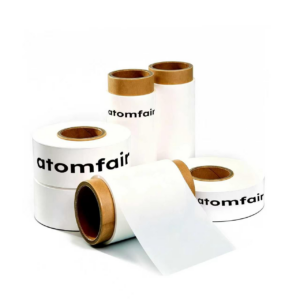
PVDF Coated Separator 12+2+2μm 60mm x 500m ATOMFAIR®
$219.95 -
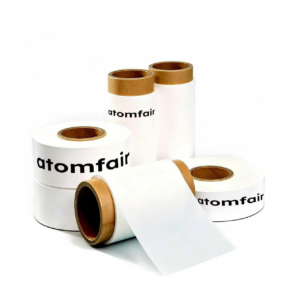
Single-Side LATP Coated PE Separator 16μm 100m ATOMFAIR®
$220.00 -
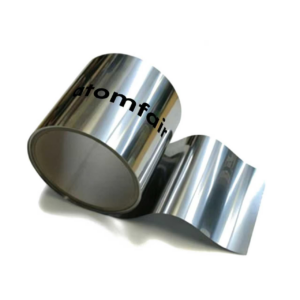
Titanium Foil 150x150x0.1mm Research Grade ATOMFAIR®
$202.00 -
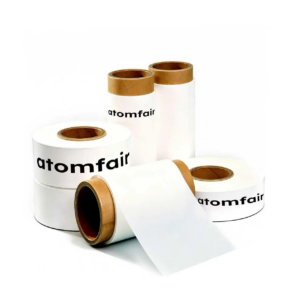
Wet PE Separator 20μm 722g Puncture Strength
$58.00 -
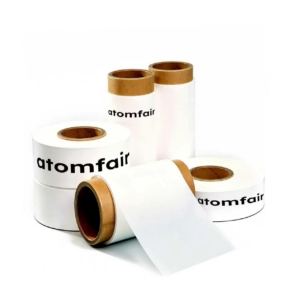
Wet PE Separator 9μm 60mm×20m High Tensile
$68.00 -
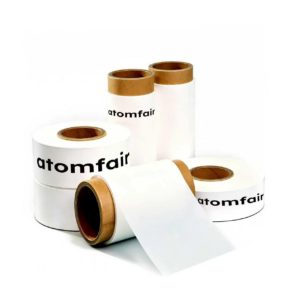
Wet Process PE Separator 16μm 60mm Li-Rich
$58.00 -
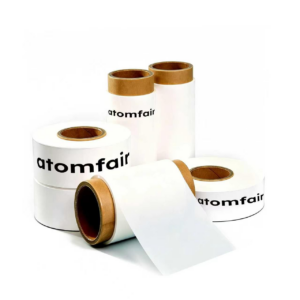
Wet Process PE Separator 16μm 60mm×10m Research ATOMFAIR®
$58.00 -
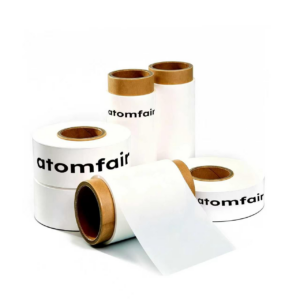
Wet Process PE Separator 16μm Li-Rich Mn Battery
$68.00 -
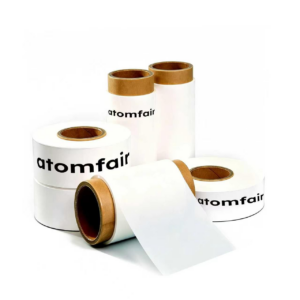
Wet Process PE Separator 7μm 60mm Li-Rich ATOMFAIR®
$58.00 -
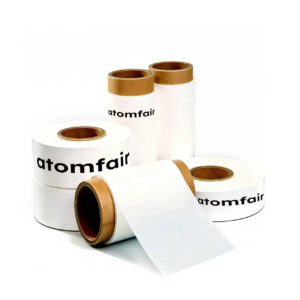
Wet Process PE Separator 9μm 60mm×10m Battery Grade ATOMFAIR®
$58.00 -
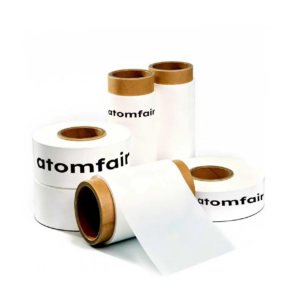
Wet-PE Separator 14µm 60mm 20m Research Grade
$242.00 -
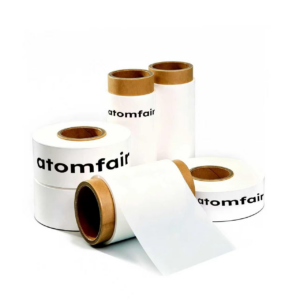
Wet-Process PE Separator 16μm 60mm Research Grade ATOMFAIR®
$68.00 -
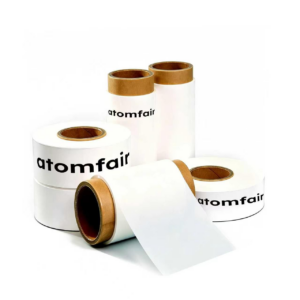
Wet-Process PE Separator 16μm 60mm×10m Battery Grade ATOMFAIR®
$58.00 -
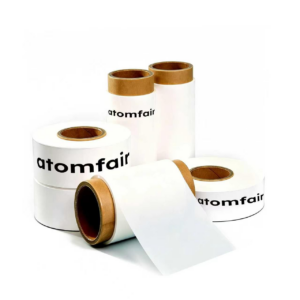
Wet-Process PE Separator 16μm 60mm×20m Research ATOMFAIR®
$68.00 -
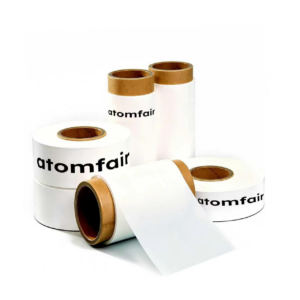
Wet-process PE Separator 20μm 60mm×10m Research Grade ATOMFAIR®
$58.00 -
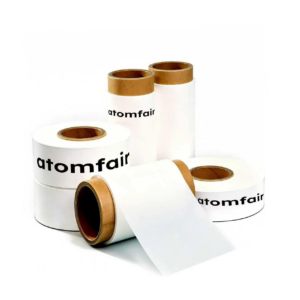
Wet-Process PE Separator 20μm 75mm Research Grade ATOMFAIR®
$68.00