
Cathode & Anode Materials & Precursors
ATOMFAIR Cathode & Anode Materials & Precursors brings together research-grade active materials, alkali metal electrodes, synthesis precursors, and sacrificial additives for lithium-ion, sodium-ion, lithium-sulfur, solid-state, and next-generation battery R&D. This category supports laboratories that require controlled particle size, stable composition, defined electrochemical benchmarks, and practical formats for coin cell, pouch cell, and half-cell validation.
When selecting products in this category, buyers should compare cathode chemistry, anode platform, precursor route, morphology, coating type, purity, moisture sensitivity, and processing requirements before choosing a specific material. Common selection parameters include capacity target, voltage window, D50 particle size, tap density, BET surface area, residual alkali, coating type, current collector compatibility, and whether the material is used as a finished active material, synthesis precursor, or half-cell counter/reference electrode.
For custom experiments, ATOMFAIR can support inquiry-based selection across baseline powders, high-nickel materials, sodium-ion materials, silicon-carbon anodes, hard carbon, LTO, alkali metal foils, and precursor powders for calcination studies.
Show More Cathode, Anode & Precursor Selection Guide
I. Select by Battery Chemistry
| Battery System | Main Material Families | Typical Use |
|---|---|---|
| Lithium-ion batteries | NCM/NMC, NCA, LCO, LFP, LMO, LRMO, graphite, silicon-carbon, LTO | Energy-density improvement, high-voltage cycling, fast-charge research, baseline cell testing |
| Sodium-ion batteries | NFPP, NVP, NFM/O3/P2 layered oxides, hard carbon, sodium metal foil | Low-cost energy storage, sodium-ion half-cells, wide-temperature and rate-performance studies |
| Lithium-sulfur batteries | SPAN sulfur cathode materials | High-capacity sulfur cathode screening and flexible sulfur electrode R&D |
| Solid-state / hybrid systems | LiNbO3-coated cathodes, high-nickel powders, metal foils, additives | Interface control, sulfide/oxide electrolyte matching, dry-room or glovebox testing |
| Precursor synthesis | NCM, NM, NFM, NFMC, and LNMO hydroxide or phosphate precursors | Calcination studies, doping research, morphology control, cathode recipe development |
II. Cathode Material Families
| Cathode Family | What Buyers Should Compare | Best-Fit Research Path |
|---|---|---|
| High-nickel NCM/NMC/NCA | Nickel content, single-crystal vs polycrystal morphology, capacity, residual alkali, D50, coating type | High-energy lithium-ion batteries and EV-grade cathode benchmarking |
| LCO / high-voltage LCO | Voltage grade, coating type, tap density, capacity retention | Consumer electronics and high-voltage electrolyte validation |
| LFP / LMO / LRMO | Carbon coating, capacity, voltage plateau, rate capability | High-safety storage cells, high-power cells, Mn-rich high-capacity studies |
| Sodium-ion cathodes | NFPP/NVP/O3/P2 chemistry, sodium content, carbon coating, moisture control | Sodium-ion battery and low-cost energy storage development |
| Coated cathodes | LiNbO3, Nb, oxide coating, solid-state compatibility | Interface stabilization and sulfide/oxide solid-state system matching |
III. Anode Materials & Metallic Electrodes
| Anode Type | Selection Factors | Notes |
|---|---|---|
| Graphite | Initial Coulombic efficiency, ash/metal impurities, particle size, tap density | Conventional lithium-ion baseline anode |
| Silicon-carbon / silicon-graphite | Capacity, initial efficiency, expansion control, blending requirement | High-energy full-cell development |
| Hard carbon | Capacity, D50, feedstock route, sodium storage behavior | Core anode material for sodium-ion batteries |
| LTO | Capacity, particle size, pH, moisture, rate capability | Long-life, fast-charge, and high-safety anode research |
| Sodium / potassium metal | Diameter, thickness, current collector support, packaging, glovebox handling requirement | Half-cell counter electrodes and alkali metal research |
IV. Precursors, Additives & Processing Fit
When the experiment focuses on synthesis rather than direct electrode fabrication, precursor powders are usually the better choice. NCM, NM, NFM, NFMC, and LNMO precursors should be selected by transition-metal ratio, D50, tap density, specific surface area, moisture, sulfur/metal impurities, and calcination route. If the cell design needs first-cycle lithium-loss compensation, especially when paired with high-capacity silicon-based anodes, sacrificial additives such as LFO or LNO may be considered.
For moisture-sensitive high-nickel cathodes, sodium-ion materials, and alkali metal foils, storage and handling conditions should be planned before purchase. Many materials require sealed packaging, dry-room storage, or inert-atmosphere glovebox handling to maintain stable surface chemistry and reproducible electrochemical data.
FAQ
How should I choose between NCM811, NCM90, NCM93, and NCA cathode powders?
Select by nickel content, morphology, capacity target, coating type, particle size, and handling tolerance. Higher nickel content can usually support higher capacity, but it often requires stricter moisture control and more careful electrolyte/interface design.
When should I choose a coated cathode material?
Coated NCM or LCO is recommended when the study involves high-voltage operation, sulfide or oxide solid electrolytes, interface degradation, residual alkali control, or electrolyte stability screening.
Do sodium metal discs and strips belong in this category?
Yes. When used as counter electrodes for sodium-ion half-cells or as metallic sodium anode research materials, they fit this category. Buyers should compare diameter, thickness, current collector support, packaging format, and handle them according to reactive alkali metal requirements.
What is the difference between hard carbon and graphite anodes?
Graphite is the conventional baseline anode for lithium-ion batteries, while hard carbon is more suitable for sodium storage because of its non-graphitizable structure. Hard carbon is therefore commonly used as the core anode material for sodium-ion batteries.
Can silicon-carbon anode powder be used directly?
It can often be used as a high-capacity active material or blending baseline. Pure or high-capacity silicon-carbon systems usually still require optimization with graphite, conductive additives, binders, and expansion-control formulations before use in full cells.
When should I buy a precursor instead of a finished cathode powder?
Choose a precursor when the experiment focuses on calcination, sodium/lithium source matching, dopant distribution, particle growth, or custom cathode synthesis. Choose finished active material when the goal is electrode fabrication and electrochemical benchmarking.
Which specifications matter most for precursor powders?
Key specifications include transition-metal ratio, D50, D10/D90 distribution, specific surface area, tap density, moisture, sulfur content, trace metals, morphology, and batch consistency.
Do these materials require special storage?
Many do. High-nickel cathodes, sodium/potassium metal, sodium-ion cathodes, and some precursors are sensitive to air or moisture. Use sealed packaging, dry-room storage, or inert glovebox handling according to the product requirements.
Showing 65–80 of 92 results
-
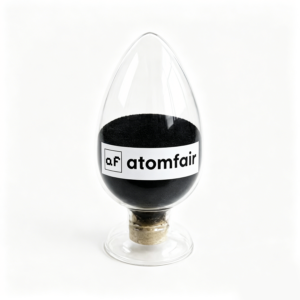
Single-Crystal NFM 424 Na-ion Cathode 6.41μm D50
Price range: $328.00 through $526.00 -
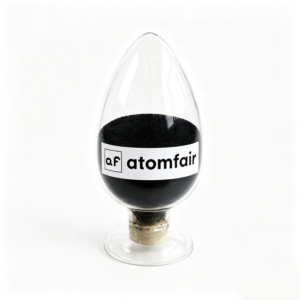
Single-Crystal NFM111 Cathode for Na-Ion Battery
Price range: $226.00 through $273.00 -
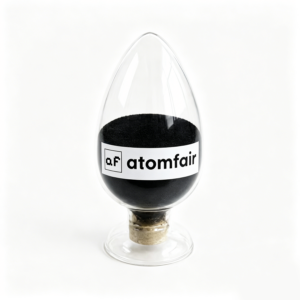
Single-Crystal NFM111 Precursor Powder for Sodium-Ion
Price range: $240.00 through $450.00 -
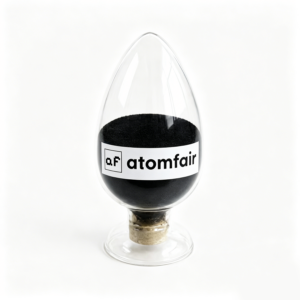
Single-Crystal NFM424 Cathode Powder Research Grade
Price range: $328.00 through $526.00 -
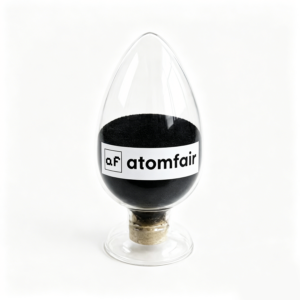
Sodium Iron Pyrophosphate NFPP 95 mAh/g Cathode
Price range: $240.00 through $450.00 -
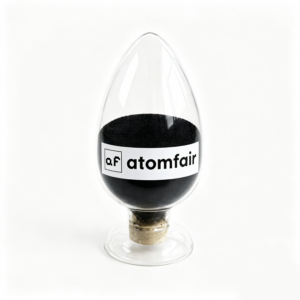
Sodium Iron Pyrophosphate NFPP Powder 103 mAh/g
Price range: $240.00 through $450.00 -
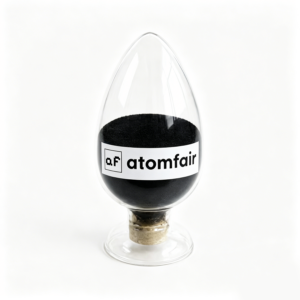
Sodium Iron Sulfate NFS Cathode Powder 95mAh/g
Price range: $280.00 through $520.00 -
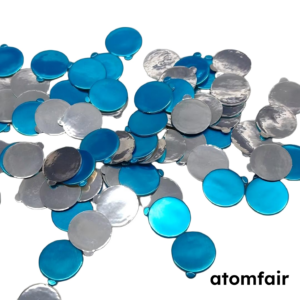
Sodium Metal Disc 14×0.45mm High Purity for Na-ion
Price range: $403.00 through $412.00 -
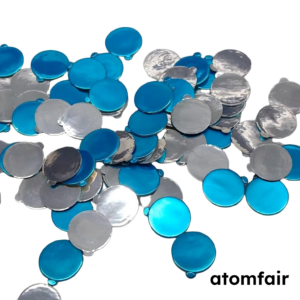
Sodium Metal Disc 99.9% Research Grade Custom Size
$400.00 -
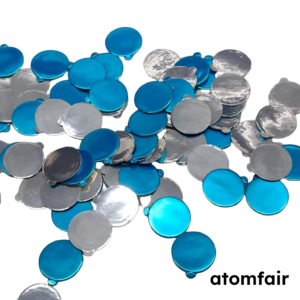
Sodium Metal Disc φ10×0.45mm Half-Cell High Purity
Price range: $409.00 through $418.00 -
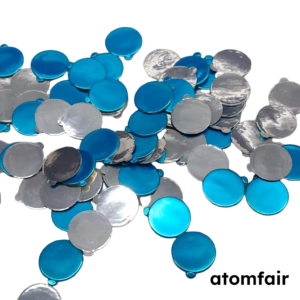
Sodium Metal Disc φ12×0.45mm Half-Cell Foil
Price range: $409.00 through $418.00 -
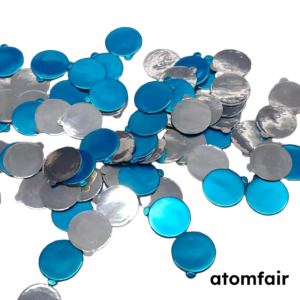
Sodium Metal Disc φ15.6mm×0.45mm Research Grade
Price range: $403.00 through $412.00 -
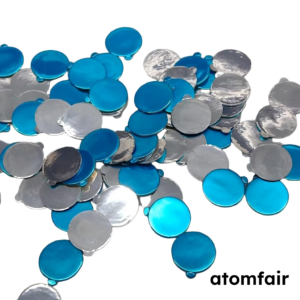
Sodium Metal Disc φ18mm × 0.45mm Research Grade
Price range: $409.00 through $418.00 -
Sodium Metal Disc Φ8mm×0.45mm Half-Cell Research
Price range: $406.00 through $412.00 -
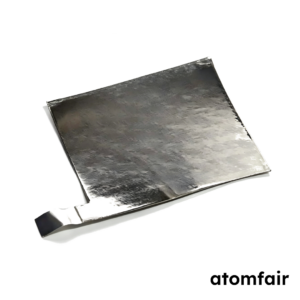
Sodium Metal Sheet 64x55x0.3mm Half-Cell Foil
Price range: $280.00 through $281.00 -
Sodium Metal Sheet Research Grade Custom Size
$300.00