
Description
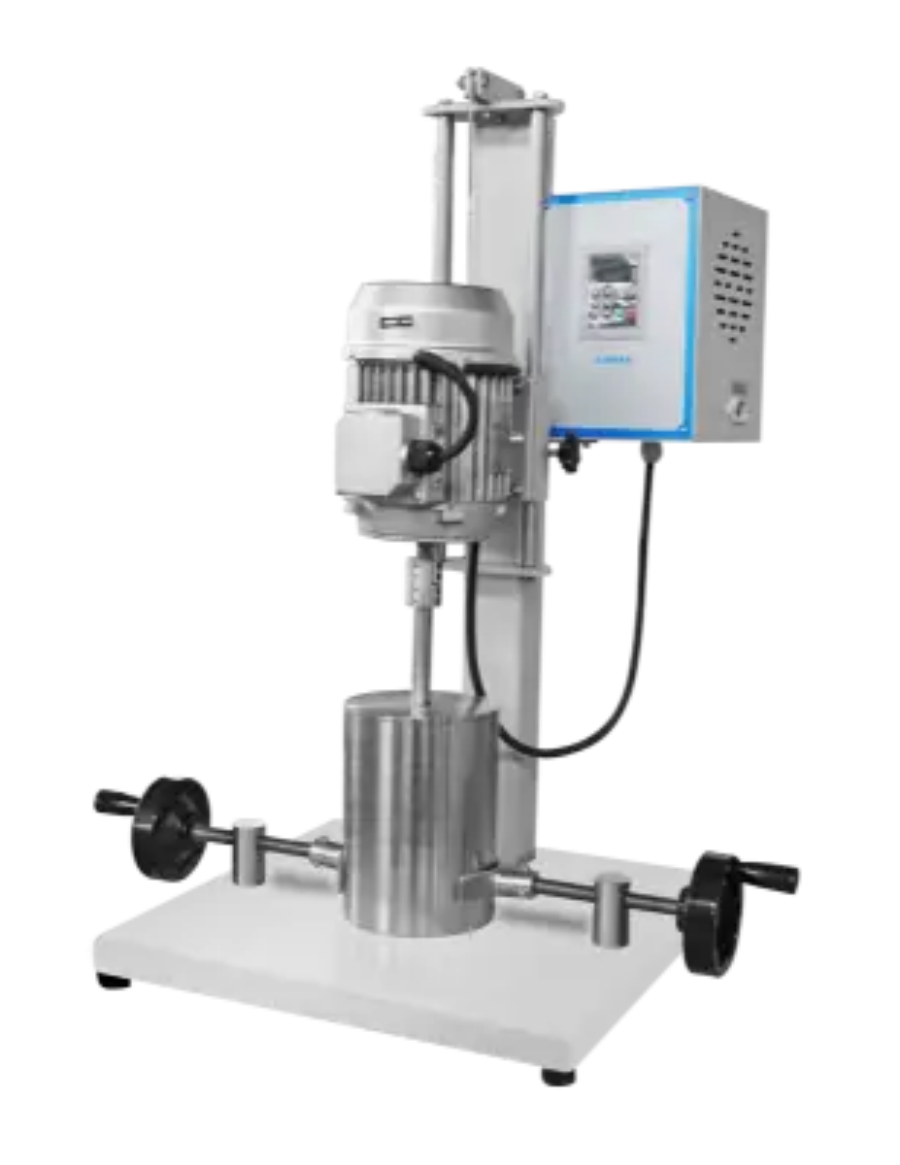
ATOMFAIR SBM-5L LABORATORY STIRRED BALL MILL ULTRASFINE GRINDINGRESEARCH GRADE EQUIPMENT
|
||||||||||||||||||||||||||||||||||||||||||||||||||||||||||||||||||||||||||||||||||||||||||||||||||||||||||||||||||||||||||||||||||||||||||||||||||||||||
|
||||||||||||||||||||||||||||||||||||||||||||||||||||||||||||||||||||||||||||||||||||||||||||||||||||||||||||||||||||||||||||||||||||||||||||||||||||||||
|
TAILORED SOLUTIONS FOR RESEARCH
Contact our engineering team for technical support or official quotations.
EMAIL: inquiry@atomfair.com
|
||||||||||||||||||||||||||||||||||||||||||||||||||||||||||||||||||||||||||||||||||||||||||||||||||||||||||||||||||||||||||||||||||||||||||||||||||||||||
|
Manufacturer: Atomfair LLC
Brand: ATOMFAIR®
|
This stirred mill requires proper electrical grounding and overload protection due to its powered motor operation. The grinding cylinder jacket necessitates a continuous cooling fluid supply to prevent overheating during extended use.
- Electrical Safety: Ensure the mill is connected to a grounded electrical outlet with appropriate overcurrent protection for the 0.75 kW motor.
- Cooling System: Connect the jacket to a recirculating chiller or tap water supply to maintain stable grinding temperatures.
- Material Compatibility: Select cylinder and stirrer materials (e.g., stainless steel, zirconia, polyurethane) that are chemically inert to the processed sample to avoid contamination or corrosion.
- Grinding Media Selection: Use only small-diameter grinding media (e.g., 0.5–3 mm beads) that are harder than the feed material to achieve efficient size reduction without excessive wear.
Safe operation of this mill requires careful selection of grinding media and material loading within specified limits. Proper monitoring of speed and temperature ensures effective grinding and prevents equipment damage.
- Inspect Equipment
Inspect the mill for any visible damage or loose components before operation. - Select Components
Select and install the appropriate grinding cylinder and stirrer material compatible with the sample. - Load Grinding Media
Fill the grinding cylinder with the recommended volume of small-diameter grinding media. - Add Material
Add the material to be ground into the cylinder up to the specified maximum filling volume. - Set Speed
Set the desired rotational speed using the frequency converter or fixed speed setting. - Start Grinding
Start the mill and monitor the grinding process for abnormal noise or vibration. - Stop and Unload
After completion, stop the mill and allow it to come to a complete halt before opening.
How does the choice of grinding media size affect the final particle size distribution in the JM-5L stirred mill?
Larger grinding media produce coarser particles while smaller media yield finer powders. The JM-5L's variable speed control (60–560 rpm) allows optimization of media motion; combining different media sizes with appropriate speed adjustment achieves the best grinding performance for target fineness down to ≤1 μm.
Can the JM-5L stirred mill be used for wet grinding of temperature-sensitive pharmaceutical compounds?
Yes, the JM-5L features a jacketed grinding cylinder that enables precise temperature control during operation, making it suitable for heat-sensitive materials. It also supports both continuous and batch processing modes to accommodate different process requirements.
What material options are available for the grinding cylinder and stirrer when milling abrasive zirconia powders?
The JM-5L offers optional grinding cylinders and stirring components in wear-resistant materials including zirconia, corundum ceramic, polyurethane, and stainless steel. For milling abrasive zirconia powders, a zirconia or corundum lining is recommended to minimize contamination and extend component life.
The JM-5L small stirred mill delivers submicron grinding capability (≤1 μm) with a 0.75 kW drive and 1.75 L loading capacity, making it well-suited for small-batch process development and material research across ceramics, chemicals, and coatings.
Positive
- High grinding efficiency and fine particle size: The mill achieves discharge particle sizes down to 1 μm, enabling submicron grinding for advanced material formulations. Combined with high power density and energy-saving performance, it offers measurable throughput benefits for laboratory R&D.
- Integrated temperature control via jacketed cylinder: The grinding cylinder is equipped with a cooling jacket, allowing precise management of process temperature during extended or high-energy milling runs. This mitigates thermal degradation of heat-sensitive materials.
Trade-offs
- Grinding media selection critically affects outcome: Optimal milling performance requires careful choice of media size, shape, and material ratio as these directly influence final particle distribution. Users must invest in empirical optimization for each new material system.
- Small batch capacity limits scalability: With a nominal volume of 5 L and loading capacity of 1.75 L, the mill is restricted to laboratory-scale batches. Scale-up to production volumes requires larger models such as the JM-50L or higher, which operate at lower speed ranges.
Every advanced material, component, equipment, and instrument in our catalog is backed by rigorous testing. We maintain strict internal quality management frameworks and align with CE conformity metrics to deliver transparent, reproducible performance data via our public open-science repository.
To request raw batch performance data, submit formal vendor registration paperwork, or execute a fast-turnaround R&D manufacturing loop, contact us at inquiry@atomfair.com.
Item is dispatched under the Atomfair Shipping & Delivery Framework (Free worldwide shipping on orders over $59 USD). Return is governed by the Atomfair Return & Refund Policy (7-day technical return window).
